500 Best Plants for Santa Rosa de Cabal | 2026 Guide - Page 7
Discover the 500 ideal plants for Santa Rosa de Cabal's climate. Average temp: 17.8°C, Humidity: 81.1%.
Top 500 Plants for Santa Rosa de Cabal
Showing 217-252 of 500
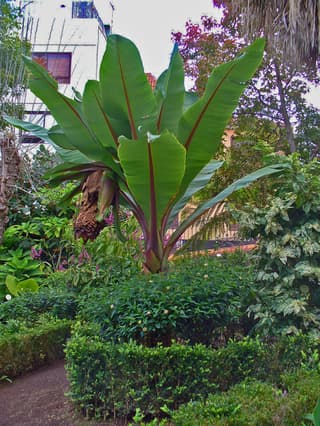
Abyssinian Banana
Ensete ventricosum
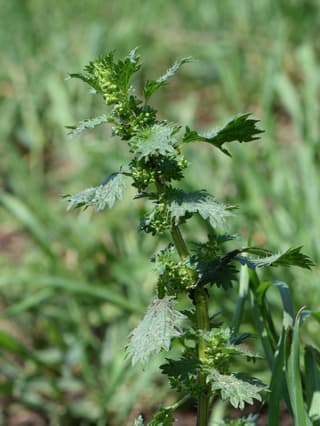
Small Nettle
Urtica urens
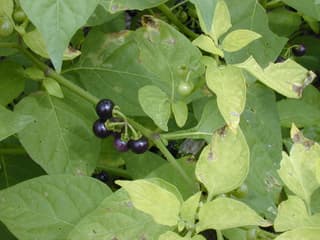
American Black Nightshade
Solanum americanum
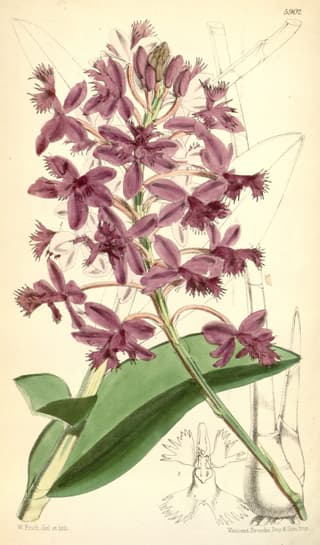
Jamieson's Epidendrum
Epidendrum jamiesonis
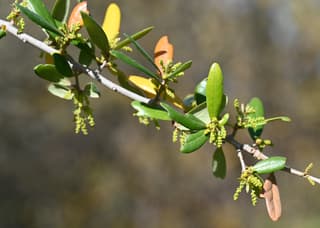
Southern Live Oak
Quercus virginiana
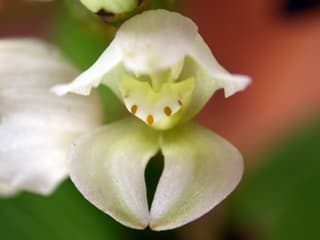
Govenia
Govenia
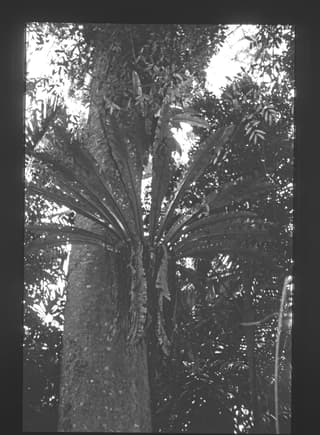
Birds Nest Fern
Asplenium australasicum
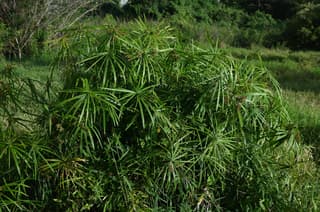
Umbrella Sedge
Cyperus
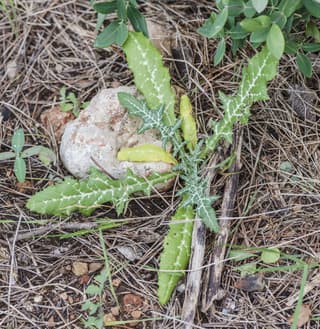
Common Sowthistle
Sonchus oleraceus
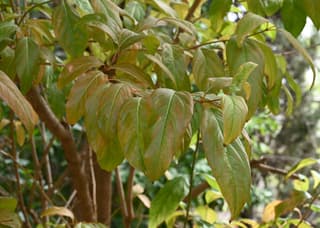
Fiddlewood
Citharexylum spinosum
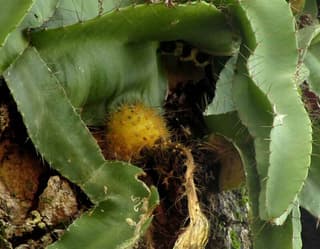
Dog-tail Cactus
Deamia testudo
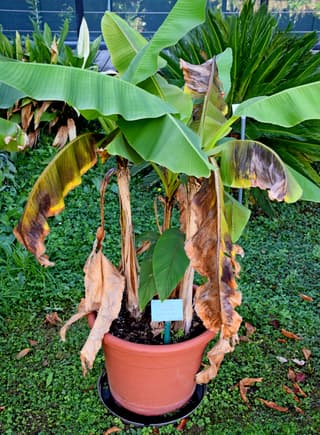
Japanese Banana
Musa basjoo
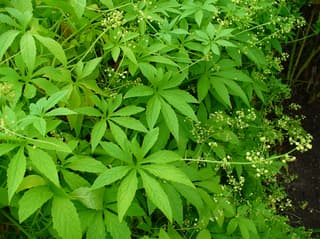
Caigua
Cyclanthera pedata
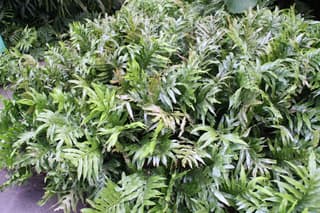
Wart Fern
Phymatosorus scolopendria
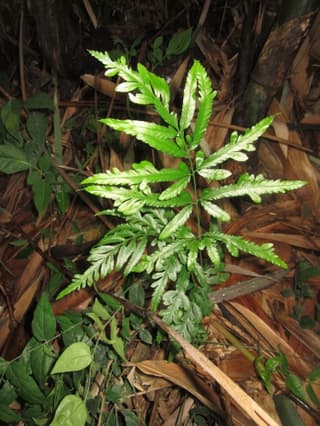
Silver Lace Fern
Pteris ensiformis
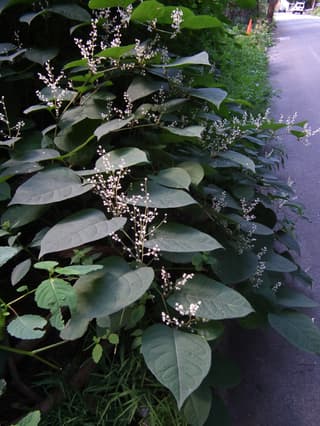
Bohemian knotweed
Reynoutria × bohemica
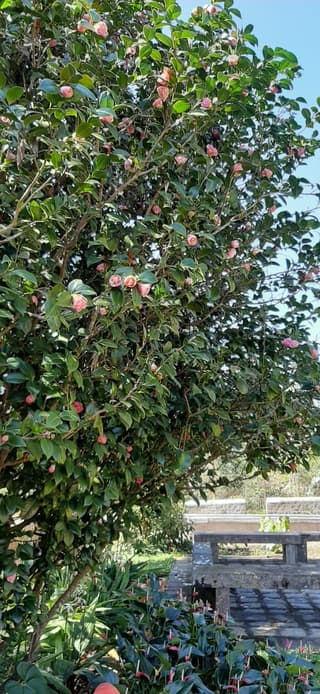
Sasanqua Camellia
Camellia sasanqua
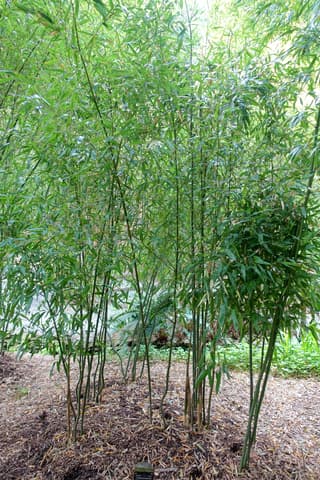
Yellow Groove Bamboo
Phyllostachys aureosulcata
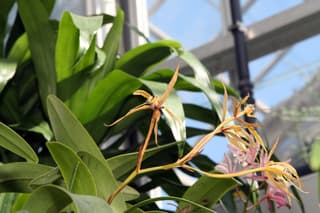
Fringed Star Orchid
Epidendrum ciliare
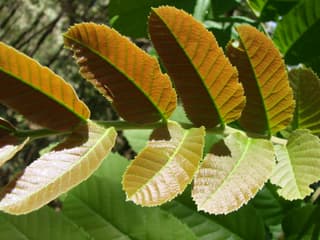
Camboata Tree
Cupania
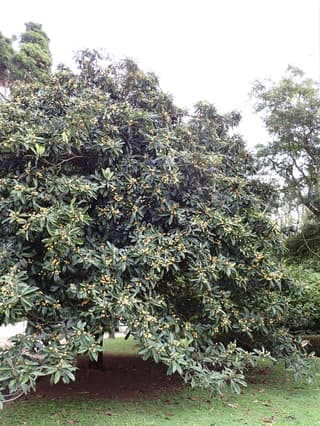
Loquat
Rhaphiolepis bibas
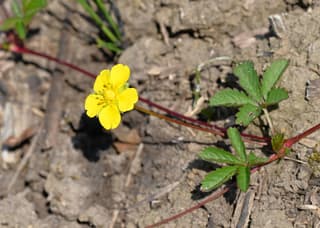
Creeping Cinquefoil
Potentilla reptans
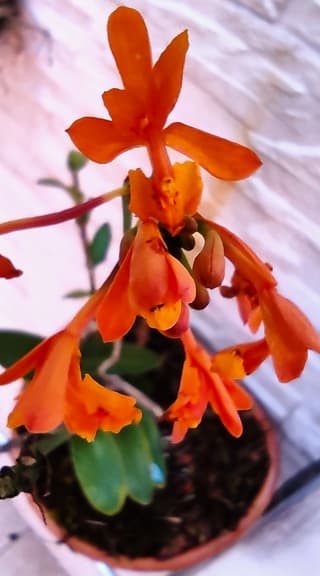
Beach Crucifix Orchid
Epidendrum fulgens
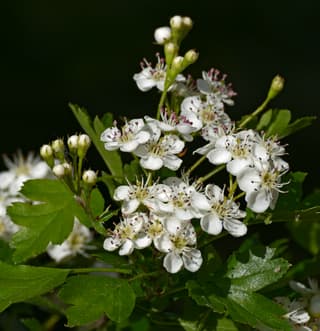
Common Hawthorn
Crataegus monogyna
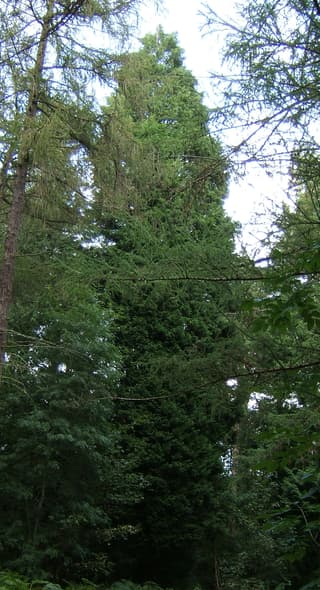
Leyland Cypress
× Hesperotropsis leylandii
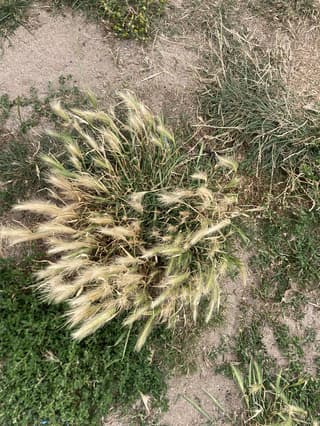
Wall barley
Hordeum murinum
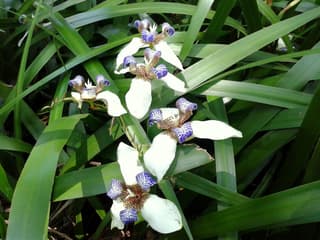
White Walking Iris
Neomarica candida
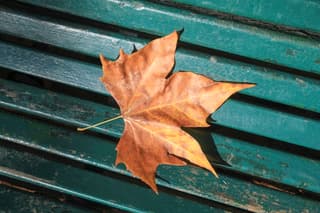
London plane
Platanus × hispanica
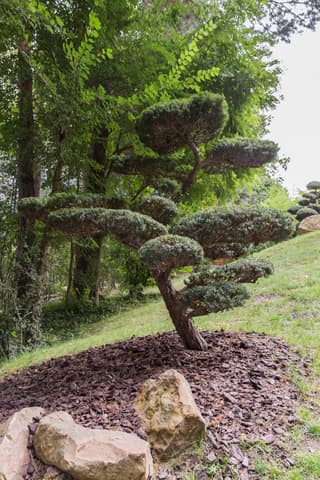
English Yew
Taxus baccata
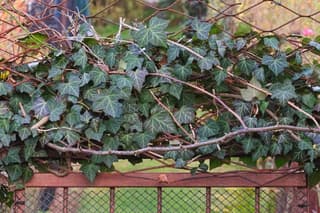
Ivy
Hedera
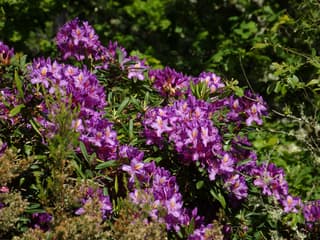
Common Rhododendron
Rhododendron ponticum
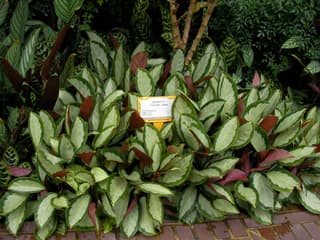
Calathea Picturata
Goeppertia picturata
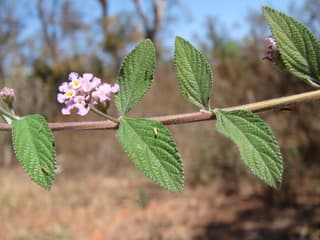
Bushy Lippia
Lippia alba
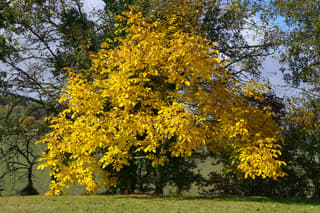
English walnut
Juglans regia
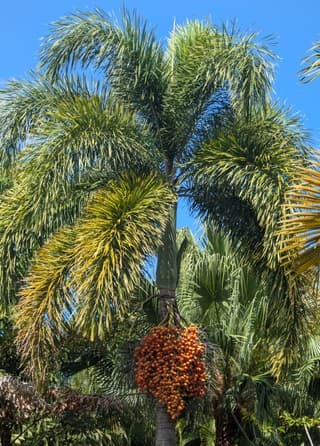
foxtail palm
Wodyetia
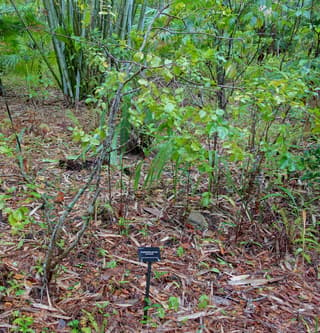
Black Ironwood
Krugiodendron ferreum
Santa Rosa de Cabal Climate for Plant Growing
Santa Rosa de Cabal has a climate with an average annual temperature of 17.8°C and average relative humidity of 81.1%. These climate conditions are ideal for various species of ornamental and fruit plants.
Tips for Growing Plants in Santa Rosa de Cabal
To succeed in growing plants in Santa Rosa de Cabal, consider the average temperature of 17.8°C when choosing your species. Protect cold-sensitive plants during winter. High humidity favors tropical plants, but watch for fungal issues.
Why Choose Plants Adapted to the Local Climate?
Plants adapted to Santa Rosa de Cabal's climate require less care, consume less water, and are more likely to thrive. Our selection considers the compatibility between each species' needs and local climate conditions, including temperature (17.8°C) and humidity (81.1%).