500 Best Plants for Santo Antônio do Pinhal | 2026 Guide - Page 9
Discover the 500 ideal plants for Santo Antônio do Pinhal's climate. Average temp: 18°C, Humidity: 80.2%.
Top 500 Plants for Santo Antônio do Pinhal
Showing 289-324 of 500
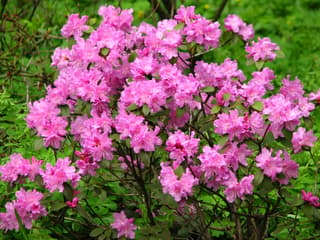
Rhododendron
Rhododendron
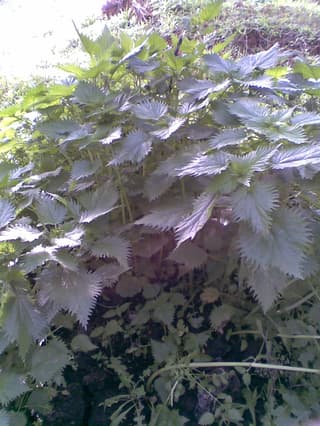
Stinging Nettle
Urtica dioica
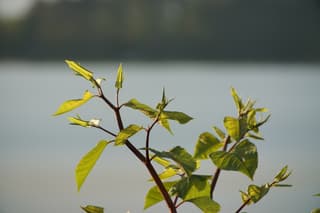
Knotweed
Reynoutria
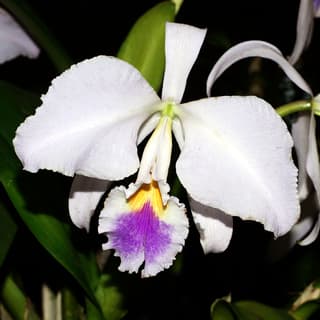
Mendel's Cattleya
Cattleya mendelii
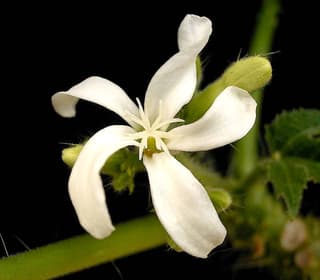
Bull Nettle
Cnidoscolus
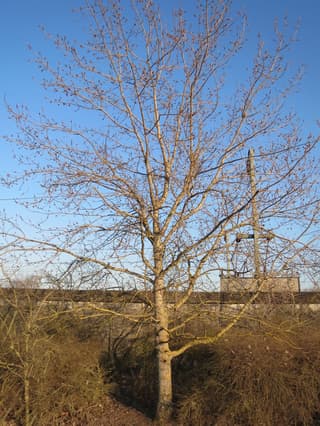
Poplar
Populus
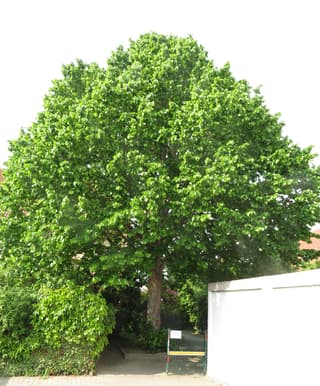
Common Hazel
Corylus avellana
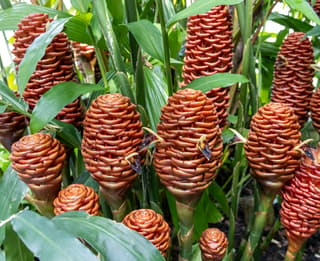
Ginger
Zingiber
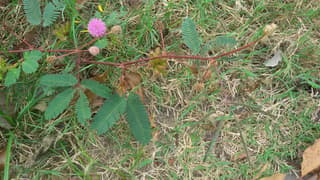
Sensitive Plant
Mimosa pudica
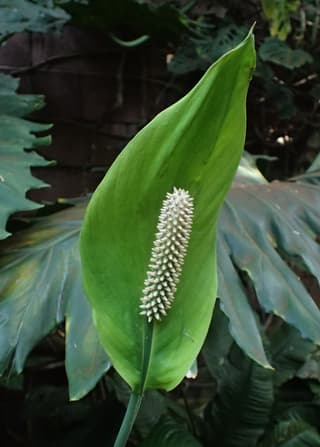
Peace Lily
Spathiphyllum blandum
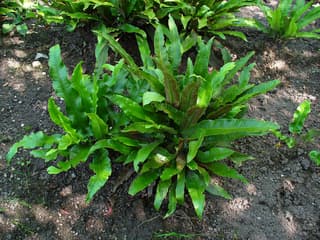
Hart's-tongue Fern
Asplenium scolopendrium
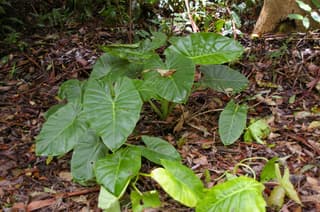
Cunjevoi
Alocasia brisbanensis
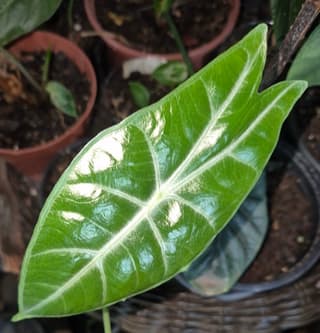
Dragon Scale Alocasia
Alocasia longiloba
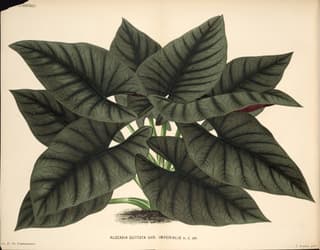
Alocasia Nebula
Alocasia nebula
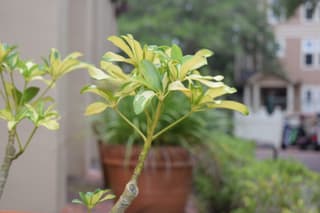
Umbrella Tree
Heptapleurum
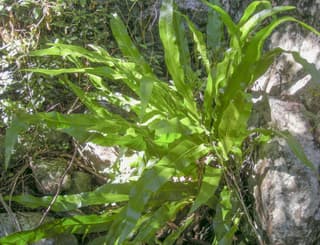
Fishtail Fern
Microsorum punctatum
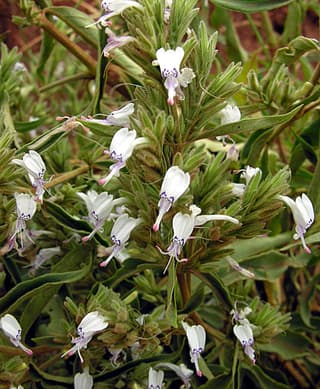
White Ribbon Bush
Hypoestes forskaolii
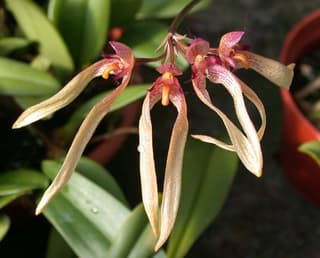
Pale Umbrella Orchid
Bulbophyllum longiflorum
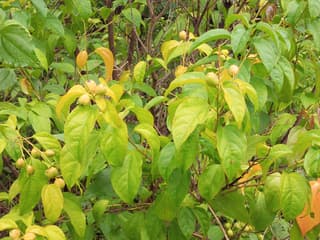
Croton
Croton
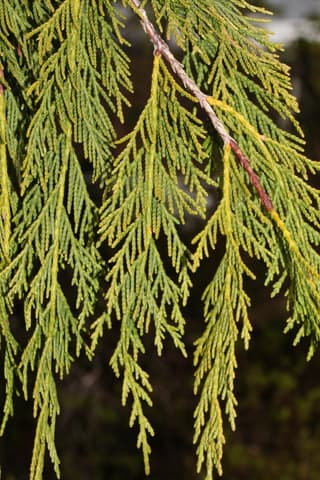
Nootka Cypress
Callitropsis nootkatensis
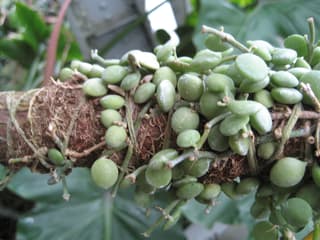
String of Nickels
Dischidia nummularia
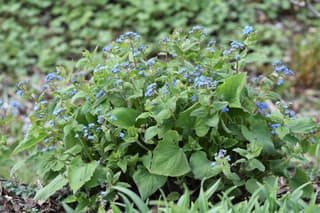
Siberian Bugloss
Brunnera macrophylla
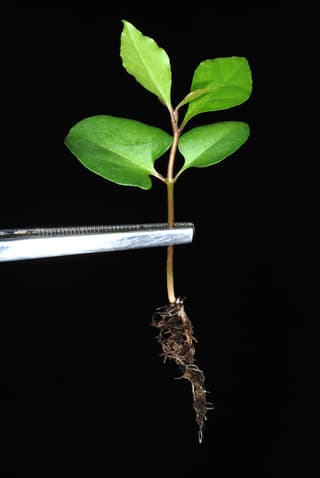
Pull-and-hold
Pisonia aculeata
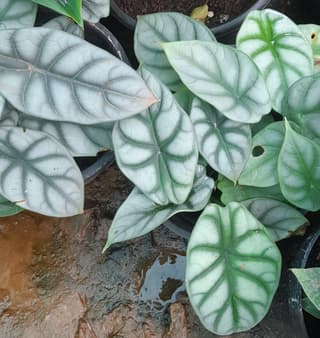
Dragon Scale Alocasia
Alocasia baginda
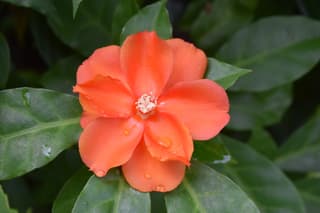
Leaf Cactus
Leuenbergeria
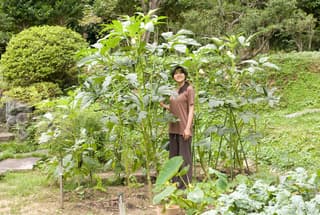
Okra
Abelmoschus esculentus
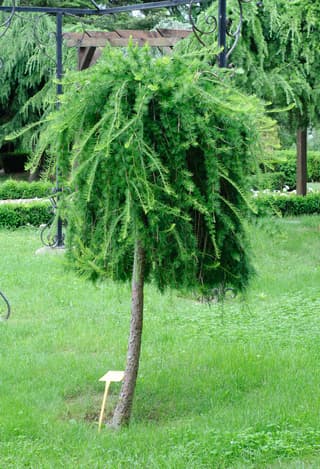
European Larch
Larix decidua
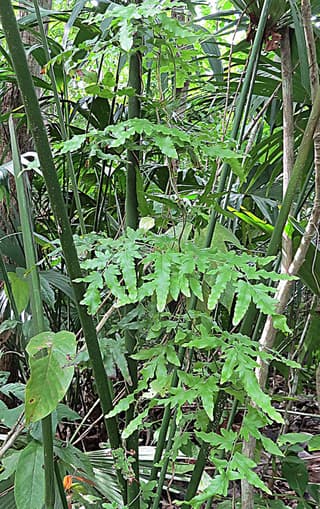
Climbing Fern
Lygodium venustum
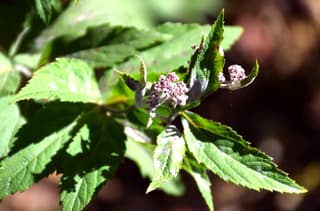
Willowleaf Spiraea
Spiraea salicifolia
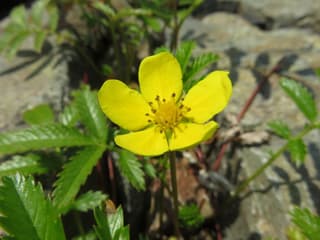
Silverweed
Argentina anserina
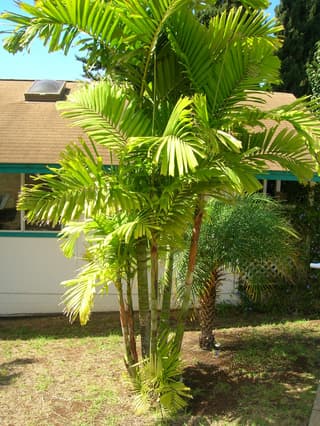
Macarthur Palm
Ptychosperma macarthurii
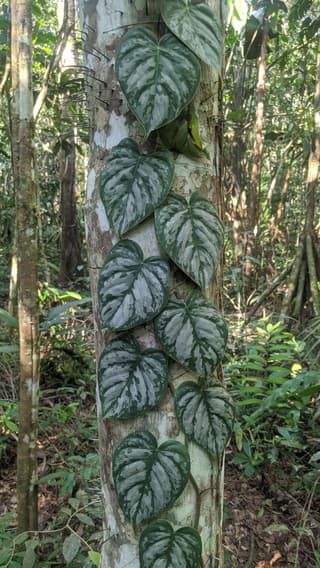
Silver Leaf Philodendron
Philodendron brandtianum
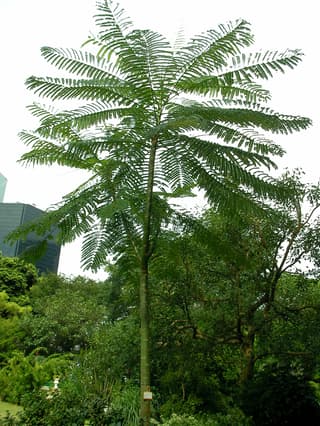
Brazilian Firetree
Schizolobium parahyba
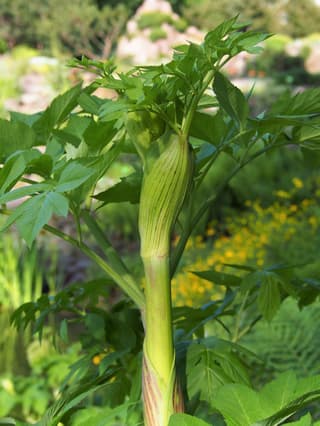
Angelica
Angelica
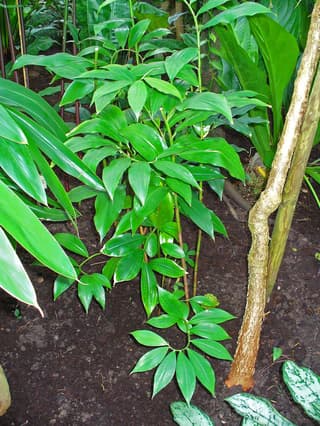
Crepe Ginger
Hellenia speciosa
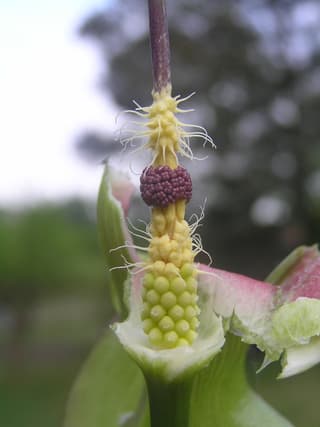
Danish Arum
Arum cylindraceum
Santo Antônio do Pinhal Climate for Plant Growing
Santo Antônio do Pinhal has a climate with an average annual temperature of 18°C and average relative humidity of 80.2%. These climate conditions are ideal for various species of ornamental and fruit plants.
Tips for Growing Plants in Santo Antônio do Pinhal
To succeed in growing plants in Santo Antônio do Pinhal, consider the average temperature of 18°C when choosing your species. The temperate climate allows you to grow a wide variety of species. High humidity favors tropical plants, but watch for fungal issues.
Why Choose Plants Adapted to the Local Climate?
Plants adapted to Santo Antônio do Pinhal's climate require less care, consume less water, and are more likely to thrive. Our selection considers the compatibility between each species' needs and local climate conditions, including temperature (18°C) and humidity (80.2%).