199 Best Foliage Plants for São Mateus do Sul | 2026 Guide - Page 2
The 199 best foliage plants to grow in São Mateus do Sul. Ideal climate: 18.1°C, 81.8% humidity.
199 Foliage Plants for São Mateus do Sul
Showing 37-72 of 199
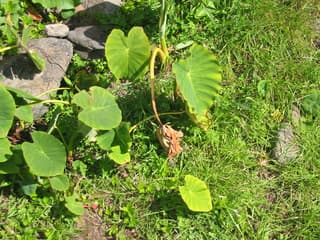
Taro
Colocasia
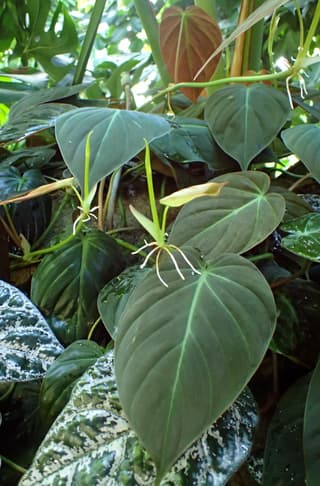
Philodendron
Philodendron
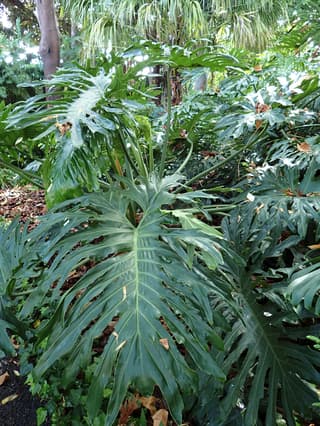
Tree Philodendron
Thaumatophyllum
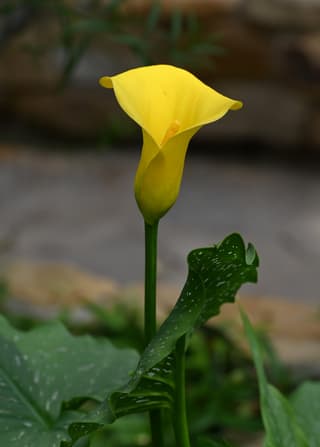
Golden Arum Lily
Zantedeschia elliottiana
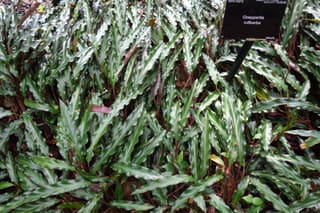
Furry Feather Calathea
Goeppertia rufibarba
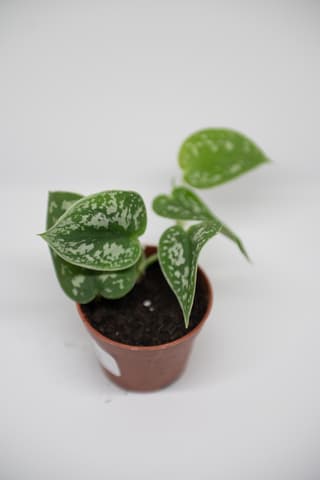
Heartleaf Philodendron
Philodendron scandens
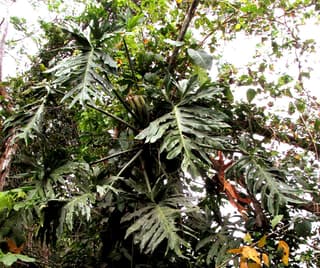
Split-leaf Philodendron
Philodendron radiatum
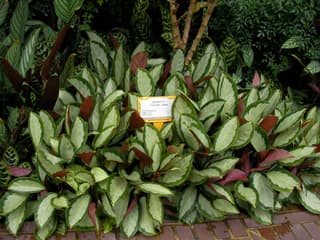
Calathea Picturata
Goeppertia picturata
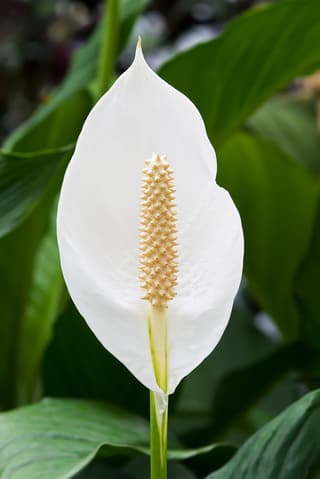
Peace Lily
Spathiphyllum wallisii
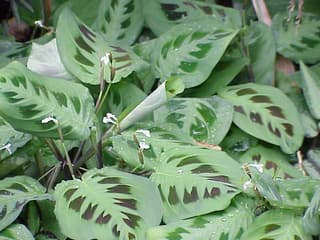
Prayer Plant
Maranta leuconeura
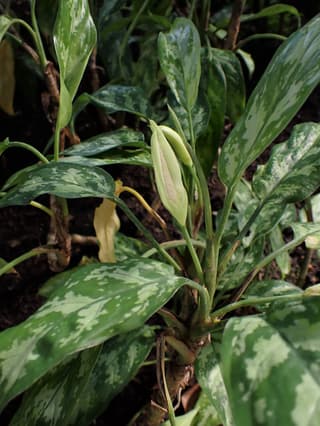
Chinese Evergreen
Aglaonema commutatum
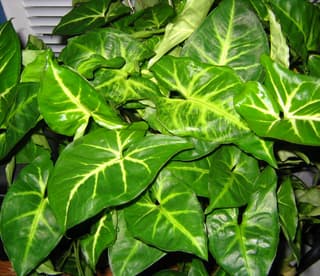
Arrowhead Plant
Syngonium podophyllum
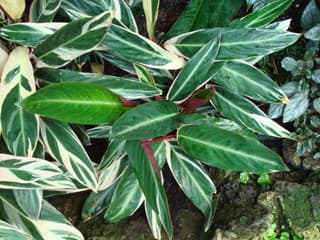
Never Never Plant
Ctenanthe oppenheimiana
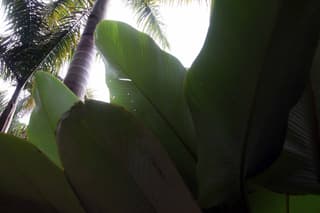
Cigar Plant
Calathea lutea
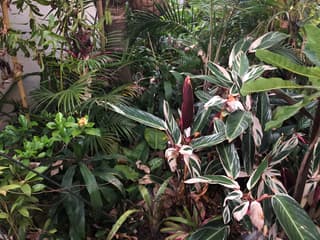
Tricolor Stromanthe
Stromanthe sanguinea
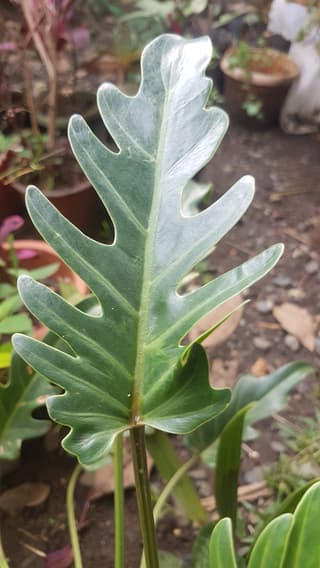
Xanadu Philodendron
Thaumatophyllum xanadu
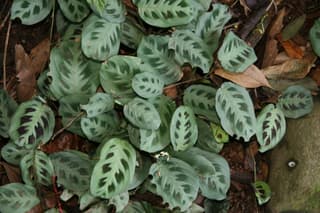
Prayer Plant (genus)
Maranta
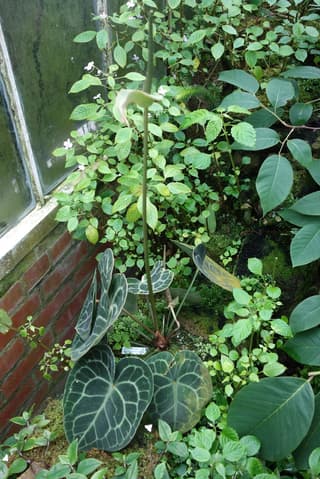
Velvet Cardboard Anthurium
Anthurium clarinervium
Pink Congo Philodendron
Philodendron 'Pink Congo'

Rojo Congo Philodendron
Philodendron 'Rojo Congo'
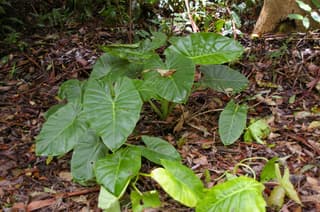
Cunjevoi
Alocasia brisbanensis
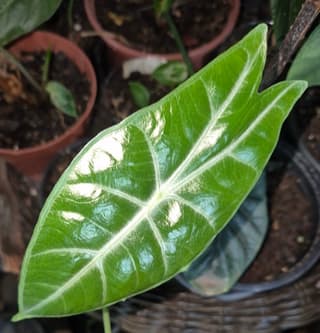
Dragon Scale Alocasia
Alocasia longiloba
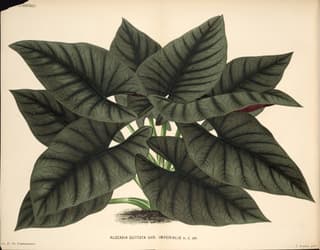
Alocasia Nebula
Alocasia nebula
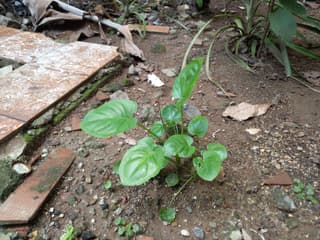
Typhonium
Typhonium
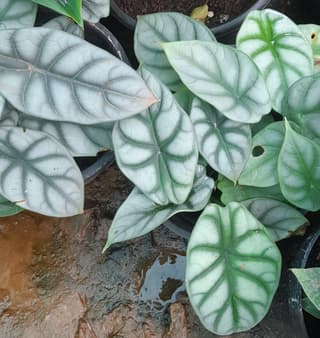
Dragon Scale Alocasia
Alocasia baginda
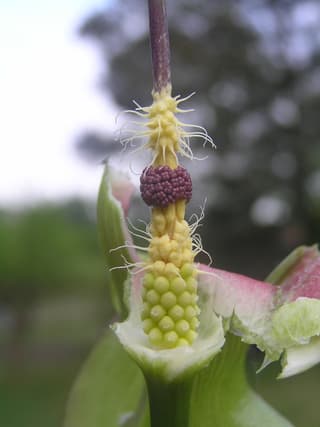
Danish Arum
Arum cylindraceum
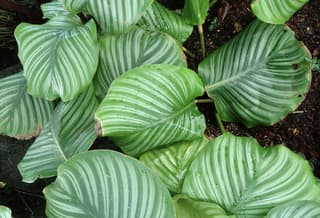
Round-leaf Calathea
Calathea orbifolia
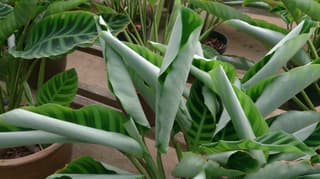
Zebra Plant
Calathea zebrina
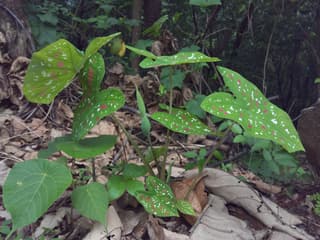
Angel Wings
Caladium bicolor
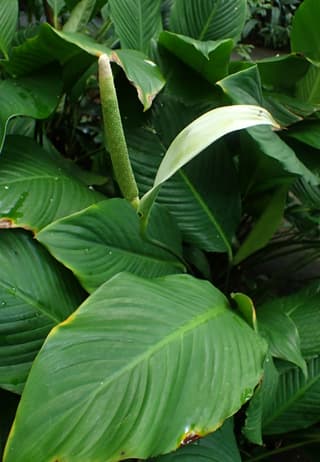
Giant Peace Lily
Spathiphyllum cannifolium

Apoballis
Apoballis acuminatissima
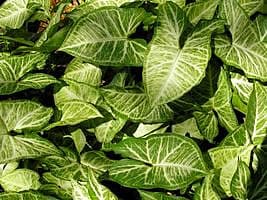
Five Fingers
Syngonium angustatum
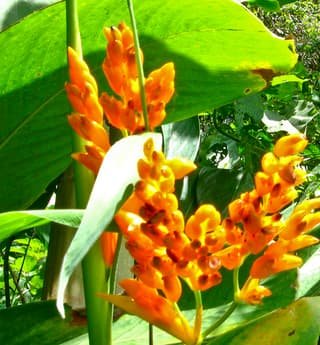
Stromanthe
Stromanthe
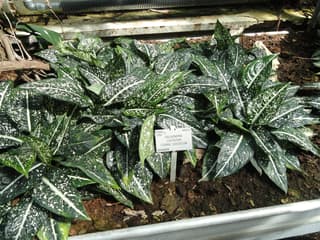
Spotted Evergreen
Aglaonema costatum
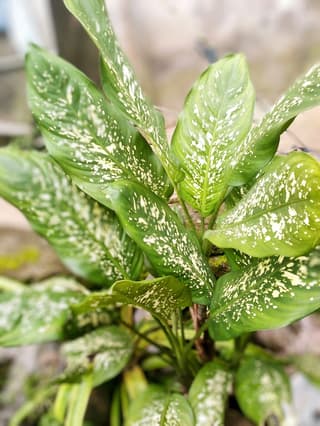
Dumb Cane
Dieffenbachia
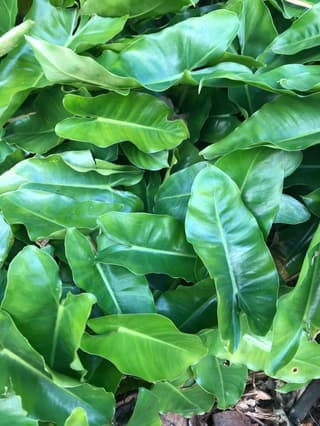
Burle Marx Philodendron
Philodendron burle-marxii
Ideal Foliage Plants for São Mateus do Sul's Climate
São Mateus do Sul has an average temperature of 18.1°C and humidity of 81.8%, conditions that directly influence which foliage plants best adapt to the local environment.
How to Grow Foliage Plants in São Mateus do Sul
To successfully grow foliage plants in São Mateus do Sul, consider that the average temperature of 18.1°C and humidity of 81.8% create a specific microclimate. High humidity favors tropical species, but requires attention to ventilation to prevent fungal issues.
Advantages of Choosing Adapted Foliage Plants
Foliage Plants adapted to São Mateus do Sul's climate show greater resistance, healthy growth, and less need for interventions.