500 Best Plants for São Mateus do Sul | 2026 Guide - Page 12
Discover the 500 ideal plants for São Mateus do Sul's climate. Average temp: 18.1°C, Humidity: 81.8%.
Top 500 Plants for São Mateus do Sul
Showing 397-432 of 500
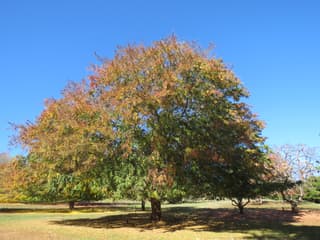
Chinese Elm
Ulmus parvifolia
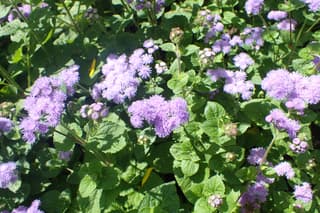
Floss Flower
Ageratum houstonianum
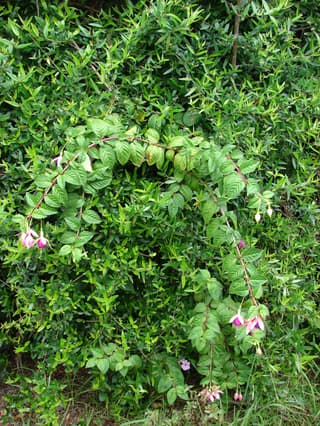
Garden Fuchsia
Fuchsia hybrida
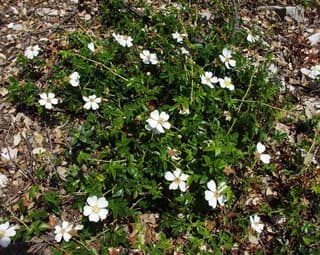
Evergreen Rose
Rosa sempervirens
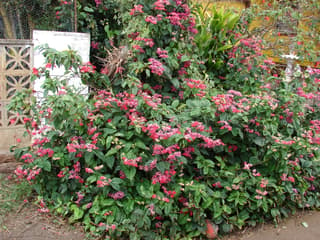
Red Bleeding Heart Vine
Clerodendrum × speciosum
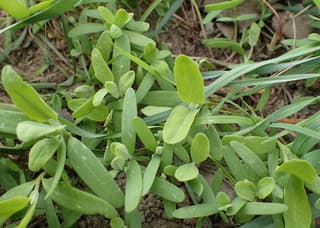
Common Orache
Atriplex patula
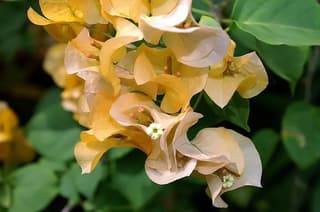
Bougainvillea
Bougainvillea x buttiana
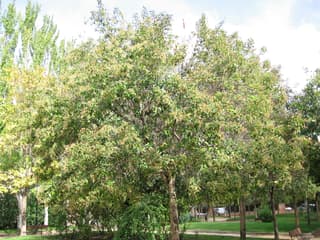
Japanese Privet
Ligustrum japonicum
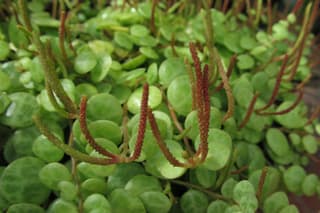
String of Turtles
Peperomia prostrata
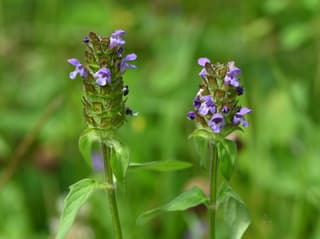
Self-Heal
Prunella vulgaris
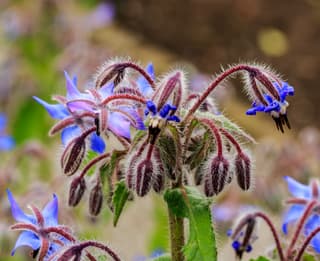
Borage
Borago officinalis
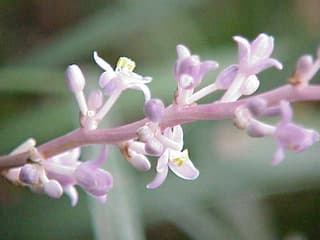
White Lilyturf
Ophiopogon jaburan
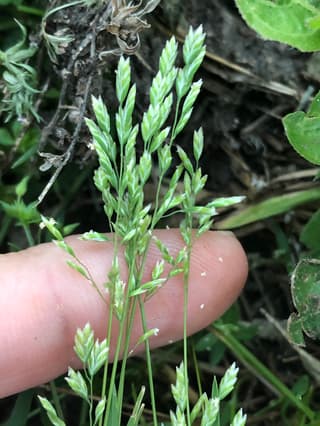
Annual Meadow Grass
Poa annua
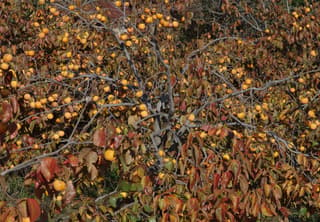
Japanese Persimmon
Diospyros kaki
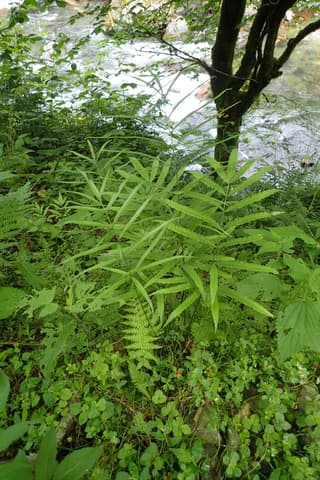
Brake Fern
Pteris
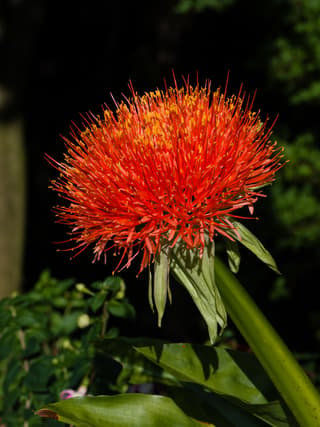
Blood Lily
Scadoxus multiflorus
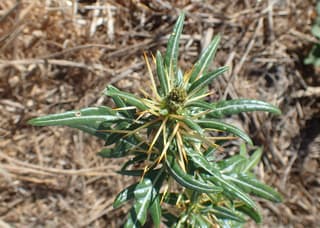
Spiny Cocklebur
Xanthium spinosum
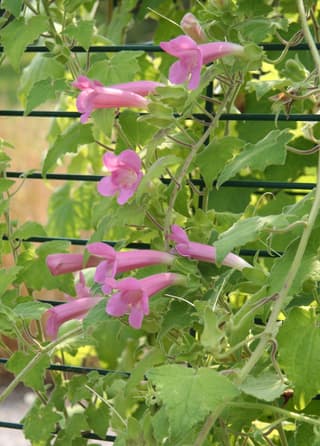
Climbing Snapdragon
Lophospermum erubescens
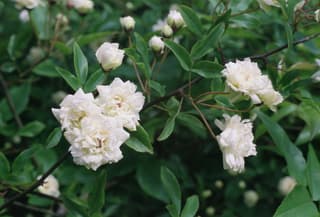
Lady Banks' Rose
Rosa banksiae
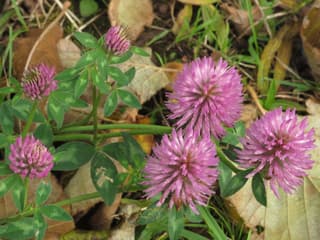
Red Clover
Trifolium pratense
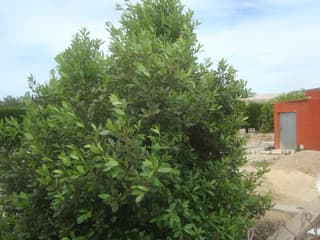
Bay Laurel
Laurus nobilis
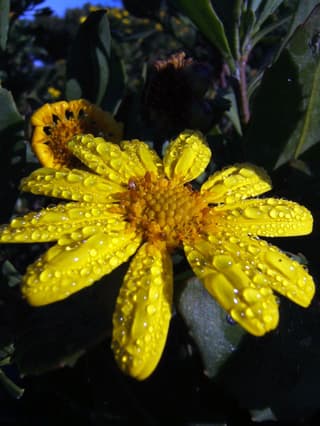
Bietou
Osteospermum moniliferum
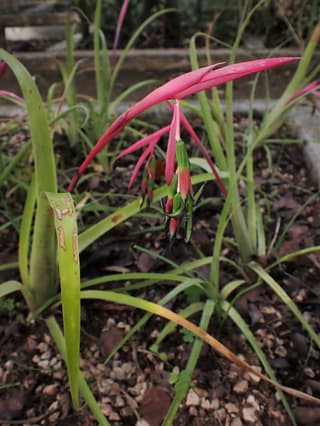
Queen's Tears
Billbergia nutans
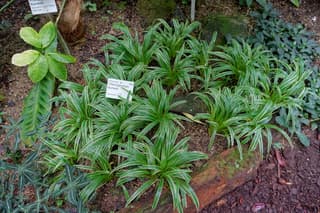
Zebra Grass Spider Plant
Chlorophytum laxum
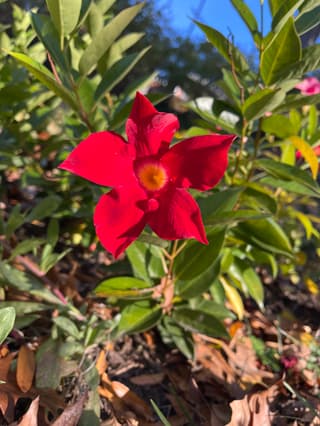
Mandevilla
Mandevilla
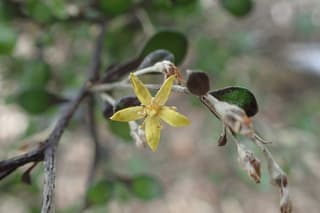
Wire-netting Bush
Corokia cotoneaster
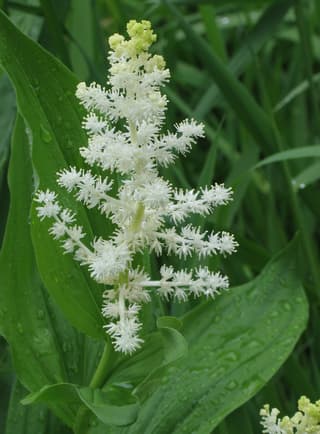
False Lily of the Valley
Maianthemum
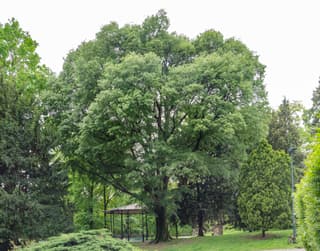
European Nettle Tree
Celtis australis
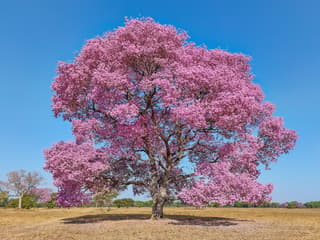
Trumpet Tree
Handroanthus
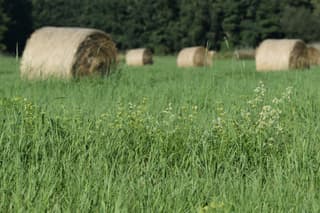
White Bedstraw
Galium album
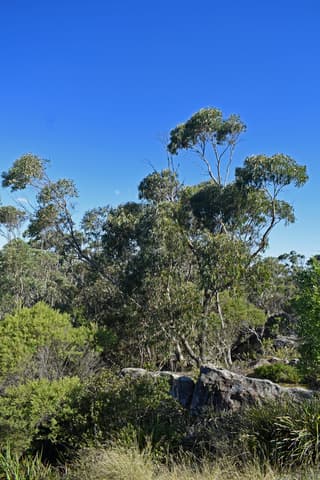
Tasmanian Blue Gum
Eucalyptus globulus
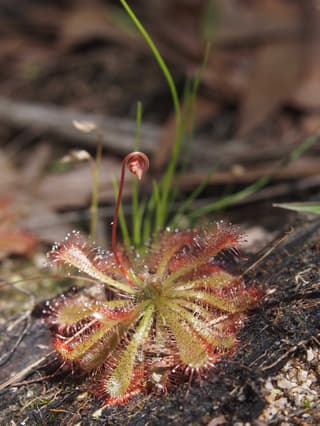
Spoon-leaved sundew
Drosera spatulata
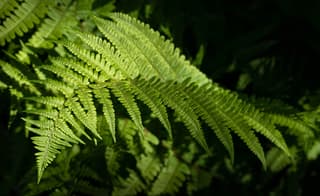
Lady Fern
Athyrium
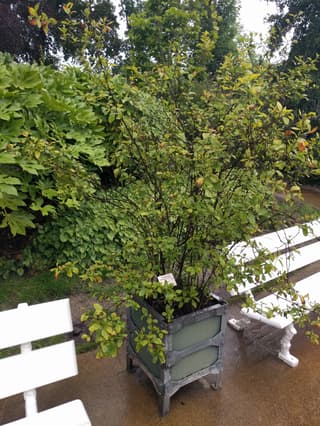
Cape Leadwort
Plumbago auriculata
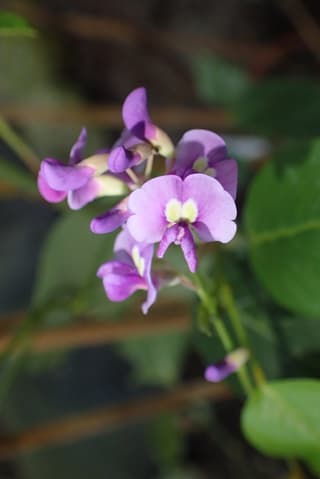
Purple Coral Pea
Hardenbergia violacea

Azalea
Rhododendron simsii
São Mateus do Sul Climate for Plant Growing
São Mateus do Sul has a climate with an average annual temperature of 18.1°C and average relative humidity of 81.8%. These climate conditions are ideal for various species of ornamental and fruit plants.
Tips for Growing Plants in São Mateus do Sul
To succeed in growing plants in São Mateus do Sul, consider the average temperature of 18.1°C when choosing your species. The temperate climate allows you to grow a wide variety of species. High humidity favors tropical plants, but watch for fungal issues.
Why Choose Plants Adapted to the Local Climate?
Plants adapted to São Mateus do Sul's climate require less care, consume less water, and are more likely to thrive. Our selection considers the compatibility between each species' needs and local climate conditions, including temperature (18.1°C) and humidity (81.8%).