500 Best Pet Safe for São Sebastião da Grama | 2026 Guide - Page 13
The 500 best pet safe to grow in São Sebastião da Grama. Ideal climate: 19.9°C, 73.6% humidity.
500 Pet Safe for São Sebastião da Grama
Showing 433-468 of 500
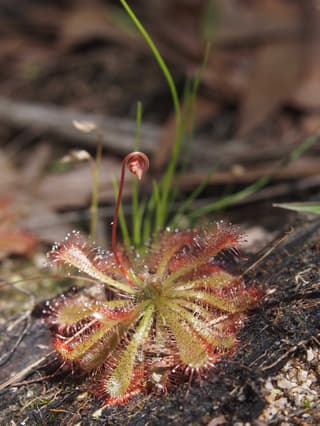
Spoon-leaved sundew
Drosera spatulata
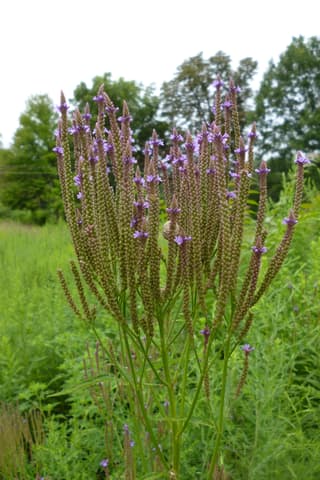
Blue Vervain
Verbena hastata
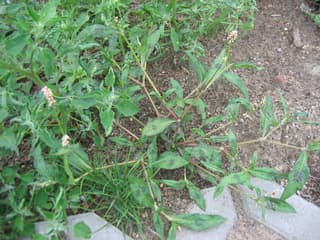
Lady's Thumb
Persicaria maculosa
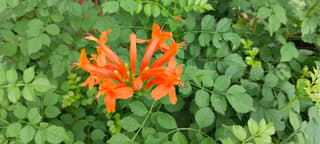
Cape Honeysuckle
Tecoma capensis
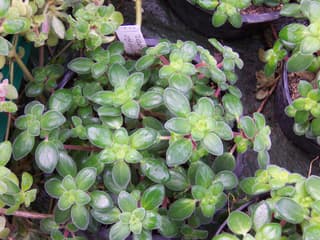
Baby Rubber Plant
Peperomia obtusifolia
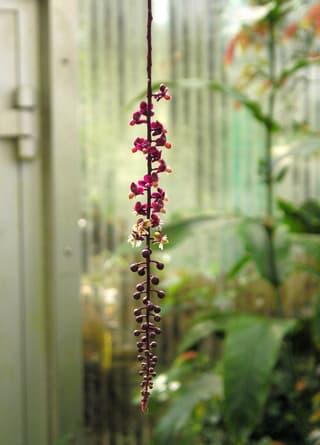
Peacock Plant
Calathea makoyana
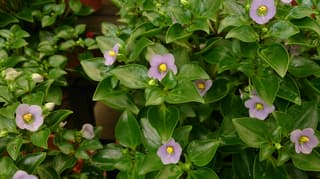
Persian Violet
Exacum affine
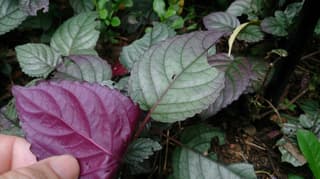
Purple Waffle Plant
Hemigraphis alternata
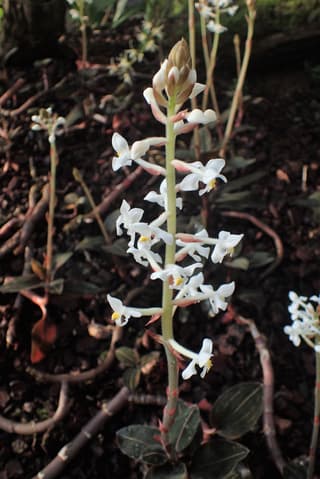
Jewel Orchid
Ludisia discolor
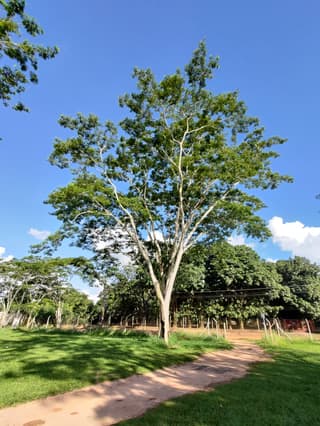
White Silk Tree
Albizia niopoides
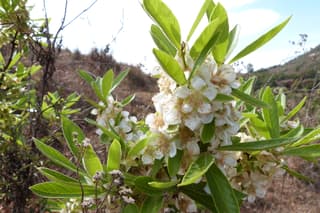
Guabiroba
Campomanesia pubescens
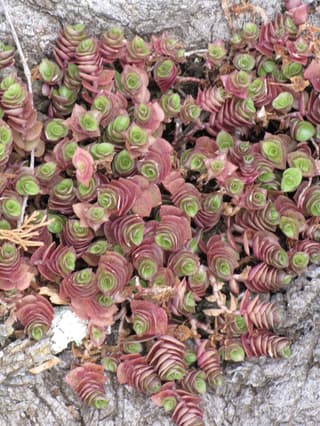
Turtle Vine
Callisia repens
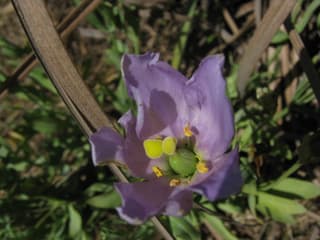
Lisianthus
Eustoma grandiflorum
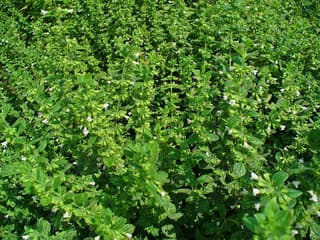
Lemon Balm
Melissa officinalis
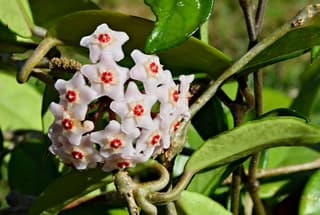
Wax Plant
Hoya
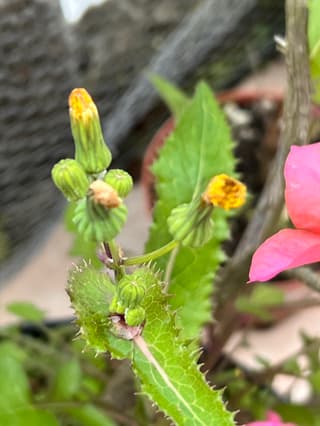
Sow Thistle
Sonchus
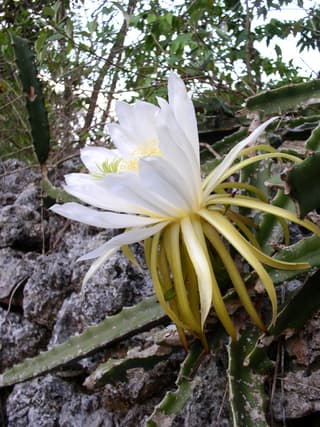
Strawberry Pear
Selenicereus triangularis
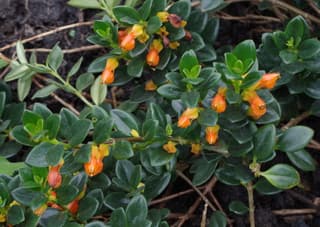
Goldfish Plant
Nematanthus gregarius

Areca palm
Chrysalidocarpus lutescens
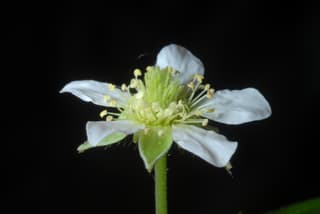
White Avens
Geum canadense
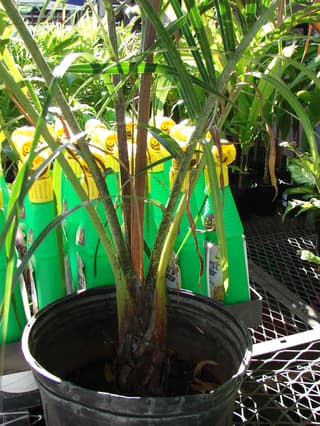
Triangle Palm
Dypsis decaryi
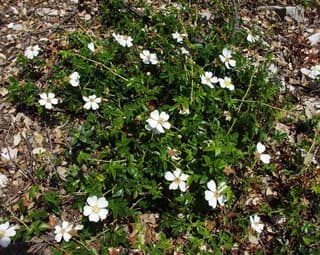
Evergreen Rose
Rosa sempervirens
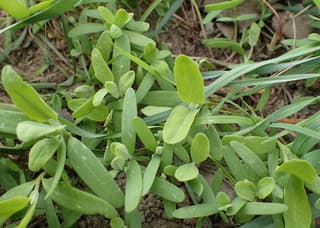
Common Orache
Atriplex patula
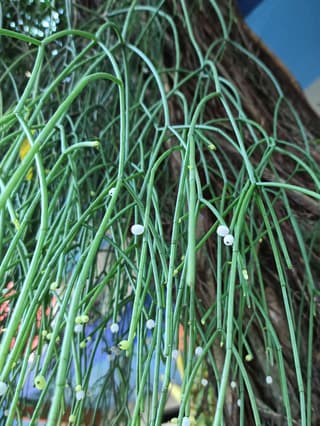
Mistletoe Cactus
Rhipsalis
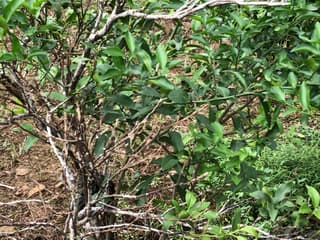
Kumquat
Citrus japonica
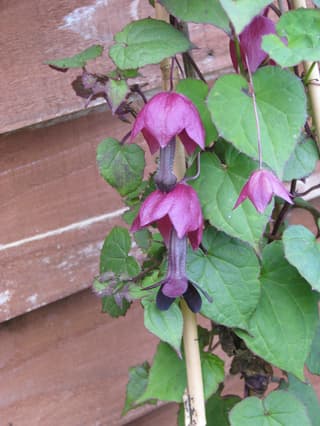
Purple Bells
Rhodochiton atrosanguineus

Laurel Clockvine
Thunbergia laurifolia
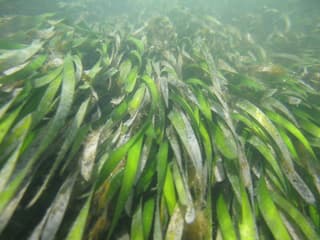
Turtle grass
Thalassia testudinum
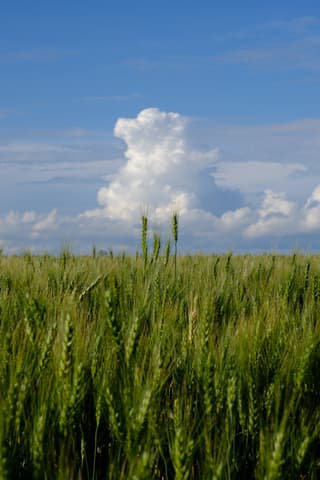
Common wheat
Triticum aestivum
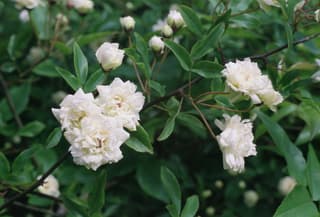
Lady Banks' Rose
Rosa banksiae
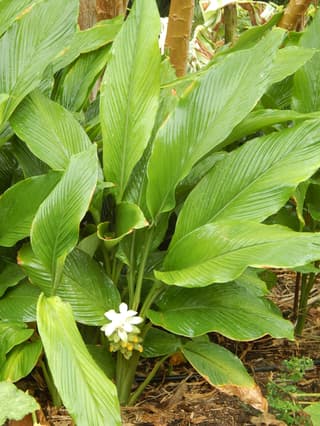
Turmeric
Curcuma longa
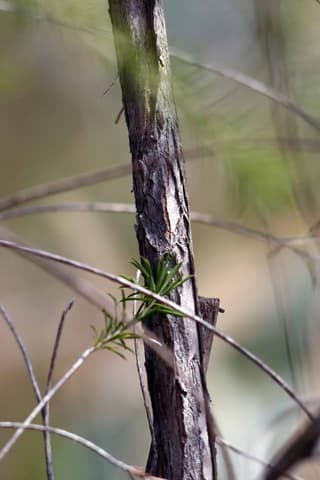
Bracelet Honey Myrtle
Melaleuca armillaris
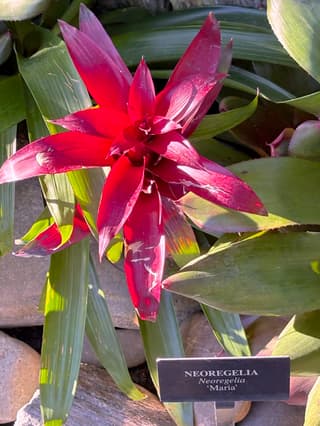
Blushing Bromeliad
Neoregelia
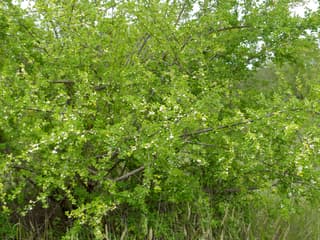
White-Berry Bush
Flueggea virosa
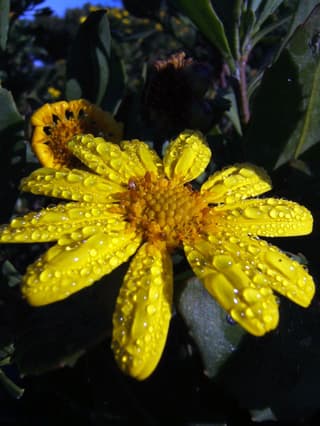
Bietou
Osteospermum moniliferum
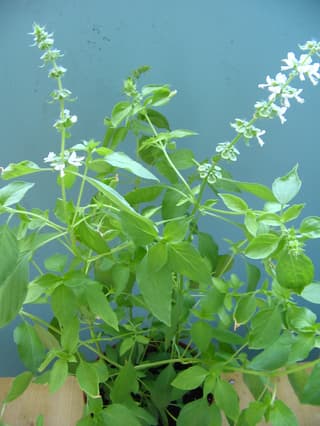
Lemon Basil
Ocimum × citriodorum
Ideal Pet Safe for São Sebastião da Grama's Climate
São Sebastião da Grama has an average temperature of 19.9°C and humidity of 73.6%, conditions that directly influence which pet safe best adapt to the local environment.
How to Grow Pet Safe in São Sebastião da Grama
To successfully grow pet safe in São Sebastião da Grama, consider that the average temperature of 19.9°C and humidity of 73.6% create a specific microclimate. High humidity favors tropical species, but requires attention to ventilation to prevent fungal issues.
Advantages of Choosing Adapted Pet Safe
Pet Safe adapted to São Sebastião da Grama's climate show greater resistance, healthy growth, and less need for interventions.