500 Best Plants for Watauga | 2026 Guide - Page 10
Discover the 500 ideal plants for Watauga's climate. Average temp: 20.3°C, Humidity: 61.3%.
Top 500 Plants for Watauga
Showing 325-360 of 500
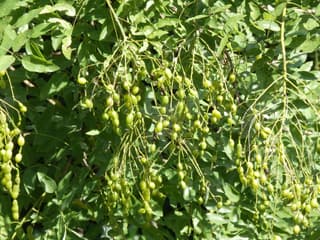
Japanese Pagoda Tree
Styphnolobium japonicum
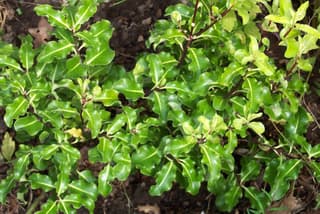
Kohuhu
Pittosporum tenuifolium
Speedwell
Veronica
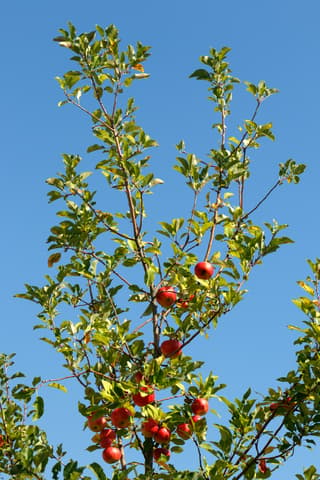
Apple Tree
Malus domestica
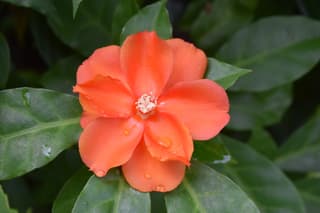
Leaf Cactus
Leuenbergeria
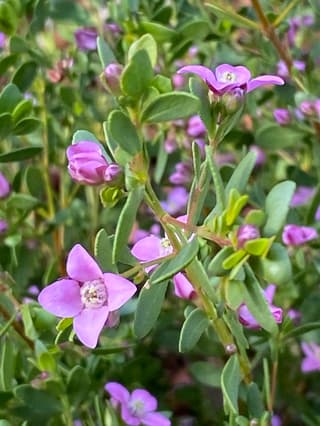
Aniseed Boronia
Boronia crenulata
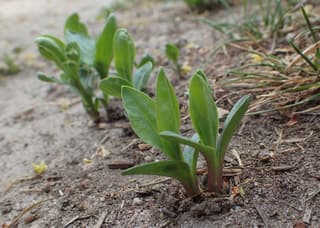
Soapwort
Saponaria officinalis
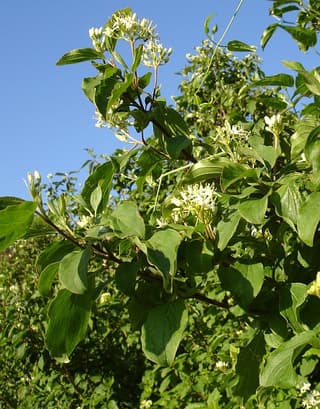
Dogwood
Cornus
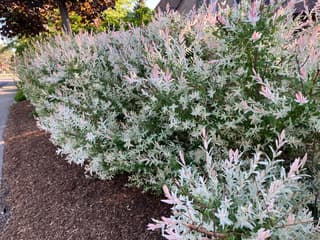
Dappled Willow 'Hakuro Nishiki'
Salix integra 'Hakuro Nishiki'
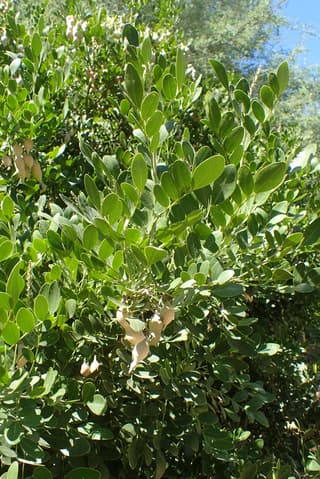
Texas mountain laurel
Dermatophyllum secundiflorum
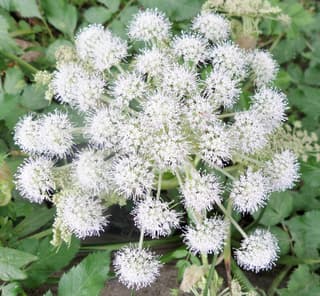
Wild Angelica
Angelica sylvestris
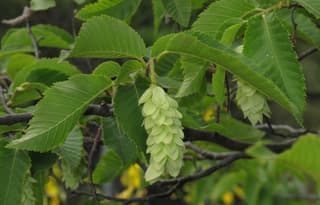
European hop-hornbeam
Ostrya carpinifolia
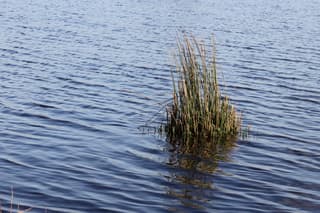
Soft Rush
Juncus effusus
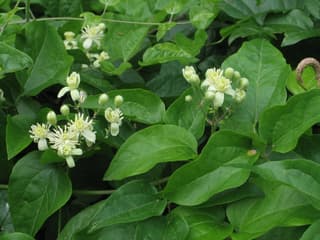
Traveller's Joy
Clematis vitalba
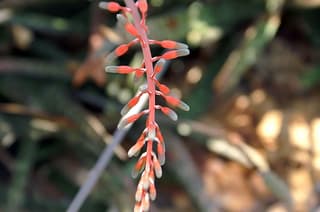
Ox tongue
Gasteria bicolor
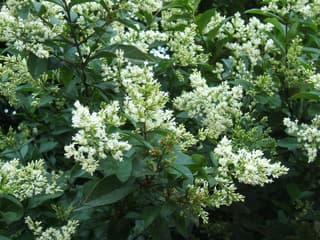
California Privet
Ligustrum ovalifolium
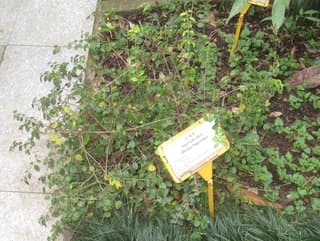
Sweet Plum
Sageretia theezans
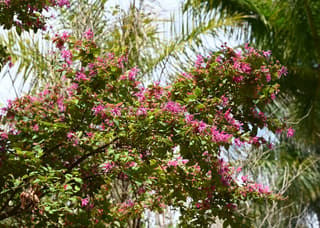
Chinese Fringe Flower
Loropetalum chinense
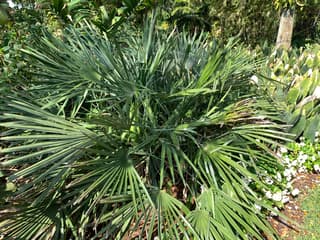
Needle Palm
Rhapidophyllum hystrix
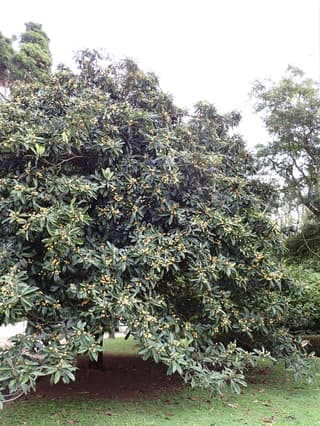
Loquat
Rhaphiolepis bibas
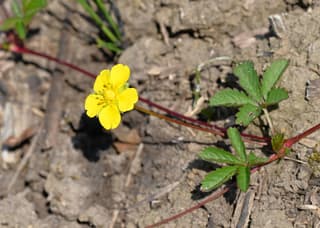
Creeping Cinquefoil
Potentilla reptans
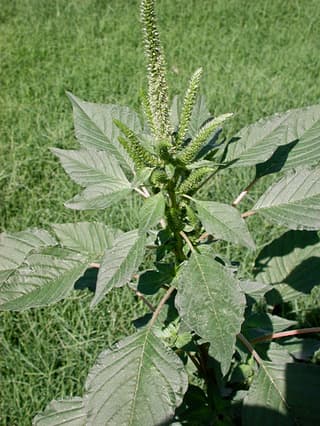
Palmer amaranth
Amaranthus palmeri
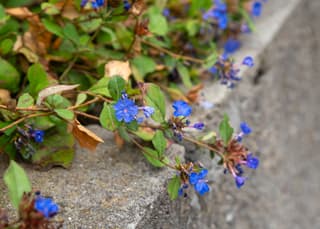
Hardy Plumbago
Ceratostigma plumbaginoides
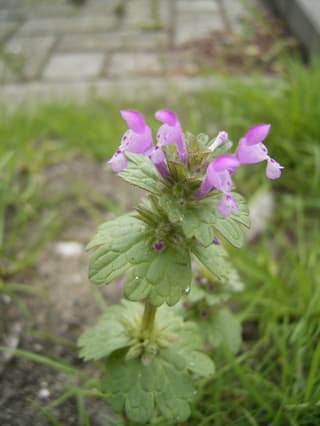
Henbit Dead-nettle
Lamium amplexicaule
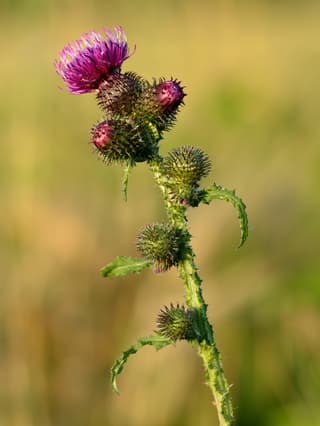
Thistle
Carduus
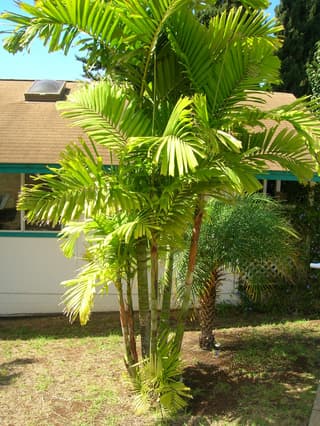
Macarthur Palm
Ptychosperma macarthurii
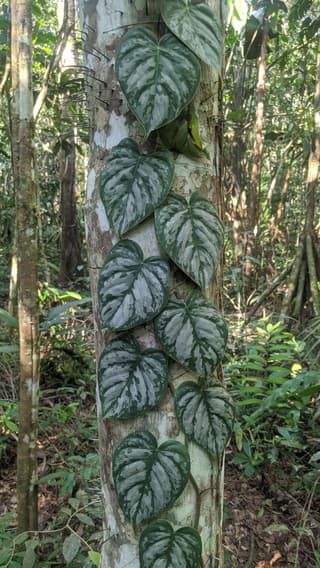
Silver Leaf Philodendron
Philodendron brandtianum
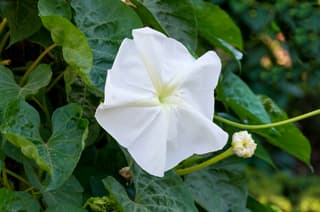
Moonflower
Ipomoea alba
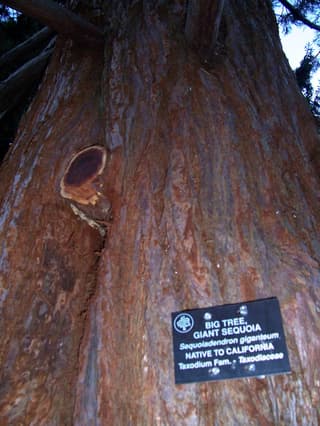
Giant Sequoia
Sequoiadendron giganteum
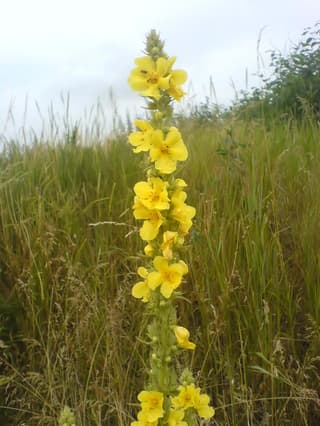
Denseflower Mullein
Verbascum densiflorum
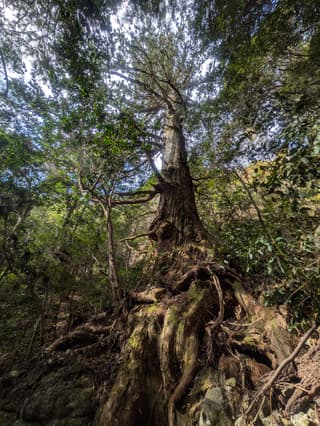
Japanese Cedar
Cryptomeria japonica
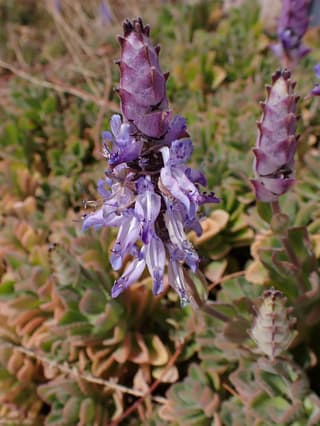
Scaredy Cat Plant
Coleus caninus
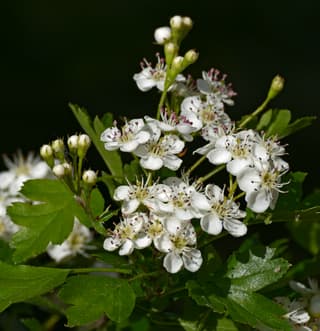
Common Hawthorn
Crataegus monogyna
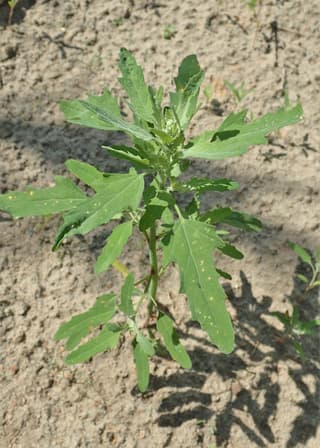
Fig-leaved Goosefoot
Chenopodium ficifolium
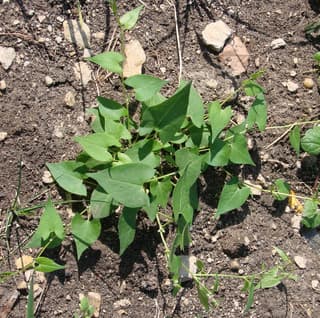
Black bindweed
Fallopia convolvulus
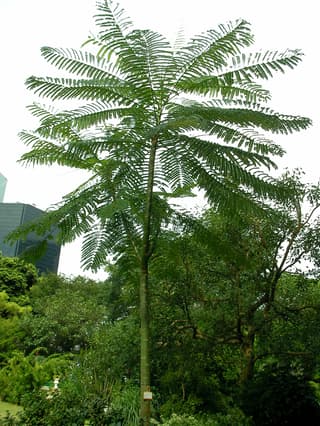
Brazilian Firetree
Schizolobium parahyba
Watauga Climate for Plant Growing
Watauga has a climate with an average annual temperature of 20.3°C and average relative humidity of 61.3%. These climate conditions are ideal for various species of ornamental and fruit plants.
Tips for Growing Plants in Watauga
To succeed in growing plants in Watauga, consider the average temperature of 20.3°C when choosing your species. The temperate climate allows you to grow a wide variety of species. Moderate humidity is ideal for most plants.
Why Choose Plants Adapted to the Local Climate?
Plants adapted to Watauga's climate require less care, consume less water, and are more likely to thrive. Our selection considers the compatibility between each species' needs and local climate conditions, including temperature (20.3°C) and humidity (61.3%).