500 Best Plants for Watauga | 2026 Guide
Discover the 500 ideal plants for Watauga's climate. Average temp: 20.3°C, Humidity: 61.3%.
Top 500 Plants for Watauga
Showing 1-36 of 500

Common Blanketflower
Gaillardia aristata
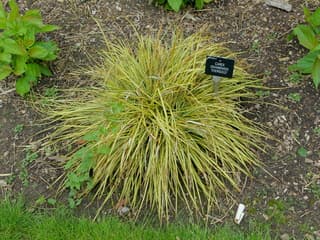
Japanese Sedge
Carex oshimensis
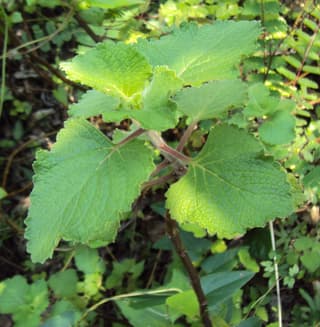
Hairy Coleus
Coleus hadiensis
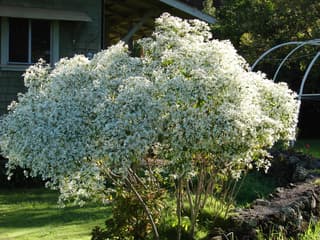
Snow bush
Euphorbia leucocephala
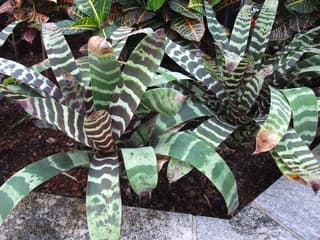
Flaming Sword
Lutheria splendens
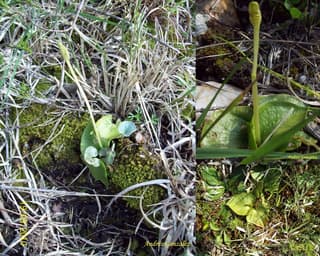
Bulbous Adder's-tongue
Ophioglossum crotalophoroides
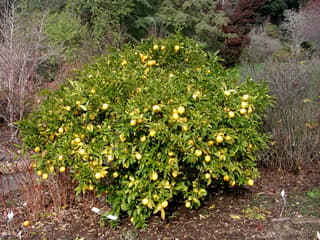
Lemon
Citrus limon
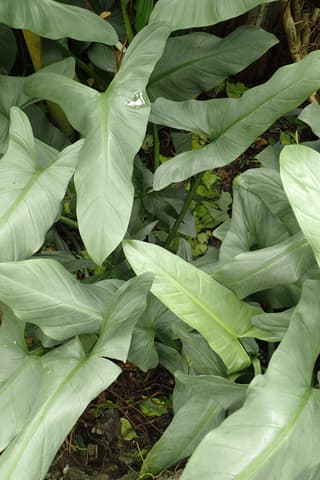
Spadeleaf Philodendron
Philodendron domesticum
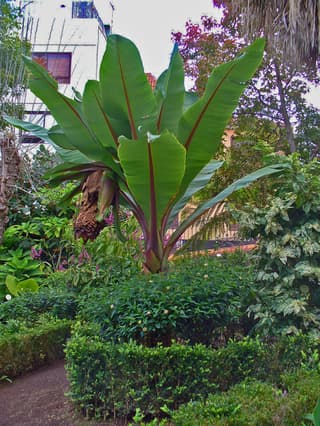
Abyssinian Banana
Ensete ventricosum
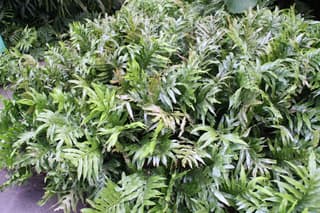
Wart Fern
Phymatosorus scolopendria
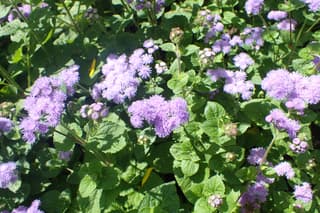
Floss Flower
Ageratum houstonianum
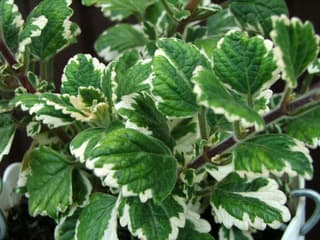
Candle Plant
Coleus paniculatus
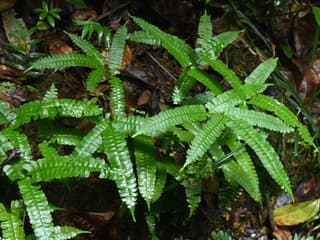
Necklace Fern
Lindsaea
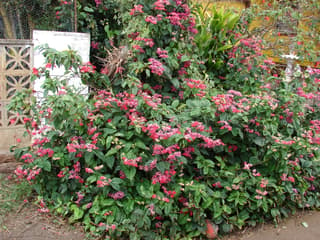
Red Bleeding Heart Vine
Clerodendrum × speciosum
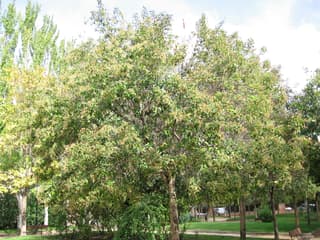
Japanese Privet
Ligustrum japonicum
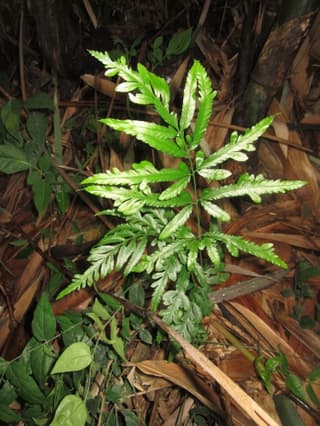
Silver Lace Fern
Pteris ensiformis
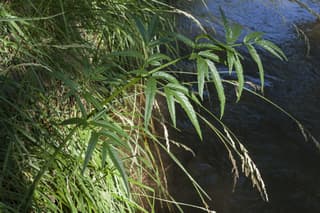
Water Hemlock
Cicuta
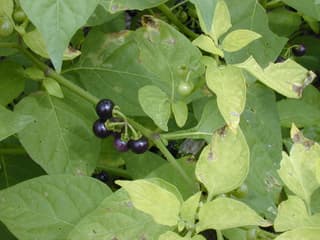
American Black Nightshade
Solanum americanum
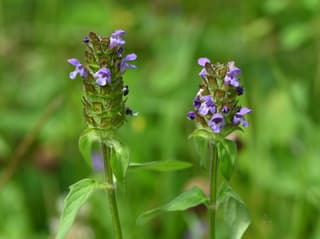
Self-Heal
Prunella vulgaris
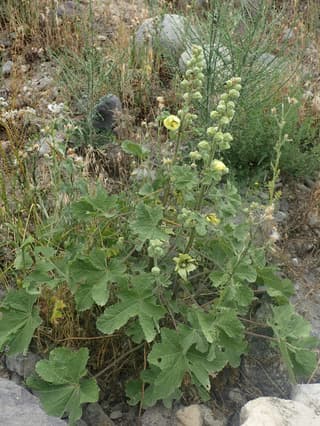
Russian Hollyhock
Alcea rugosa
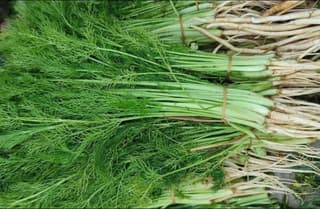
Fennel
Foeniculum vulgare
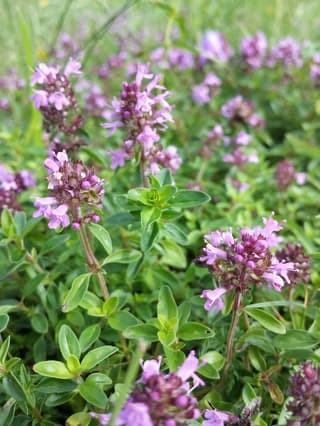
Broad-leaved Thyme
Thymus pulegioides
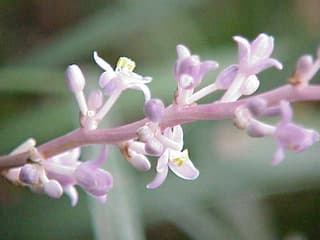
White Lilyturf
Ophiopogon jaburan
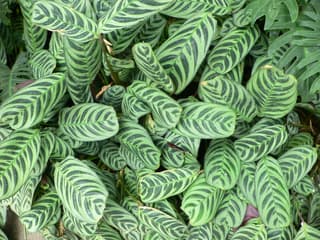
Fishbone Prayer Plant
Ctenanthe burle-marxii

Rougeplant
Rivina humilis
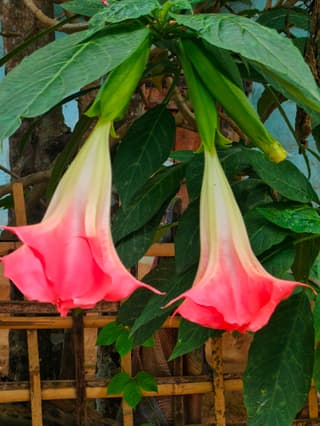
Angel's Trumpet
Brugmansia
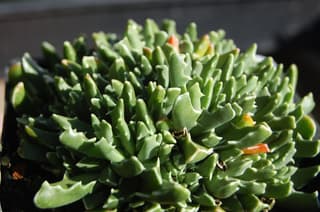
Tiger's Jaws
Faucaria bosscheana
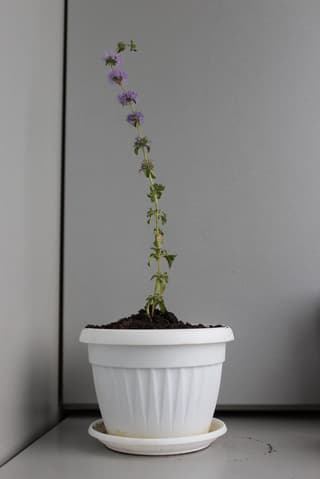
Pennyroyal
Mentha pulegium
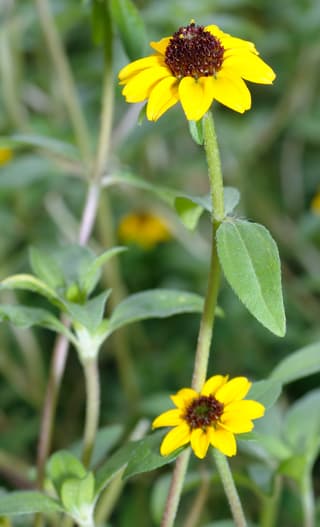
Creeping Zinnia
Sanvitalia procumbens
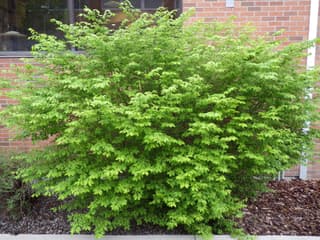
Burning Bush
Euonymus alatus
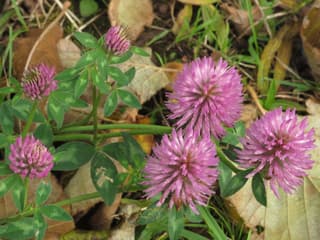
Red Clover
Trifolium pratense
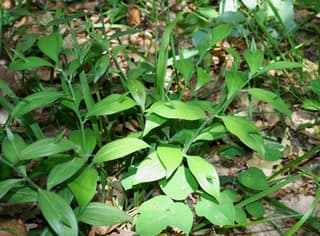
Spineless butcher's broom
Ruscus hypoglossum
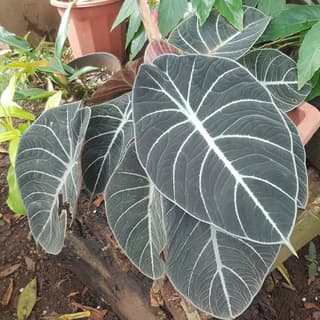
Black Velvet Alocasia
Alocasia reginula
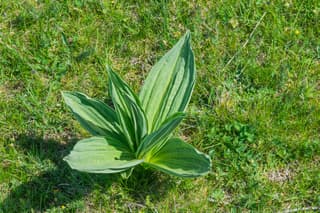
Gentian
Gentiana
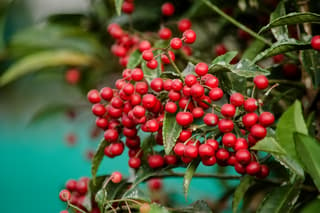
Coral Berry
Ardisia crenata
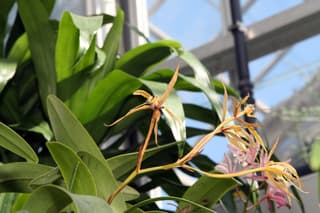
Fringed Star Orchid
Epidendrum ciliare
Watauga Climate for Plant Growing
Watauga has a climate with an average annual temperature of 20.3°C and average relative humidity of 61.3%. These climate conditions are ideal for various species of ornamental and fruit plants.
Tips for Growing Plants in Watauga
To succeed in growing plants in Watauga, consider the average temperature of 20.3°C when choosing your species. The temperate climate allows you to grow a wide variety of species. Moderate humidity is ideal for most plants.
Why Choose Plants Adapted to the Local Climate?
Plants adapted to Watauga's climate require less care, consume less water, and are more likely to thrive. Our selection considers the compatibility between each species' needs and local climate conditions, including temperature (20.3°C) and humidity (61.3%).