500 Best Plants for Zona Urbana de Celaya | 2026 Guide - Page 7
Discover the 500 ideal plants for Zona Urbana de Celaya's climate. Average temp: 19.7°C, Humidity: 55.2%.
Top 500 Plants for Zona Urbana de Celaya
Showing 217-252 of 500
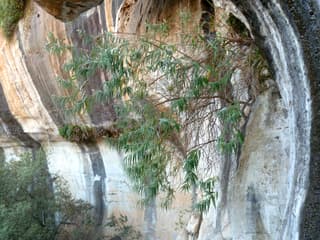
Sagewood
Buddleja salviifolia
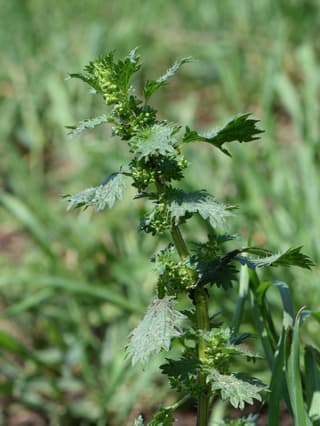
Small Nettle
Urtica urens
White Wizard Philodendron
Philodendron 'White Wizard'
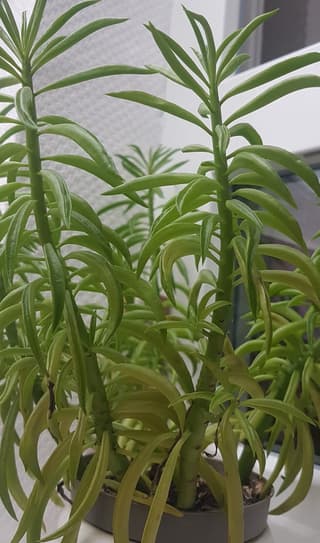
Happy Bean
Peperomia ferreyrae
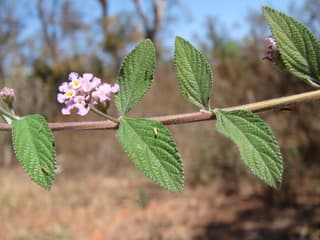
Bushy Lippia
Lippia alba
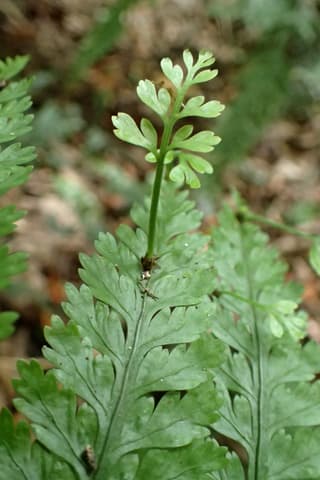
Hen and Chickens Fern
Asplenium bulbiferum
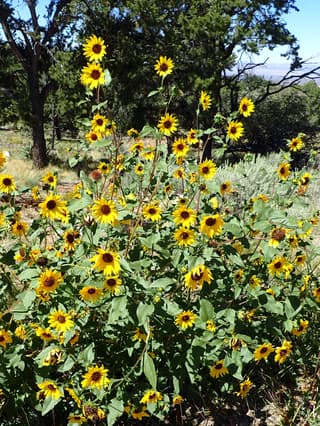
Prairie Sunflower
Helianthus petiolaris
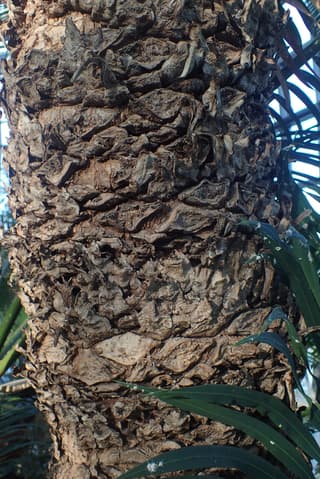
Queen Sago
Cycas rumphii
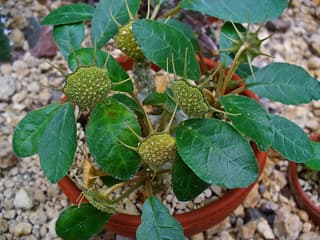
Shield Flower
Dorstenia
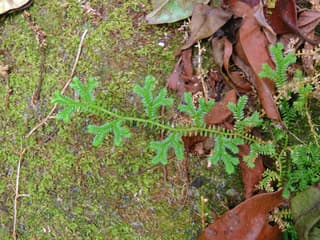
Spikemoss
Selaginella
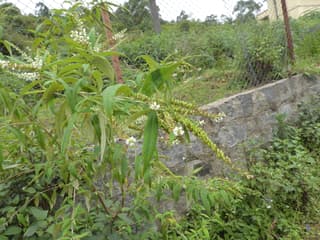
Chaste tree
Vitex
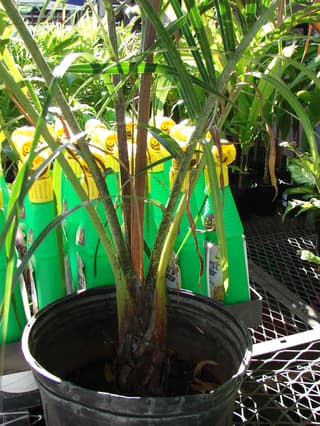
Triangle Palm
Dypsis decaryi
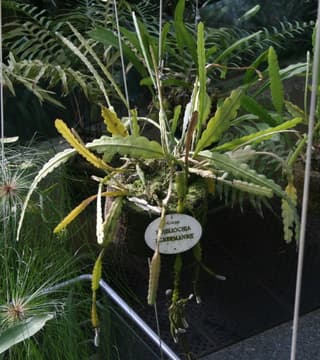
Orchid Cactus
Disocactus

Oak-Nymph-Leaved Primulina
Primulina dryas
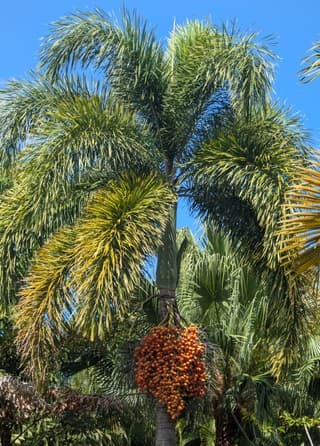
foxtail palm
Wodyetia
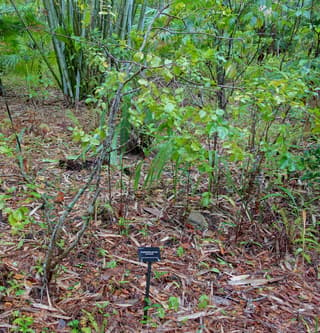
Black Ironwood
Krugiodendron ferreum
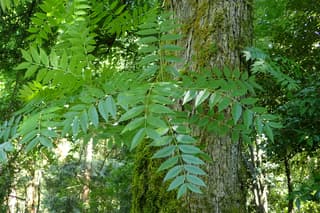
Chinese Pistache
Pistacia chinensis
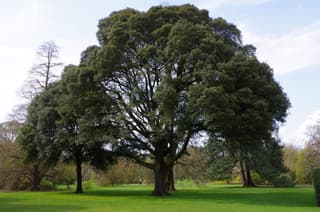
Holm Oak
Quercus ilex
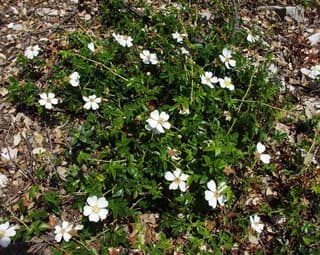
Evergreen Rose
Rosa sempervirens
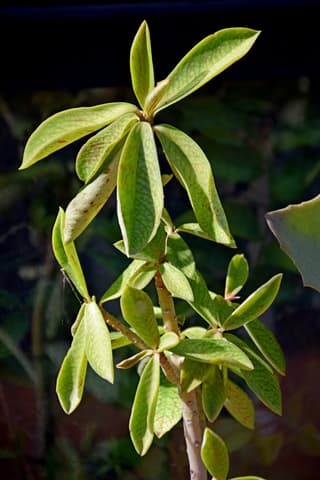
African Milk Bush
Euphorbia umbellata
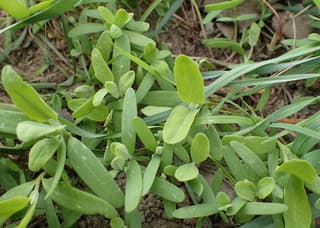
Common Orache
Atriplex patula
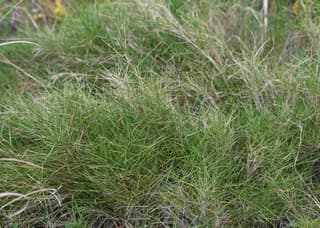
Mediterranean False Brome
Brachypodium retusum
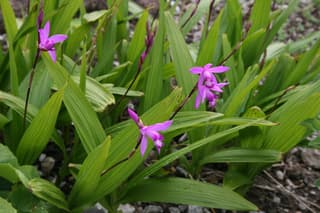
Chinese Ground Orchid
Bletilla striata
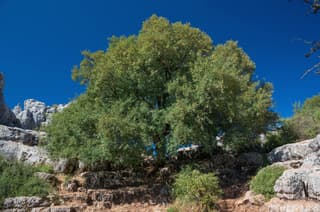
Montpellier maple
Acer monspessulanum
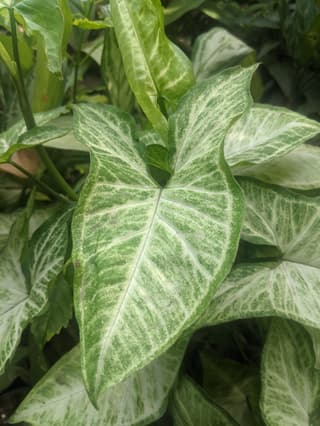
Arrowhead Vines
Syngonium
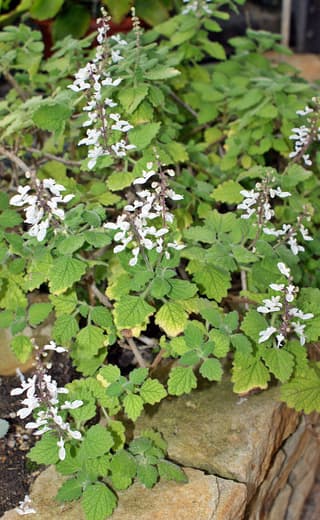
Madagascar Coleus
Coleus madagascariensis
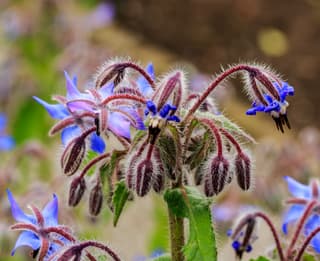
Borage
Borago officinalis

Iron Cross Oxalis
Oxalis tetraphylla
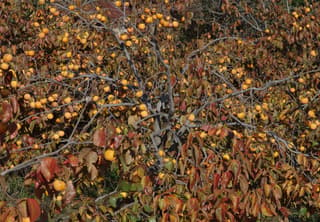
Japanese Persimmon
Diospyros kaki
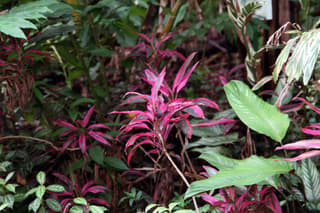
Ti Plant
Cordyline terminalis
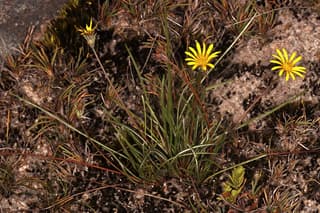
Treasure Flower
Gazania linearis
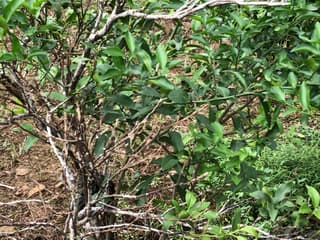
Kumquat
Citrus japonica
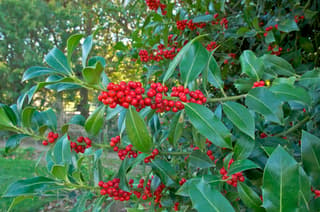
Holly
Ilex
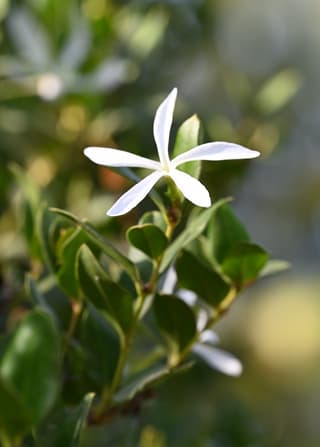
Natal Plum
Carissa macrocarpa
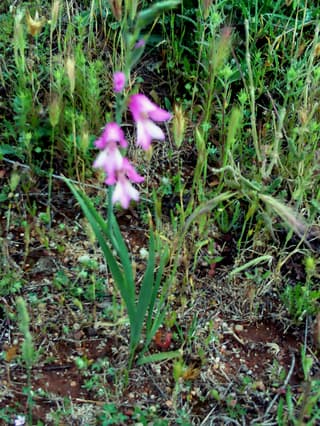
Eastern Gladiolus
Gladiolus communis
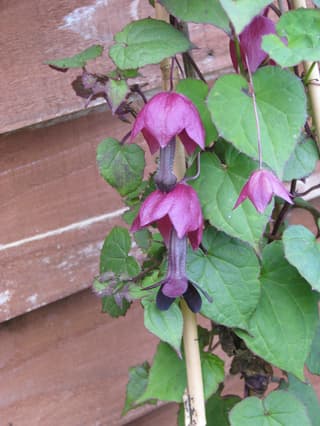
Purple Bells
Rhodochiton atrosanguineus
Zona Urbana de Celaya Climate for Plant Growing
Zona Urbana de Celaya has a climate with an average annual temperature of 19.7°C and average relative humidity of 55.2%. These climate conditions are ideal for various species of ornamental and fruit plants.
Tips for Growing Plants in Zona Urbana de Celaya
To succeed in growing plants in Zona Urbana de Celaya, consider the average temperature of 19.7°C when choosing your species. The temperate climate allows you to grow a wide variety of species. Moderate humidity is ideal for most plants.
Why Choose Plants Adapted to the Local Climate?
Plants adapted to Zona Urbana de Celaya's climate require less care, consume less water, and are more likely to thrive. Our selection considers the compatibility between each species' needs and local climate conditions, including temperature (19.7°C) and humidity (55.2%).