Complete Plant Guide
Explore plants by difficulty, season and more. Find the perfect plant for you.
Difficulty
Categories
Plants by City
🗺️ Plants by City3614 plants found
Showing 3601-3614 of 3614
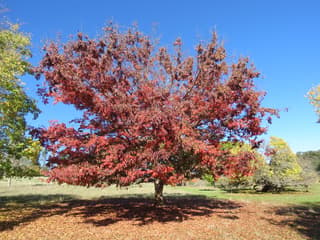
Japanese Zelkova
Zelkova serrata
Zelkova serrata, commonly known as Japanese Zelkova or Keaki, is a graceful deciduous tree native to Japan, China, and Korea. A member of the elm family (Ulmaceae), it is celebrated for its vase-shaped canopy, serrated leaves that turn brilliant shades of orange, red, and burgundy in autumn, and its distinctive honeycomb-patterned bark. Widely planted as an urban shade tree, it is also one of the most revered subjects in the art of bonsai.
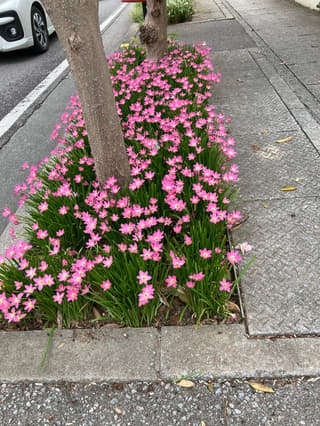
Pink Rain Lily
Zephyranthes rosea
Zephyranthes rosea, commonly known as the pink rain lily or Cuban zephyrlily, is a small bulbous perennial in the amaryllis family (Amaryllidaceae). Native to the Caribbean and parts of South America, it produces slender, grass-like dark green leaves and funnel-shaped, bright pink flowers with a green throat that emerge suddenly after heavy rains, typically in late summer. Growing only 15-20 cm tall, it forms dense clumps ideal for borders, rock gardens, and containers.
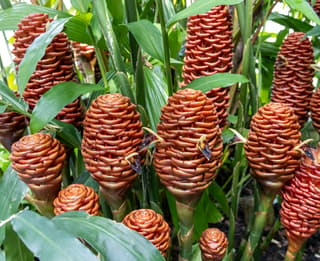
Ginger
Zingiber
Zingiber is the botanical genus of true ginger, in the family Zingiberaceae, native to tropical Asia. It comprises dozens of rhizomatous perennial herb species, cultivated for millennia for their aromatic, edible, and medicinal rhizomes. Plants form clumps of narrow, linear leaves rising from a fleshy underground rhizome, and produce cone-shaped flower spikes on separate stalks. This is a general genus-level profile representative of typical species such as Zingiber officinale (culinary ginger).
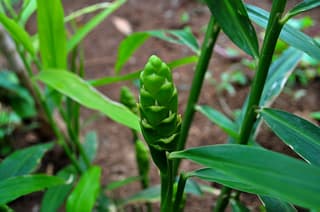
Ginger
Zingiber officinale
Ginger (Zingiber officinale) is a tropical rhizomatous herb in the family Zingiberaceae, cultivated for thousands of years for its aromatic, pungent rhizome used in cooking and traditional medicine.

Zinnia
Zinnia
Zinnia is a genus of annual flowering herbs in the daisy family (Asteraceae), native to Mexico and the southern United States. Prized for their bold, long-lasting blooms in single, semi-double, or double forms, zinnias flower profusely from summer through the first frost in colors ranging from red and orange to pink, yellow, purple, and white.
Narrow-leaf Zinnia
Zinnia angustifolia
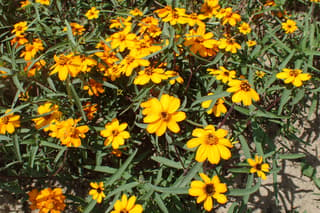
Zinnia angustifolia, commonly known as Narrow-leaf Zinnia or Mexican Zinnia, is a compact, heat-tolerant annual native to Mexico and the southwestern United States. It produces an abundance of cheerful single daisy-like flowers in white, orange, and yellow throughout summer and fall. Unlike its cousin Z. elegans, this species is highly resistant to powdery mildew, alternaria blight, and bacterial leaf spot, making it an exceptionally low-maintenance choice for sunny gardens, borders, and containers.
Common Zinnia
Zinnia elegans
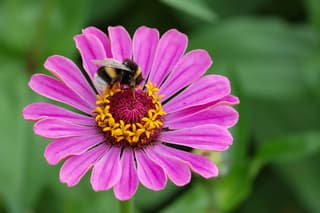
Zinnia elegans is an exuberantly flowering annual plant native to Mexico that produces vibrant blooms in a wide range of colors. One of the most popular summer flowers in gardens worldwide, it is celebrated for its ease of growth and spectacular flowering that attracts butterflies, hummingbirds, and bees.
Mexican Zinnia
Zinnia haageana
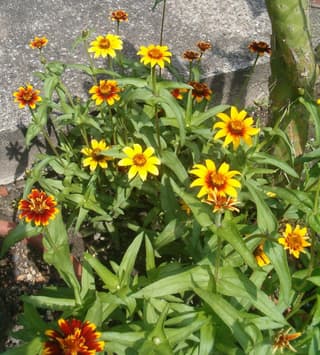
Zinnia haageana, commonly known as Mexican Zinnia or Narrowleaf Zinnia, is a compact annual native to Mexico. It produces an abundance of small, cheerful bicolor flowers in shades of orange, red, yellow, and gold throughout summer and fall. Unlike its cousin Zinnia elegans, this species features narrower leaves, smaller blooms under 1 inch in diameter, and exceptional heat, drought, and pest resistance. It is a favorite for borders, containers, pollinator gardens, and mass plantings.
Jujube
Ziziphus jujuba
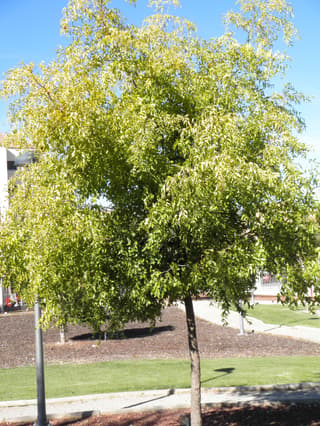
The Jujube (Ziziphus jujuba) is a deciduous fruit tree native to Asia, cultivated in China for over 10,000 years. It produces edible date-like fruits with a sweet flavor and recognized medicinal value. An exceptionally hardy plant, it tolerates drought, cold, and poor soils, thriving in hot, dry climates.

Eelgrass
Zostera marina
Zostera marina, common eelgrass, is a fully marine flowering plant — not a house or garden plant. It grows permanently submerged in seawater, anchored by creeping rhizomes in sandy or muddy sediment across bays, estuaries and shallow coasts of the Northern Hemisphere, typically from the intertidal zone down to about 6-10 m depth. Its dark-green, ribbon-shaped leaves are typically 20-50 cm long (reaching up to 1.2 m, exceptionally 2 m) and 2-12 mm wide, with internal air chambers (lacunae) that aid buoyancy. It is monoecious: tiny, petal-less male and female flowers form on the same plant and are pollinated by seawater currents (hydrophily), a pollination strategy shared by very few flowering plants. Besides seed reproduction, eelgrass spreads vegetatively through its rhizome, forming extensive underwater meadows. These meadows are ecologically critical: they act as nursery habitat for fish and invertebrates, stabilize coastal sediment, improve water quality, and store large amounts of "blue carbon". Historically, the Seri (Comcaac) people of the Gulf of California harvested eelgrass seeds and used them as a grain staple — the only known instance of a "sea grain" used as human food. The species is vulnerable to "wasting disease", caused by the marine protist Labyrinthula zosterae, which triggered one of the largest documented marine plant die-offs on record in the 1930s.
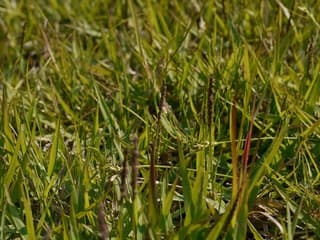
Zoysia Grass
Zoysia japonica
Zoysia grass (Zoysia japonica) is a warm-season perennial grass native to East Asia, widely used in residential lawns and sports fields. It forms a dense, uniform mat due to vigorous growth via rhizomes (underground stems) and stolons (above-ground stems), making it effective in weed control. It is slow-growing, which reduces mowing frequency, and exhibits excellent heat and drought tolerance. In colder climates, it loses its green color and turns golden/straw-colored during winter dormancy, regaining vigor in spring.

Manila Grass
Zoysia matrella
Zoysia matrella, commonly known as Manila grass, is a fine-textured warm-season turfgrass native to Southeast Asia. It forms a dense, soft, low-maintenance carpet highly valued in ornamental lawns, golf courses, and residential gardens in tropical and subtropical climates.
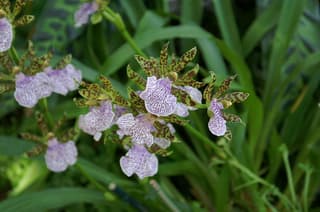
Zygopetalum Orchid (genus)
Zygopetalum
Zygopetalum is a genus of fragrant orchids native to South America, particularly Brazil. Known for their striking flowers in shades of burgundy, green, and violet with intricately patterned lips, they are among the few terrestrial orchids that thrive indoors.
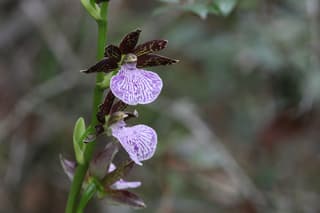
Spotted Zygopetalum
Zygopetalum maculatum
Zygopetalum maculatum is a fascinating Brazilian orchid, known for its contrasting flower colors and an intense fragrance reminiscent of hyacinth or pepper. It features oval pseudobulbs from which long, lanceolate leaves emerge. Its flowers display green petals and sepals with deep brown spots, highlighting a white lip with vibrant violet veins.
Find the Perfect Plant
Our plant guide helps you find ideal species for your experience level and time of year.
Browse by Difficulty, Season & More
Use the filters below to narrow this catalog by care difficulty, season, environment, or search directly by name. Each filter leads to a focused list tailored to your specific growing conditions.