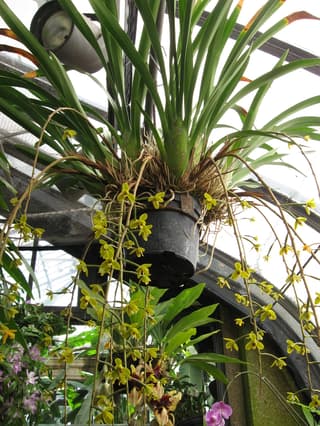
Orchid fleck virus: Viral Disease | Identification & Management
Orchid fleck virus (OFV) is a rhabdovirus that causes characteristic chlorotic or necrotic spots on orchid leaves. The virus is transmitted by tiny mites, and unfortunately, infected plants cannot be fully cured. Management focuses on preventing spread and eradicating pests.
Medium
30 days
What is Orchid fleck virus?
Orchid fleck virus is a viral condition with high severity that affects plants. Orchid fleck virus (OFV) is a rhabdovirus that causes characteristic chlorotic or necrotic spots on orchid leaves. The virus is transmitted by tiny mites, and unfortunately, infected plants cannot be fully cured. Management focuses on preventing spread and eradicating pests.
Orchid fleck virus is a viral disease with high severity that spreads at a moderate rate. Recovery typically takes approximately 30 days with proper treatment. It affects 1 plant species in our database. This condition is contagious and can spread between plants.
Not recommended to ignore early signs. Without early intervention, recovery can take twice as long. Without isolation, nearby plants can become infected within days.
🔍 What Are the Symptoms of Orchid fleck virus?
TLDR: Orchid fleck virus presents 4 main symptoms. Early identification is crucial for effective treatment.
Main Symptoms
- ! Small, yellowish or whitish spots on the leaves
- ! Elongated, necrotic brown streaks
- ! Premature leaf drop
- ! Stunted growth and distorted flowers
Visual Signs
❓ What Causes Orchid fleck virus in Plants?
- → Infection via Brevipalpus mites
- → Use of contaminated cutting tools
- → Introduction of a new, diseased plant into the collection
💊 How to Treat Orchid fleck virus?
Step by Step
- 1
Isolate the infected plant
- 2
Disinfect all gardening tools
- 3
Eradicate mites from the plant
- 4
Monitor the condition of neighboring plants
🧪 Natural vs Chemical: Which Treatment Works for Orchid fleck virus?
🌱 Natural Solutions
- ✓ Neem oil wash to combat mites
- ✓ Soapy water wipe to remove pests
- ✓ Immediate removal of infected leaves
💉 Chemical Solutions
- ✓ Use of acaricides against vectors
- ✓ Disinfection of tools with isopropyl alcohol
🛡️ How to Prevent Orchid fleck virus?
TLDR: Prevent Orchid fleck virus with 4 essential care practices. Regular monitoring is key for early detection.
- ✓ Always disinfect shears before use
- ✓ Keep spider mites and other pests away
- ✓ Quarantine new plants for at least one month
- ✓ Regularly inspect the undersides of leaves
🔗Related Diseases
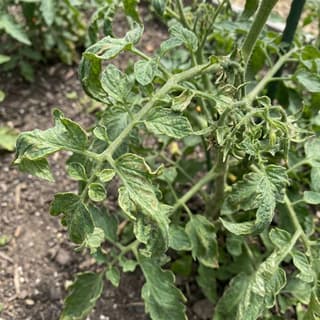
Leaf Curl Virus
HighLeaf curl virus is a serious viral disease caused by begomoviruses, transmitted by whiteflies (Bemisia tabaci). It affects various plants including tomatoes, peppers, and ornamentals, causing significant yield losses and plant decline. Once infected, plants cannot be cured and management focuses on prevention and vector control.
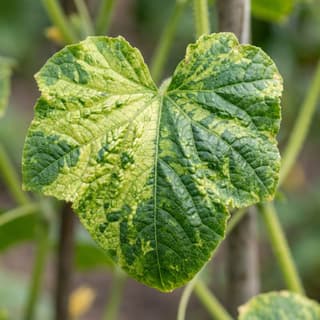
Mosaic Virus
HighMosaic virus is a group of plant viruses that cause mottled, patchy patterns on leaves and can affect a wide variety of plants. The virus creates characteristic yellow, white, and green mosaic patterns, often accompanied by stunted growth and deformed plant parts. This highly contagious disease spreads rapidly through insect vectors and contaminated tools.
Amaranth Mosaic Virus
MediumThis is a viral disease typically spread by aphids or contaminated tools. It causes yellow and green mottling on leaves, deformities, and stunted plant growth. There is no direct chemical treatment for the virus, making prevention and insect control essential.
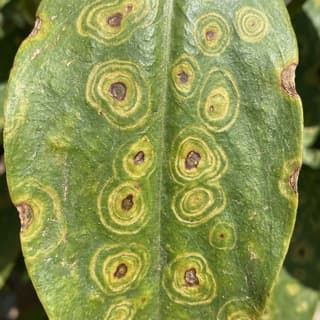
Ringspot Virus
HighRingspot virus is a viral disease affecting various plant species, causing distinctive circular or ring-shaped chlorotic patterns on leaves and fruits. Transmitted primarily by aphids, nematodes, or through contaminated tools, this virus cannot be cured and infected plants must be managed carefully to prevent spread. The virus weakens plants, reduces yield, and can spread rapidly in gardens if not properly contained.