294 Best Succulents for Anápolis | 2026 Guide - Page 6
The 294 best succulents to grow in Anápolis. Ideal climate: 22.3°C, 64.7% humidity.
294 Succulents for Anápolis
Showing 181-216 of 294
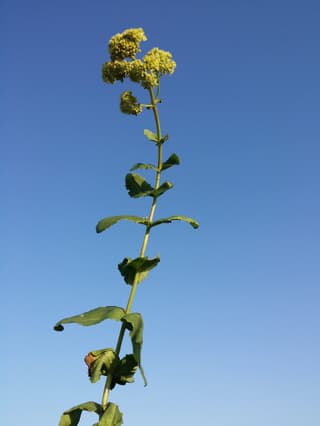
Great Stonecrop
Hylotelephium maximum
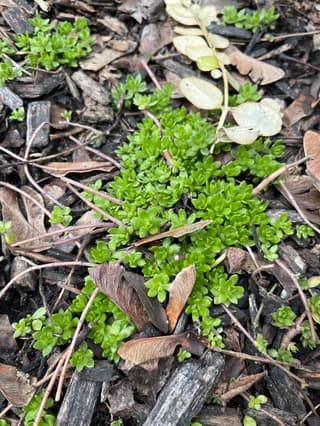
Stringy Stonecrop
Sedum sarmentosum

Sim's Aeonium
Aeonium simsii
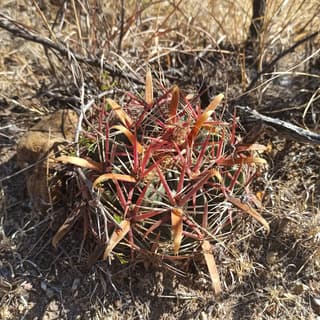
Devils Tongue Cactus
Ferocactus latispinus
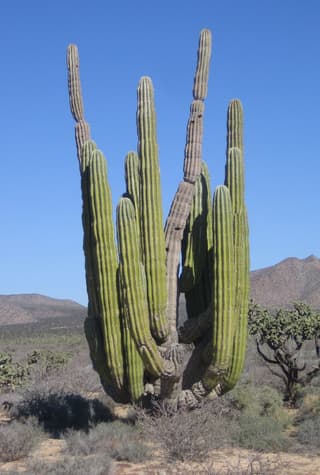
Mexican giant cardón
Pachycereus pringlei
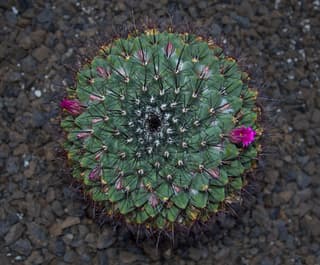
Saltillo Pincushion Cactus
Mammillaria winterae
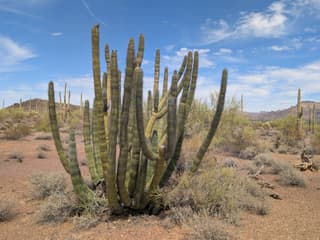
Organ Pipe Cactus
Stenocereus
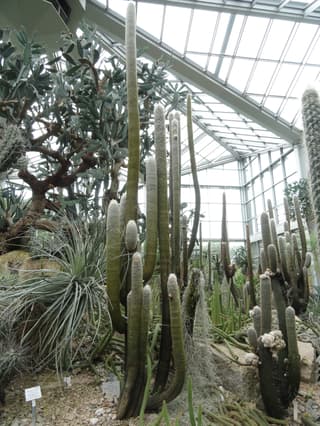
Old Man Cactus
Espostoa lanata
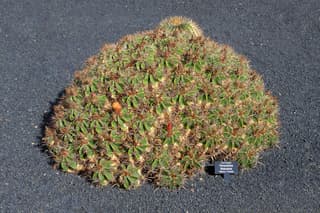
Barrel Cactus
Ferocactus
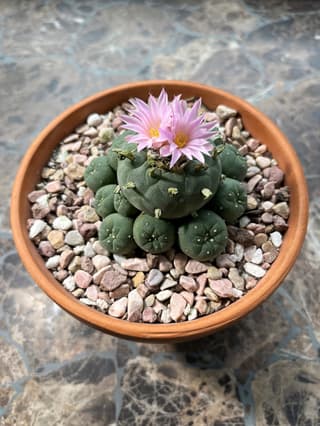
Peyote
Lophophora williamsii
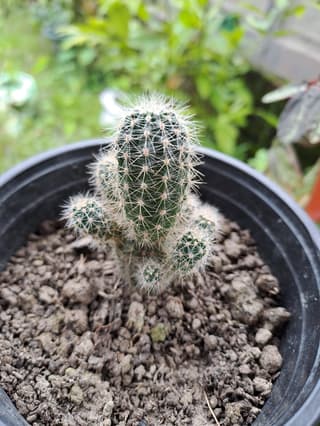
Sea Urchin Cactus
Echinopsis tubiflora
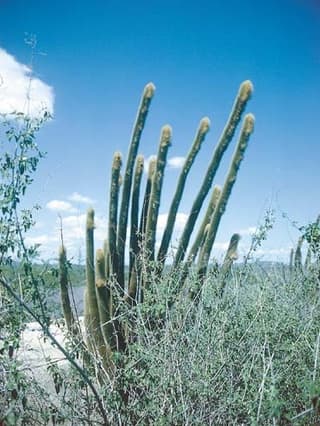
Brazilian Cactus
Pilosocereus chrysostele
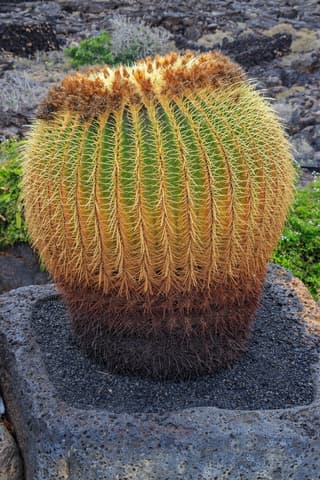
Golden Barrel Cactus
Echinocactus grusonii
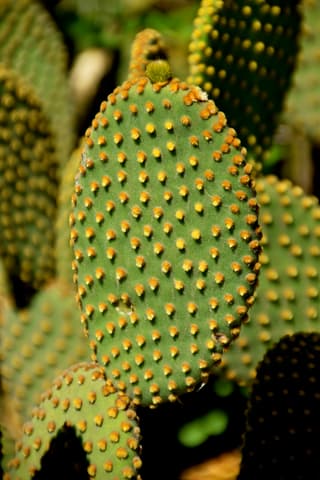
Bunny Ears Cactus
Opuntia microdasys
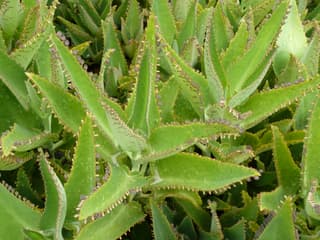
Mother of Thousands
Kalanchoe daigremontiana
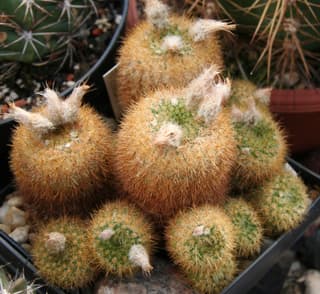
Dwarf Frailea
Frailea pumila
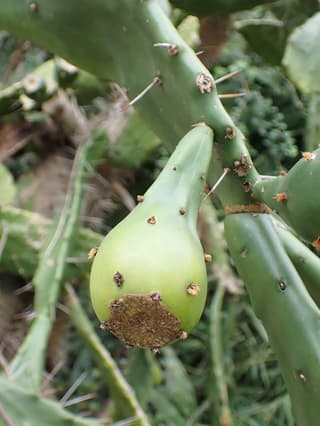
Drooping Prickly Pear
Opuntia monacantha
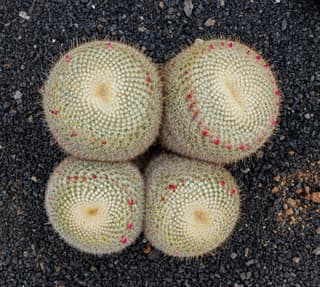
Pincushion Cactus / Nipple Cactus (genus)
Mammillaria
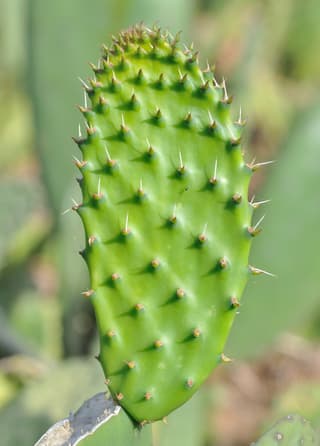
Prickly Pear
Opuntia ficus-indica
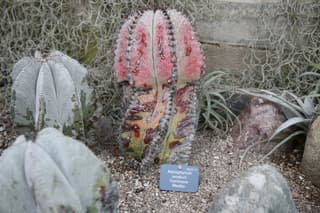
Monk's Hood Cactus
Astrophytum ornatum
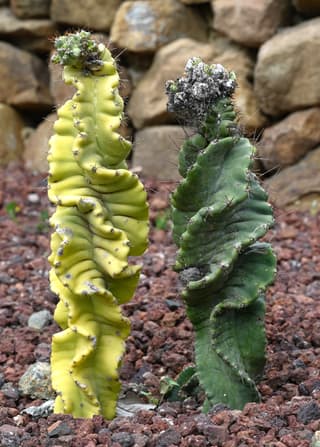
Spiral Cactus
Cereus forbesii 'Spiralis'
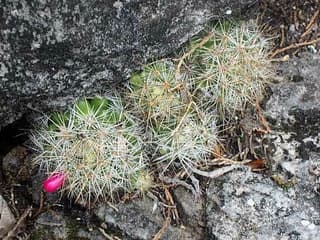
Golden Stars Cactus
Mammillaria vetula

White Head Cactus
Espostoopsis dybowskii

Brain Cactus
Echinofossulocactus multicostatus

Chilean Cacti
Eriosyce
Verschaffelt Tephrocactus
Tephrocactus verschaffeltii
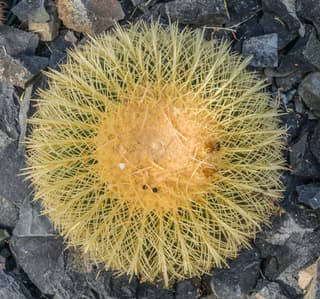
Golden Barrel Cactus
Kroenleinia grusonii
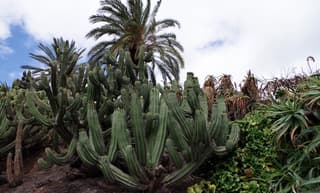
Chichipe Cactus
Polaskia chichipe
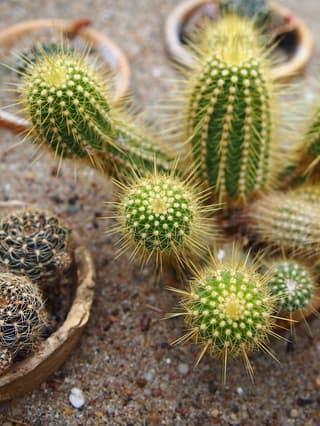
Red Torch Cactus
Echinopsis huascha
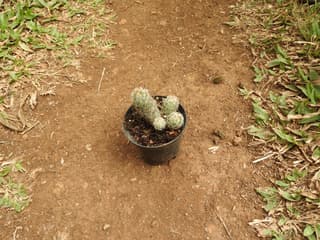
Ladyfinger Cactus
Mammillaria elongata
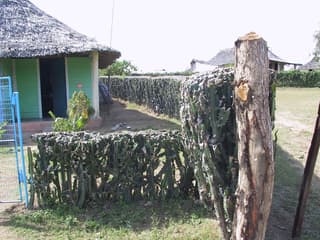
Fairy Castle Cactus
Acanthocereus tetragonus
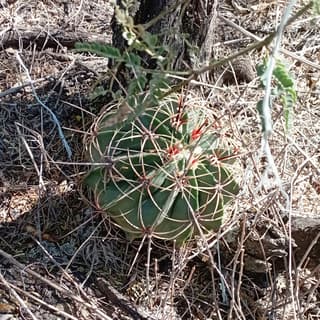
Mexican Barrel Cactus
Ferocactus histrix
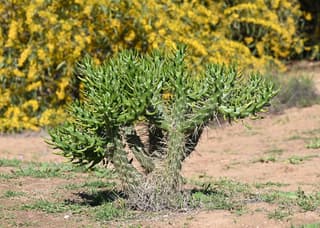
Eve's Needle Cactus
Austrocylindropuntia subulata
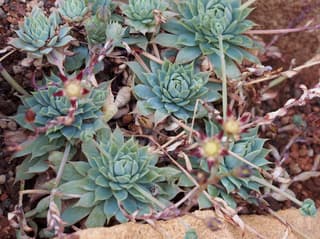
MacDougall's Stonecrop
Graptopetalum macdougallii
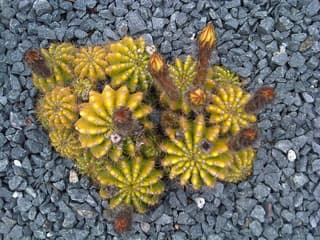
Green Ball Cactus
Echinopsis calochlora
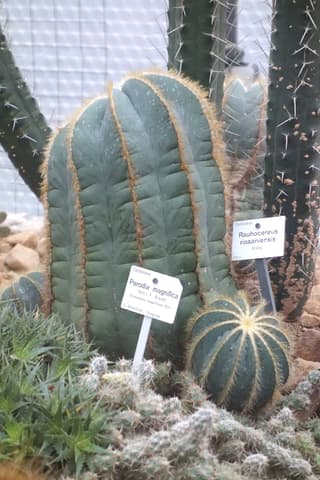
Parodia / Ball Cactus (genus)
Parodia
Ideal Succulents for Anápolis's Climate
Anápolis has an average temperature of 22.3°C and humidity of 64.7%, conditions that directly influence which succulents best adapt to the local environment.
How to Grow Succulents in Anápolis
To successfully grow succulents in Anápolis, consider that the average temperature of 22.3°C and humidity of 64.7% create a specific microclimate. Moderate humidity is favorable for most species in this category.
Advantages of Choosing Adapted Succulents
Succulents adapted to Anápolis's climate show greater resistance, healthy growth, and less need for interventions.