500 Best Plants for Angra dos Reis | 2026 Guide - Page 7
Discover the 500 ideal plants for Angra dos Reis's climate. Average temp: 23.6°C, Humidity: 82%.
Top 500 Plants for Angra dos Reis
Showing 217-252 of 500
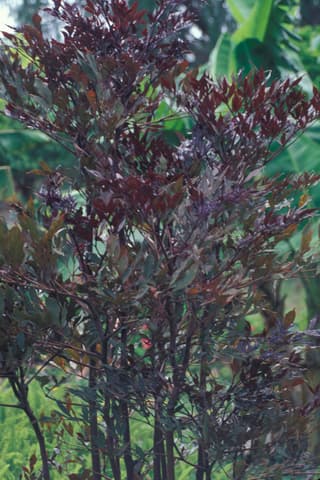
Red Leea
Leea guineensis
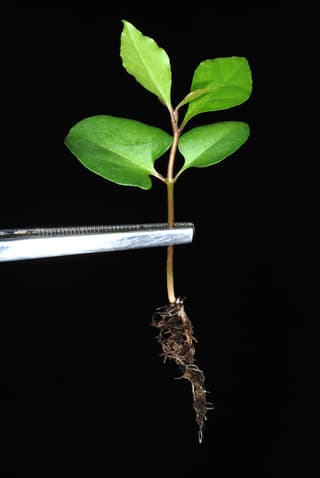
Pull-and-hold
Pisonia aculeata
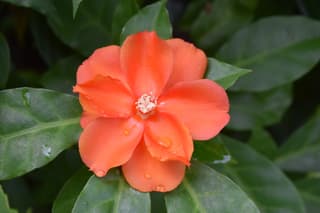
Leaf Cactus
Leuenbergeria
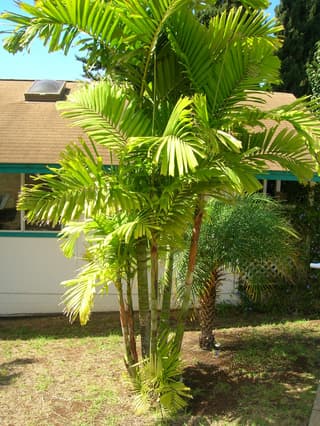
Macarthur Palm
Ptychosperma macarthurii
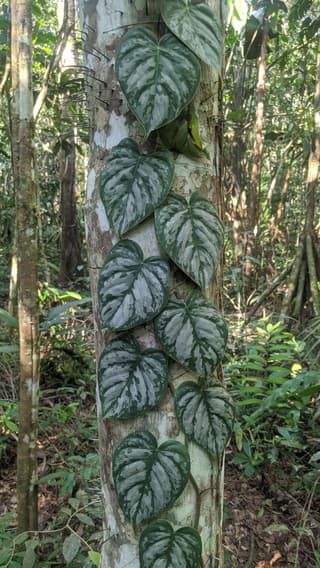
Silver Leaf Philodendron
Philodendron brandtianum
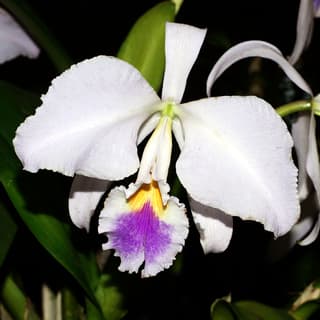
Mendel's Cattleya
Cattleya mendelii
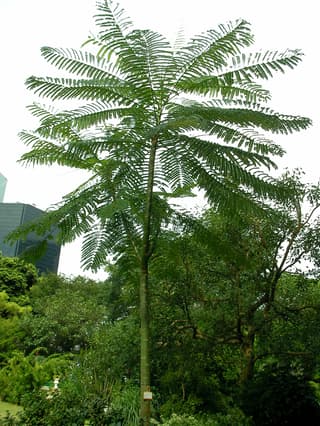
Brazilian Firetree
Schizolobium parahyba
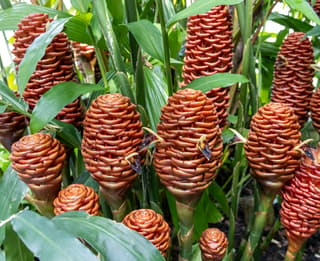
Ginger
Zingiber
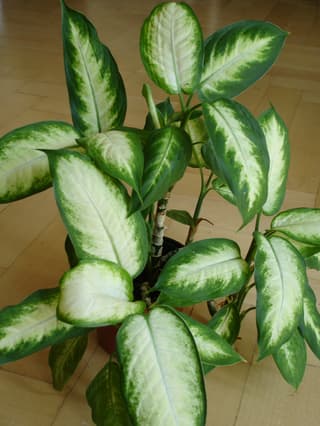
Bowmann Dumb Cane
Dieffenbachia bowmannii
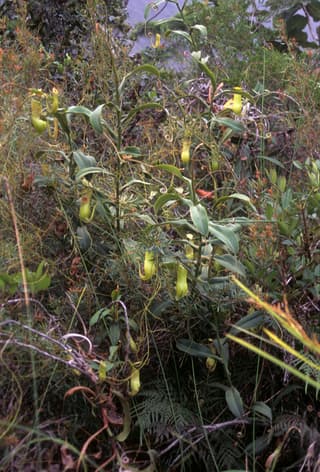
New Caledonia Pitcher Plant
Nepenthes vieillardii
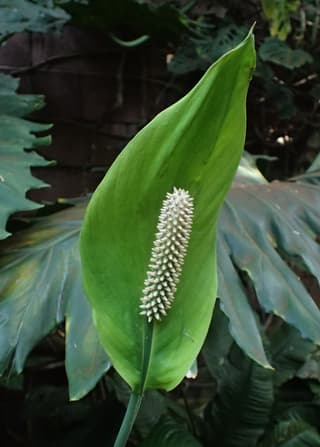
Peace Lily
Spathiphyllum blandum
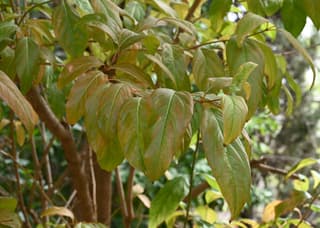
Fiddlewood
Citharexylum spinosum
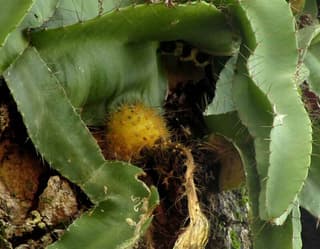
Dog-tail Cactus
Deamia testudo
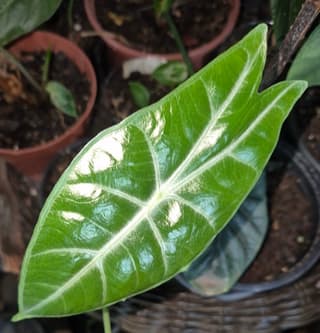
Dragon Scale Alocasia
Alocasia longiloba
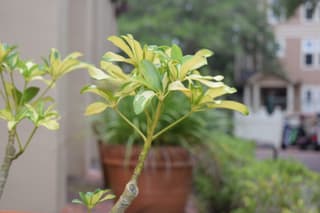
Umbrella Tree
Heptapleurum
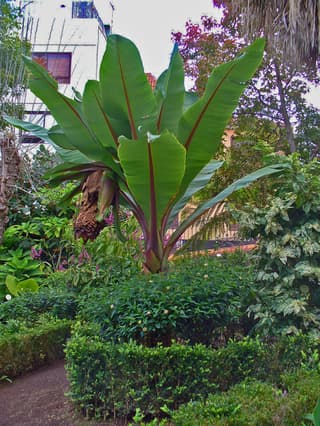
Abyssinian Banana
Ensete ventricosum
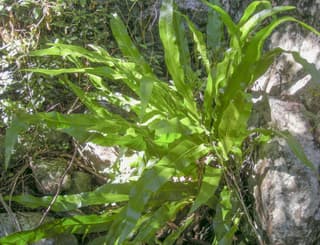
Fishtail Fern
Microsorum punctatum
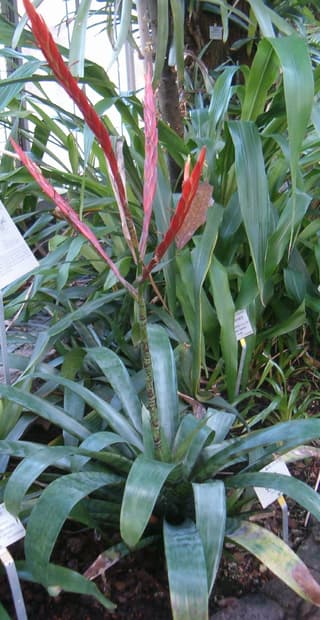
Flaming Sword Bromeliad
Lutheria
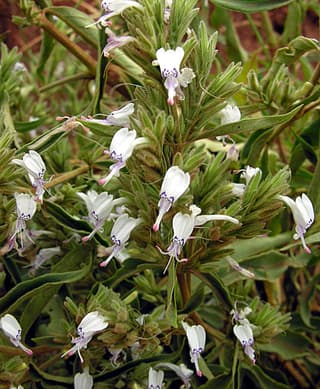
White Ribbon Bush
Hypoestes forskaolii
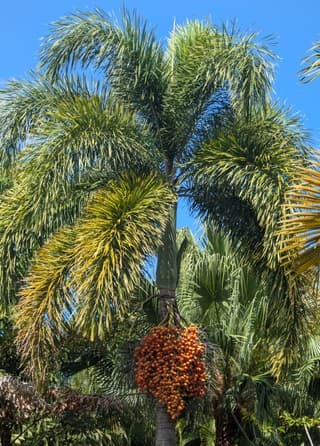
foxtail palm
Wodyetia
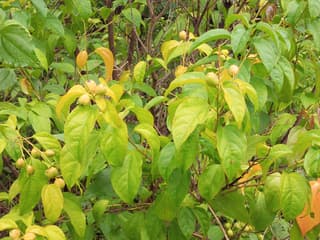
Croton
Croton
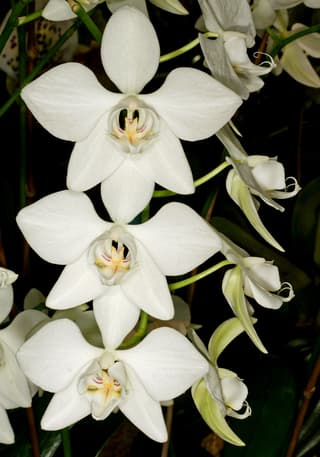
Moth Orchid
Phalaenopsis aphrodite
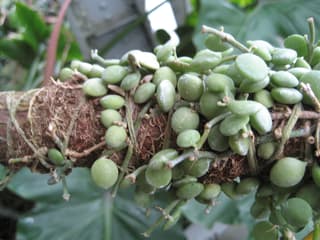
String of Nickels
Dischidia nummularia
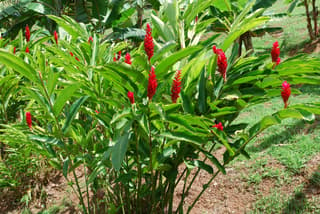
Red Ginger
Alpinia purpurata
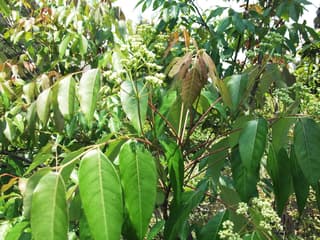
Catuaba
Trichilia
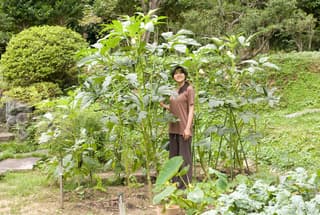
Okra
Abelmoschus esculentus
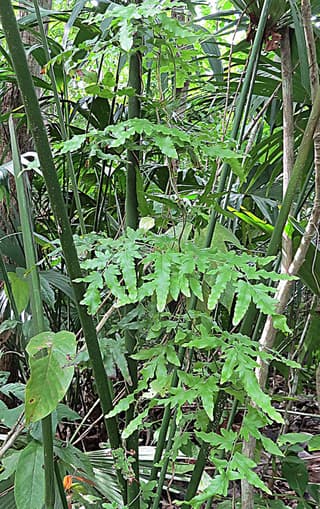
Climbing Fern
Lygodium venustum
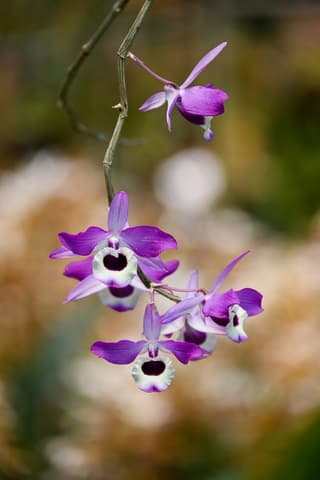
Dendrobium Orchid (genus)
Dendrobium
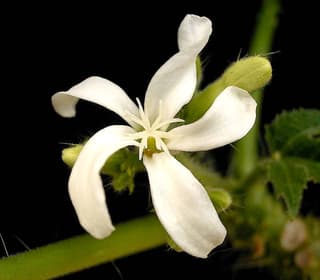
Bull Nettle
Cnidoscolus
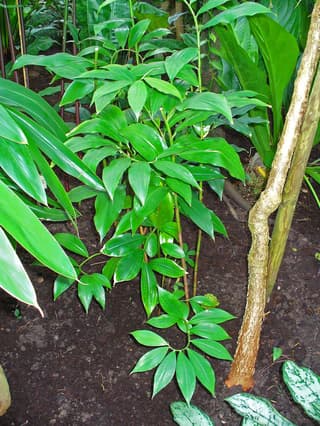
Crepe Ginger
Hellenia speciosa
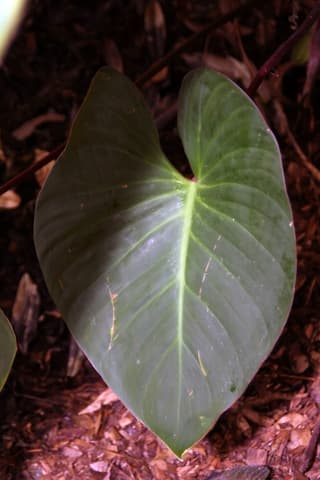
Homalomena
Homalomena
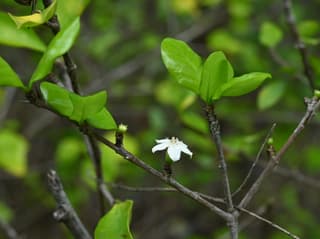
White Indigoberry
Randia aculeata
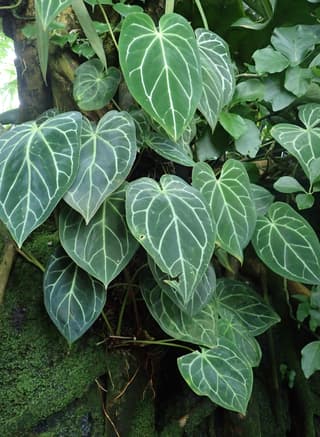
Magnificent Anthurium
Anthurium magnificum
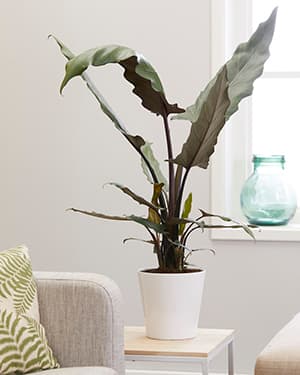
Purple Sword
Alocasia lauterbachiana
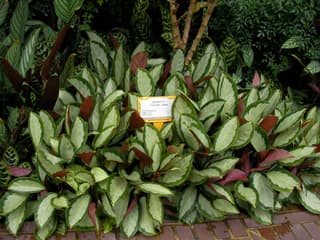
Calathea Picturata
Goeppertia picturata
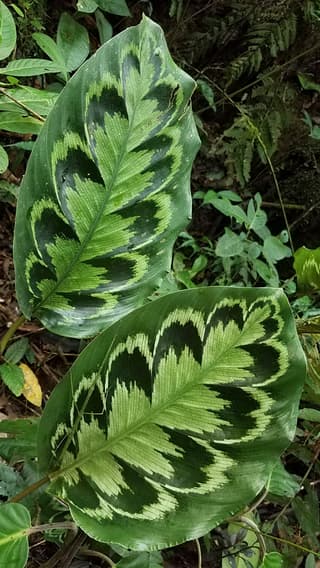
Medallion Calathea
Goeppertia veitchiana
Angra dos Reis Climate for Plant Growing
Angra dos Reis has a climate with an average annual temperature of 23.6°C and average relative humidity of 82%. These climate conditions are ideal for various species of ornamental and fruit plants.
Tips for Growing Plants in Angra dos Reis
To succeed in growing plants in Angra dos Reis, consider the average temperature of 23.6°C when choosing your species. The temperate climate allows you to grow a wide variety of species. High humidity favors tropical plants, but watch for fungal issues.
Why Choose Plants Adapted to the Local Climate?
Plants adapted to Angra dos Reis's climate require less care, consume less water, and are more likely to thrive. Our selection considers the compatibility between each species' needs and local climate conditions, including temperature (23.6°C) and humidity (82%).