500 Best Easy Care for Cachoeira do Sul | 2026 Guide - Page 12
The 500 best easy care to grow in Cachoeira do Sul. Ideal climate: 20.1°C, 76.1% humidity.
500 Easy Care for Cachoeira do Sul
Showing 397-432 of 500
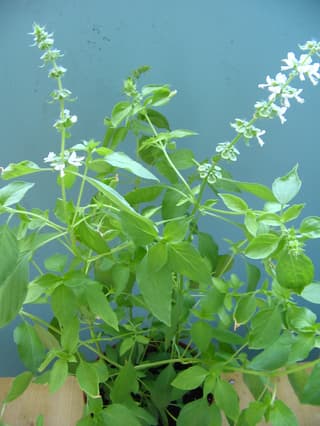
Lemon Basil
Ocimum × citriodorum
Pearls and Jade Pothos
Epipremnum aureum 'Pearls and Jade'
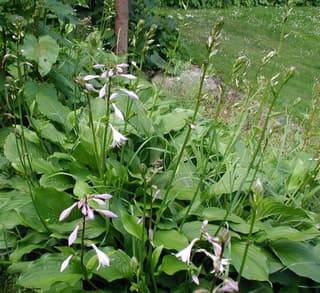
Fortune's Hosta
Hosta fortunei
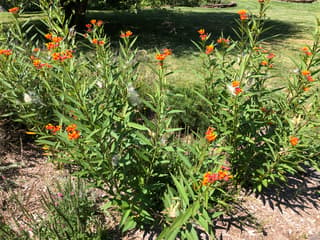
Tropical Milkweed
Asclepias curassavica
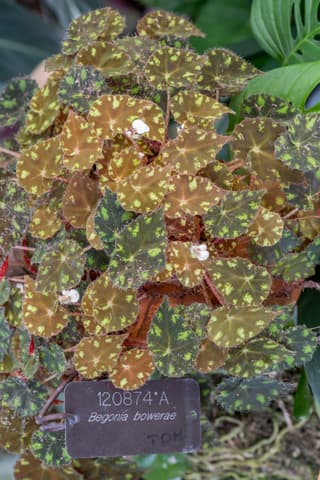
Eyelash Begonia
Begonia bowerae
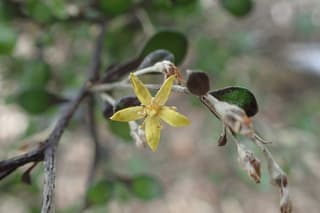
Wire-netting Bush
Corokia cotoneaster
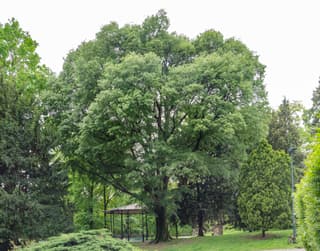
European Nettle Tree
Celtis australis
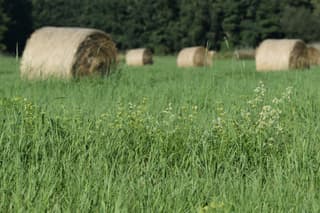
White Bedstraw
Galium album
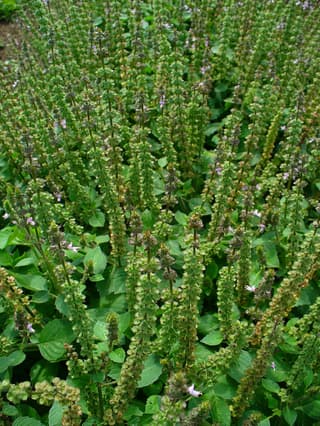
Hoary Basil
Ocimum americanum
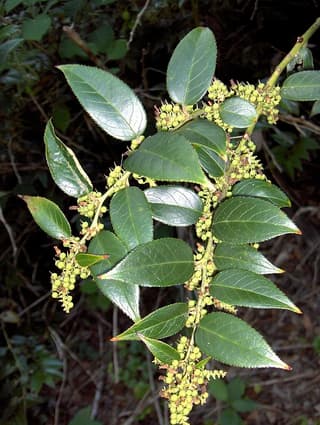
Fetterbush
Leucothoe fontanesiana
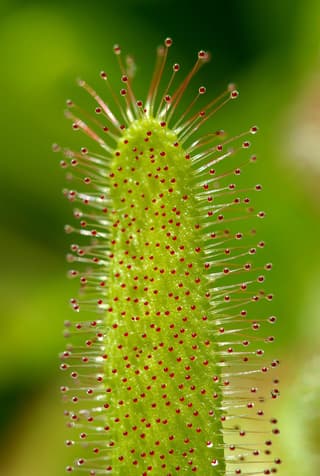
Cape Sundew
Drosera capensis
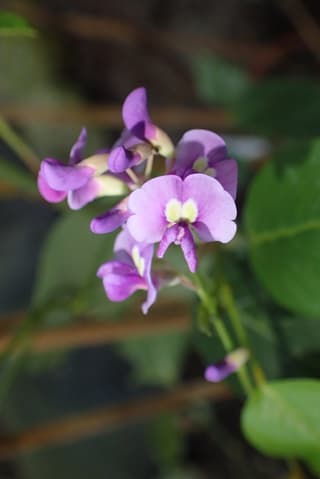
Purple Coral Pea
Hardenbergia violacea
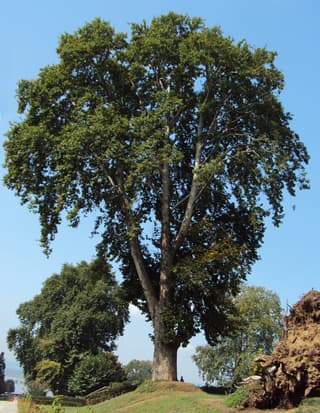
Oriental Plane
Platanus orientalis
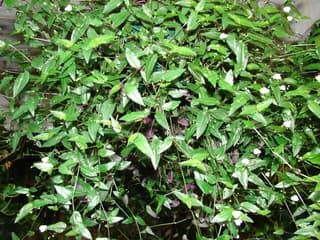
Tahitian Bridal Veil
Gibasis geniculata
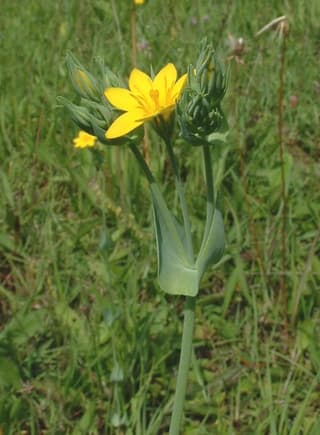
Yellow-wort
Blackstonia perfoliata
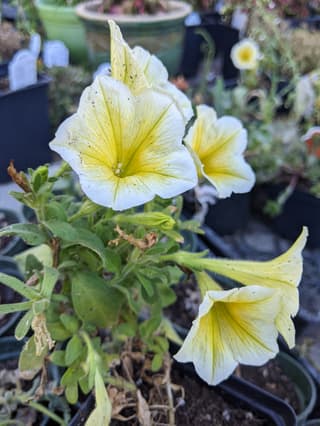
Garden Petunia
Petunia x hybrida
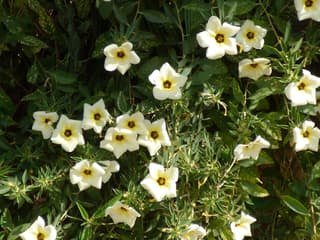
White Buttercup
Turnera subulata
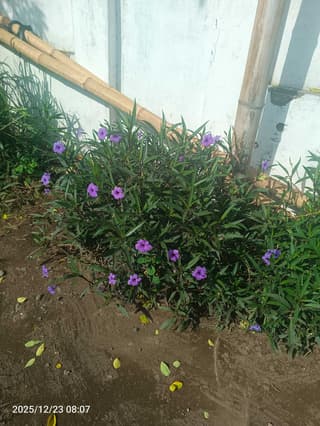
Wild Petunia
Ruellia
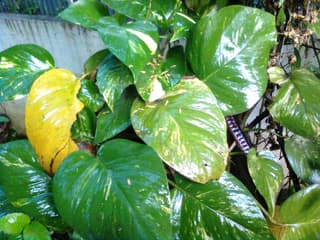
Golden Pothos
Epipremnum aureum
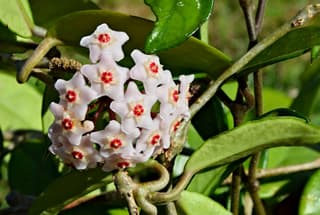
Wax Plant
Hoya carnosa
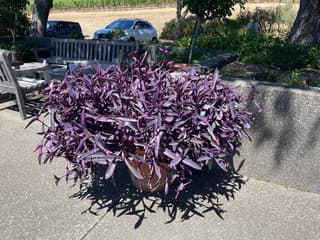
Inch Plant
Tradescantia zebrina
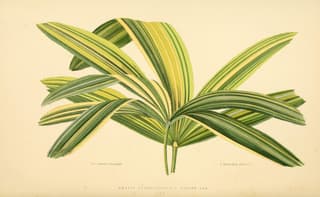
Lady Palm
Rhapis excelsa
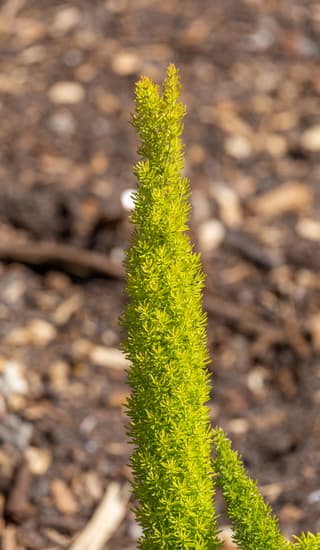
Asparagus Fern
Asparagus densiflorus
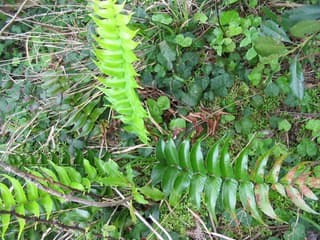
Japanese Holly Fern
Cyrtomium falcatum
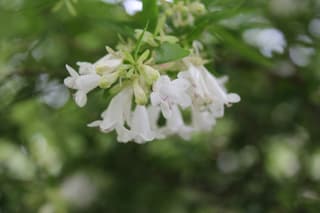
Glossy Abelia
Abelia x grandiflora
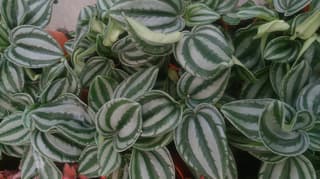
Watermelon Peperomia
Peperomia argyreia
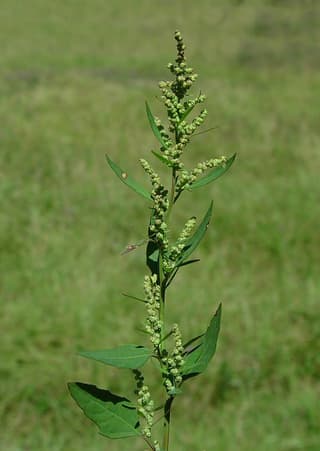
Goosefoot
Chenopodium
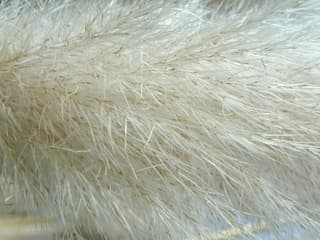
Pampas Grass
Cortaderia selloana
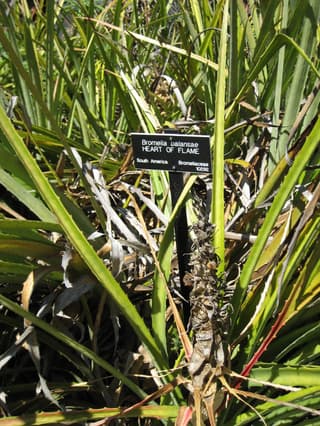
Heart of Flame
Bromelia balansae
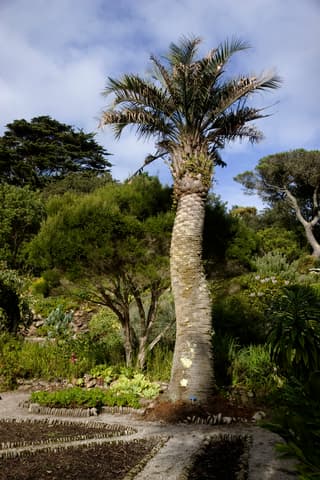
Pindo Palm
Butia capitata
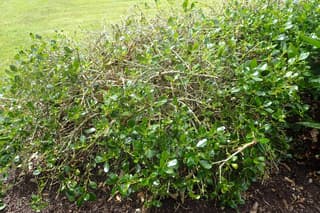
Mirror Plant
Coprosma repens
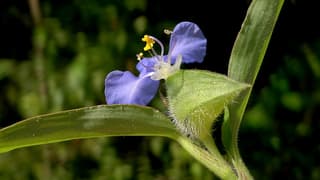
Whitemouth Dayflower
Commelina erecta
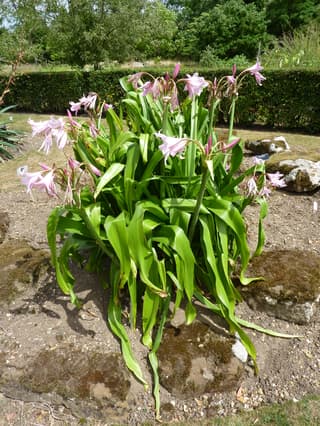
Powell's Crinum Lily
Crinum x powellii
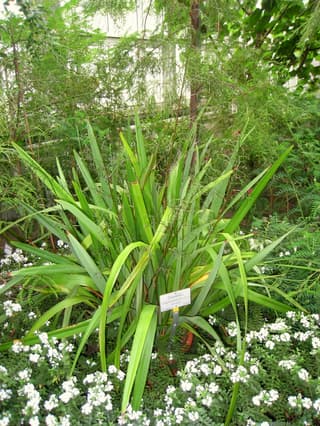
Tasman Flax Lily
Dianella tasmanica
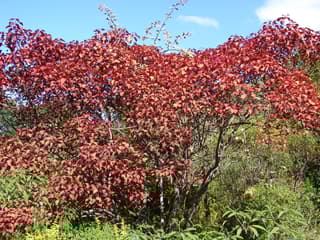
Caribbean Copper Plant
Euphorbia cotinifolia
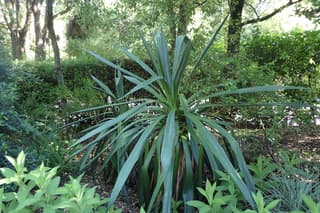
Mauritius Hemp
Furcraea foetida
Ideal Easy Care for Cachoeira do Sul's Climate
Cachoeira do Sul has an average temperature of 20.1°C and humidity of 76.1%, conditions that directly influence which easy care best adapt to the local environment.
How to Grow Easy Care in Cachoeira do Sul
To successfully grow easy care in Cachoeira do Sul, consider that the average temperature of 20.1°C and humidity of 76.1% create a specific microclimate. High humidity favors tropical species, but requires attention to ventilation to prevent fungal issues.
Advantages of Choosing Adapted Easy Care
Easy Care adapted to Cachoeira do Sul's climate show greater resistance, healthy growth, and less need for interventions.