500 Best Plants for Campina Grande do Sul | 2026 Guide - Page 9
Discover the 500 ideal plants for Campina Grande do Sul's climate. Average temp: 17.2°C, Humidity: 86.9%.
Top 500 Plants for Campina Grande do Sul
Showing 289-324 of 500
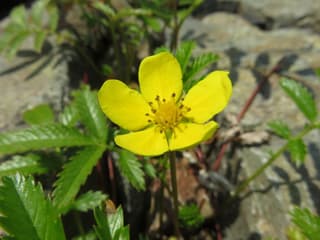
Silverweed
Argentina anserina
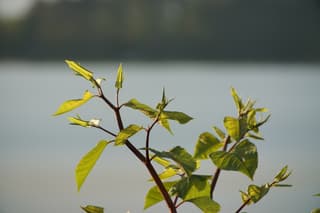
Knotweed
Reynoutria
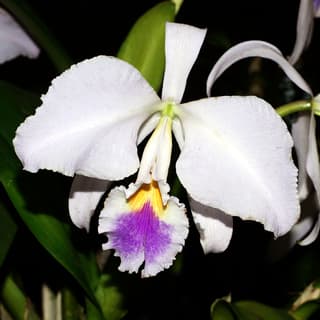
Mendel's Cattleya
Cattleya mendelii
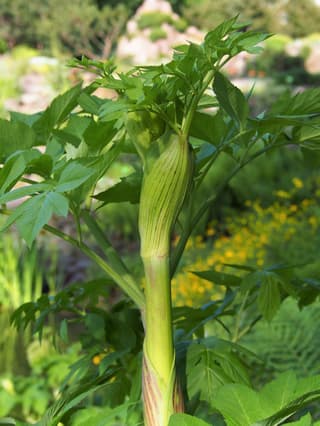
Angelica
Angelica
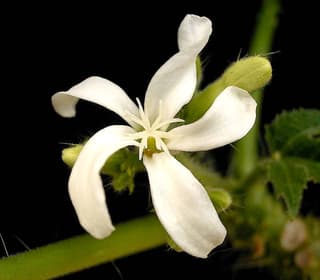
Bull Nettle
Cnidoscolus
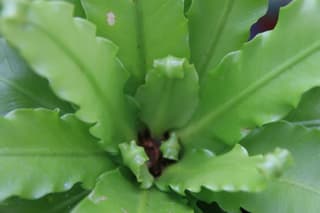
Japanese Bird's Nest Fern
Asplenium antiquum
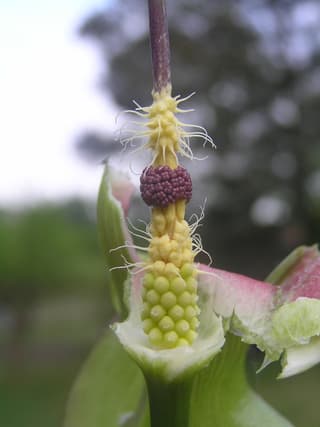
Danish Arum
Arum cylindraceum
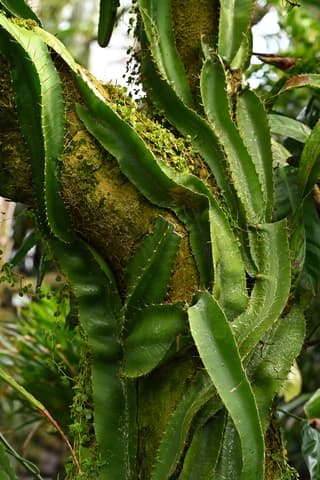
Climbing Cactus
Epiphyllum phyllanthus
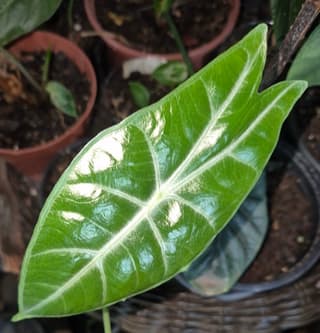
Dragon Scale Alocasia
Alocasia longiloba
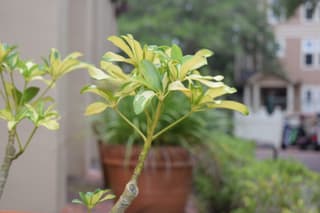
Umbrella Tree
Heptapleurum
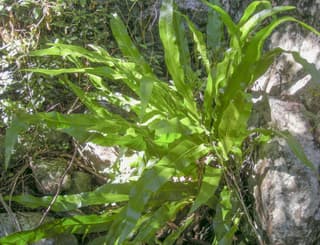
Fishtail Fern
Microsorum punctatum
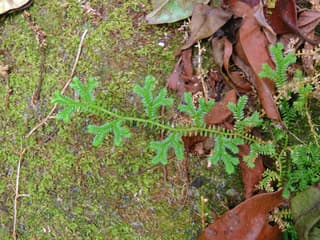
Spikemoss
Selaginella
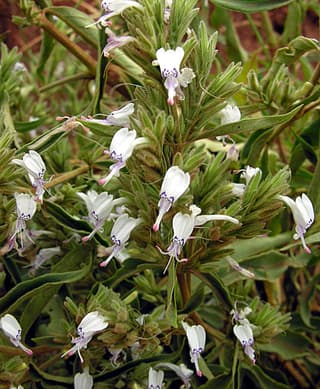
White Ribbon Bush
Hypoestes forskaolii
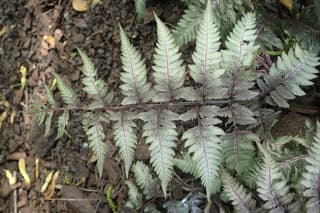
Japanese Painted Fern
Athyrium niponicum
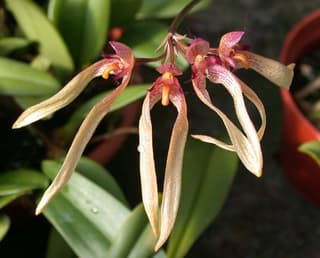
Pale Umbrella Orchid
Bulbophyllum longiflorum
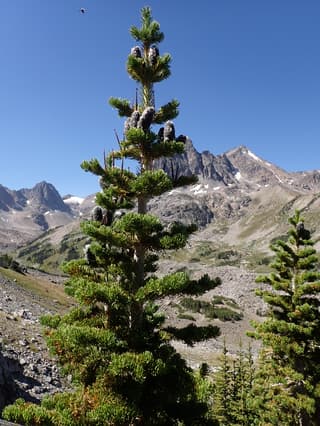
Subalpine Fir
Abies lasiocarpa
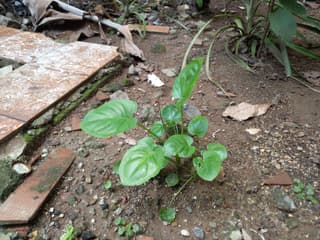
Typhonium
Typhonium
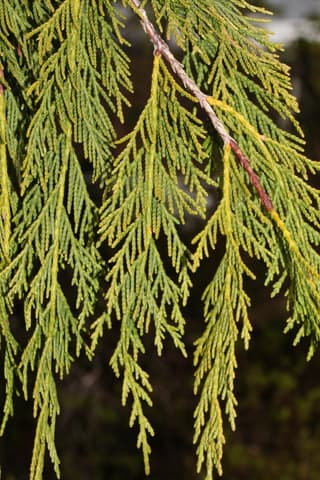
Nootka Cypress
Callitropsis nootkatensis
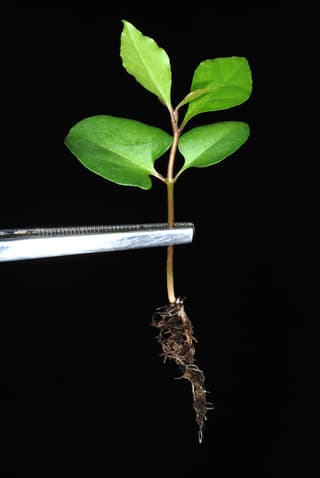
Pull-and-hold
Pisonia aculeata
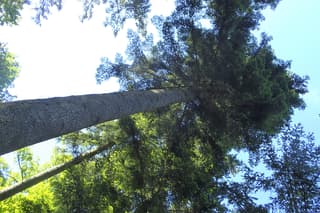
Nordmann fir
Abies nordmanniana
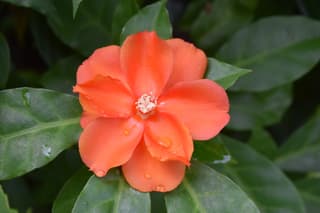
Leaf Cactus
Leuenbergeria
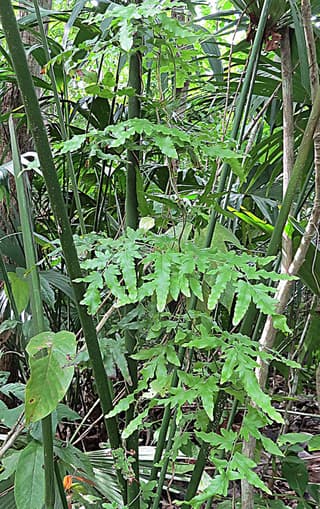
Climbing Fern
Lygodium venustum
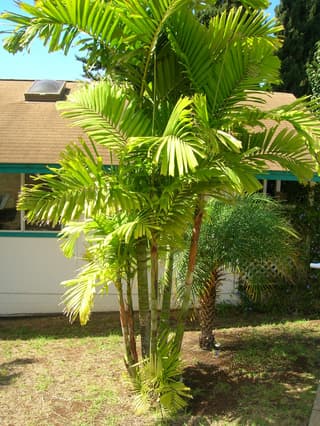
Macarthur Palm
Ptychosperma macarthurii
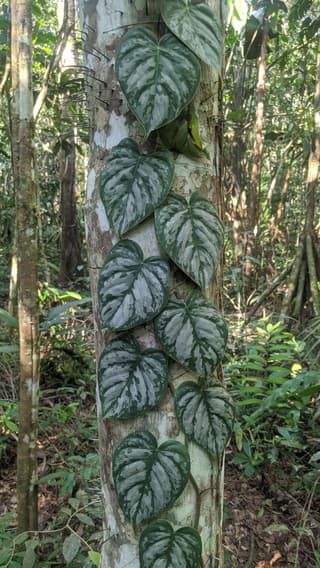
Silver Leaf Philodendron
Philodendron brandtianum
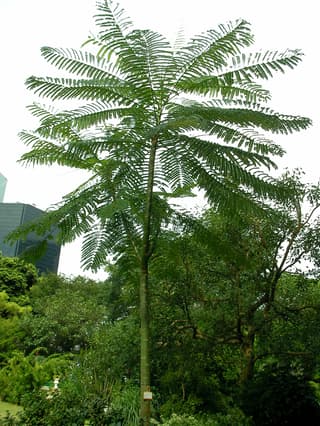
Brazilian Firetree
Schizolobium parahyba
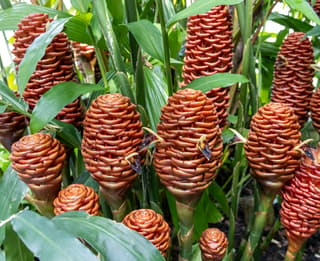
Ginger
Zingiber
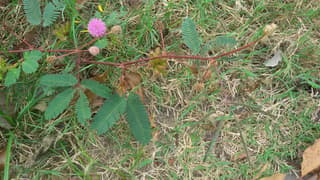
Sensitive Plant
Mimosa pudica
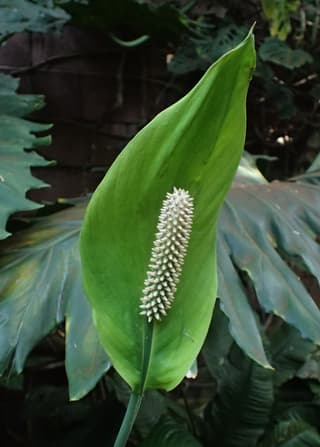
Peace Lily
Spathiphyllum blandum
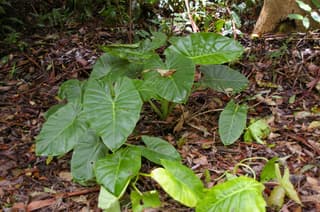
Cunjevoi
Alocasia brisbanensis
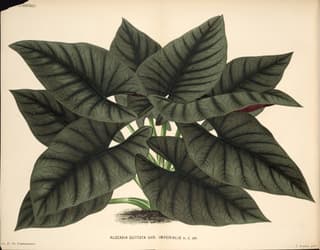
Alocasia Nebula
Alocasia nebula
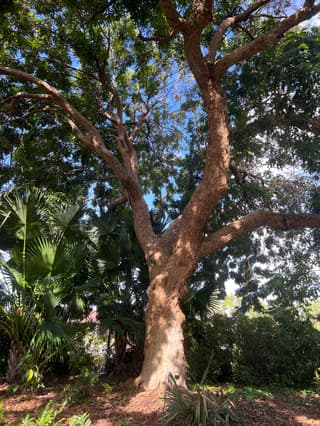
Longan
Dimocarpus longan
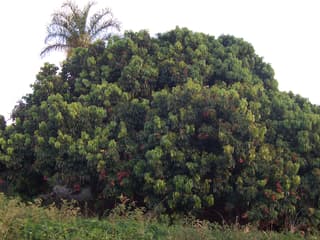
Lychee
Litchi chinensis
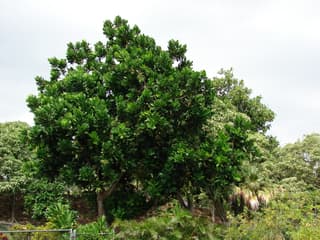
Fish Poison Tree
Barringtonia asiatica
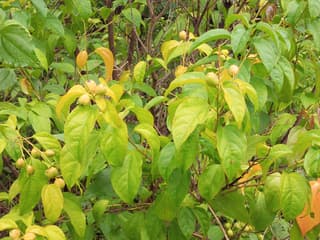
Croton
Croton
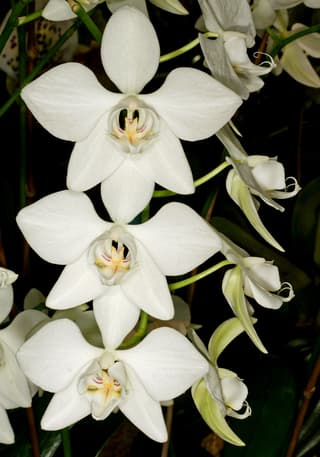
Moth Orchid
Phalaenopsis aphrodite
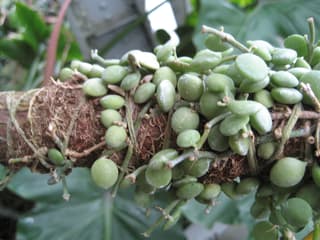
String of Nickels
Dischidia nummularia
Campina Grande do Sul Climate for Plant Growing
Campina Grande do Sul has a climate with an average annual temperature of 17.2°C and average relative humidity of 86.9%. These climate conditions are ideal for various species of ornamental and fruit plants.
Tips for Growing Plants in Campina Grande do Sul
To succeed in growing plants in Campina Grande do Sul, consider the average temperature of 17.2°C when choosing your species. Protect cold-sensitive plants during winter. High humidity favors tropical plants, but watch for fungal issues.
Why Choose Plants Adapted to the Local Climate?
Plants adapted to Campina Grande do Sul's climate require less care, consume less water, and are more likely to thrive. Our selection considers the compatibility between each species' needs and local climate conditions, including temperature (17.2°C) and humidity (86.9%).