500 Best Pet Safe for Coité do Nóia | 2026 Guide - Page 4
The 500 best pet safe to grow in Coité do Nóia. Ideal climate: 24.6°C, 78.7% humidity.
500 Pet Safe for Coité do Nóia
Showing 109-144 of 500
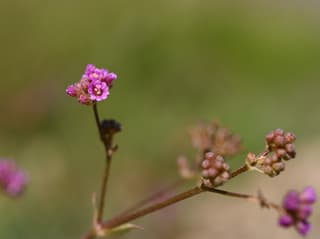
Red Spiderling
Boerhavia diffusa
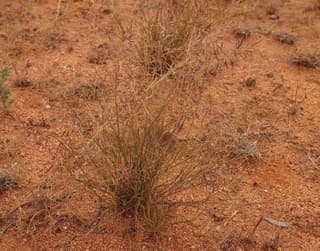
Little lovegrass
Eragrostis minor
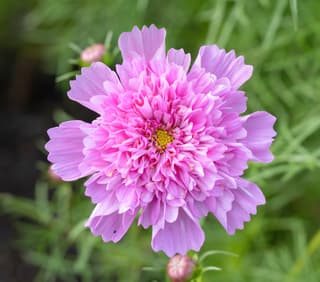
Garden Cosmos
Cosmos
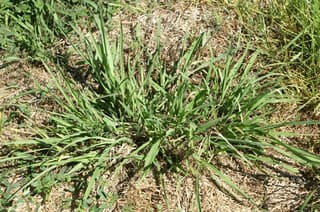
Dallisgrass
Paspalum dilatatum
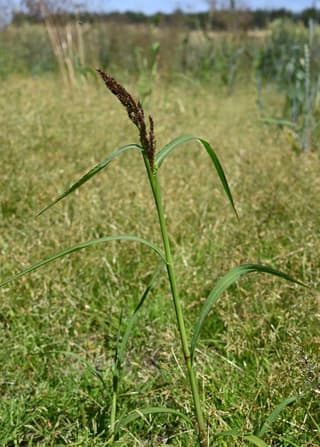
Barnyardgrass
Echinochloa crus-galli
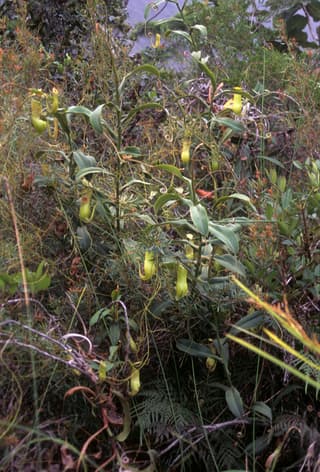
New Caledonia Pitcher Plant
Nepenthes vieillardii
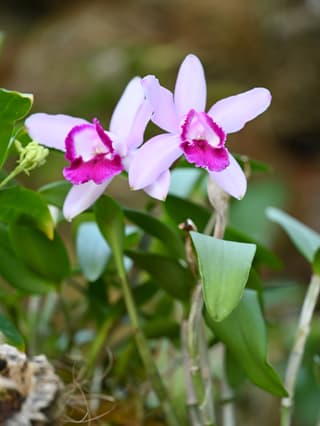
Easter Cattleya
Cattleya intermedia
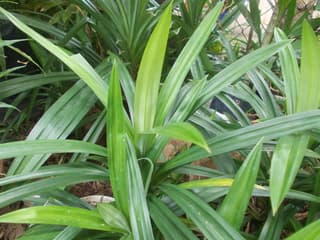
Pandan
Pandanus amaryllifolius
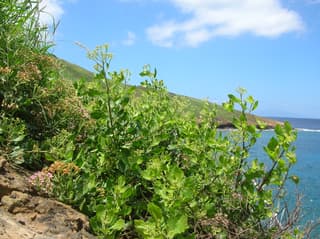
Camphor Weed
Pluchea

Indian Blanket
Gaillardia pulchella
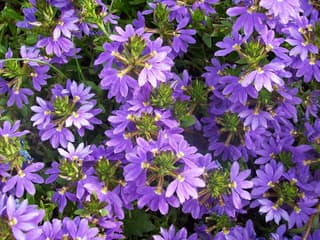
Fan Flower
Scaevola
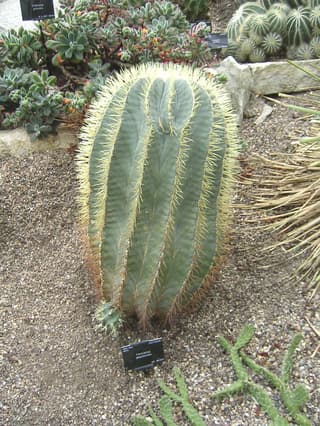
Blue Barrel Cactus
Ferocactus glaucescens
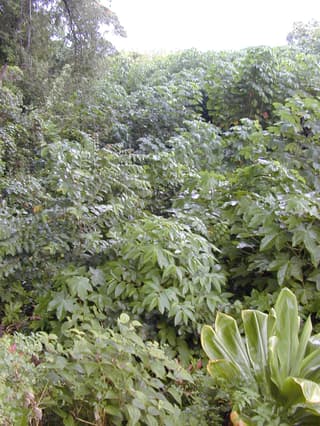
Matico
Piper aduncum
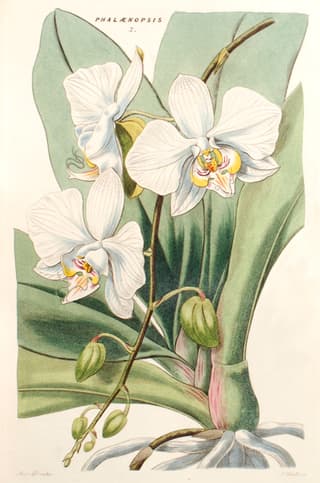
Moon Orchid
Phalaenopsis amabilis
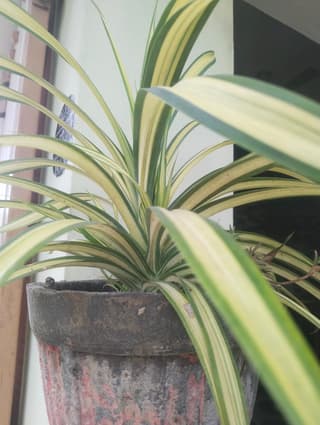
Spider Plant (genus)
Chlorophytum
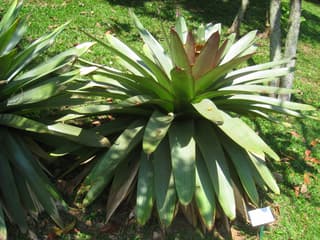
Imperial Bromeliad
Alcantarea imperialis
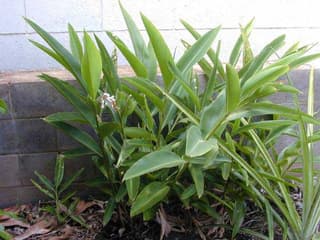
Shell Ginger
Alpinia zerumbet
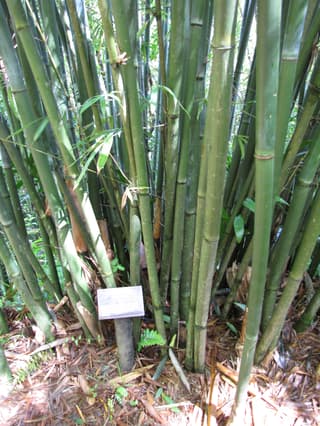
Slender Weavers Bamboo
Bambusa textilis gracili
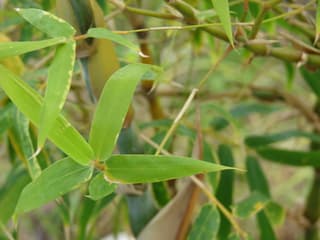
Buddha Belly Bamboo
Bambusa ventricosa
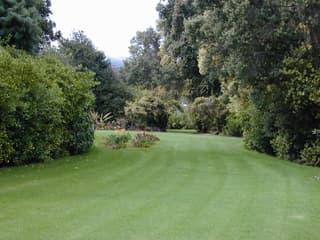
Canna Lily
Canna x generalis
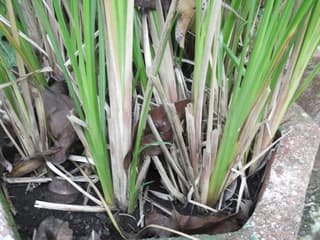
Vetiver
Chrysopogon zizanioides
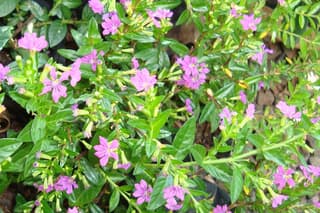
Slender Cuphea
Cuphea gracilis
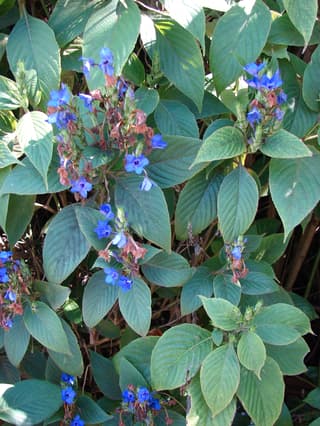
Blue Sage
Eranthemum pulchellum
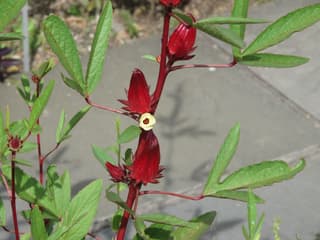
Roselle
Hibiscus sabdariffa
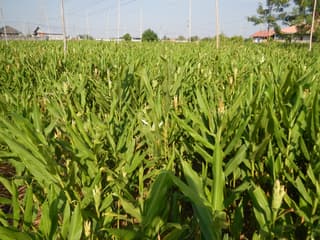
White Ginger Lily
Hedychium coronarium
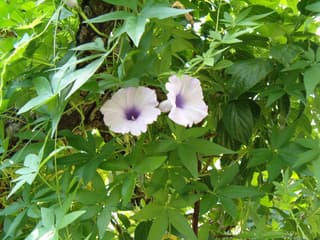
Mile-a-minute vine
Ipomoea cairica
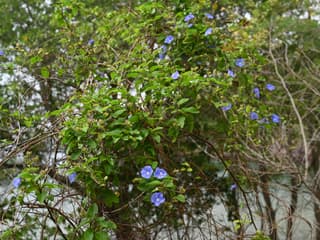
Skyblue Clustervine
Jacquemontia pentanthos
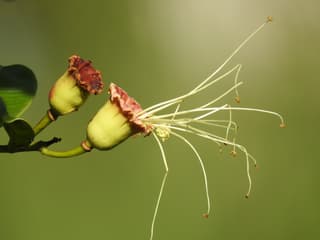
Thimble Tree
Lafoensia pacari
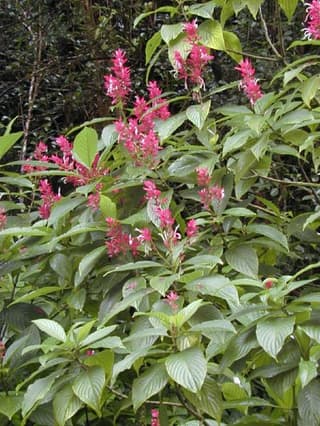
Brazilian Red Cloak
Megaskepasma erythrochlamys

Common Blanketflower
Gaillardia aristata
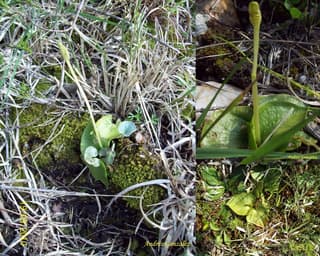
Bulbous Adder's-tongue
Ophioglossum crotalophoroides
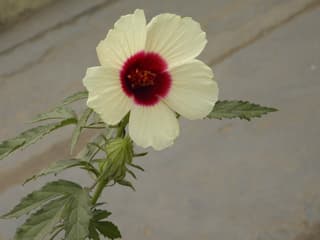
Kenaf
Hibiscus cannabinus
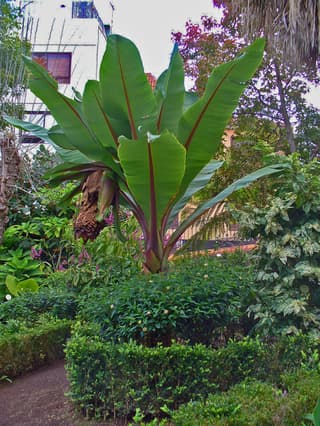
Abyssinian Banana
Ensete ventricosum
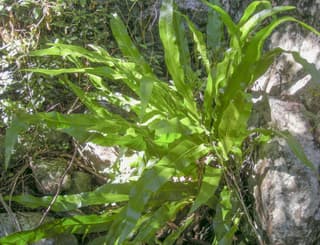
Fishtail Fern
Microsorum punctatum
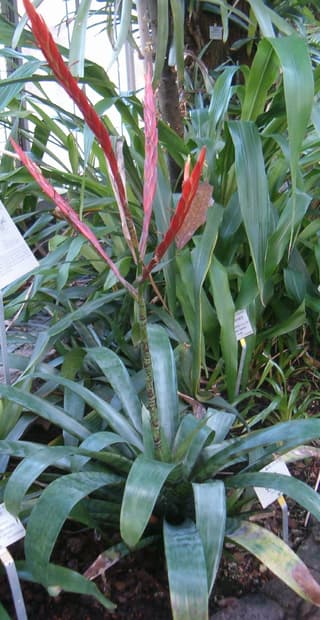
Flaming Sword Bromeliad
Lutheria
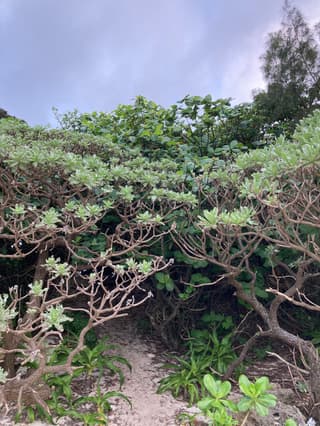
Velvetseed
Guettarda
Ideal Pet Safe for Coité do Nóia's Climate
Coité do Nóia has an average temperature of 24.6°C and humidity of 78.7%, conditions that directly influence which pet safe best adapt to the local environment.
How to Grow Pet Safe in Coité do Nóia
To successfully grow pet safe in Coité do Nóia, consider that the average temperature of 24.6°C and humidity of 78.7% create a specific microclimate. High humidity favors tropical species, but requires attention to ventilation to prevent fungal issues.
Advantages of Choosing Adapted Pet Safe
Pet Safe adapted to Coité do Nóia's climate show greater resistance, healthy growth, and less need for interventions.