500 Best Plants for Collier County | 2026 Guide - Page 4
Discover the 500 ideal plants for Collier County's climate. Average temp: 24.3°C, Humidity: 74.8%.
Top 500 Plants for Collier County
Showing 109-144 of 500
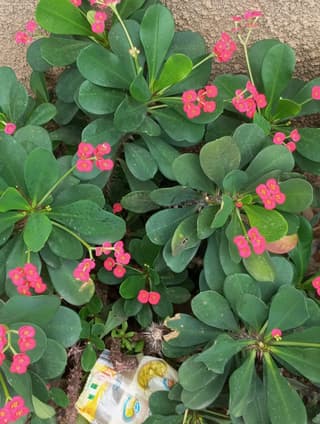
Giant crown of thorns
Euphorbia × lomii
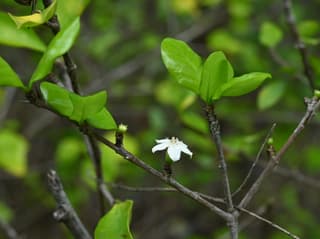
White Indigoberry
Randia aculeata

Common Blanketflower
Gaillardia aristata
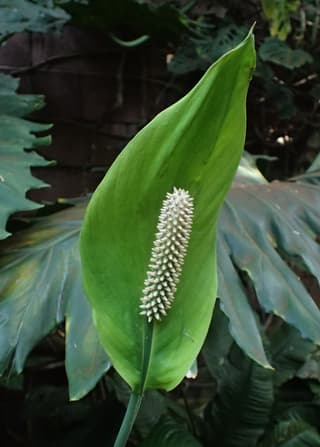
Peace Lily
Spathiphyllum blandum
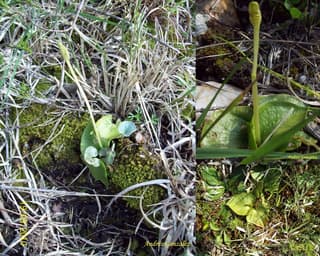
Bulbous Adder's-tongue
Ophioglossum crotalophoroides
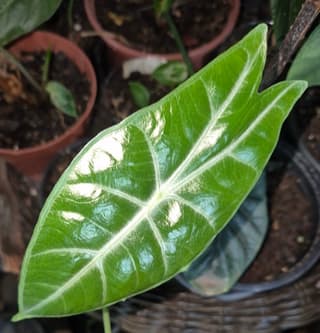
Dragon Scale Alocasia
Alocasia longiloba
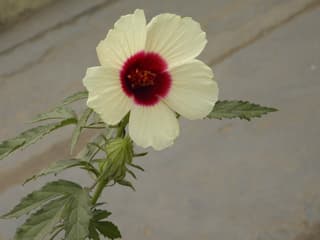
Kenaf
Hibiscus cannabinus
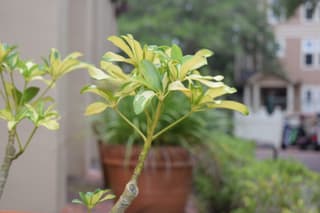
Umbrella Tree
Heptapleurum
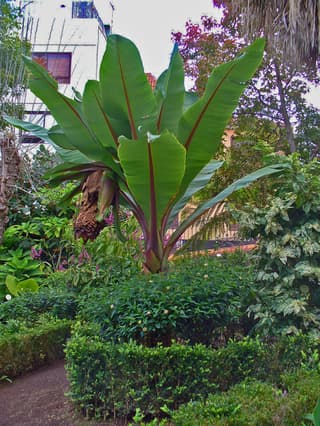
Abyssinian Banana
Ensete ventricosum
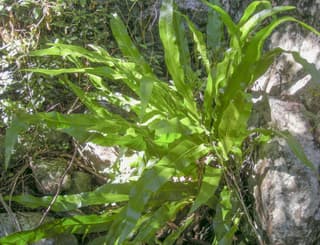
Fishtail Fern
Microsorum punctatum
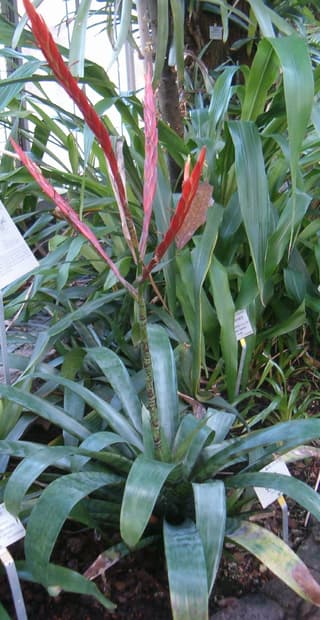
Flaming Sword Bromeliad
Lutheria
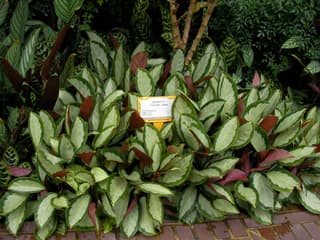
Calathea Picturata
Goeppertia picturata
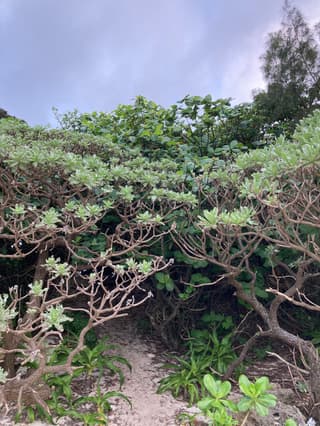
Velvetseed
Guettarda
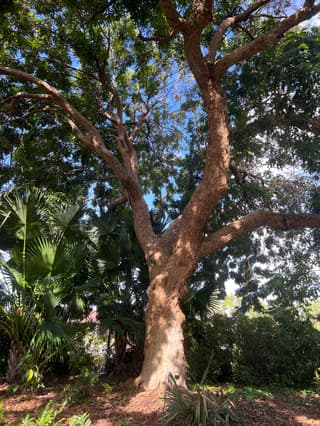
Longan
Dimocarpus longan
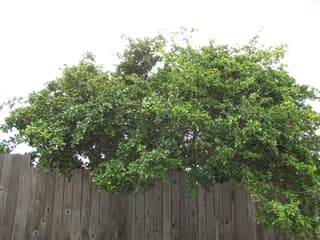
Barbados cherry
Malpighia emarginata
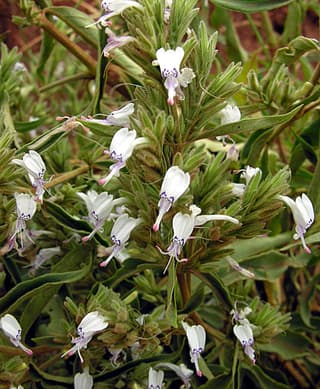
White Ribbon Bush
Hypoestes forskaolii
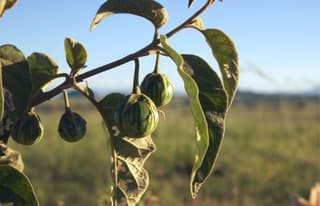
Ethiopian Eggplant
Solanum aethiopicum
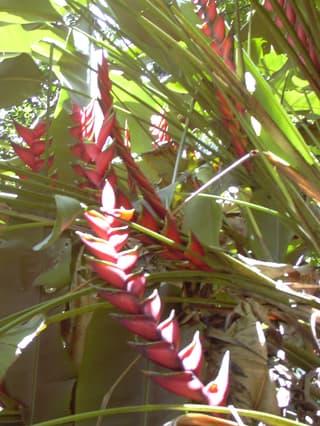
Lobster Claw
Heliconia bihai
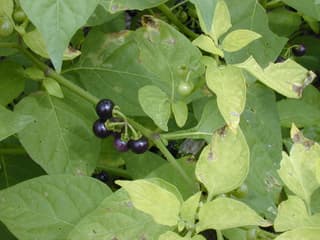
American Black Nightshade
Solanum americanum
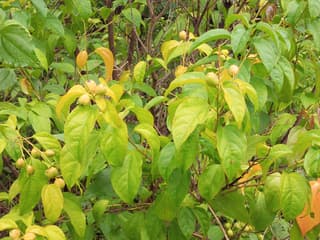
Croton
Croton
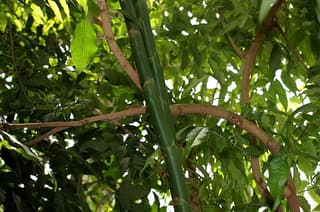
Arabian Spiral Ginger
Costus arabicus
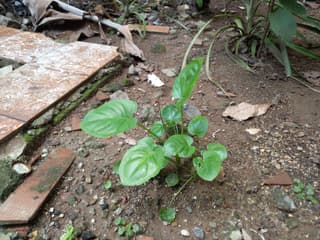
Typhonium
Typhonium
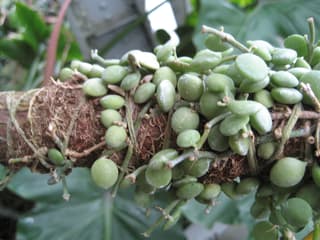
String of Nickels
Dischidia nummularia
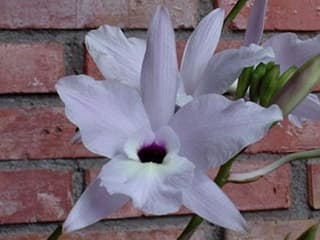
Rosy Tinted Laelia
Laelia rubescens
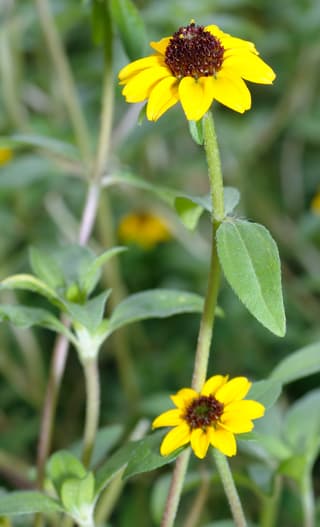
Creeping Zinnia
Sanvitalia procumbens
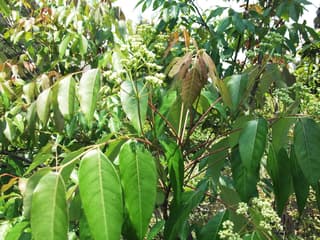
Catuaba
Trichilia
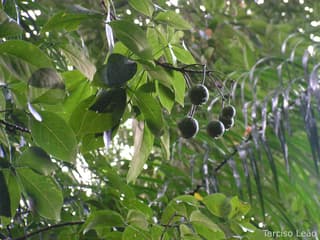
Garlic Pear
Crateva tapia
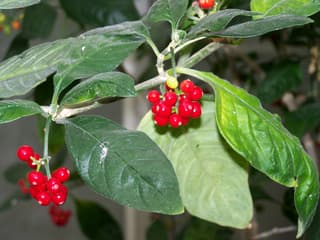
Wild Coffee
Psychotria
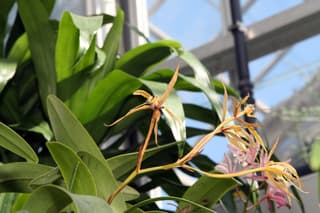
Fringed Star Orchid
Epidendrum ciliare
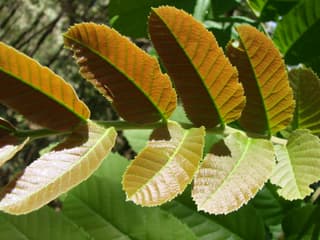
Camboata Tree
Cupania
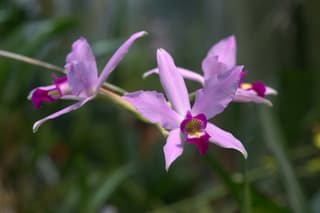
Two-edged Laelia
Laelia anceps
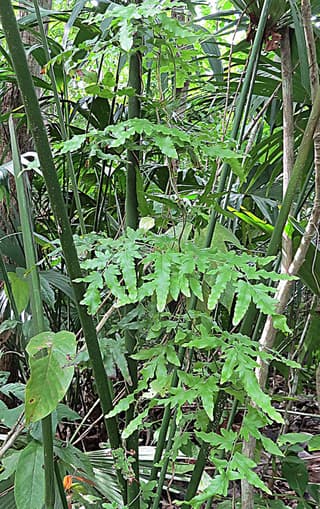
Climbing Fern
Lygodium venustum
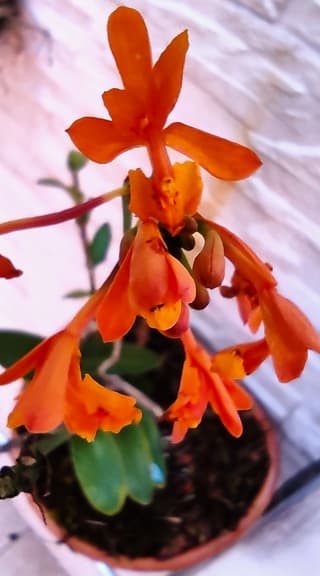
Beach Crucifix Orchid
Epidendrum fulgens
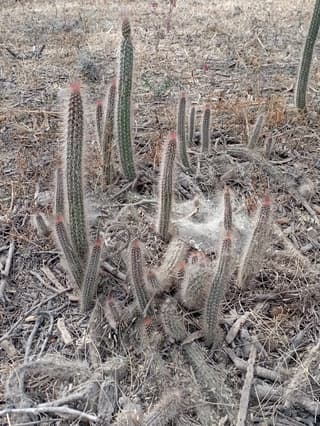
Snake Cactus, Junco, Queen of the Night
Nyctocereus serpentinus
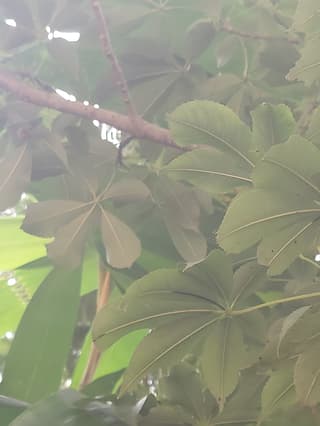
Kapok Tree
Ceiba pentandra
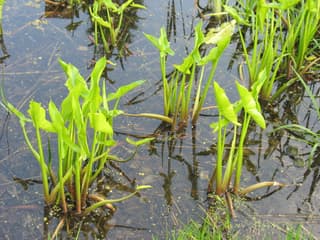
Arrow Arum
Peltandra
Collier County Climate for Plant Growing
Collier County has a climate with an average annual temperature of 24.3°C and average relative humidity of 74.8%. These climate conditions are ideal for various species of ornamental and fruit plants.
Tips for Growing Plants in Collier County
To succeed in growing plants in Collier County, consider the average temperature of 24.3°C when choosing your species. The temperate climate allows you to grow a wide variety of species. High humidity favors tropical plants, but watch for fungal issues.
Why Choose Plants Adapted to the Local Climate?
Plants adapted to Collier County's climate require less care, consume less water, and are more likely to thrive. Our selection considers the compatibility between each species' needs and local climate conditions, including temperature (24.3°C) and humidity (74.8%).