500 Best Plants for Enzklösterle | 2026 Guide - Page 12
Discover the 500 ideal plants for Enzklösterle's climate. Average temp: 9.5°C, Humidity: 77.4%.
Top 500 Plants for Enzklösterle
Showing 397-432 of 500
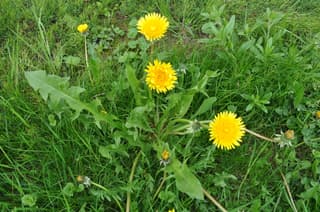
Dandelion
Taraxacum
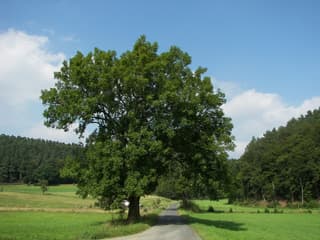
European Ash
Fraxinus excelsior
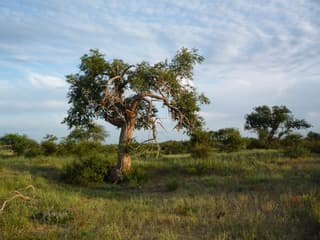
Siberian Elm
Ulmus pumila
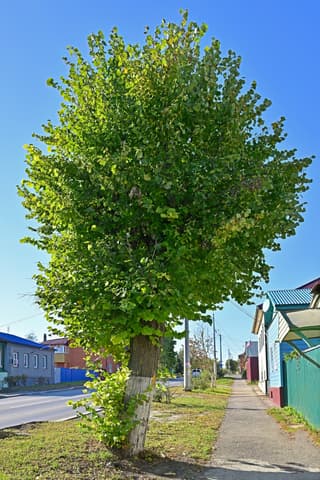
Little-leaf Linden
Tilia cordata
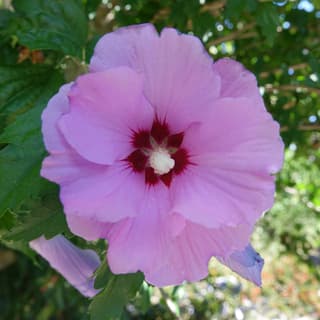
Rose of Sharon
Hibiscus syriacus
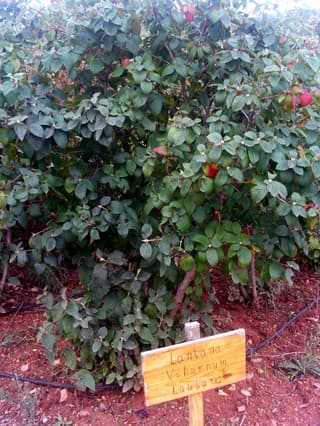
Wayfaring Tree
Viburnum lantana
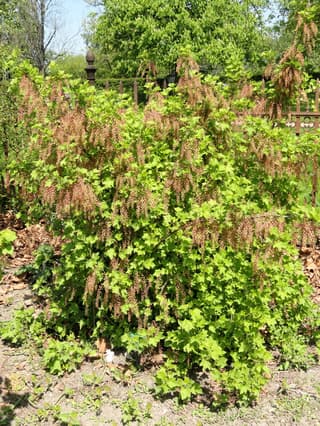
Downy Currant
Ribes spicatum
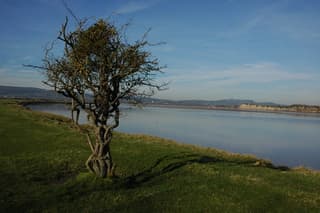
Hawthorn
Crataegus
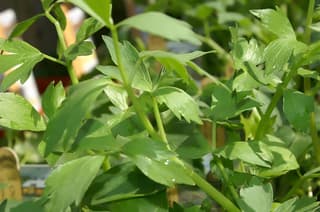
Lovage
Levisticum officinale
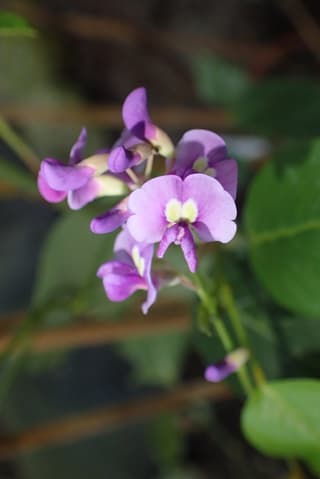
Purple Coral Pea
Hardenbergia violacea
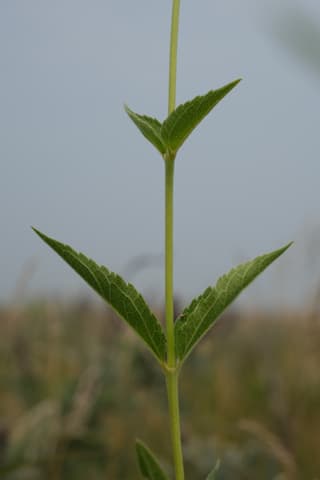
False Sunflower
Heliopsis helianthoides
Scentless Chamomile
Tripleurospermum inodorum
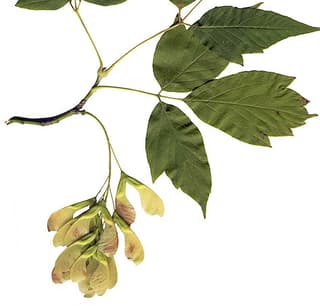
Boxelder
Acer negundo
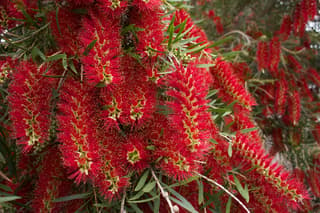
Weeping Bottlebrush
Melaleuca viminalis
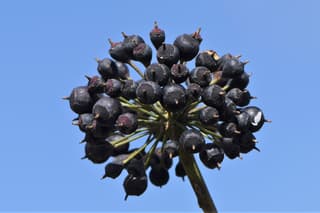
Atlantic Ivy
Hedera hibernica
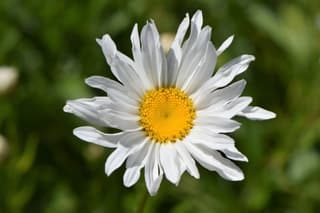
Max Chrysanthemum
Leucanthemum maximum
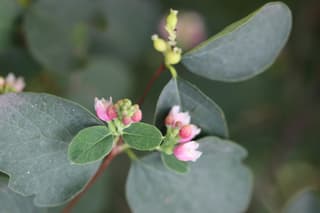
Common Snowberry
Symphoricarpos albus
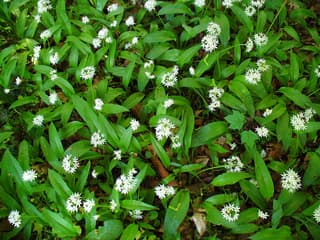
Ramsons
Allium ursinum
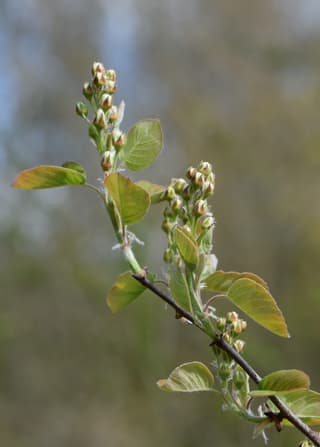
Saskatoon Serviceberry
Amelanchier alnifolia
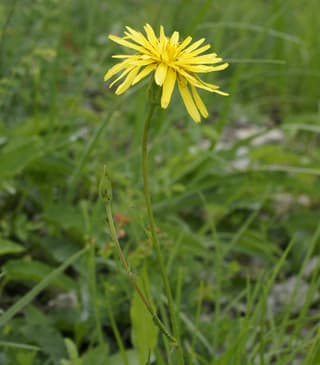
Black Salsify
Scorzonera
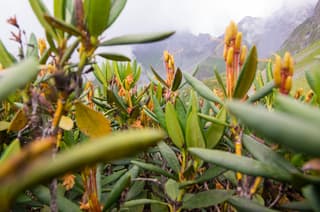
Caucasian Snow Rose
Rhododendron caucasicum
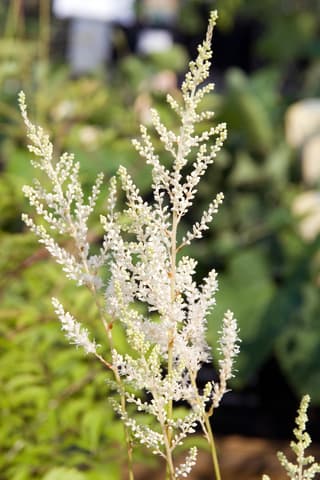
Japanese Astilbe
Astilbe japonica
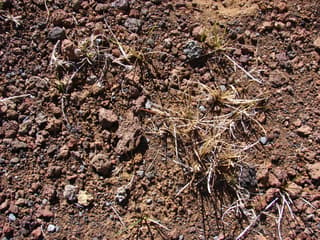
Kentucky bluegrass
Poa pratensis
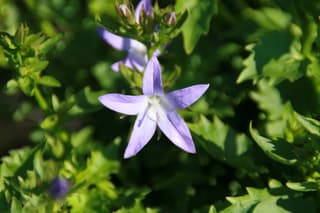
Serbian Bellflower
Campanula poscharskyana
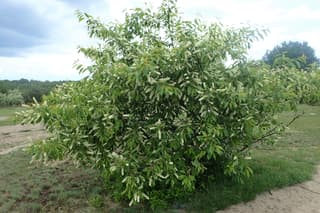
Black Cherry
Prunus serotina
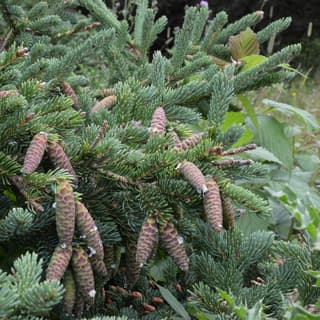
White Spruce
Picea laxa
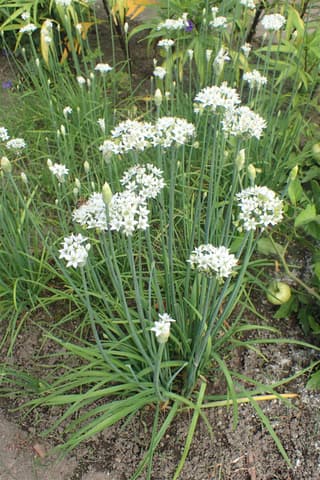
Garlic Chives
Allium tuberosum
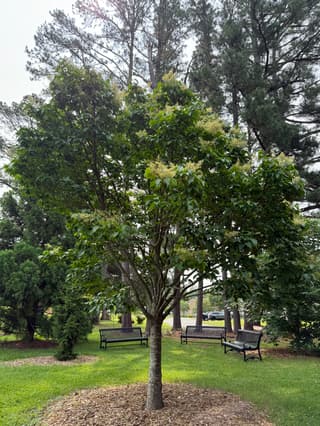
Japanese Tree Lilac
Syringa reticulata
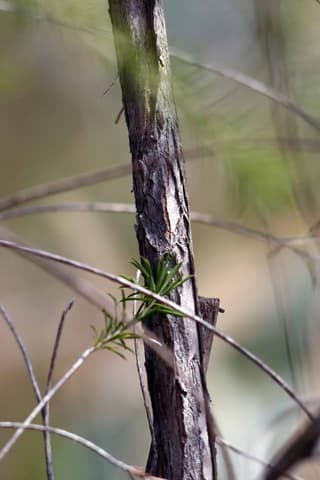
Bracelet Honey Myrtle
Melaleuca armillaris
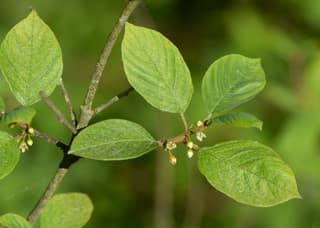
Buckthorn
Frangula
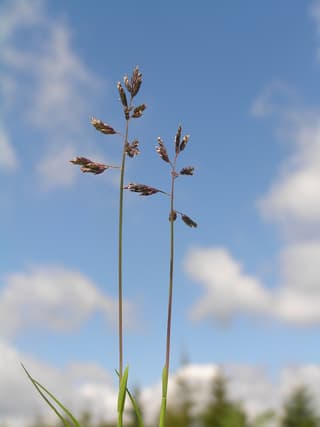
Supine bluegrass
Poa supina
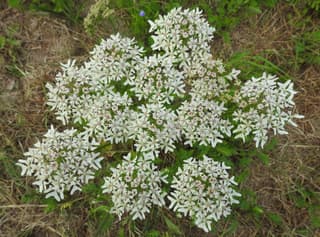
Common Hogweed
Heracleum sphondylium
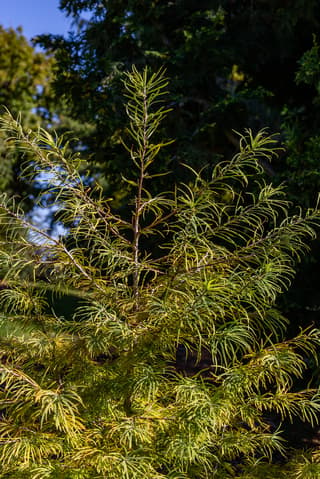
Golden Larch
Pseudolarix amabilis
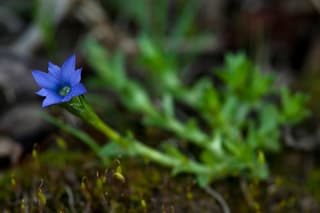
Pygmy Gentian
Gentiana prostrata
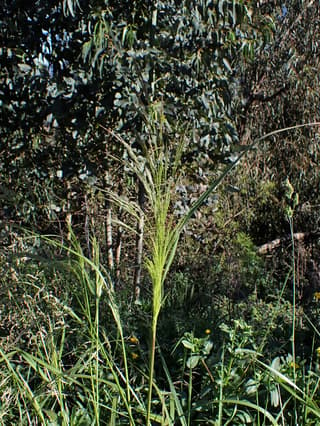
Johnson grass
Sorghum halepense
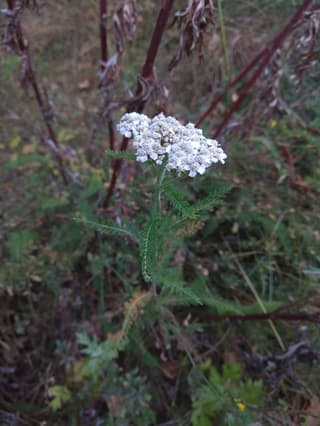
Asian Yarrow
Achillea asiatica
Enzklösterle Climate for Plant Growing
Enzklösterle has a climate with an average annual temperature of 9.5°C and average relative humidity of 77.4%. These climate conditions are ideal for various species of ornamental and fruit plants.
Tips for Growing Plants in Enzklösterle
To succeed in growing plants in Enzklösterle, consider the average temperature of 9.5°C when choosing your species. Protect cold-sensitive plants during winter. High humidity favors tropical plants, but watch for fungal issues.
Why Choose Plants Adapted to the Local Climate?
Plants adapted to Enzklösterle's climate require less care, consume less water, and are more likely to thrive. Our selection considers the compatibility between each species' needs and local climate conditions, including temperature (9.5°C) and humidity (77.4%).