297 Best Succulents for Fall River | 2026 Guide - Page 3
The 297 best succulents to grow in Fall River. Ideal climate: 11.8°C, 76.1% humidity.
297 Succulents for Fall River
Showing 73-108 of 297
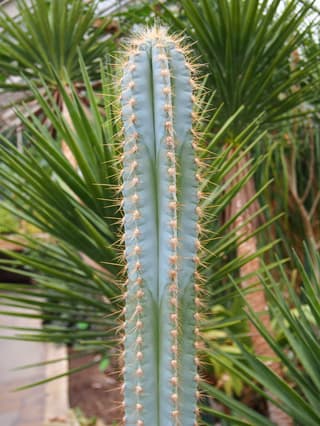
Blue Torch Cactus
Pilosocereus pachycladus
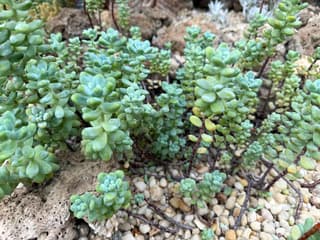
Jelly Bean Plant
Sedum pachyphyllum
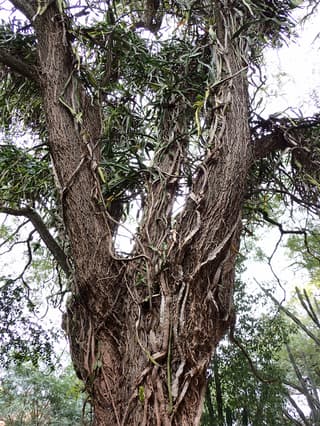
Dragon Fruit
Selenicereus undatus
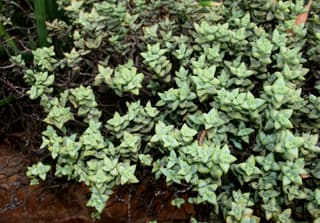
Concertina Plant
Crassula rupestris
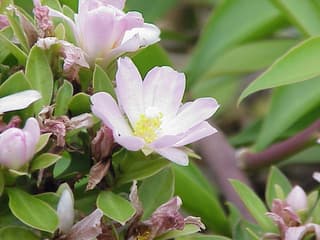
Rose Cactus
Pereskia grandifolia
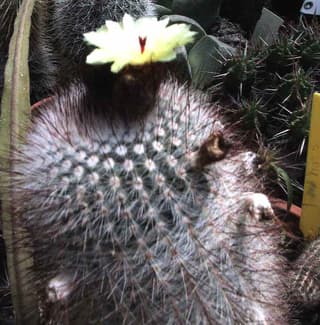
Silver Ball Cactus
Parodia scopa
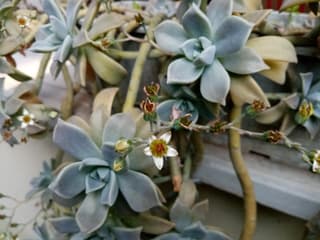
Ghost Plant
Graptopetalum
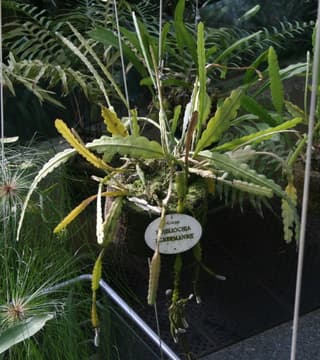
Orchid Cactus
Disocactus
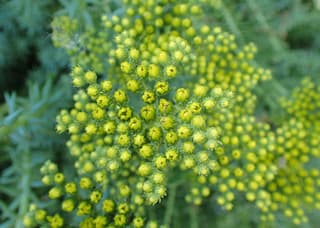
Blue Stonecrop
Petrosedum rupestre
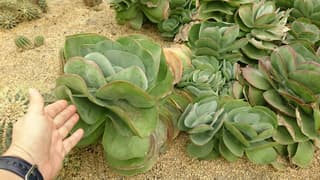
Flapjack Plant
Kalanchoe luciae
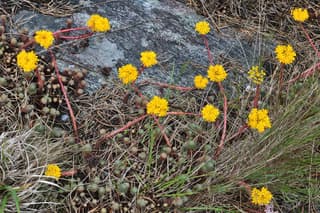
Rock Stonecrop
Petrosedum forsterianum
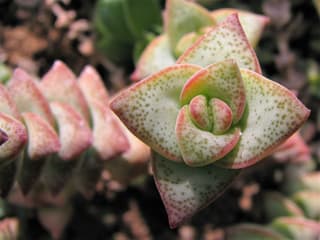
String of Buttons
Crassula perforata
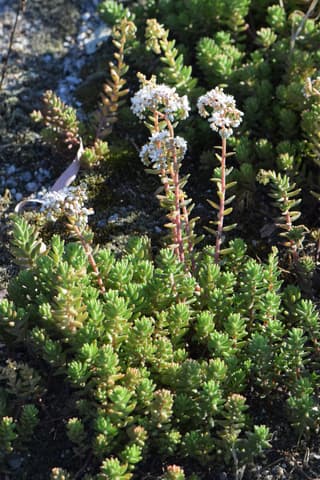
White Stonecrop
Sedum album
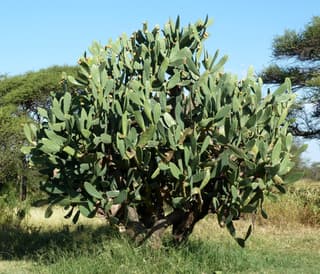
Prickly Pear Cactus
Opuntia
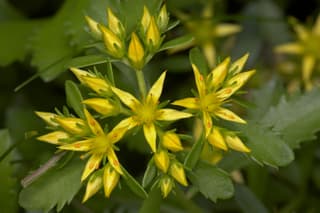
Orange Stonecrop
Sedum kamtschaticum
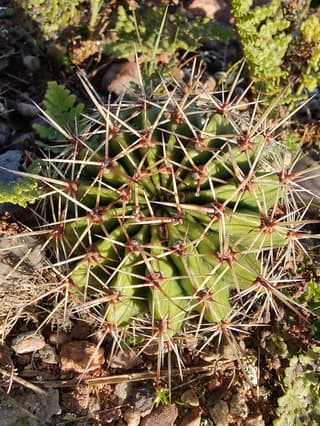
Easter Lily Cactus
Echinopsis oxygona
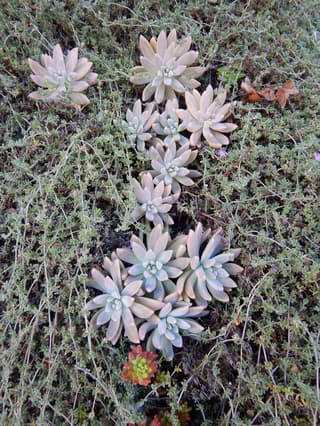
Graptosedum
Graptosedum
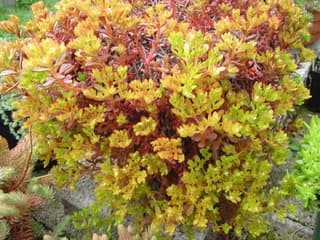
Japanese Stonecrop
Sedum makinoi
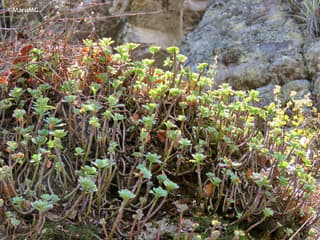
Palmer's Sedum
Sedum palmeri
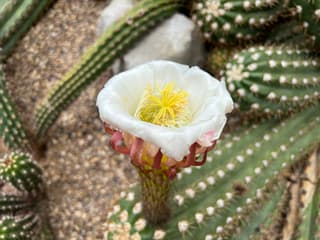
Argentine White Torch Cactus
Soehrensia candicans
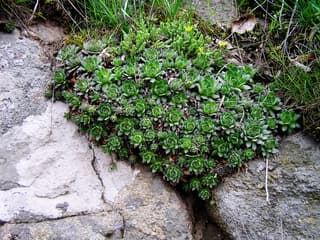
Russian Houseleek
Sempervivum ruthenicum
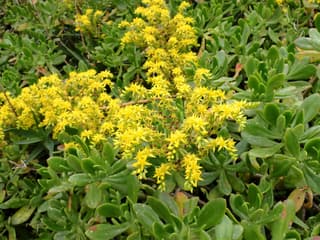
Shrubby Stonecrop
Sedum praealtum
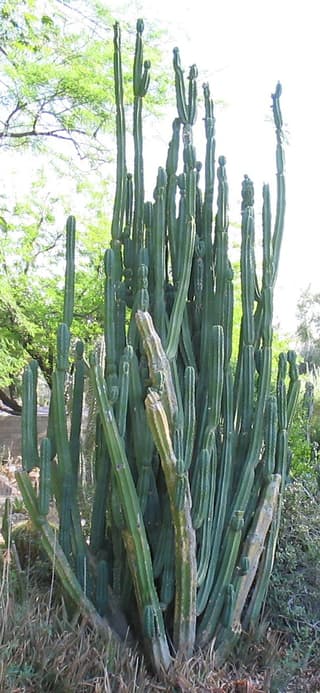
San Pedro Cactus
Trichocereus pachanoi
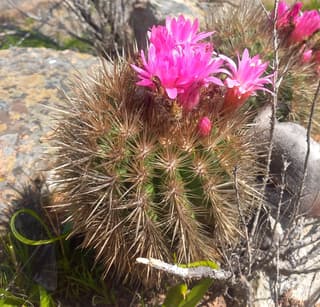
Chilean Pink Cactus
Eriosyce subgibbosa

Blue Spruce Stonecrop
Sedum reflexum
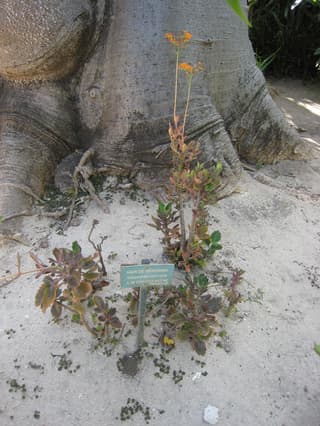
Christmas Tree Plant
Kalanchoe laciniata
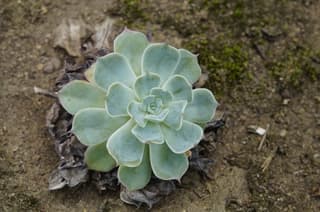
Blue Echeveria
Echeveria secunda
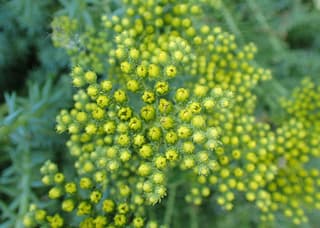
Stonecrop
Petrosedum
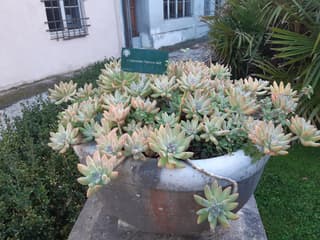
Pink Sedeveria
Graptosedum 'Francesco Baldi'
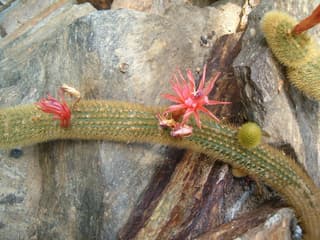
Golden Rat-tail Cactus
Cleistocactus winteri
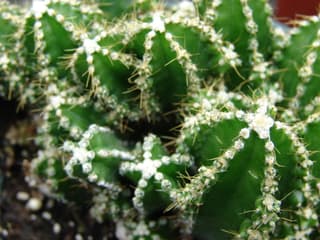
Giant Peruvian Cereus
Cereus peruvianus
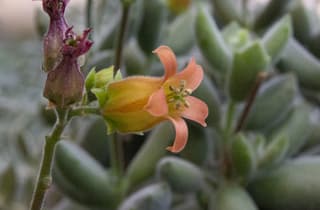
Bear's Paw
Cotyledon tomentosa
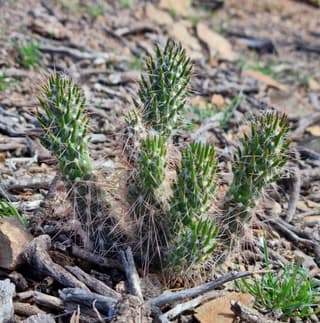
Old Man of the Andes
Austrocylindropuntia vestita
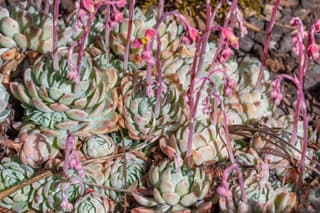
Mexican Gem
Echeveria elegans
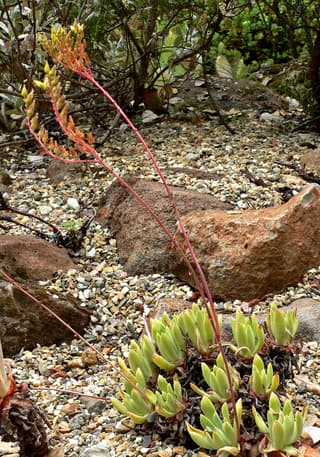
Greene's Liveforever
Dudleya greenei
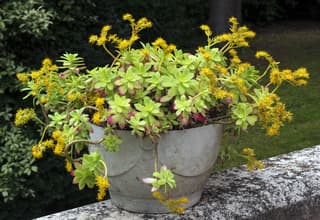
Pacific Stonecrop
Sedum spathulifolium
Ideal Succulents for Fall River's Climate
Fall River has an average temperature of 11.8°C and humidity of 76.1%, conditions that directly influence which succulents best adapt to the local environment.
How to Grow Succulents in Fall River
To successfully grow succulents in Fall River, consider that the average temperature of 11.8°C and humidity of 76.1% create a specific microclimate. High humidity favors tropical species, but requires attention to ventilation to prevent fungal issues.
Advantages of Choosing Adapted Succulents
Succulents adapted to Fall River's climate show greater resistance, healthy growth, and less need for interventions.