500 Best Easy Care for Iporã do Oeste | 2026 Guide - Page 10
The 500 best easy care to grow in Iporã do Oeste. Ideal climate: 20.7°C, 76.6% humidity.
500 Easy Care for Iporã do Oeste
Showing 325-360 of 500
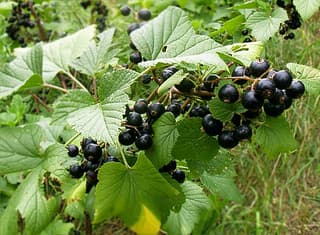
Blackcurrant
Ribes nigrum
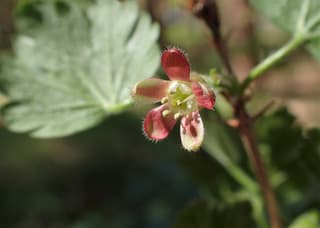
Gooseberry
Ribes uva-crispa
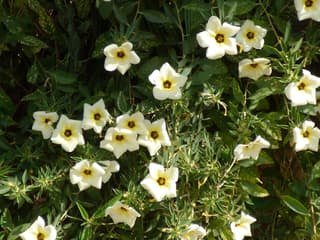
White Buttercup
Turnera subulata
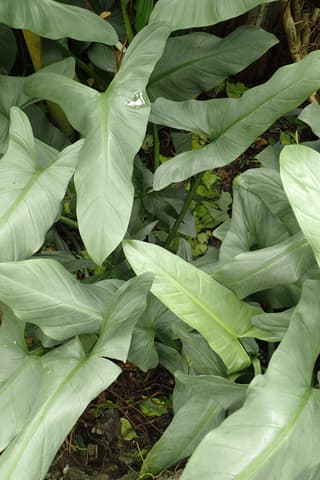
Spadeleaf Philodendron
Philodendron domesticum
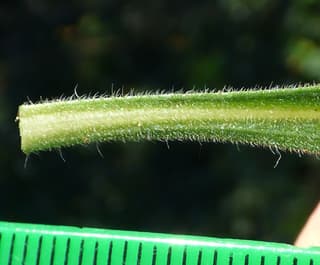
Guernsey Fleabane
Erigeron sumatrensis

Areca palm
Chrysalidocarpus lutescens
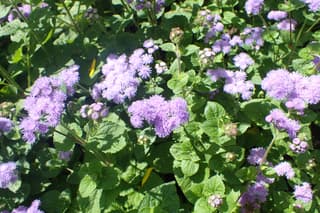
Floss Flower
Ageratum houstonianum
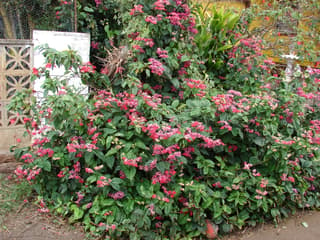
Red Bleeding Heart Vine
Clerodendrum × speciosum
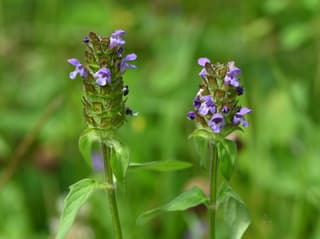
Self-Heal
Prunella vulgaris
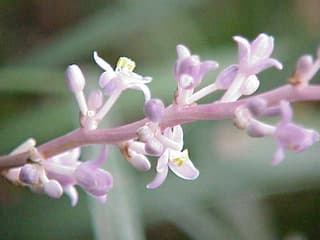
White Lilyturf
Ophiopogon jaburan

Rougeplant
Rivina humilis
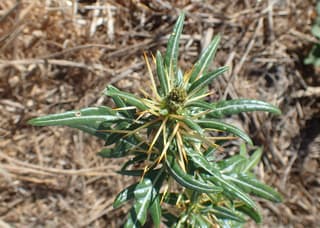
Spiny Cocklebur
Xanthium spinosum
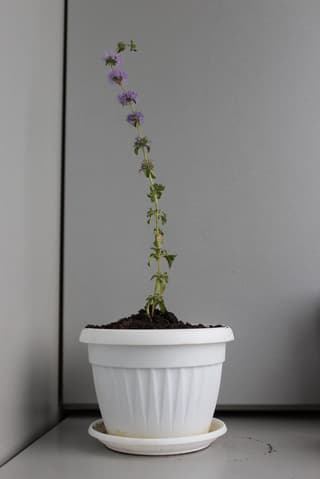
Pennyroyal
Mentha pulegium
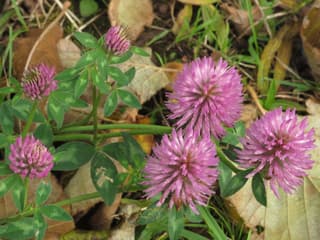
Red Clover
Trifolium pratense
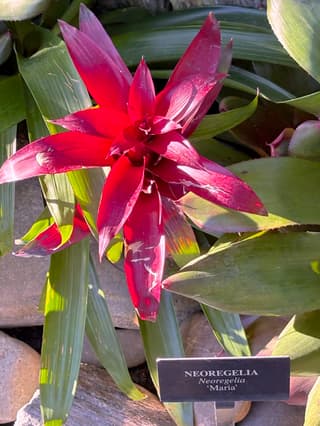
Blushing Bromeliad
Neoregelia
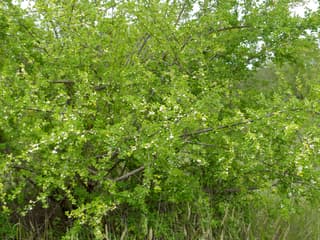
White-Berry Bush
Flueggea virosa
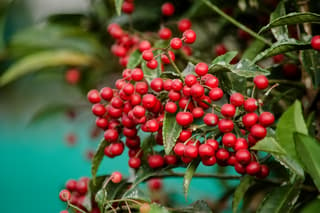
Coral Berry
Ardisia crenata
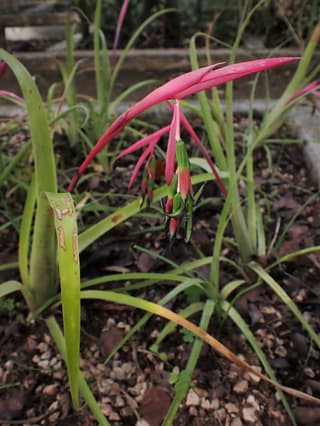
Queen's Tears
Billbergia nutans
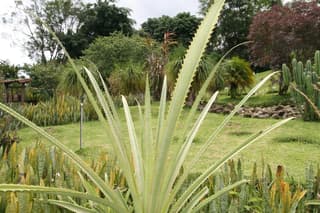
Wild Pineapple
Bromelia pinguin
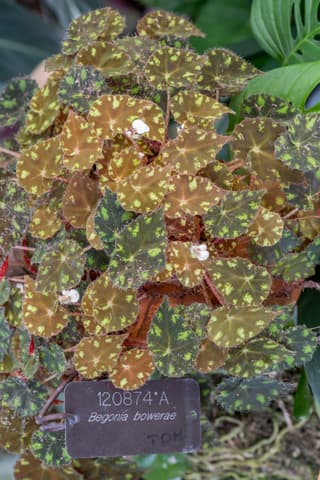
Eyelash Begonia
Begonia bowerae
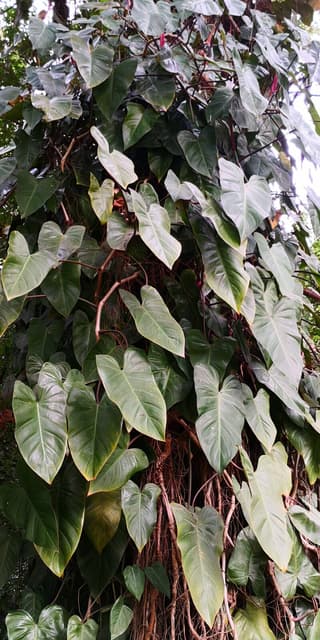
Imperial Green Philodendron
Philodendron 'Imperial Green'
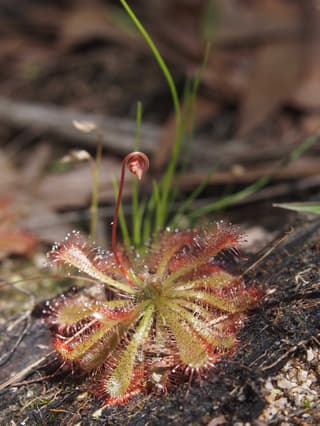
Spoon-leaved sundew
Drosera spatulata
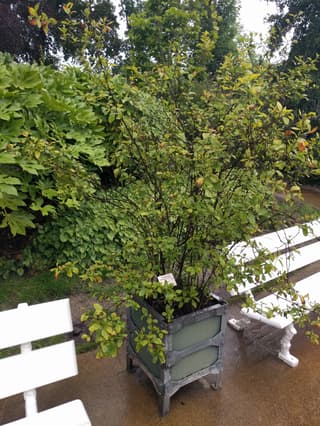
Cape Leadwort
Plumbago auriculata
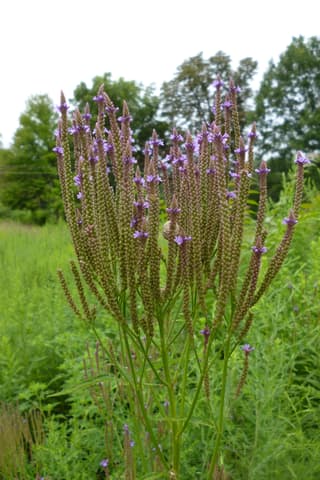
Blue Vervain
Verbena hastata
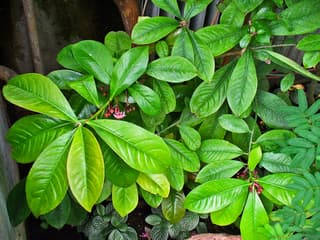
Coralberry
Ardisia
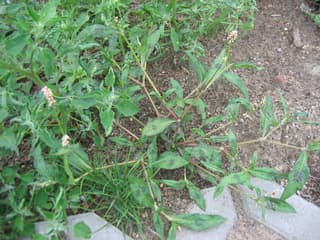
Lady's Thumb
Persicaria maculosa
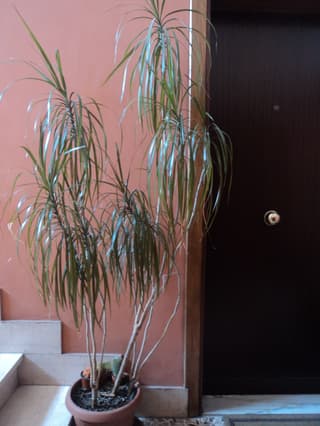
Dragon Tree
Dracaena marginata
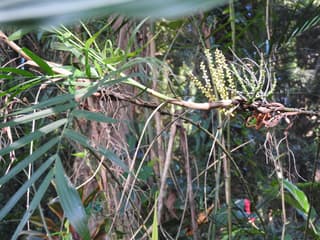
Bamboo Palm
Chamaedorea seifrizii
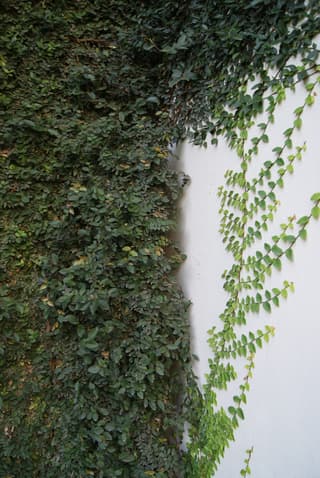
Creeping Fig
Ficus pumila
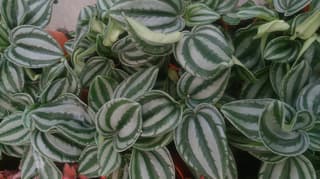
Watermelon Peperomia
Peperomia argyreia
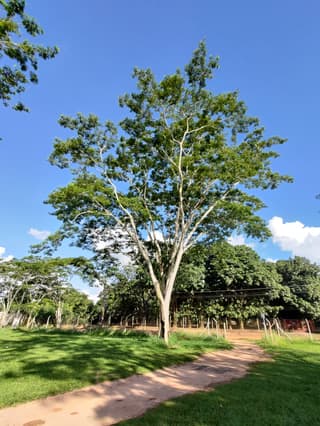
White Silk Tree
Albizia niopoides
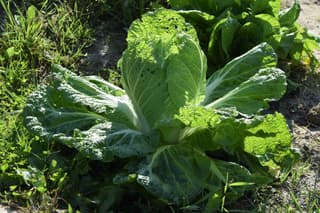
Chinese Cabbage
Brassica rapa pekinensis

Wax Begonia
Begonia semperflorens
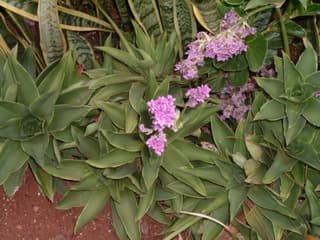
Basket Plant
Callisia warszewicziana
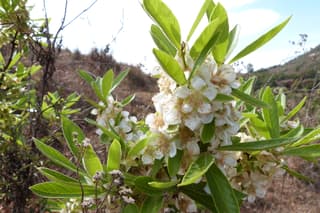
Guabiroba
Campomanesia pubescens
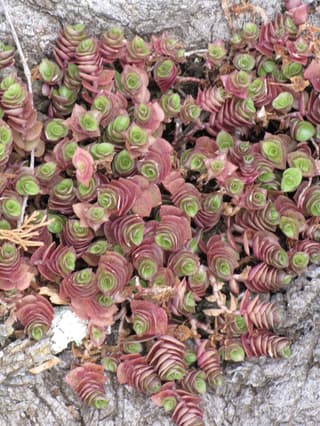
Turtle Vine
Callisia repens
Ideal Easy Care for Iporã do Oeste's Climate
Iporã do Oeste has an average temperature of 20.7°C and humidity of 76.6%, conditions that directly influence which easy care best adapt to the local environment.
How to Grow Easy Care in Iporã do Oeste
To successfully grow easy care in Iporã do Oeste, consider that the average temperature of 20.7°C and humidity of 76.6% create a specific microclimate. High humidity favors tropical species, but requires attention to ventilation to prevent fungal issues.
Advantages of Choosing Adapted Easy Care
Easy Care adapted to Iporã do Oeste's climate show greater resistance, healthy growth, and less need for interventions.