500 Best Pet Safe for Lysekils kommun | 2026 Guide - Page 6
The 500 best pet safe to grow in Lysekils kommun. Ideal climate: 8.3°C, 79.3% humidity.
500 Pet Safe for Lysekils kommun
Showing 181-216 of 500
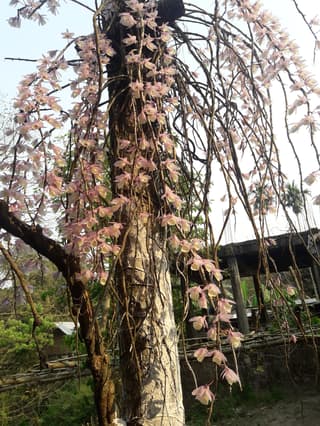
Hooded Orchid
Dendrobium aphyllum
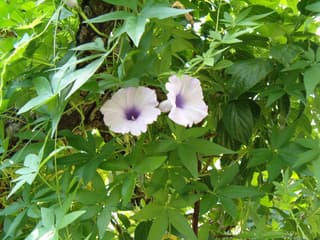
Mile-a-minute vine
Ipomoea cairica
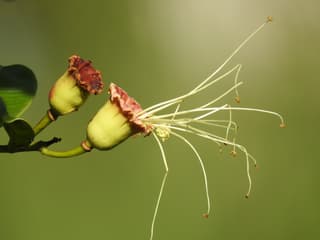
Thimble Tree
Lafoensia pacari
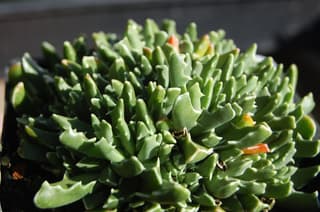
Tiger's Jaws
Faucaria bosscheana
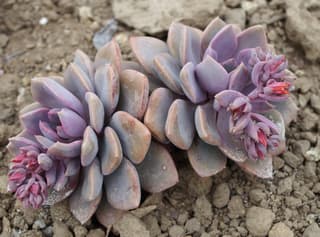
Graptoveria
× Graptoveria
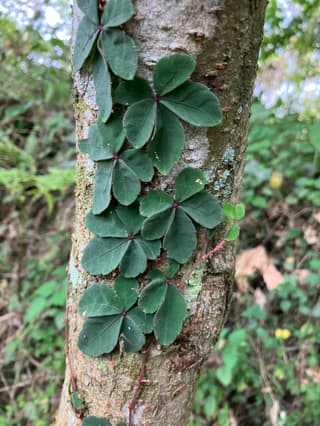
Lizard Vine
Tetrastigma obtectum
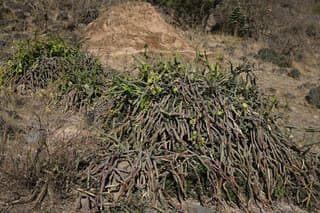
Veldt Grape
Cissus quadrangularis
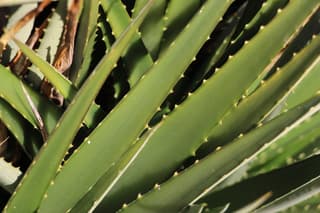
Sawblade Dyckia
Dyckia brevifolia

Common Water-plantain
Alisma plantago-aquatica
Black Bulgur
Bulgaria inquinans
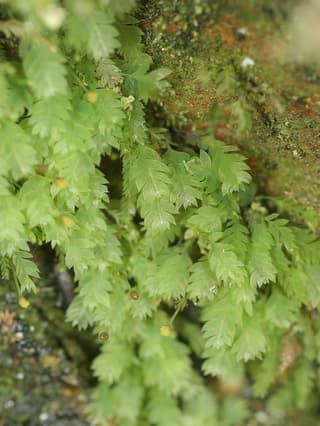
Luminous moss
Schistostega pennata
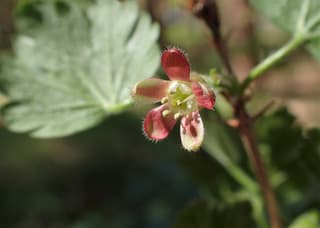
Gooseberry
Ribes uva-crispa
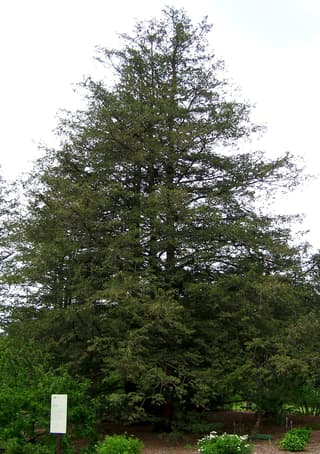
Sawara cypress
Chamaecyparis pisifera
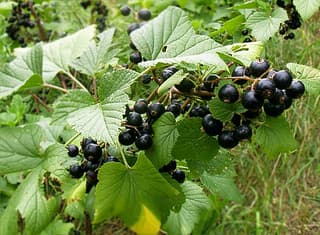
Blackcurrant
Ribes nigrum
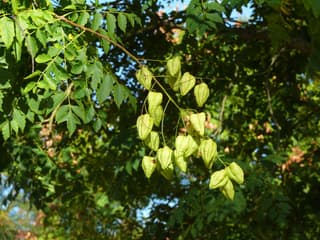
Golden Rain Tree
Koelreuteria paniculata
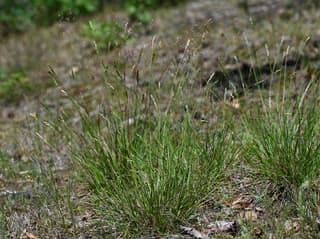
Heath-grass
Danthonia decumbens
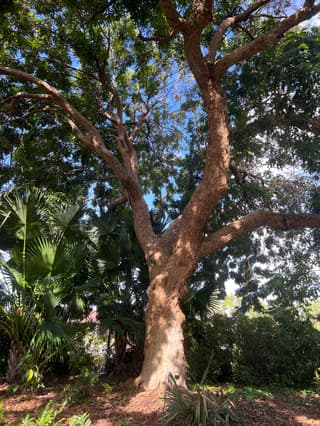
Longan
Dimocarpus longan
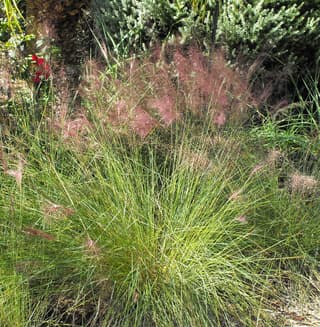
Pink Muhly Grass
Muhlenbergia capillaris
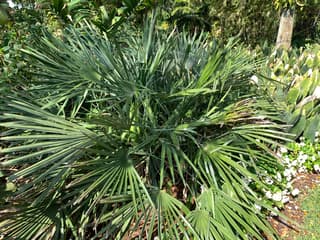
Needle Palm
Rhapidophyllum hystrix
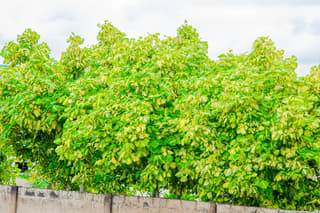
Southern Catalpa
Catalpa bignonioides
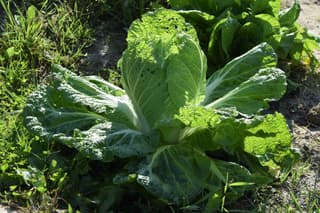
Chinese Cabbage
Brassica rapa pekinensis
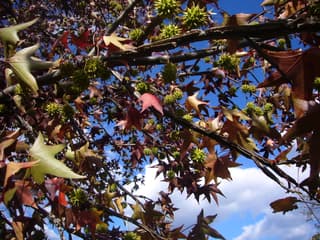
Sweetgum
Liquidambar styraciflua
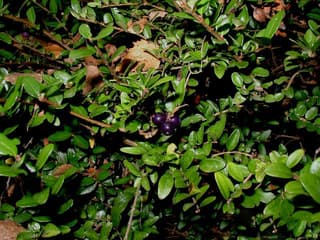
Boxleaf Honeysuckle
Lonicera nitida

Field Maple
Acer campestre

Common Blanketflower
Gaillardia aristata
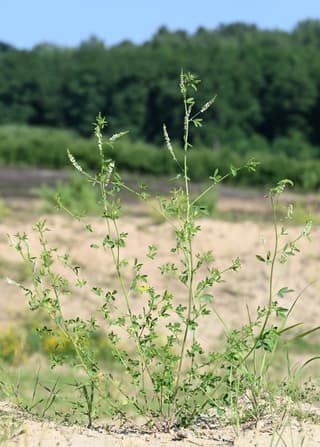
White sweet clover
Melilotus albus
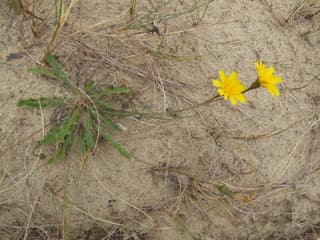
Lesser Hawkbit
Leontodon saxatilis
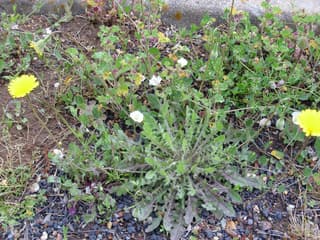
Rough Hawkbit
Leontodon hispidus
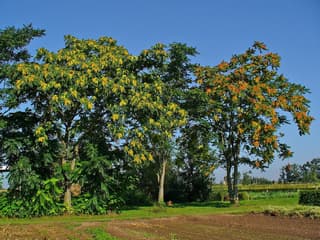
Tree of Heaven
Ailanthus
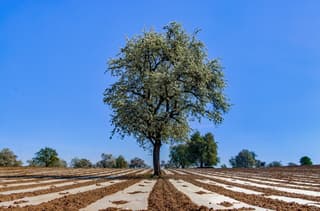
Pear
Pyrus
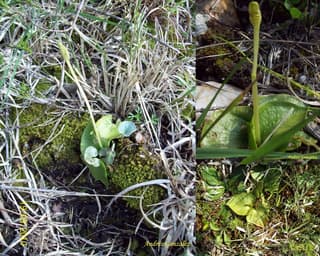
Bulbous Adder's-tongue
Ophioglossum crotalophoroides
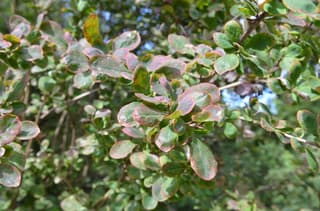
Ottawa Barberry
Berberis × ottawensis
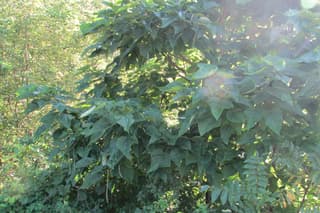
Northern Catalpa
Catalpa speciosa
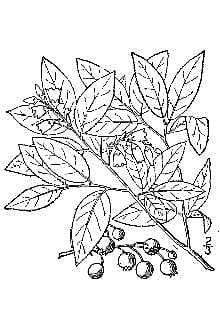
Hillside Blueberry
Vaccinium pallidum
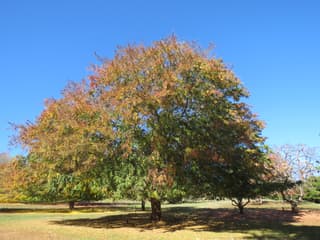
Chinese Elm
Ulmus parvifolia
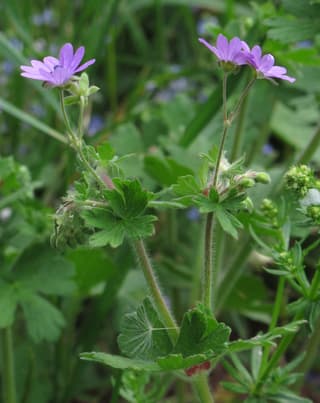
Hedgerow Cranesbill
Geranium pyrenaicum
Ideal Pet Safe for Lysekils kommun's Climate
Lysekils kommun has an average temperature of 8.3°C and humidity of 79.3%, conditions that directly influence which pet safe best adapt to the local environment.
How to Grow Pet Safe in Lysekils kommun
To successfully grow pet safe in Lysekils kommun, consider that the average temperature of 8.3°C and humidity of 79.3% create a specific microclimate. High humidity favors tropical species, but requires attention to ventilation to prevent fungal issues.
Advantages of Choosing Adapted Pet Safe
Pet Safe adapted to Lysekils kommun's climate show greater resistance, healthy growth, and less need for interventions.