500 Best Easy Care for Municipio de Ceres | 2026 Guide - Page 3
The 500 best easy care to grow in Municipio de Ceres. Ideal climate: 21.5°C, 63.4% humidity.
500 Easy Care for Municipio de Ceres
Showing 73-108 of 500
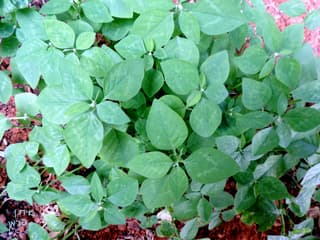
Grassleaf Spurge
Euphorbia graminea
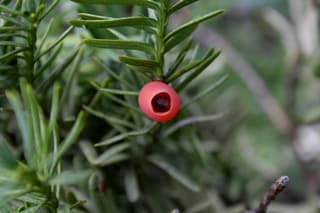
Japanese Yew
Taxus cuspidata
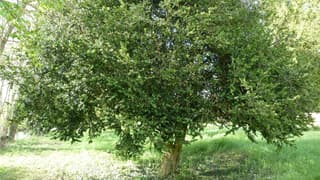
Boxwood
Buxus
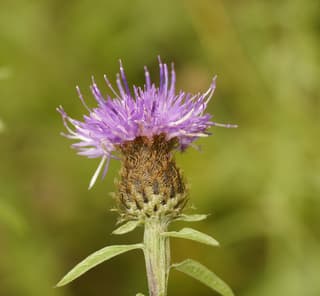
Common knapweed
Centaurea nigra
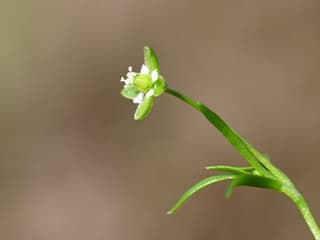
Procumbent pearlwort
Sagina procumbens
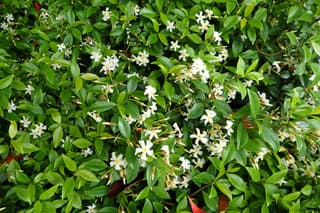
Asian Jasmine
Trachelospermum asiaticum
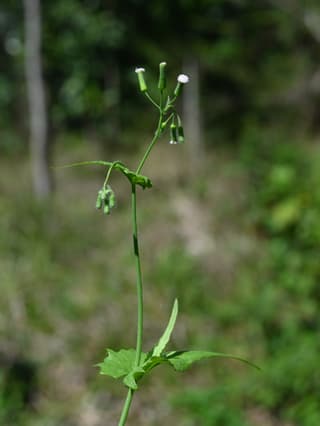
Lilac tassel flower
Emilia sonchifolia
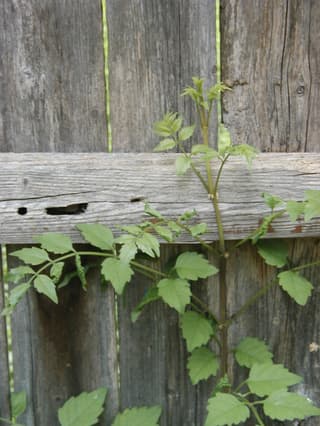
Trumpet Creeper
Campsis radicans
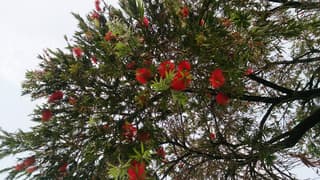
Crimson bottlebrush
Melaleuca citrina
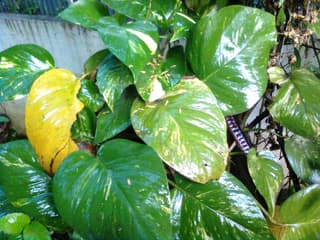
Golden Pothos
Epipremnum aureum
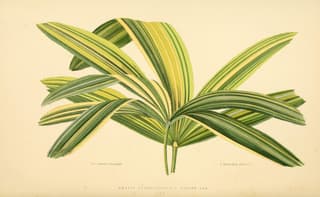
Lady Palm
Rhapis excelsa
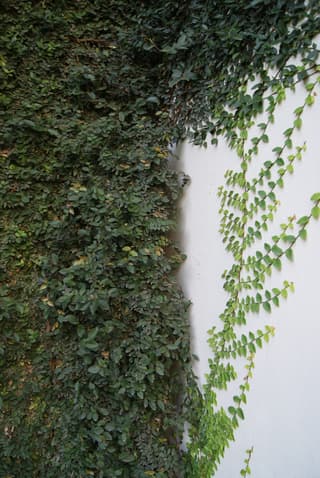
Creeping Fig
Ficus pumila
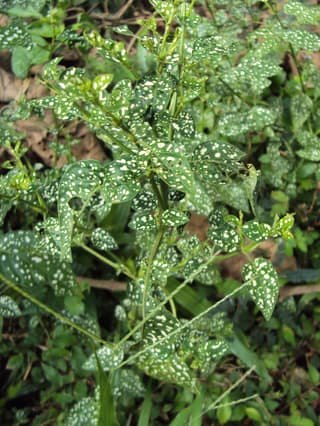
Polka Dot Plant
Hypoestes phyllostachya
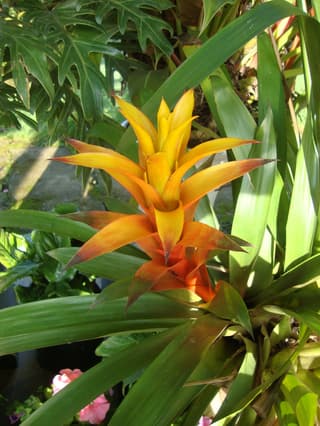
Scarlet Star
Guzmania lingulata
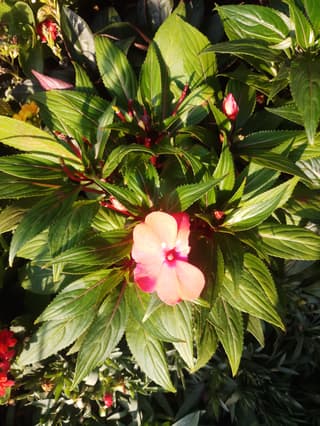
Busy Lizzie
Impatiens walleriana
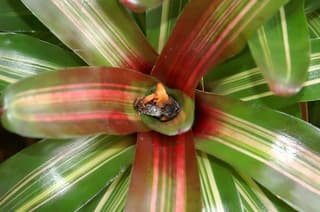
Blushing Bromeliad
Neoregelia carolinae
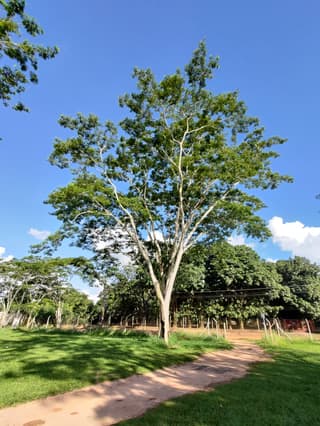
White Silk Tree
Albizia niopoides
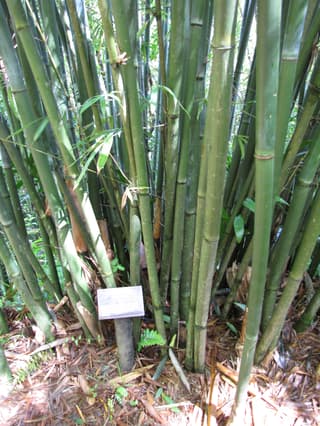
Slender Weavers Bamboo
Bambusa textilis gracili

Wax Begonia
Begonia semperflorens
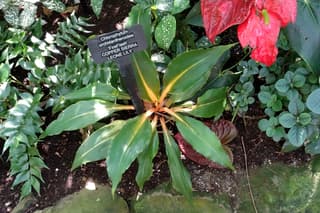
Mandarin Plant
Chlorophytum orchidastrum
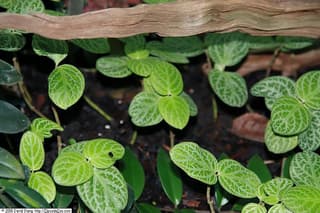
Veined Chamaeranthemum
Chamaeranthemum venosum
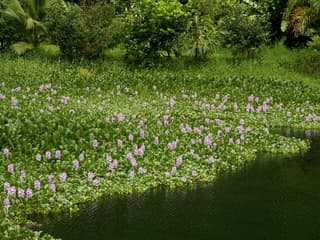
Water Hyacinth
Eichhornia crassipes
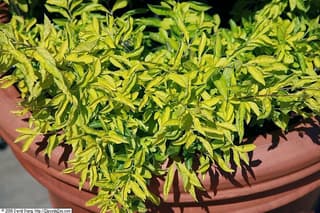
Golden Dewdrop
Duranta erecta aurea
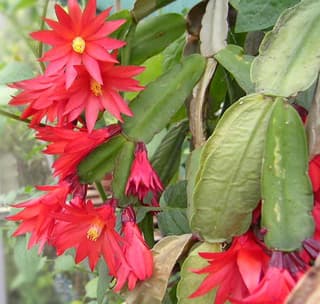
Easter Cactus
Hatiora gaertneri
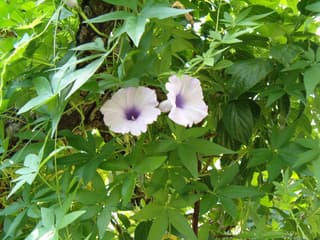
Mile-a-minute vine
Ipomoea cairica
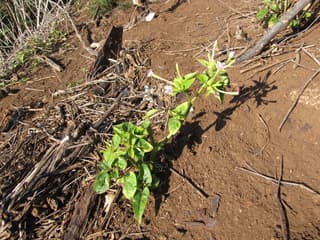
Four O'Clock Flower
Mirabilis jalapa
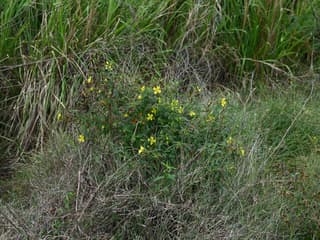
Mexican Primrose-Willow
Ludwigia octovalvis
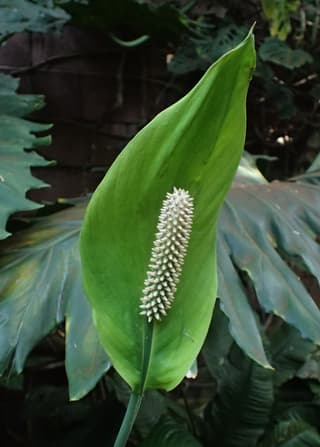
Peace Lily
Spathiphyllum blandum
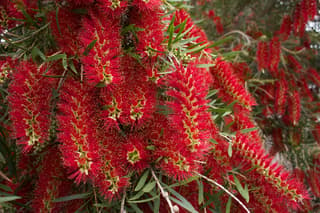
Weeping Bottlebrush
Melaleuca viminalis
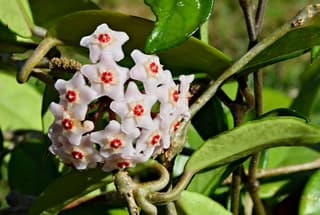
Wax Plant
Hoya
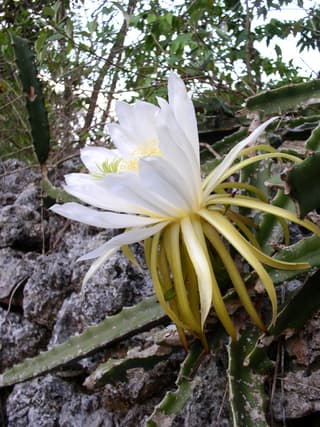
Strawberry Pear
Selenicereus triangularis
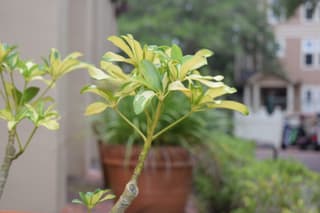
Umbrella Tree
Heptapleurum
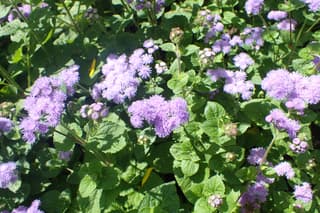
Floss Flower
Ageratum houstonianum
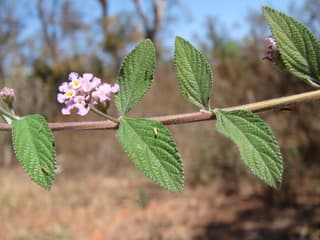
Bushy Lippia
Lippia alba
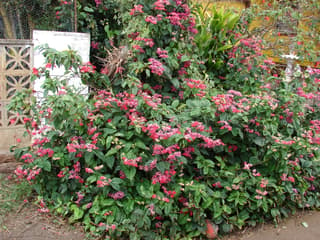
Red Bleeding Heart Vine
Clerodendrum × speciosum
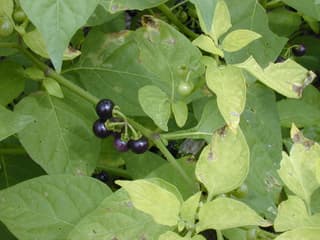
American Black Nightshade
Solanum americanum
Ideal Easy Care for Municipio de Ceres's Climate
Municipio de Ceres has an average temperature of 21.5°C and humidity of 63.4%, conditions that directly influence which easy care best adapt to the local environment.
How to Grow Easy Care in Municipio de Ceres
To successfully grow easy care in Municipio de Ceres, consider that the average temperature of 21.5°C and humidity of 63.4% create a specific microclimate. Moderate humidity is favorable for most species in this category.
Advantages of Choosing Adapted Easy Care
Easy Care adapted to Municipio de Ceres's climate show greater resistance, healthy growth, and less need for interventions.