500 Best Pet Safe for Novo Hamburgo | 2026 Guide - Page 5
The 500 best pet safe to grow in Novo Hamburgo. Ideal climate: 20.2°C, 78.2% humidity.
500 Pet Safe for Novo Hamburgo
Showing 145-180 of 500
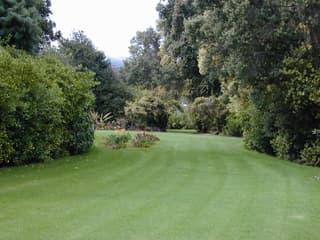
Canna Lily
Canna x generalis
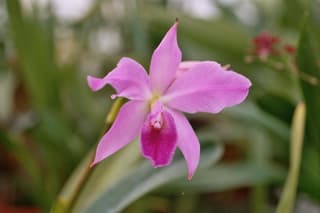
Cattleya Orchid
Cattleya spp
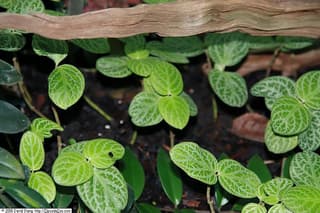
Veined Chamaeranthemum
Chamaeranthemum venosum
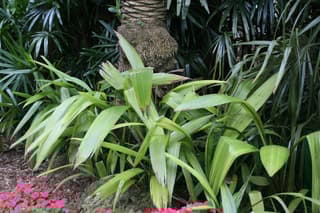
Palm Grass
Curculigo capitulata
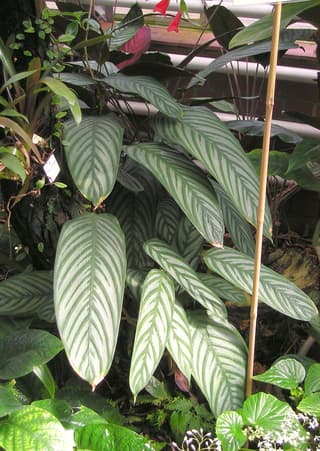
Grey Star
Ctenanthe setosa
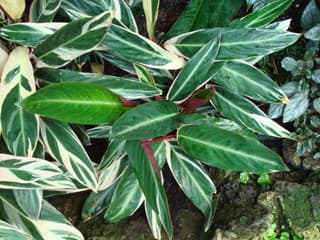
Never Never Plant
Ctenanthe oppenheimiana
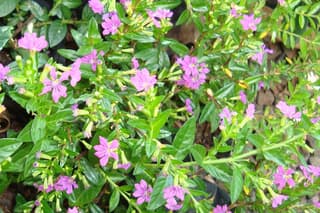
Slender Cuphea
Cuphea gracilis
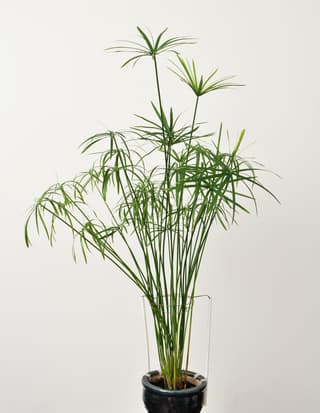
Umbrella Papyrus
Cyperus alternifolius
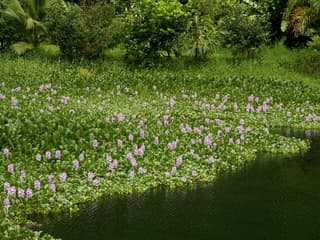
Water Hyacinth
Eichhornia crassipes
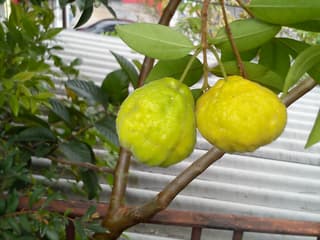
Uvaia
Eugenia pyriformis
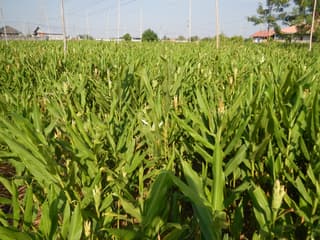
White Ginger Lily
Hedychium coronarium
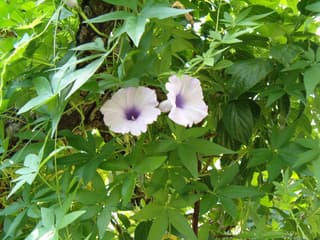
Mile-a-minute vine
Ipomoea cairica
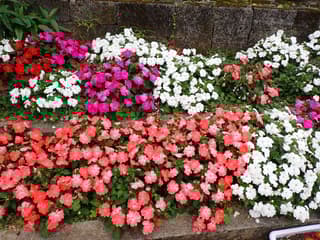
New Guinea Impatiens
Impatiens hawkeri
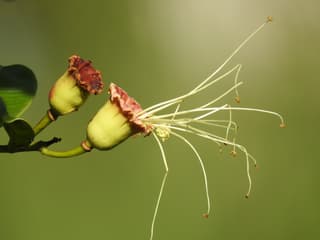
Thimble Tree
Lafoensia pacari
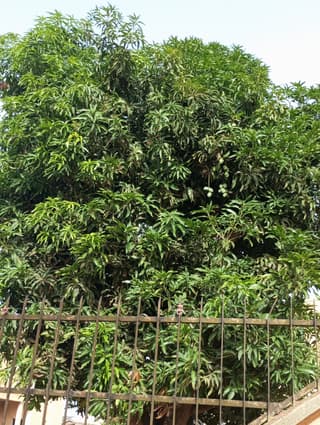
Mango Tree
Mangifera indica
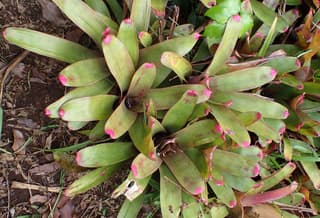
Blushing Bromeliad
Neoregelia sp
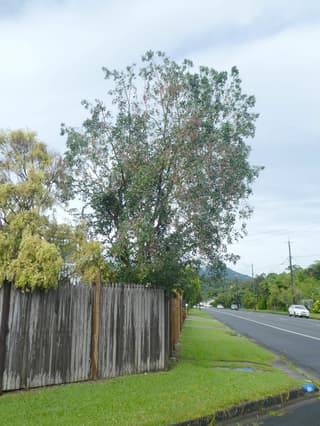
Brush Cherry
Eugenia myrtifolia
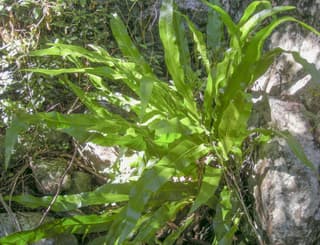
Fishtail Fern
Microsorum punctatum
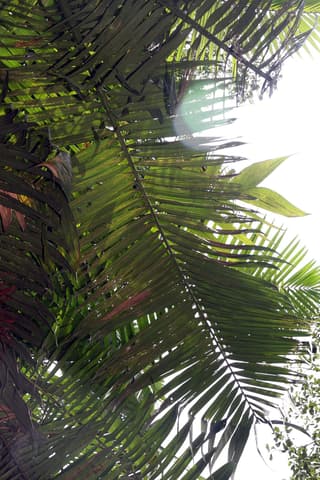
Breadnut
Brosimum alicastrum
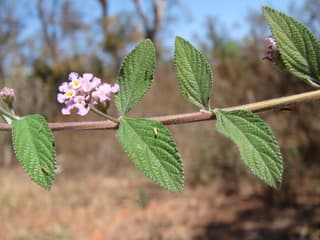
Bushy Lippia
Lippia alba
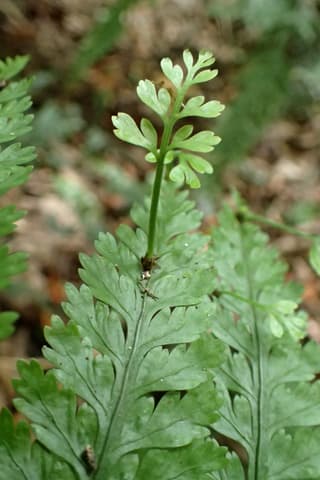
Hen and Chickens Fern
Asplenium bulbiferum
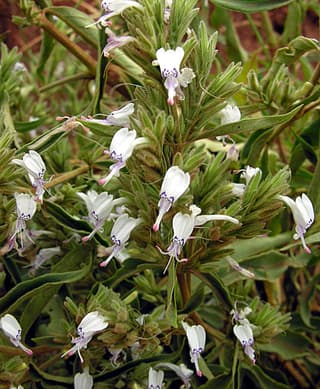
White Ribbon Bush
Hypoestes forskaolii
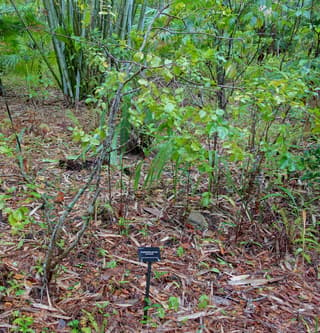
Black Ironwood
Krugiodendron ferreum
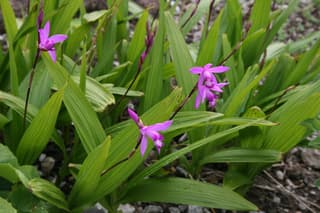
Chinese Ground Orchid
Bletilla striata
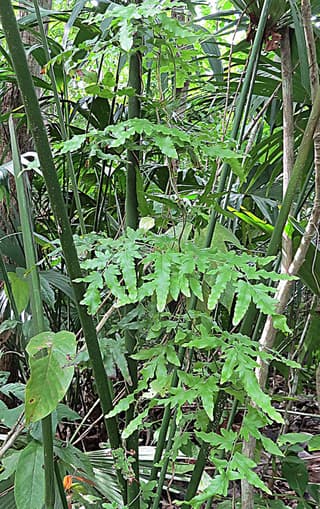
Climbing Fern
Lygodium venustum
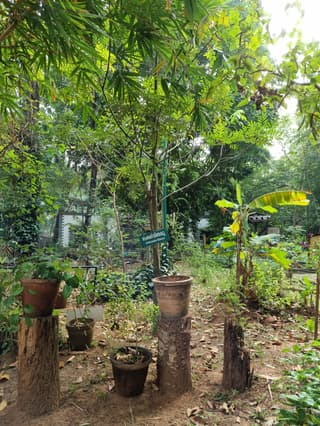
Bitterwood
Simarouba glauca
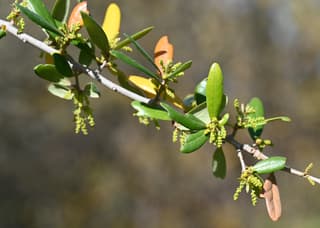
Southern Live Oak
Quercus virginiana
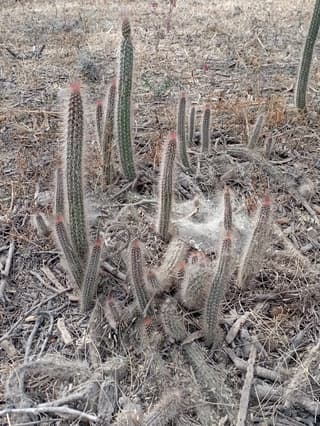
Snake Cactus, Junco, Queen of the Night
Nyctocereus serpentinus
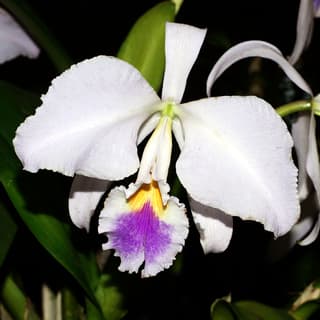
Mendel's Cattleya
Cattleya mendelii
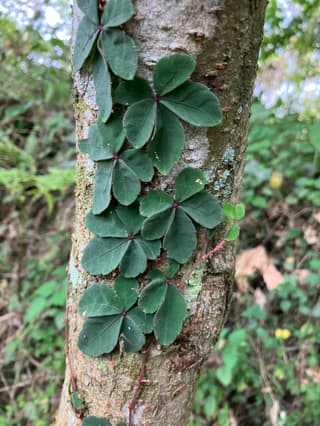
Lizard Vine
Tetrastigma obtectum
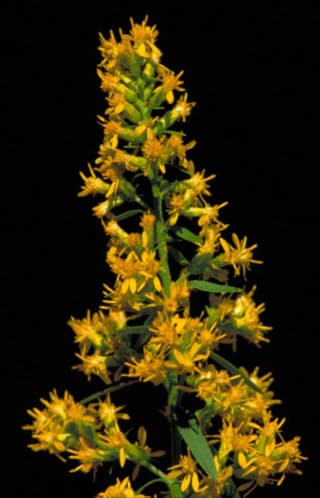
Goldenrod
Solidago
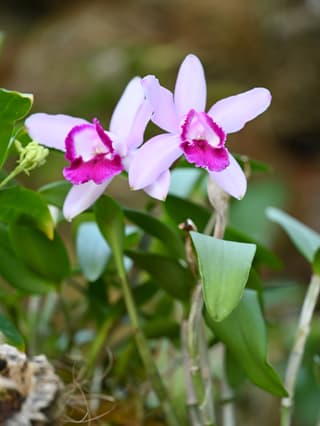
Easter Cattleya
Cattleya intermedia
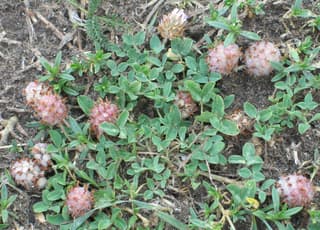
Strawberry Clover
Trifolium fragiferum
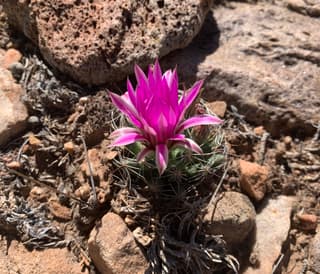
Wright's Fishhook Cactus
Cochemiea wrightii
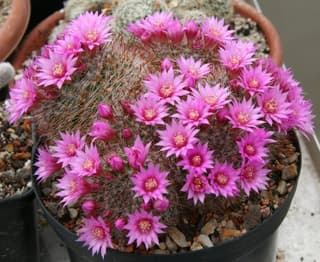
Rose Pincushion Cactus
Mammillaria zeilmanniana
Rooting Shank
Hymenopellis radicata
Ideal Pet Safe for Novo Hamburgo's Climate
Novo Hamburgo has an average temperature of 20.2°C and humidity of 78.2%, conditions that directly influence which pet safe best adapt to the local environment.
How to Grow Pet Safe in Novo Hamburgo
To successfully grow pet safe in Novo Hamburgo, consider that the average temperature of 20.2°C and humidity of 78.2% create a specific microclimate. High humidity favors tropical species, but requires attention to ventilation to prevent fungal issues.
Advantages of Choosing Adapted Pet Safe
Pet Safe adapted to Novo Hamburgo's climate show greater resistance, healthy growth, and less need for interventions.