500 Best Easy Care for Ponta Porã | 2026 Guide - Page 11
The 500 best easy care to grow in Ponta Porã. Ideal climate: 22.9°C, 73.9% humidity.
500 Easy Care for Ponta Porã
Showing 361-396 of 500
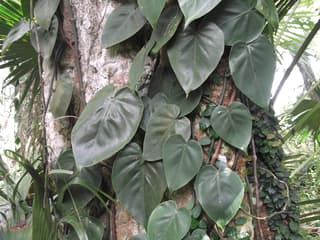
Heartleaf Philodendron
Philodendron hederaceum
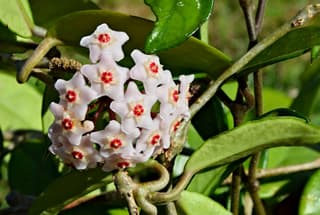
Wax Plant
Hoya carnosa
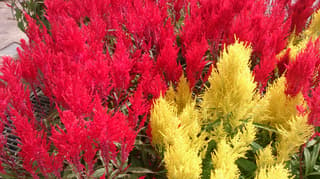
Plumed Cockscomb
Celosia argentea var. plumosa
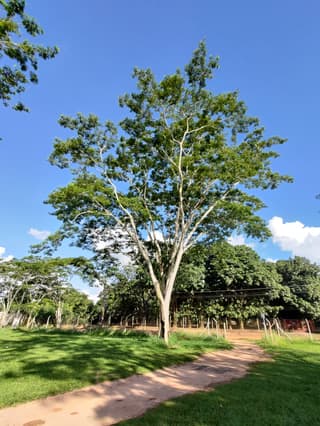
White Silk Tree
Albizia niopoides
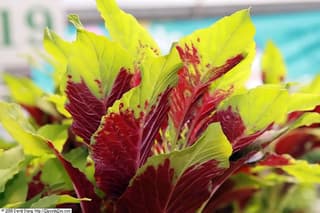
Joseph's Coat
Amaranthus tricolor
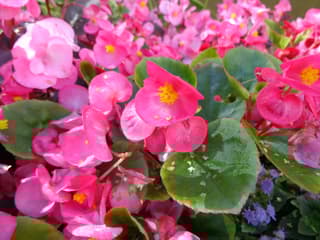
Wax Begonia
Begonia semperflorens
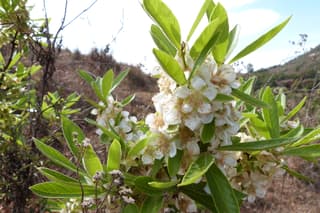
Guabiroba
Campomanesia pubescens
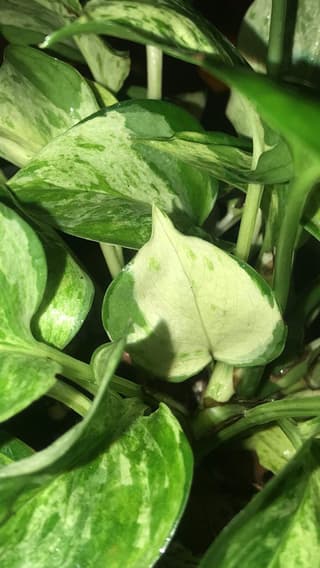
Manjula Pothos
Epipremnum aureum 'Manjula'
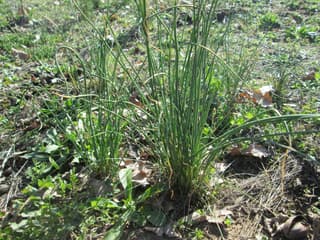
Wild Garlic
Allium vineale
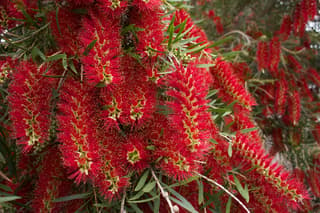
Weeping Bottlebrush
Melaleuca viminalis
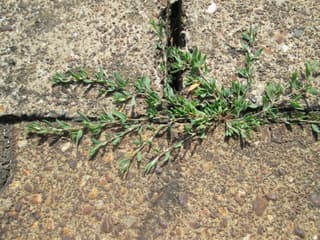
Oval-leaf Knotweed
Polygonum arenastrum
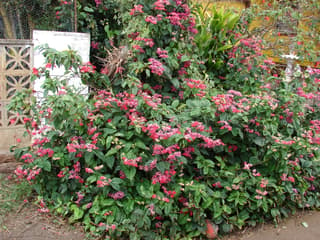
Red Bleeding Heart Vine
Clerodendrum × speciosum
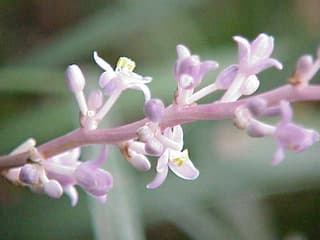
White Lilyturf
Ophiopogon jaburan
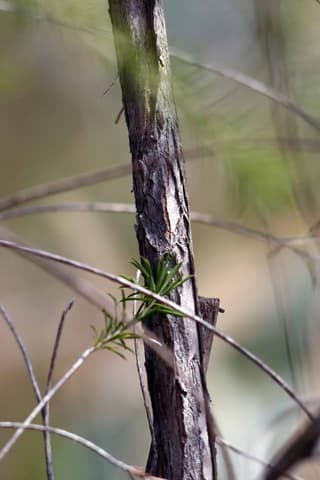
Bracelet Honey Myrtle
Melaleuca armillaris
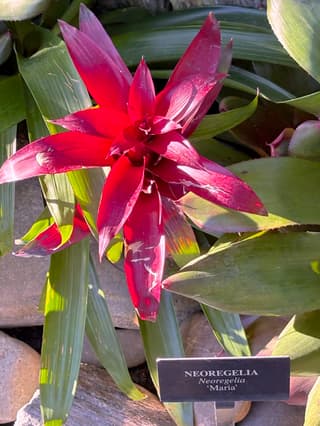
Blushing Bromeliad
Neoregelia
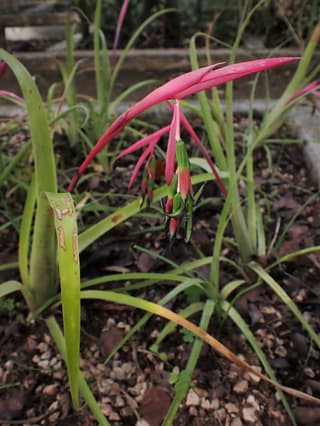
Queen's Tears
Billbergia nutans
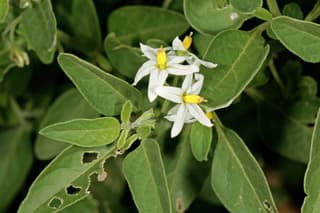
Tall nightshade
Solanum chenopodioides
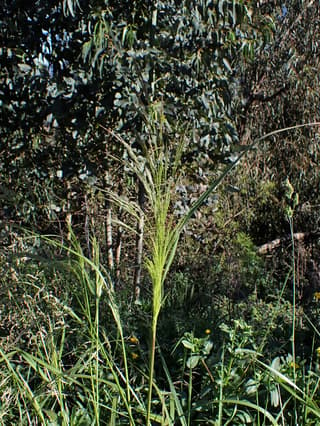
Johnson grass
Sorghum halepense
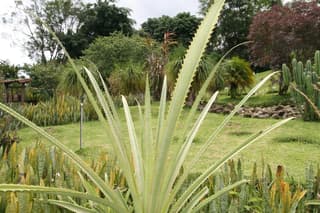
Wild Pineapple
Bromelia pinguin
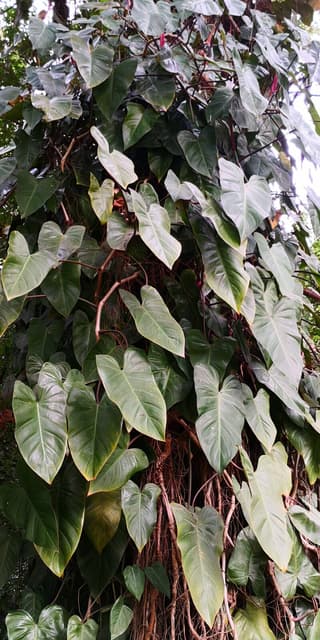
Imperial Green Philodendron
Philodendron 'Imperial Green'
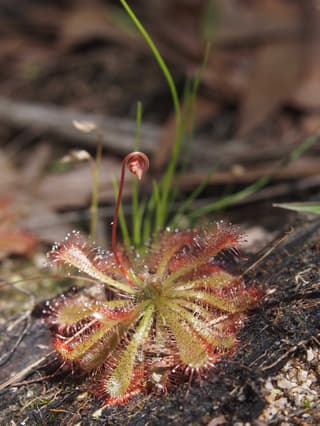
Spoon-leaved sundew
Drosera spatulata
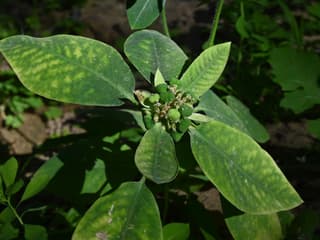
Mexican Fireplant
Euphorbia heterophylla
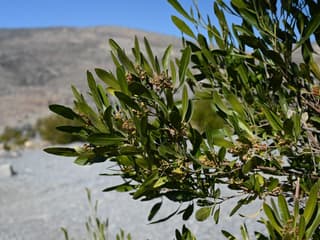
Hop bush
Dodonaea viscosa
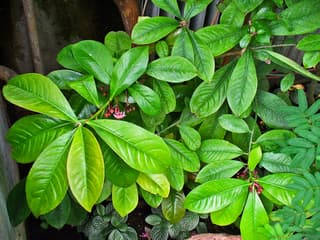
Coralberry
Ardisia
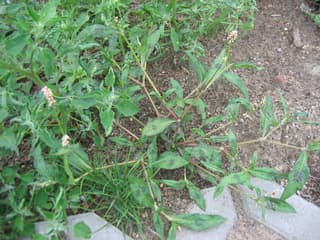
Lady's Thumb
Persicaria maculosa
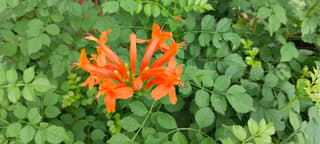
Cape Honeysuckle
Tecoma capensis
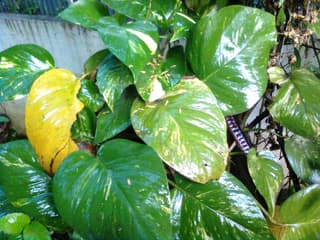
Golden Pothos
Epipremnum aureum
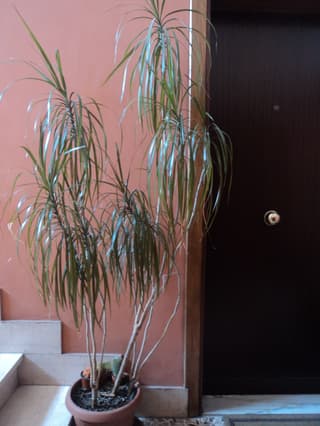
Dragon Tree
Dracaena marginata
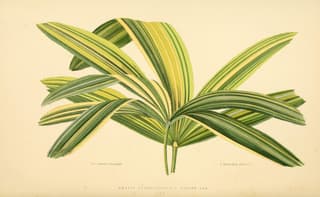
Lady Palm
Rhapis excelsa
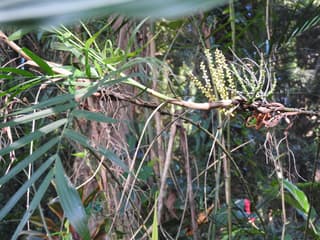
Bamboo Palm
Chamaedorea seifrizii
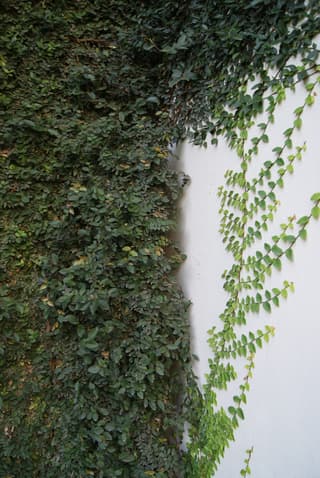
Creeping Fig
Ficus pumila
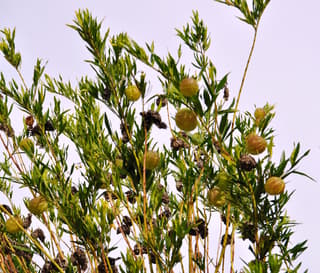
Balloon Plant
Asclepias physocarpa
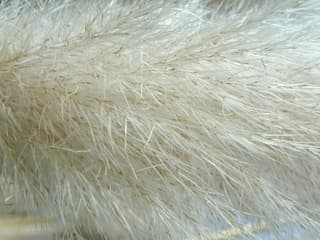
Pampas Grass
Cortaderia selloana
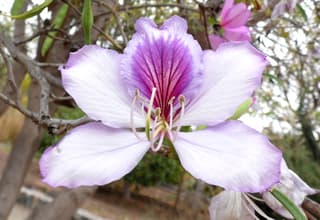
Orchid Tree
Bauhinia variegata
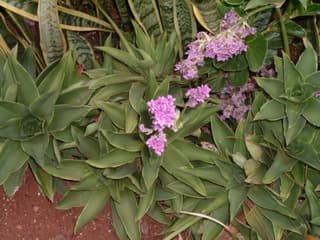
Basket Plant
Callisia warszewicziana
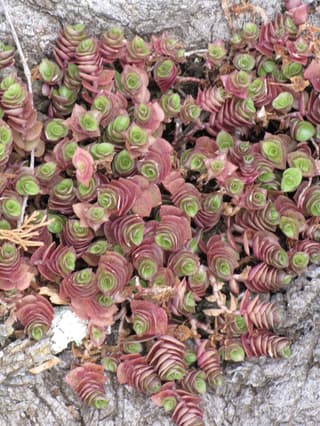
Turtle Vine
Callisia repens
Ideal Easy Care for Ponta Porã's Climate
Ponta Porã has an average temperature of 22.9°C and humidity of 73.9%, conditions that directly influence which easy care best adapt to the local environment.
How to Grow Easy Care in Ponta Porã
To successfully grow easy care in Ponta Porã, consider that the average temperature of 22.9°C and humidity of 73.9% create a specific microclimate. High humidity favors tropical species, but requires attention to ventilation to prevent fungal issues.
Advantages of Choosing Adapted Easy Care
Easy Care adapted to Ponta Porã's climate show greater resistance, healthy growth, and less need for interventions.