307 Best Succulents for Reeves County | 2026 Guide - Page 7
The 307 best succulents to grow in Reeves County. Ideal climate: 21.5°C, 37.8% humidity.
307 Succulents for Reeves County
Showing 217-252 of 307
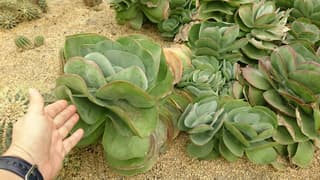
Flapjack Plant
Kalanchoe luciae
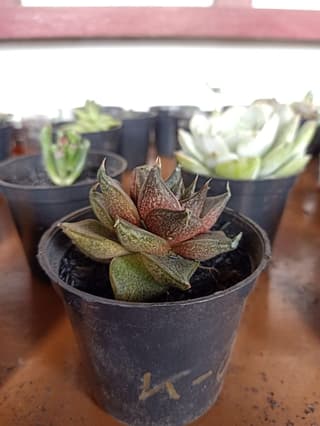
Purpus's Echeveria
Echeveria purpusorum
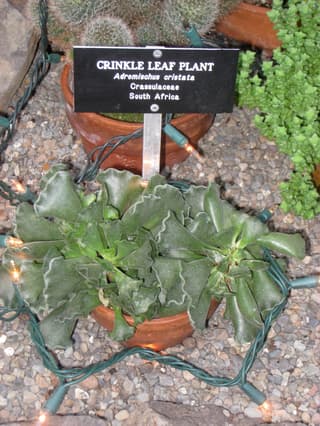
Crinkle-leaf Plant
Adromischus cristatus
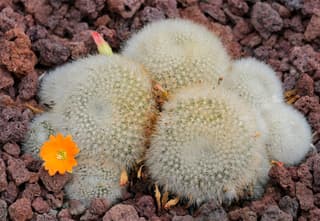
Red Crown Cactus
Rebutia minuscula
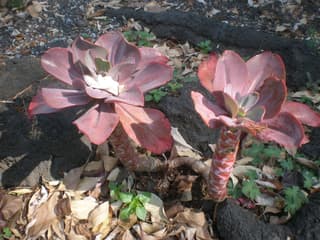
Carnival Echeveria
Echeveria gibbiflora
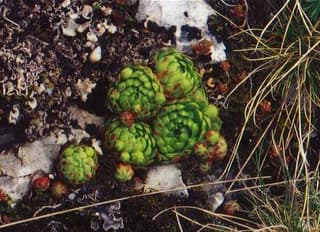
Globe Houseleek
Sempervivum globiferum
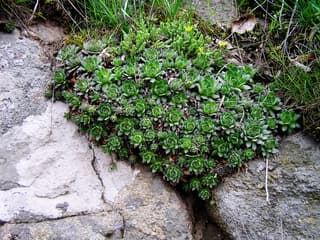
Russian Houseleek
Sempervivum ruthenicum
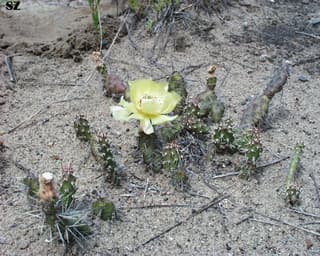
Brittle Prickly Pear
Opuntia fragilis
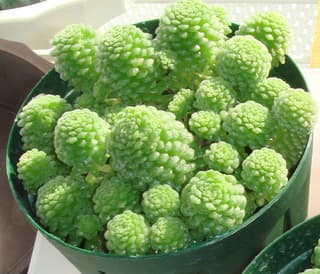
Monanthes polyphylla
Monanthes polyphylla

Corsican Stonecrop
Sedum dasyphyllum
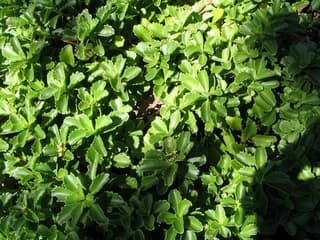
Kamchatka Stonecrop
Phedimus kamtschaticus
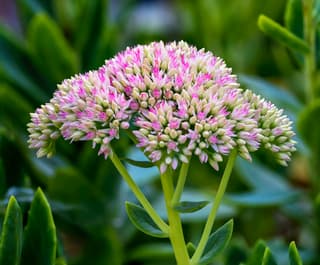
Autumn Joy Sedum
Hylotelephium
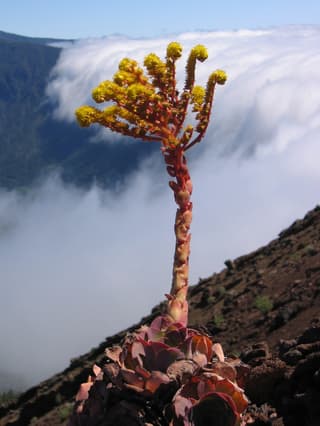
Canary Island Rose
Aeonium aureum
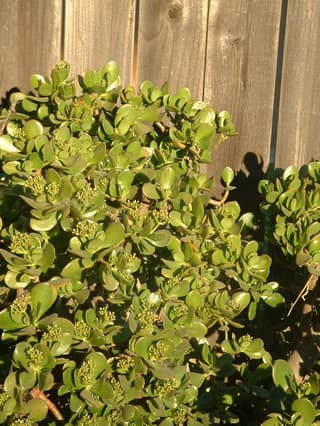
Jade Plant
Crassula ovata
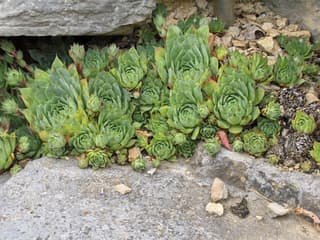
Common Houseleek
Sempervivum tectorum
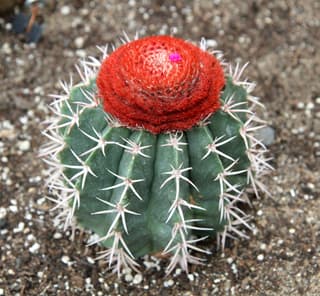
Turk's Cap Cactus
Melocactus zehntneri
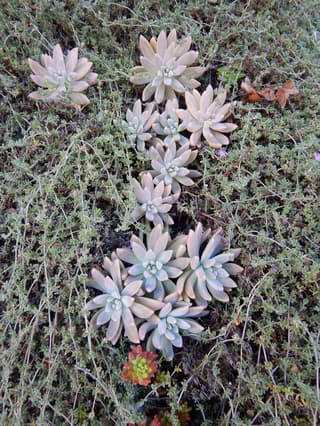
Graptosedum
Graptosedum
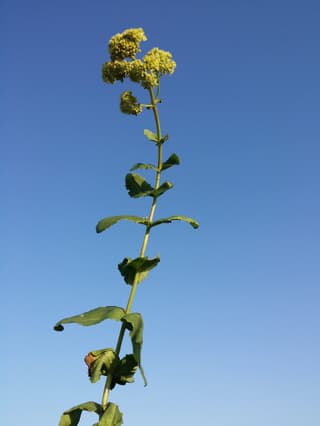
Great Stonecrop
Hylotelephium maximum
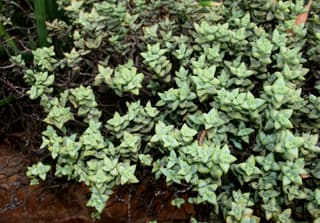
Concertina Plant
Crassula rupestris
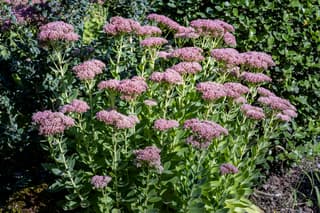
Orpine
Hylotelephium telephium
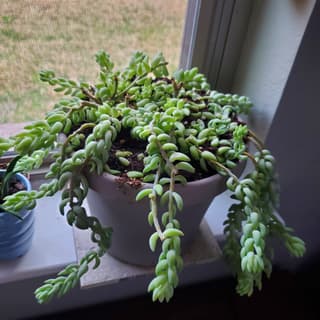
Stonecrop (genus)
Sedum
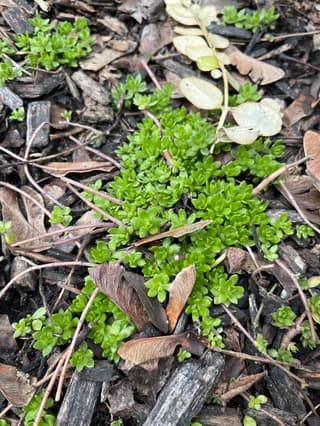
Stringy Stonecrop
Sedum sarmentosum
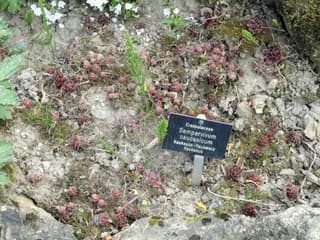
Caucasian Houseleek
Sempervivum caucasicum
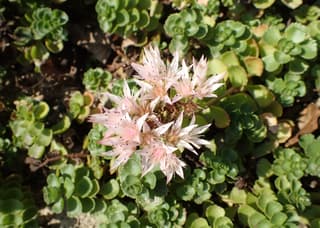
Two-row Stonecrop
Phedimus spurius
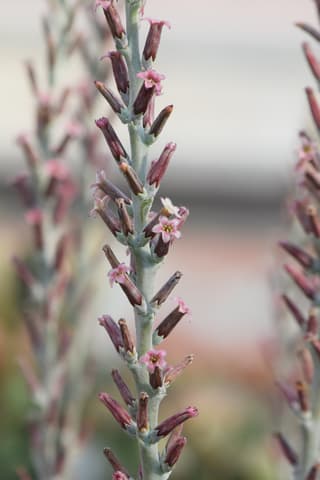
Plover Eggs Plant
Adromischus
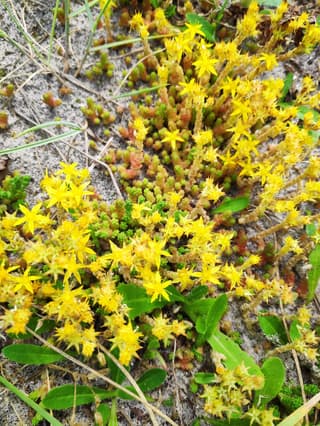
Goldmoss stonecrop
Sedum acre

Copper Spoons
Kalanchoe orgyalis

Sim's Aeonium
Aeonium simsii

Two-row Stonecrop
Sedum spurium
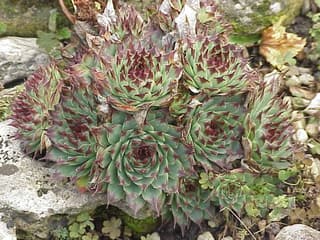
Limestone Houseleek
Sempervivum calcareum
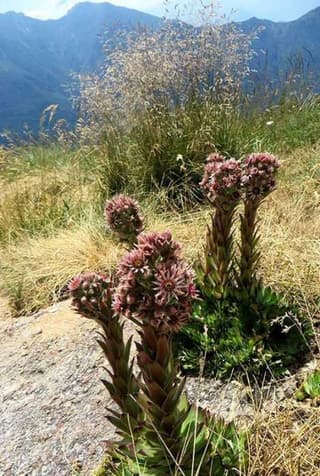
Hens and Chicks
Sempervivum
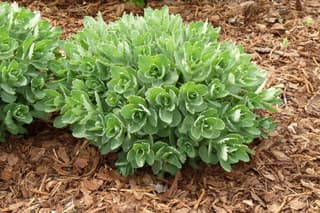
Showy Stonecrop
Hylotelephium spectabile
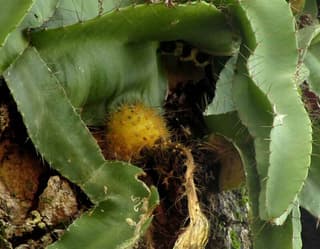
Dog-tail Cactus
Deamia testudo
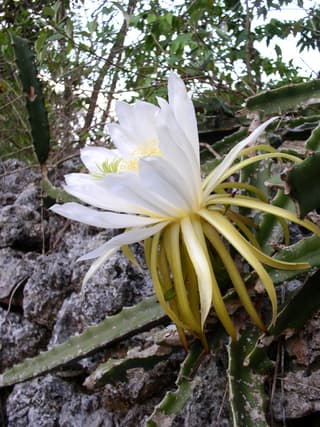
Strawberry Pear
Selenicereus triangularis
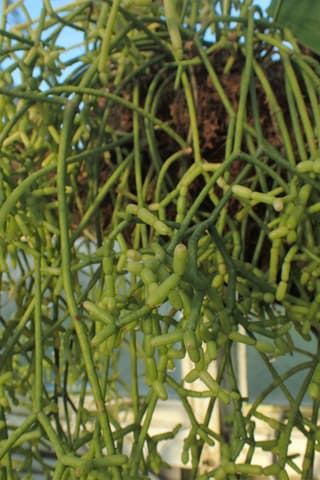
Rice Cactus
Rhipsalis cereuscula
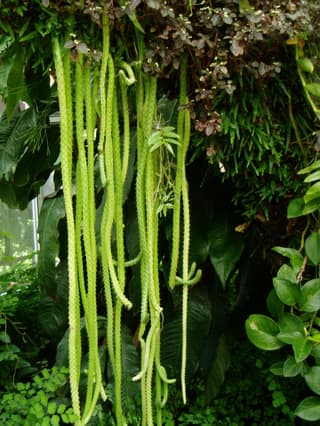
Rat Tail Cactus
Disocactus flagelliformis
Ideal Succulents for Reeves County's Climate
Reeves County has an average temperature of 21.5°C and humidity of 37.8%, conditions that directly influence which succulents best adapt to the local environment.
How to Grow Succulents in Reeves County
To successfully grow succulents in Reeves County, consider that the average temperature of 21.5°C and humidity of 37.8% create a specific microclimate. Lower humidity requires more frequent watering and use of drip trays.
Advantages of Choosing Adapted Succulents
Succulents adapted to Reeves County's climate show greater resistance, healthy growth, and less need for interventions.