500 Best Pet Safe for San Ramón de la Nueva Orán | 2026 Guide - Page 8
The 500 best pet safe to grow in San Ramón de la Nueva Orán. Ideal climate: 23.3°C, 68.3% humidity.
500 Pet Safe for San Ramón de la Nueva Orán
Showing 253-288 of 500
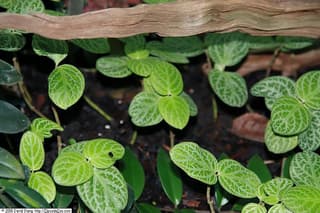
Veined Chamaeranthemum
Chamaeranthemum venosum
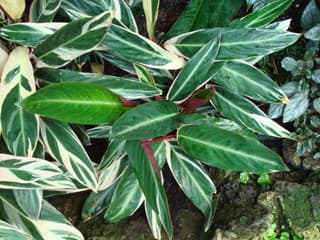
Never Never Plant
Ctenanthe oppenheimiana
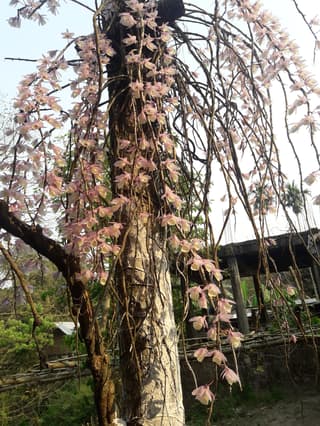
Hooded Orchid
Dendrobium aphyllum
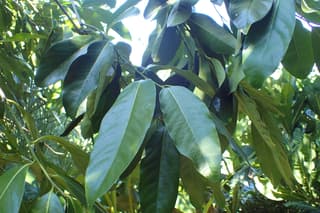
Black Sapote
Diospyros nigra
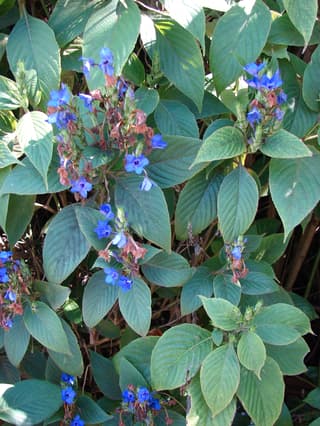
Blue Sage
Eranthemum pulchellum
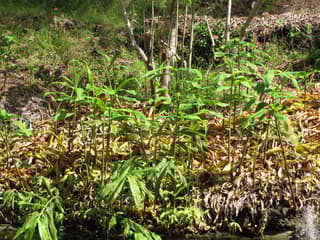
Yellow Marsh Ginger Lily
Hedychium chrysoleucum
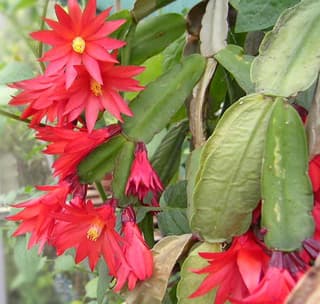
Easter Cactus
Hatiora gaertneri
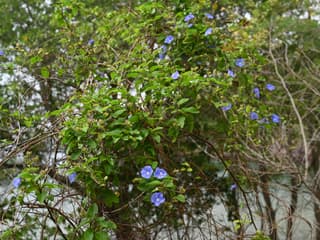
Skyblue Clustervine
Jacquemontia pentanthos
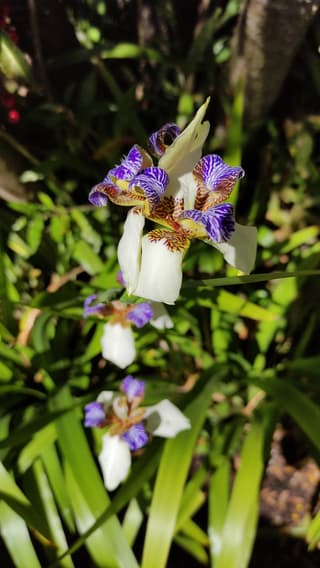
Yellow Walking Iris
Trimezia gracilis
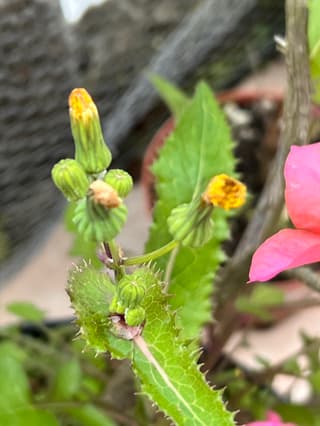
Sow Thistle
Sonchus
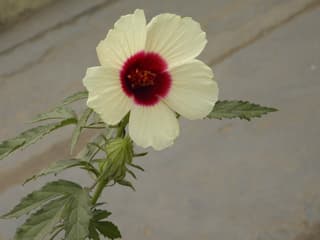
Kenaf
Hibiscus cannabinus
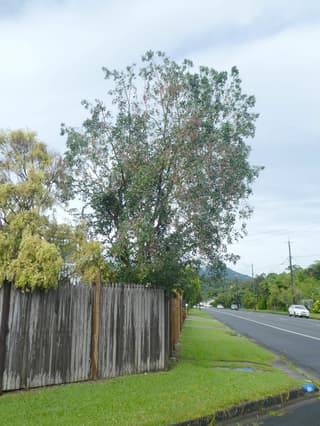
Brush Cherry
Eugenia myrtifolia
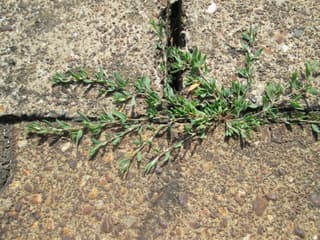
Oval-leaf Knotweed
Polygonum arenastrum
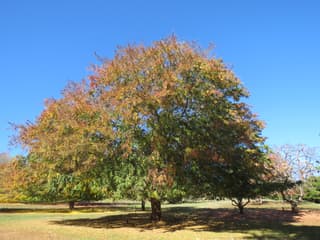
Chinese Elm
Ulmus parvifolia

Velvetseed
Guettarda
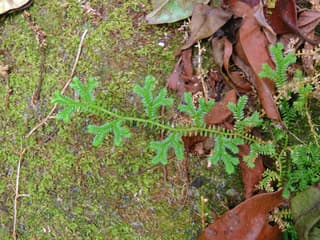
Spikemoss
Selaginella
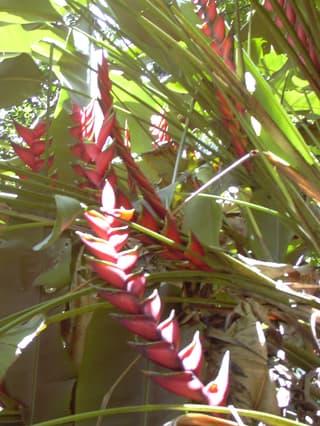
Lobster Claw
Heliconia bihai
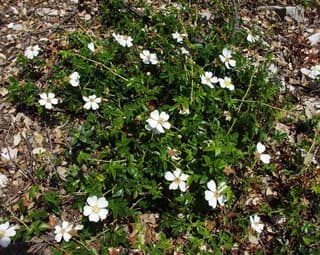
Evergreen Rose
Rosa sempervirens
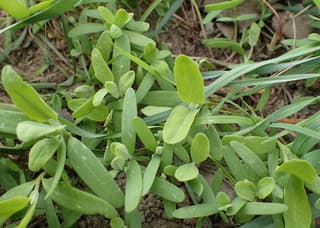
Common Orache
Atriplex patula
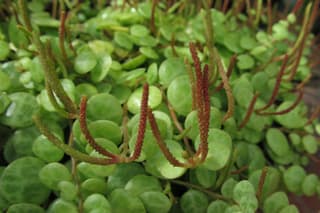
String of Turtles
Peperomia prostrata
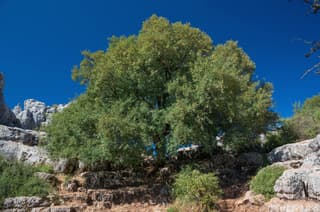
Montpellier maple
Acer monspessulanum
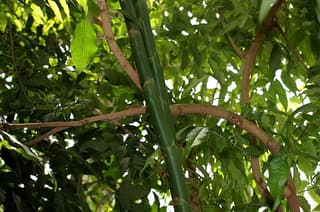
Arabian Spiral Ginger
Costus arabicus
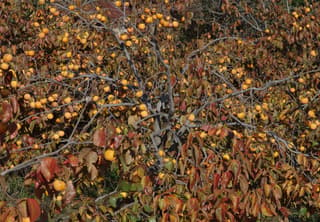
Japanese Persimmon
Diospyros kaki
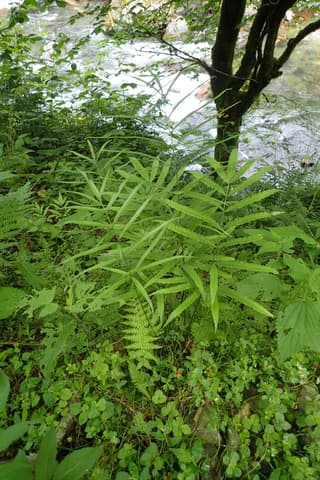
Brake Fern
Pteris
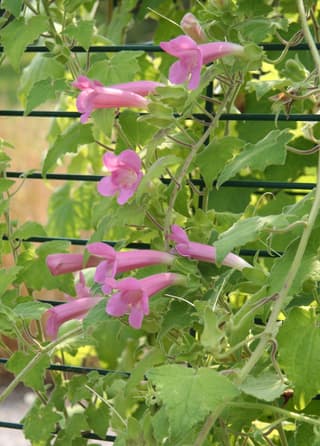
Climbing Snapdragon
Lophospermum erubescens
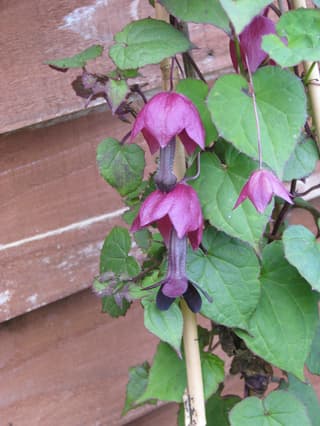
Purple Bells
Rhodochiton atrosanguineus
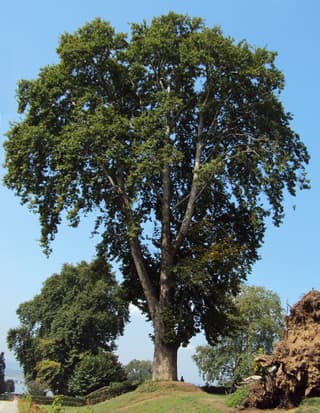
Plane Tree
Platanus

Laurel Clockvine
Thunbergia laurifolia
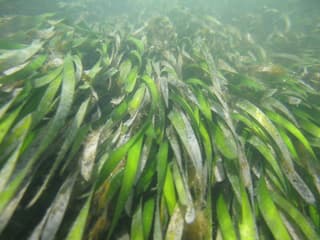
Turtle grass
Thalassia testudinum
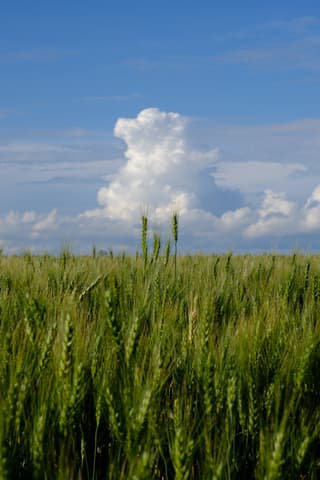
Common wheat
Triticum aestivum
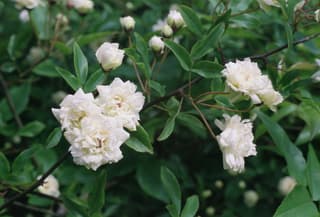
Lady Banks' Rose
Rosa banksiae

Blushing Bromeliad
Neoregelia
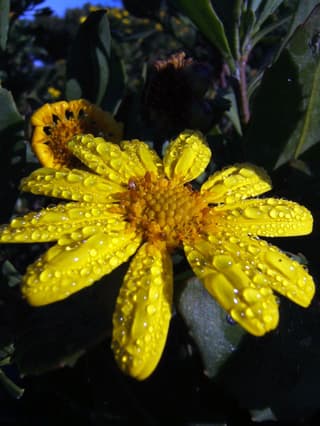
Bietou
Osteospermum moniliferum
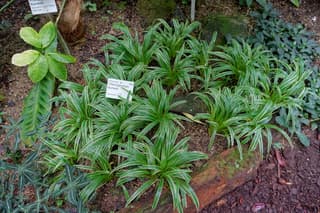
Zebra Grass Spider Plant
Chlorophytum laxum
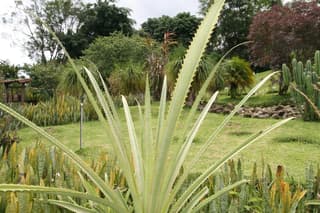
Wild Pineapple
Bromelia pinguin
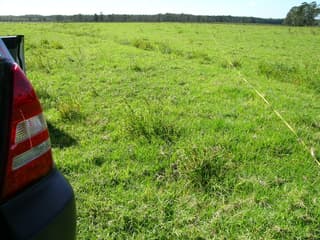
Kikuyu Grass
Cenchrus clandestinus
Ideal Pet Safe for San Ramón de la Nueva Orán's Climate
San Ramón de la Nueva Orán has an average temperature of 23.3°C and humidity of 68.3%, conditions that directly influence which pet safe best adapt to the local environment.
How to Grow Pet Safe in San Ramón de la Nueva Orán
To successfully grow pet safe in San Ramón de la Nueva Orán, consider that the average temperature of 23.3°C and humidity of 68.3% create a specific microclimate. Moderate humidity is favorable for most species in this category.
Advantages of Choosing Adapted Pet Safe
Pet Safe adapted to San Ramón de la Nueva Orán's climate show greater resistance, healthy growth, and less need for interventions.