500 Best Easy Care for Santiago de Querétaro | 2026 Guide - Page 4
The 500 best easy care to grow in Santiago de Querétaro. Ideal climate: 19.1°C, 55.8% humidity.
500 Easy Care for Santiago de Querétaro
Showing 109-144 of 500
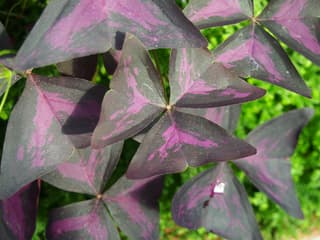
Purple Shamrock
Oxalis triangularis
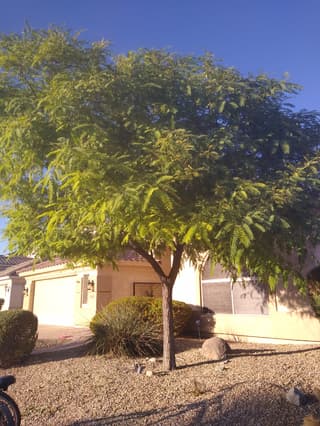
Tipu tree
Tipuana tipu
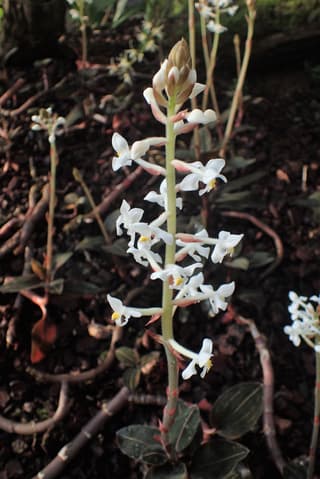
Jewel Orchid
Ludisia discolor
Shrimp Plant
Justicia brandegeeana
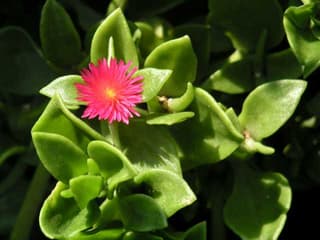
Baby Sun Rose
Aptenia cordifolia
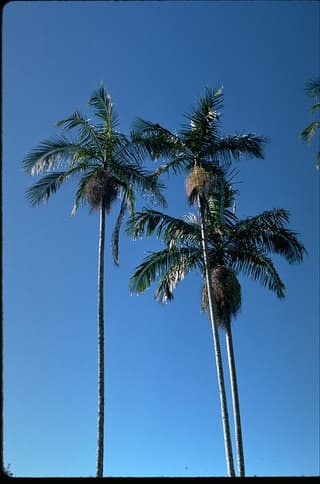
Bangalow Palm
Archontophoenix cunninghamiana
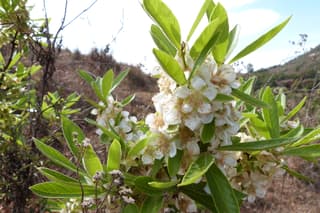
Guabiroba
Campomanesia pubescens
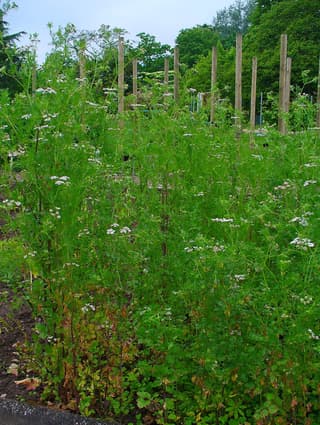
Coriander
Coriandrum sativum
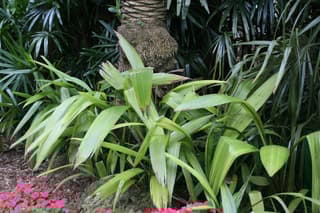
Palm Grass
Curculigo capitulata
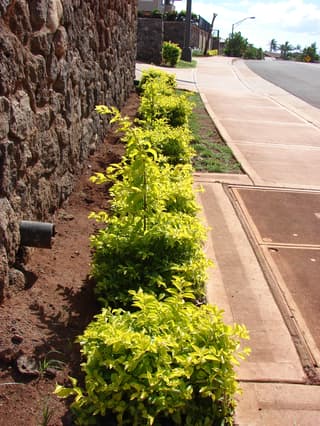
Golden Dewdrop
Duranta erecta
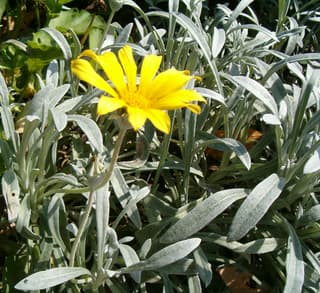
Treasure Flower
Gazania rigens
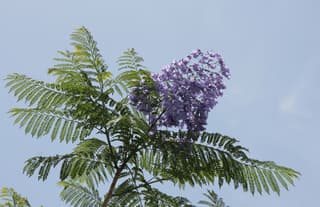
Blue Jacaranda
Jacaranda mimosaefolia
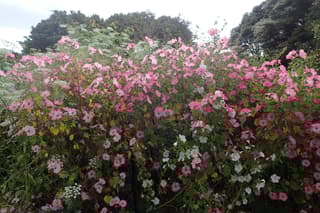
Rose Mallow
Lavatera trimestris
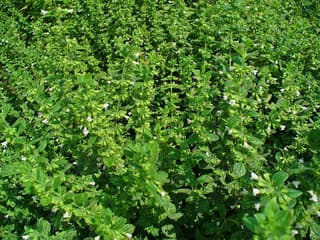
Lemon Balm
Melissa officinalis
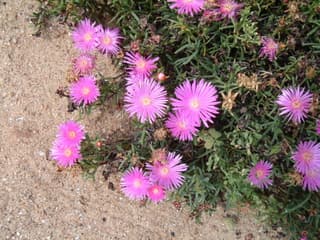
Purple Ice Plant
Lampranthus productus

Common Blanketflower
Gaillardia aristata
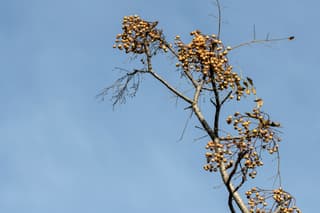
Chinaberry Tree
Melia azedarach
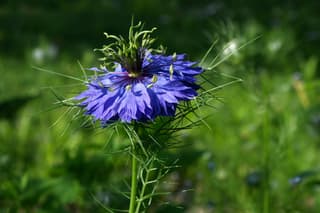
Love-in-a-mist
Nigella damascena
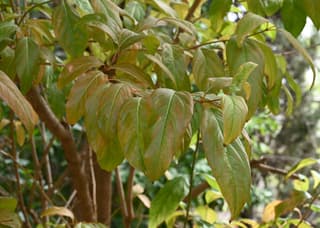
Fiddlewood
Citharexylum spinosum
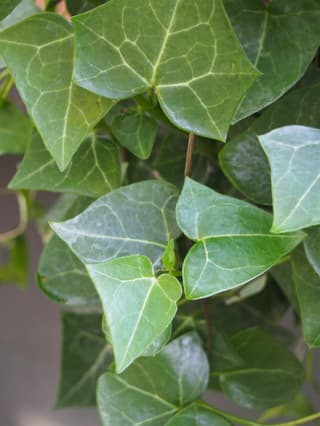
Cape Ivy
Senecio macroglossus
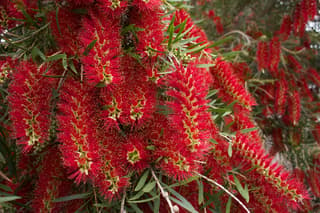
Weeping Bottlebrush
Melaleuca viminalis
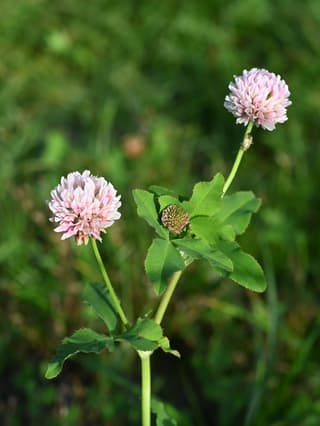
Alsike Clover
Trifolium hybridum
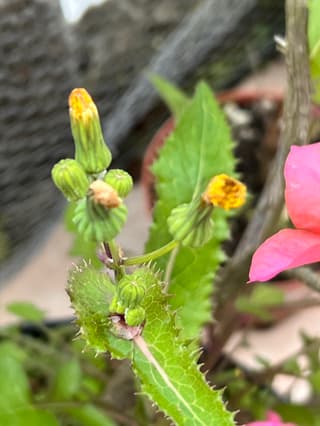
Sow Thistle
Sonchus
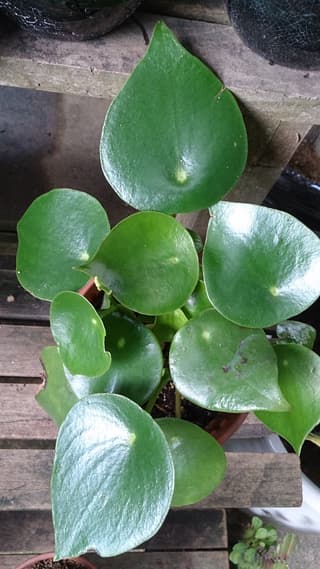
Raindrop Peperomia
Peperomia polybotrya
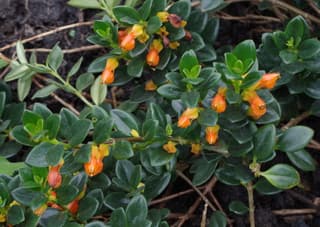
Goldfish Plant
Nematanthus gregarius
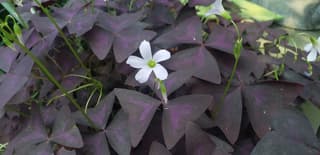
False Shamrock
Oxalis regnellii
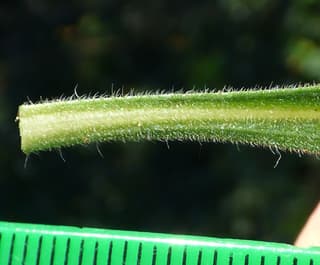
Guernsey Fleabane
Erigeron sumatrensis
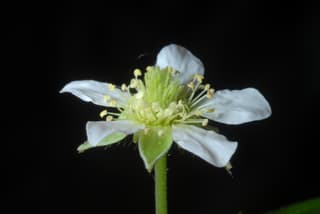
White Avens
Geum canadense
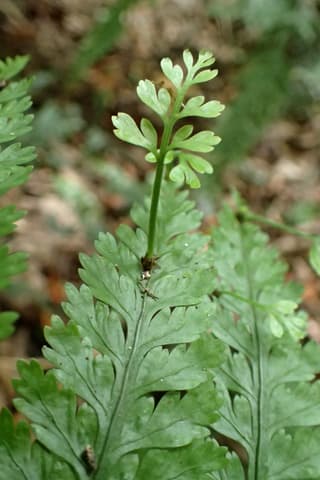
Hen and Chickens Fern
Asplenium bulbiferum
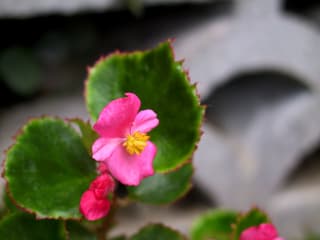
Wax Begonia
Begonia × semperflorens-cultorum
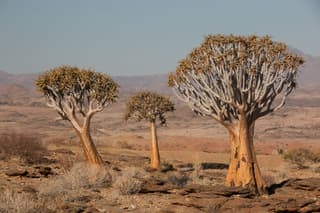
Tree Aloe
Aloidendron
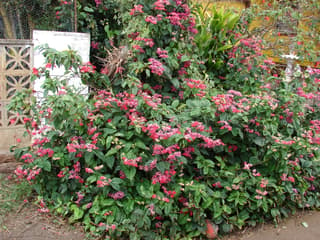
Red Bleeding Heart Vine
Clerodendrum × speciosum
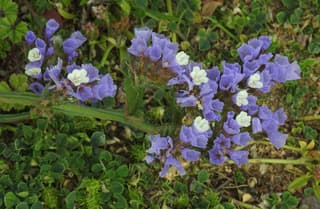
Statice
Limonium sinuatum
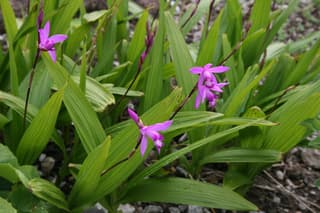
Chinese Ground Orchid
Bletilla striata
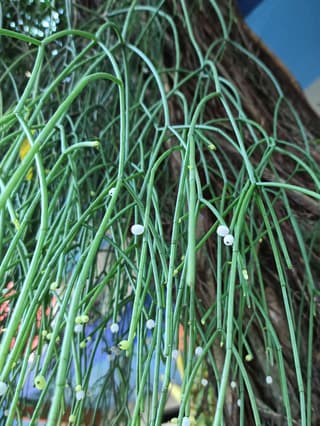
Mistletoe Cactus
Rhipsalis
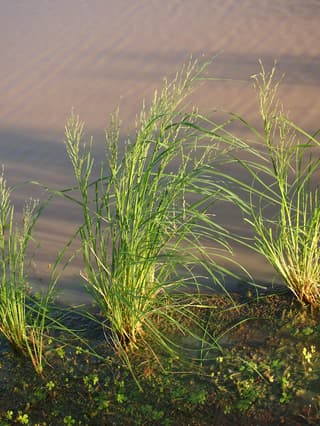
Kallar grass
Diplachne fusca
Ideal Easy Care for Santiago de Querétaro's Climate
Santiago de Querétaro has an average temperature of 19.1°C and humidity of 55.8%, conditions that directly influence which easy care best adapt to the local environment.
How to Grow Easy Care in Santiago de Querétaro
To successfully grow easy care in Santiago de Querétaro, consider that the average temperature of 19.1°C and humidity of 55.8% create a specific microclimate. Moderate humidity is favorable for most species in this category.
Advantages of Choosing Adapted Easy Care
Easy Care adapted to Santiago de Querétaro's climate show greater resistance, healthy growth, and less need for interventions.