500 Best Pet Safe for Santo Domingo Oeste | 2026 Guide - Page 7
The 500 best pet safe to grow in Santo Domingo Oeste. Ideal climate: 25.7°C, 81% humidity.
500 Pet Safe for Santo Domingo Oeste
Showing 217-252 of 500
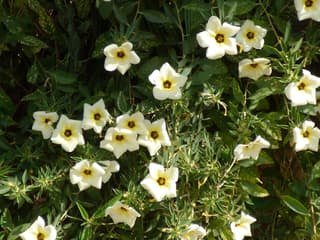
White Buttercup
Turnera subulata
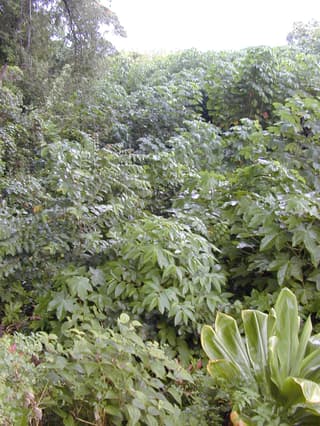
Matico
Piper aduncum
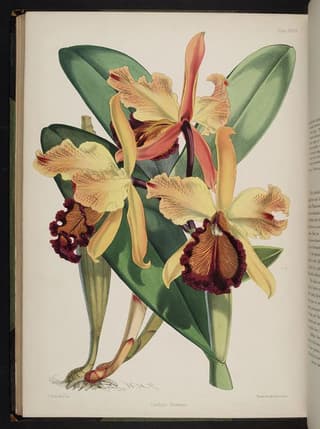
Crimson Cattleya
Cattleya labiata
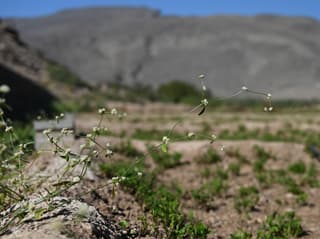
Calico Plant
Alternanthera bettzickiana
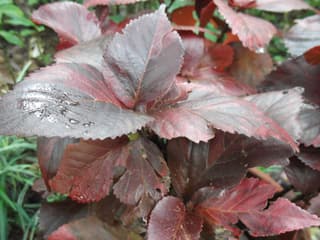
Jacob's Coat
Acalypha wilkesiana
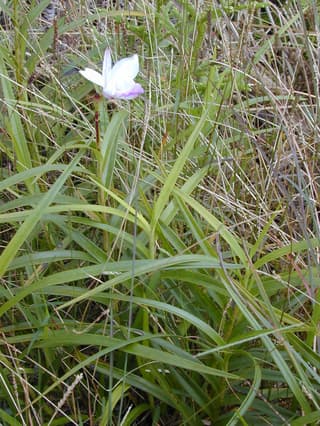
Bamboo Orchid
Arundina graminifolia
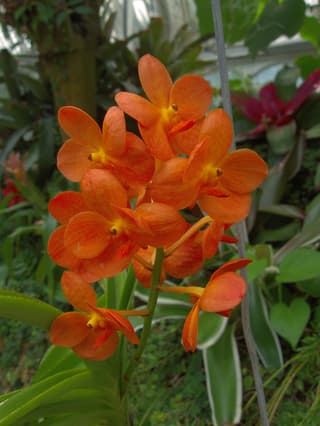
Ascocenda Orchid
Ascocenda
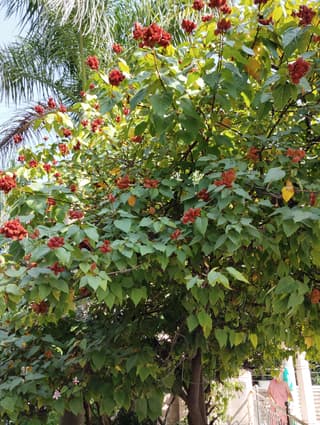
Annatto
Bixa orellana
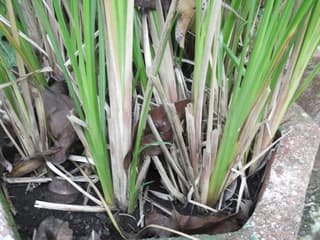
Vetiver
Chrysopogon zizanioides
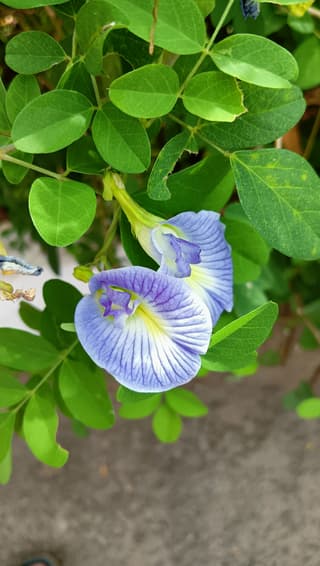
Butterfly Pea
Clitoria ternatea
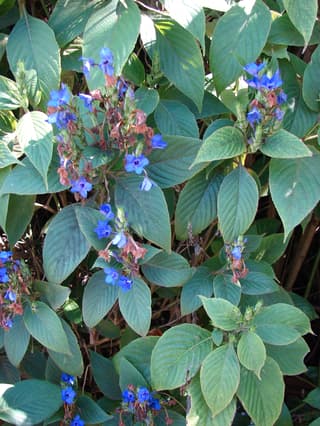
Blue Sage
Eranthemum pulchellum
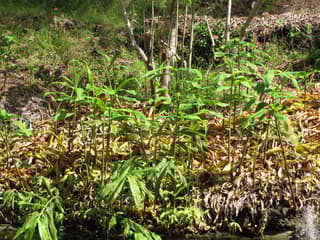
Yellow Marsh Ginger Lily
Hedychium chrysoleucum
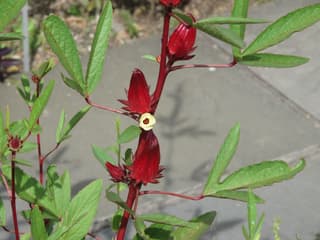
Roselle
Hibiscus sabdariffa
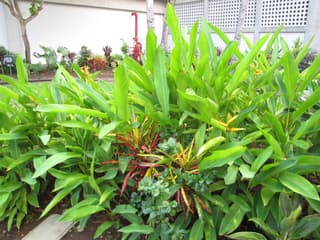
Parrot Heliconia
Heliconia psittacorum
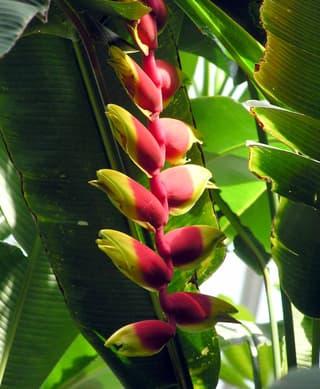
Hanging Lobster Claw
Heliconia rostrata
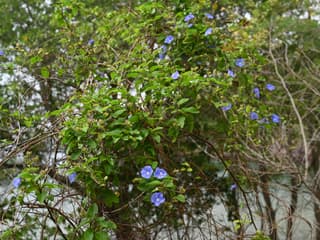
Skyblue Clustervine
Jacquemontia pentanthos
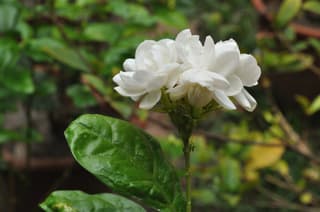
Arabian Jasmine
Jasminum sambac
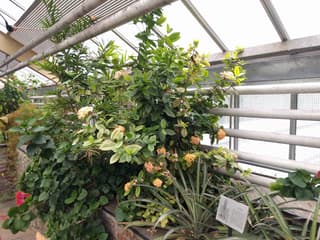
Chinese Ixora
Ixora chinensis
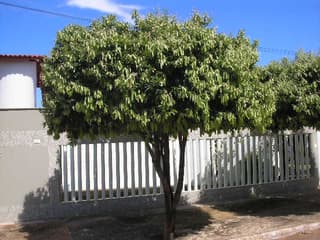
Oiti Tree
Licania tomentosa
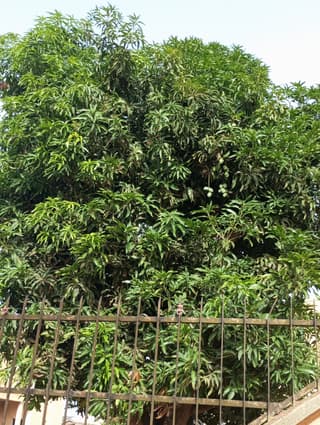
Mango Tree
Mangifera indica
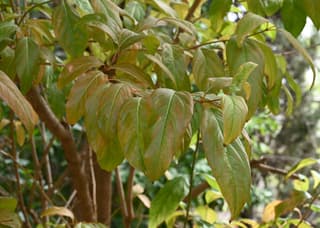
Fiddlewood
Citharexylum spinosum
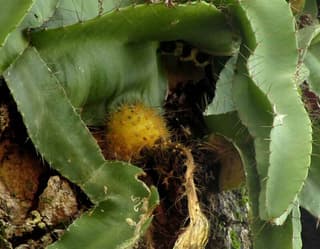
Dog-tail Cactus
Deamia testudo
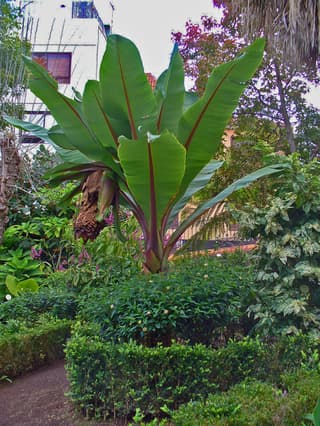
Abyssinian Banana
Ensete ventricosum
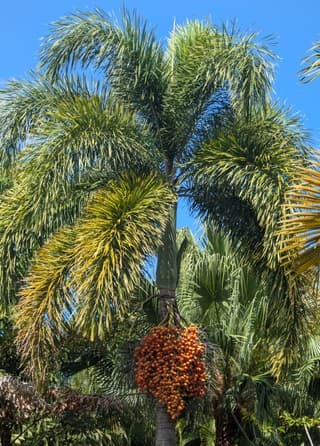
foxtail palm
Wodyetia
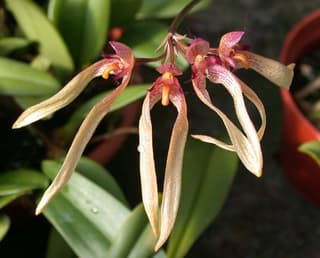
Pale Umbrella Orchid
Bulbophyllum longiflorum
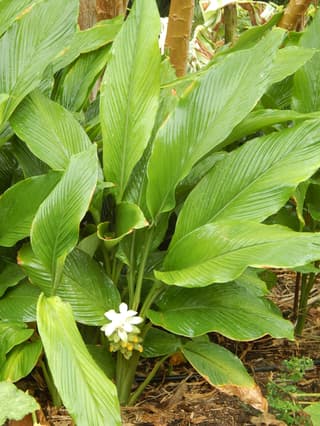
Turmeric
Curcuma longa
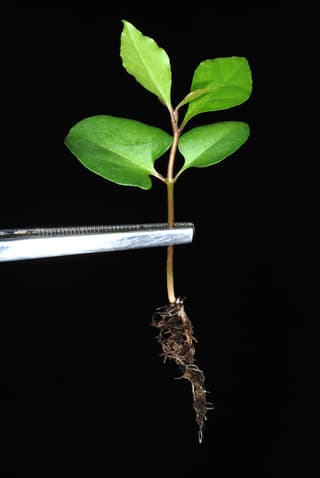
Pull-and-hold
Pisonia aculeata
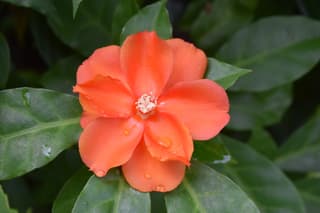
Leaf Cactus
Leuenbergeria
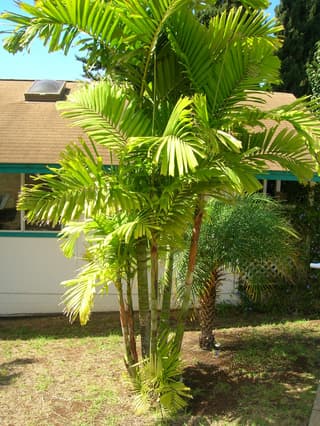
Macarthur Palm
Ptychosperma macarthurii
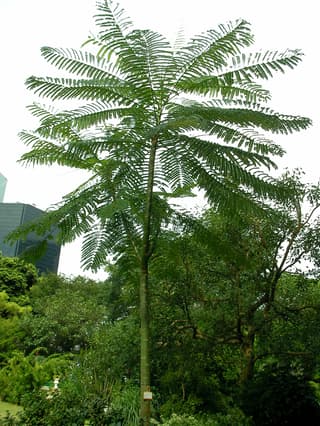
Brazilian Firetree
Schizolobium parahyba
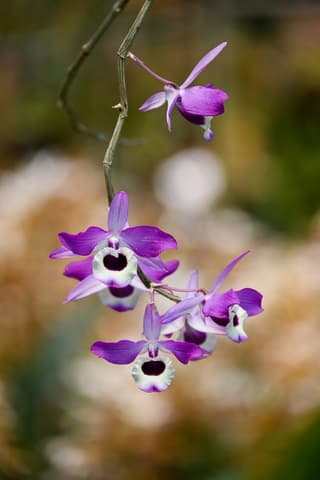
Dendrobium Orchid (genus)
Dendrobium
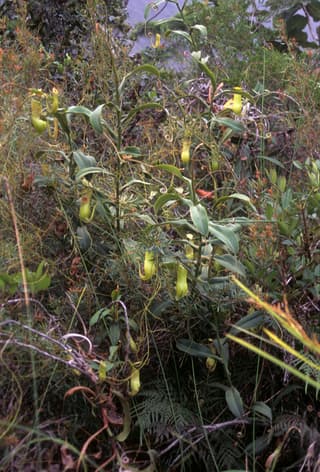
New Caledonia Pitcher Plant
Nepenthes vieillardii
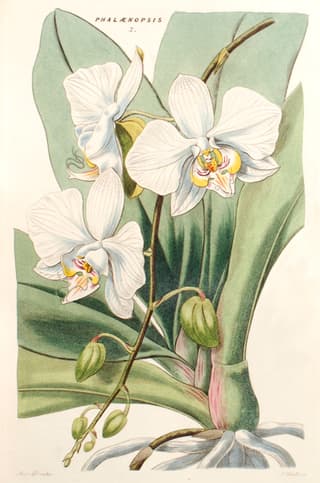
Moon Orchid
Phalaenopsis amabilis
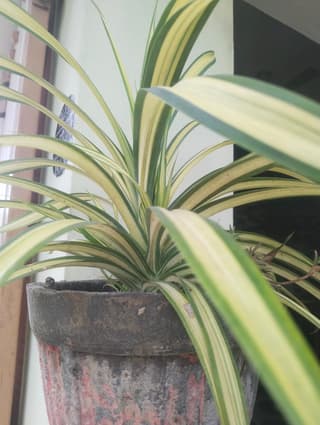
Spider Plant (genus)
Chlorophytum
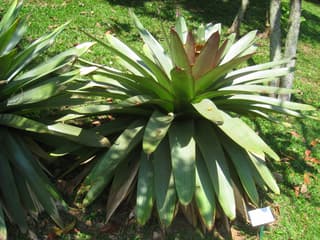
Imperial Bromeliad
Alcantarea imperialis
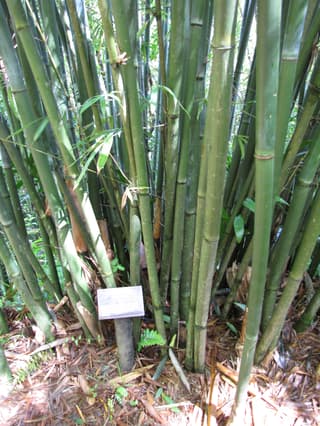
Slender Weavers Bamboo
Bambusa textilis gracili
Ideal Pet Safe for Santo Domingo Oeste's Climate
Santo Domingo Oeste has an average temperature of 25.7°C and humidity of 81%, conditions that directly influence which pet safe best adapt to the local environment.
How to Grow Pet Safe in Santo Domingo Oeste
To successfully grow pet safe in Santo Domingo Oeste, consider that the average temperature of 25.7°C and humidity of 81% create a specific microclimate. High humidity favors tropical species, but requires attention to ventilation to prevent fungal issues.
Advantages of Choosing Adapted Pet Safe
Pet Safe adapted to Santo Domingo Oeste's climate show greater resistance, healthy growth, and less need for interventions.