199 Best Foliage Plants for Superior | 2026 Guide - Page 4
The 199 best foliage plants to grow in Superior. Ideal climate: 20.2°C, 38% humidity.
199 Foliage Plants for Superior
Showing 109-144 of 199
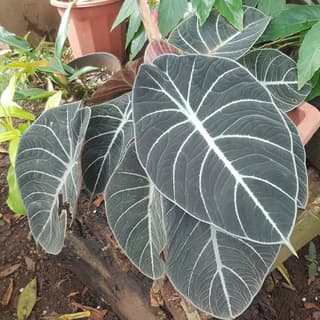
Black Velvet Alocasia
Alocasia reginula
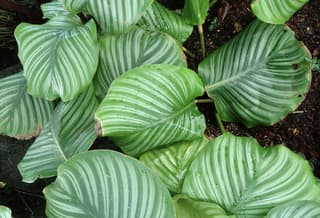
Round-leaf Calathea
Calathea orbifolia
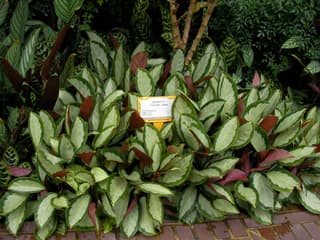
Calathea Picturata
Goeppertia picturata
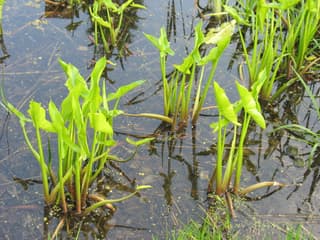
Arrow Arum
Peltandra
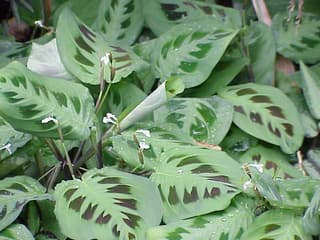
Prayer Plant
Maranta leuconeura
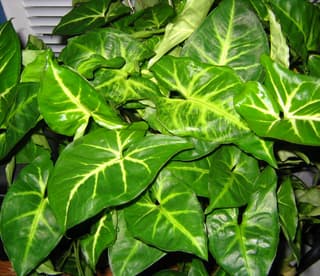
Arrowhead Plant
Syngonium podophyllum
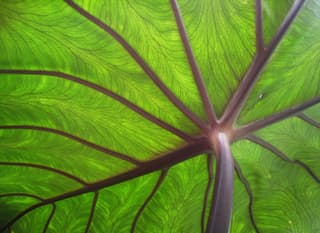
Taro
Colocasia esculenta
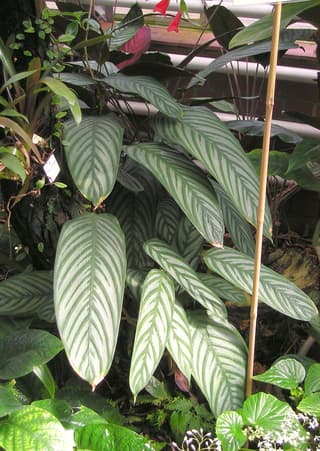
Grey Star
Ctenanthe setosa
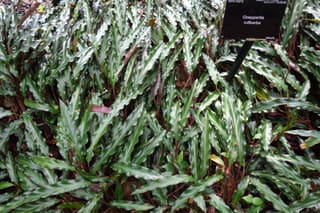
Furry Feather Calathea
Goeppertia rufibarba
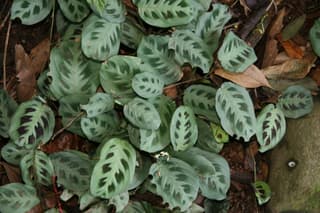
Prayer Plant (genus)
Maranta
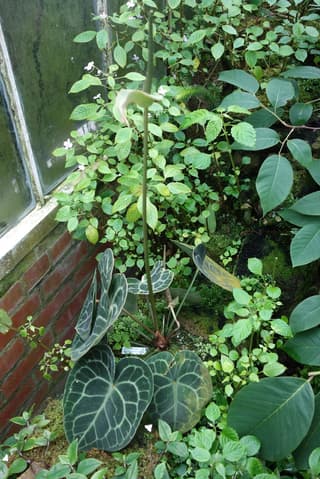
Velvet Cardboard Anthurium
Anthurium clarinervium
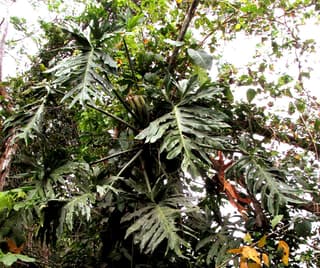
Split-leaf Philodendron
Philodendron radiatum

Rojo Congo Philodendron
Philodendron 'Rojo Congo'
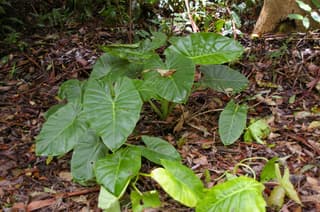
Cunjevoi
Alocasia brisbanensis
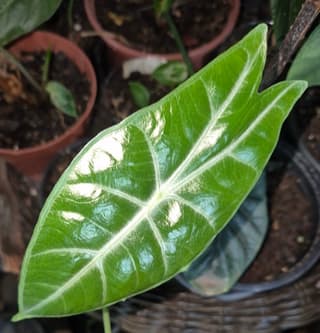
Dragon Scale Alocasia
Alocasia longiloba
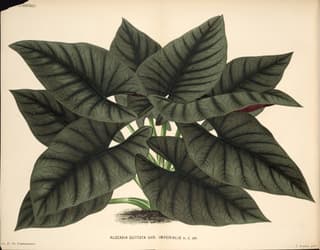
Alocasia Nebula
Alocasia nebula
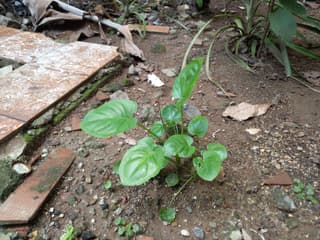
Typhonium
Typhonium
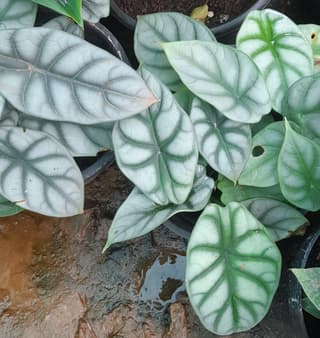
Dragon Scale Alocasia
Alocasia baginda
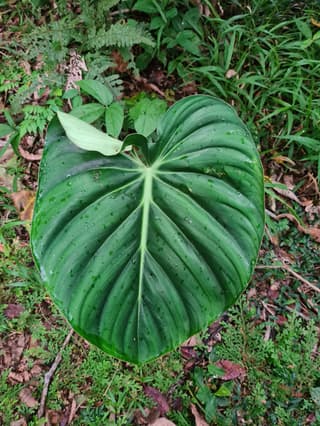
Philodendron Pastazanum
Philodendron pastazanum
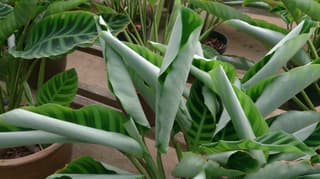
Zebra Plant
Calathea zebrina
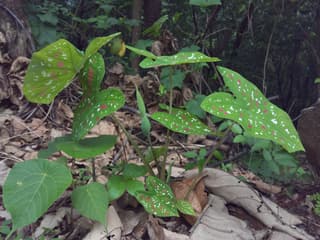
Angel Wings
Caladium bicolor
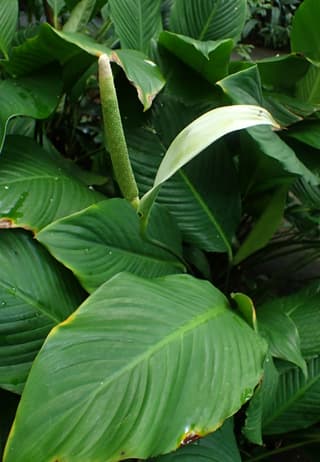
Giant Peace Lily
Spathiphyllum cannifolium

Apoballis
Apoballis acuminatissima
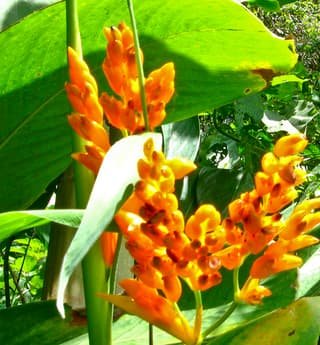
Stromanthe
Stromanthe
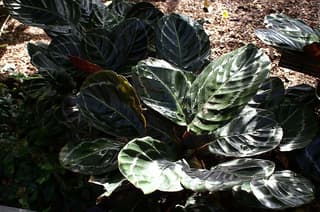
Rose Painted Calathea
Goeppertia roseopicta
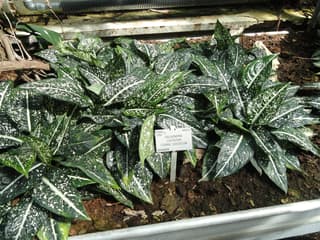
Spotted Evergreen
Aglaonema costatum
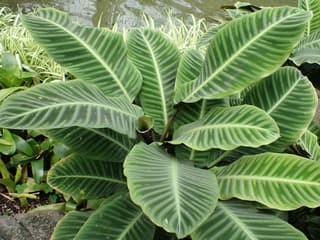
Zebra Plant
Goeppertia zebrina
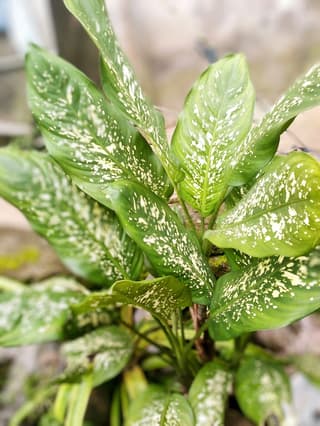
Dumb Cane
Dieffenbachia
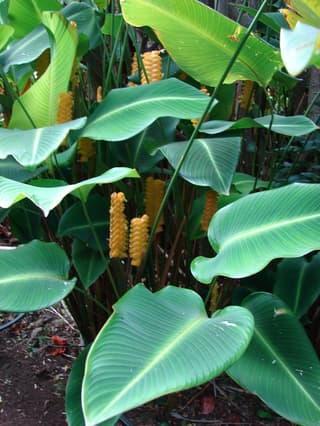
Yellow Rattleshaker
Calathea crotalifera
Red Arrow Syngonium
Syngonium erythrophyllum

Fiddleleaf philodendron
Philodendron bipennifolium
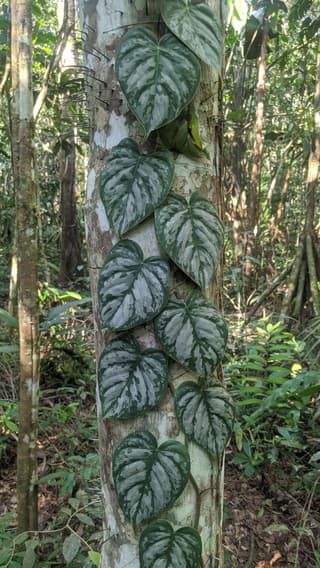
Silver Leaf Philodendron
Philodendron brandtianum
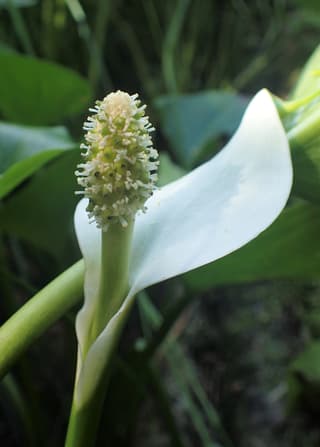
Bog Arum
Calla
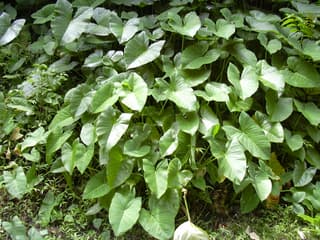
Giant Elephant Ear
Xanthosoma robustum
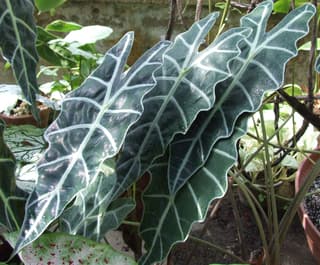
African Mask Plant
Alocasia amazonica
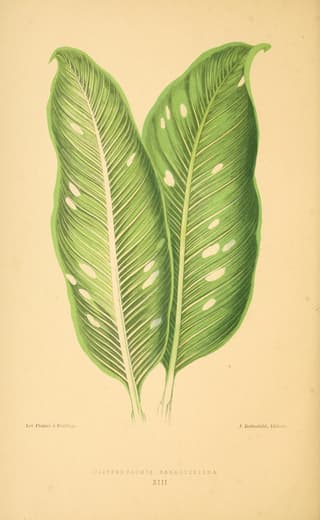
Dumb Cane
Dieffenbachia seguine
Ideal Foliage Plants for Superior's Climate
Superior has an average temperature of 20.2°C and humidity of 38%, conditions that directly influence which foliage plants best adapt to the local environment.
How to Grow Foliage Plants in Superior
To successfully grow foliage plants in Superior, consider that the average temperature of 20.2°C and humidity of 38% create a specific microclimate. Lower humidity requires more frequent watering and use of drip trays.
Advantages of Choosing Adapted Foliage Plants
Foliage Plants adapted to Superior's climate show greater resistance, healthy growth, and less need for interventions.