308 Best Succulents for Tenja | 2026 Guide
The 308 best succulents to grow in Tenja. Ideal climate: 13.6°C, 74.3% humidity.
308 Succulents for Tenja
Showing 1-36 of 308
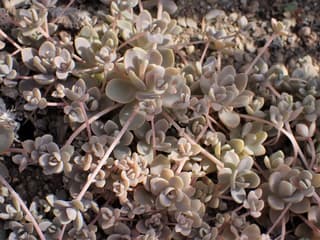
Green Dunce Cap
Orostachys malacophylla
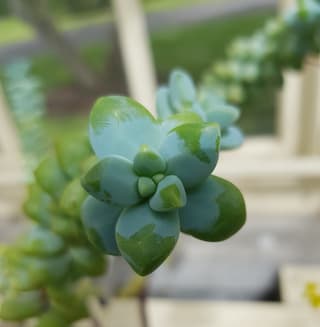
Silver Sedum
Sedum treleasei
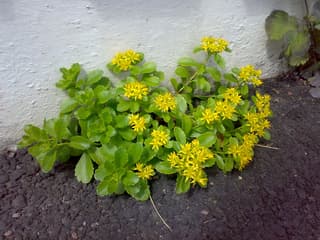
Siberian Stonecrop
Phedimus hybridus
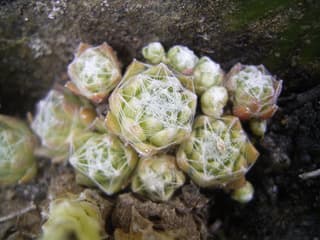
Cobweb Houseleek
Sempervivum arachnoideum
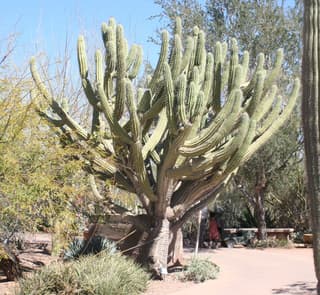
Argentine Toothpick Cactus
Stetsonia coryne
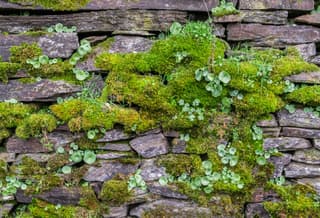
Navelwort
Umbilicus rupestris
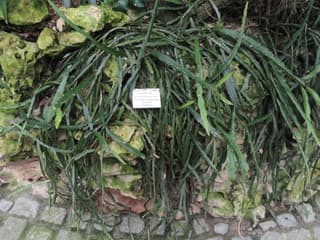
Lepismium cruciforme
Lepismium cruciforme
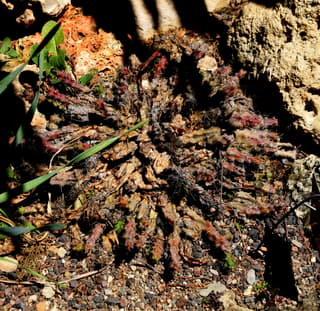
Ladyfinger Cactus
Echinocereus pentalophus

Chilean Cactus
Leucostele chiloensis
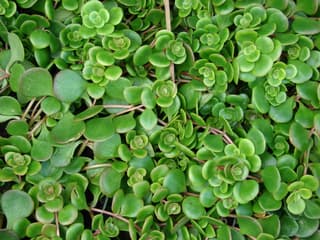
Chinese Stonecrop
Sedum tetractinum
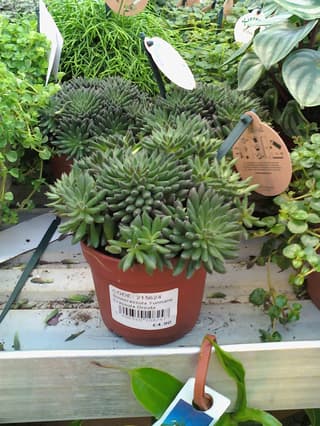
Chinese jade
Sinocrassula yunnanensis

Twistspine Pricklypear
Opuntia macrorhiza
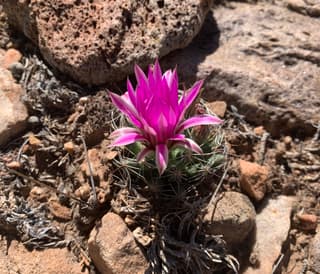
Wright's Fishhook Cactus
Cochemiea wrightii
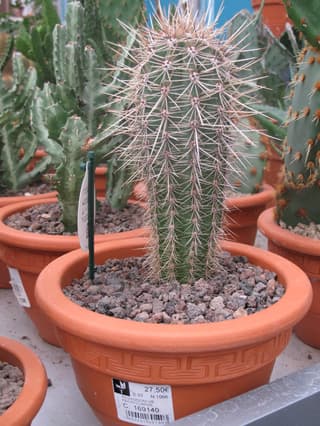
Brazilian Blue Cactus
Pilosocereus azureus
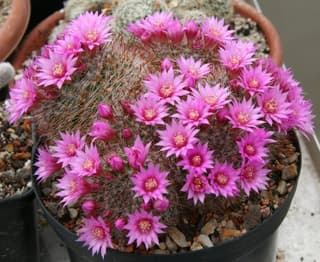
Rose Pincushion Cactus
Mammillaria zeilmanniana
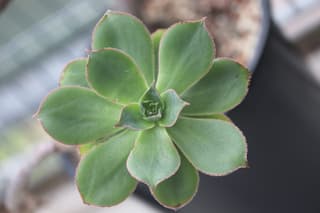
Green Pinwheel
Aeonium decorum

Two-row Stonecrop
Sedum spurium
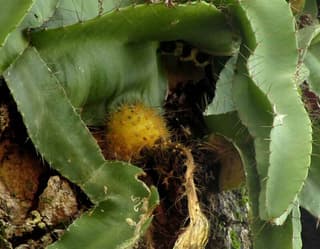
Dog-tail Cactus
Deamia testudo
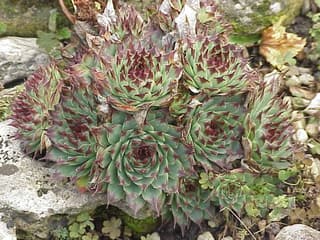
Limestone Houseleek
Sempervivum calcareum
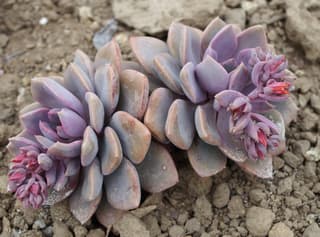
Graptoveria
× Graptoveria
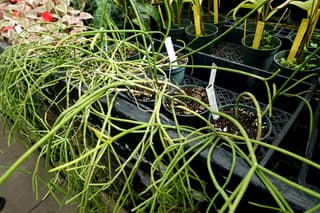
Mistletoe cactus
Rhipsalis baccifera
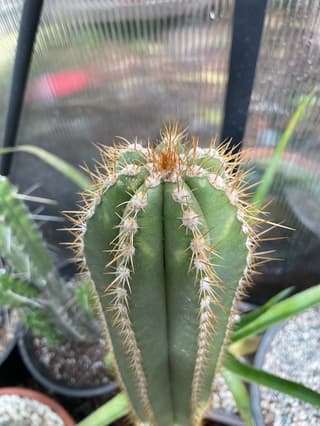
Pilosocereus (genus)
Pilosocereus
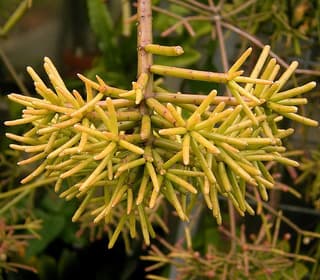
Mistletoe Cactus
Rhipsalis teres

Copper Spoons
Kalanchoe orgyalis
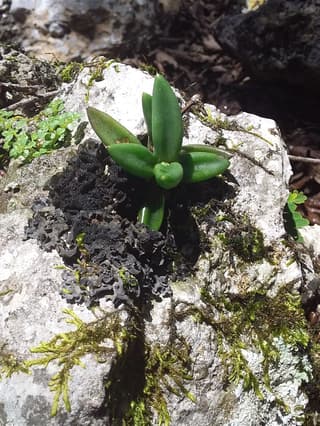
Lenophyllum acutifolium
Lenophyllum acutifolium
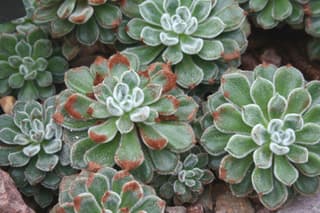
Mexican Firecracker
Echeveria setosa
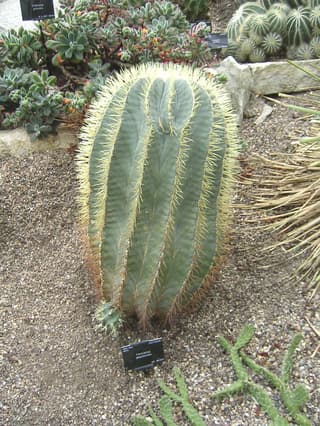
Blue Barrel Cactus
Ferocactus glaucescens
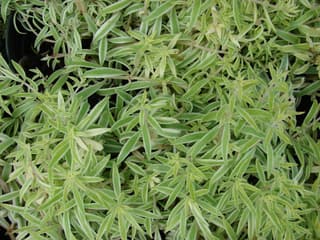
Needle Stonecrop
Sedum lineare

Beach Apple Cactus
Cereus fernambucensis
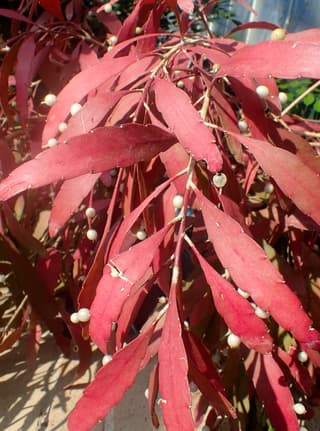
Red Mistletoe Cactus
Pseudorhipsalis ramulosa
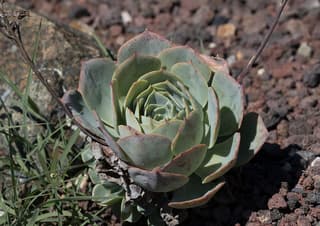
Echeveria Dionysos
Echeveria 'Dionysos'
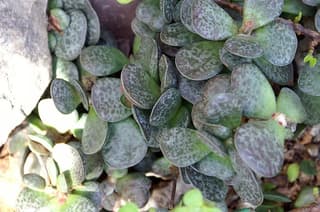
Calico Hearts
Adromischus maculatus
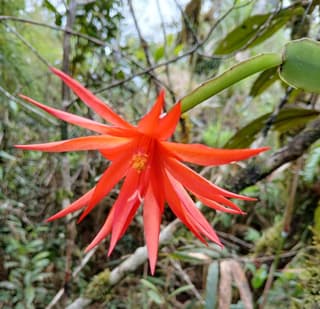
Easter Cactus
Rhipsalidopsis gaertneri
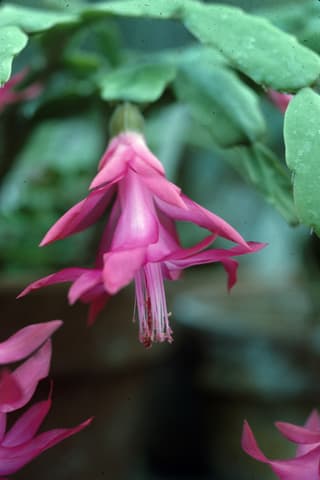
Christmas Cactus
Schlumbergera buckleyi
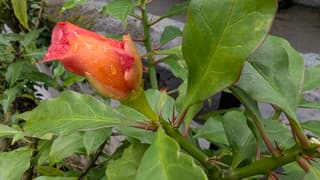
Rose Cactus
Rhodocactus grandifolius
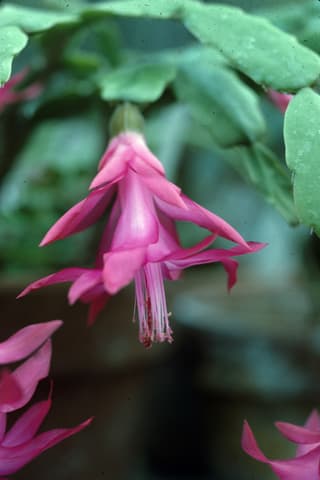
Christmas Cactus
Schlumbergera × buckleyi
Ideal Succulents for Tenja's Climate
Tenja has an average temperature of 13.6°C and humidity of 74.3%, conditions that directly influence which succulents best adapt to the local environment.
How to Grow Succulents in Tenja
To successfully grow succulents in Tenja, consider that the average temperature of 13.6°C and humidity of 74.3% create a specific microclimate. High humidity favors tropical species, but requires attention to ventilation to prevent fungal issues.
Advantages of Choosing Adapted Succulents
Succulents adapted to Tenja's climate show greater resistance, healthy growth, and less need for interventions.