500 Best Pet Safe for Woodland | 2026 Guide - Page 14
The 500 best pet safe to grow in Woodland. Ideal climate: 17.4°C, 71.3% humidity.
500 Pet Safe for Woodland
Showing 469-500 of 500
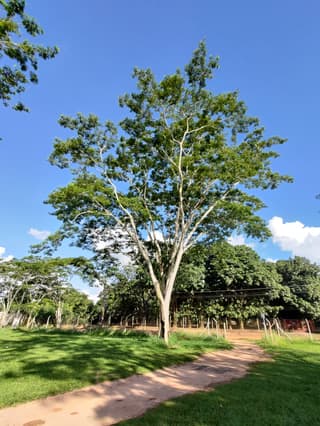
White Silk Tree
Albizia niopoides
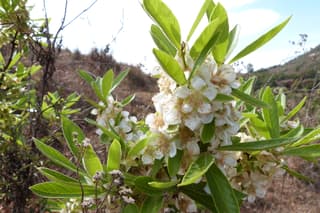
Guabiroba
Campomanesia pubescens
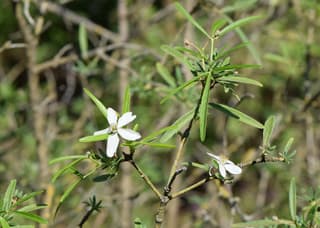
Mexican Orange Blossom (genus)
Choisya
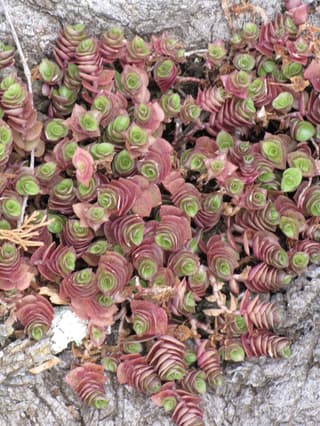
Turtle Vine
Callisia repens
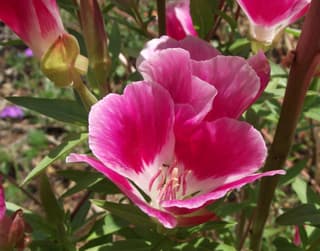
Farewell to Spring
Clarkia amoena
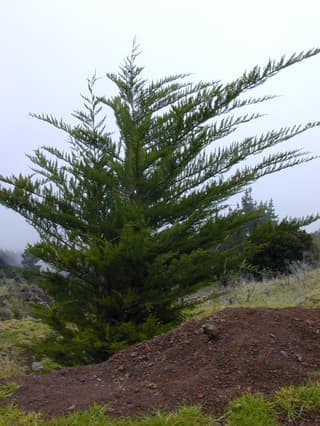
Monterey Cypress
Cupressus macrocarpa
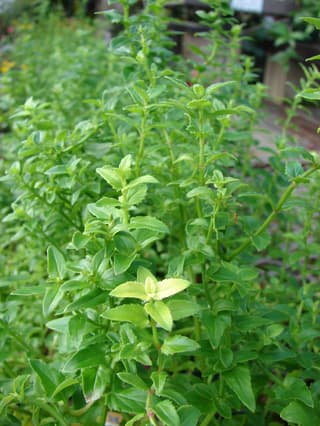
Twinspur
Diascia spp
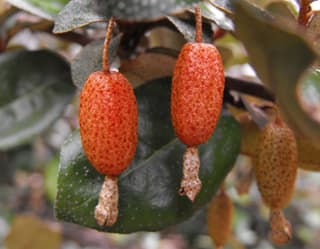
Thorny Olive
Elaeagnus pungens
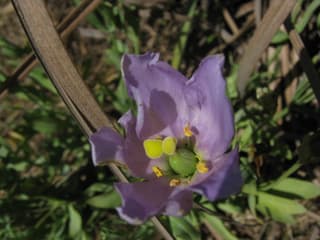
Lisianthus
Eustoma grandiflorum
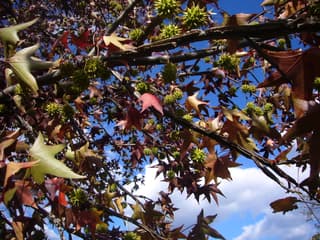
Sweetgum
Liquidambar styraciflua

Field Maple
Acer campestre
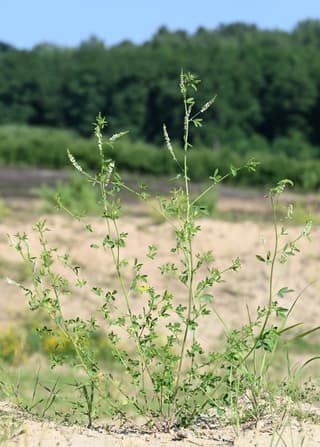
White sweet clover
Melilotus albus
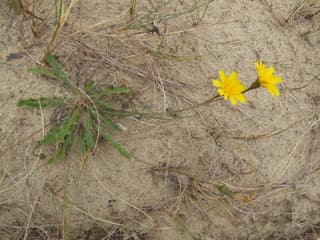
Lesser Hawkbit
Leontodon saxatilis
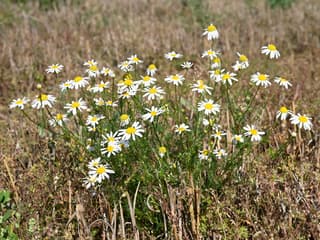
Scentless Chamomile
Tripleurospermum inodorum
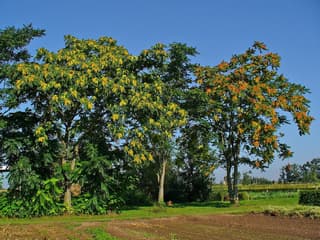
Tree of Heaven
Ailanthus
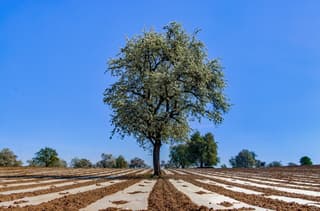
Pear
Pyrus
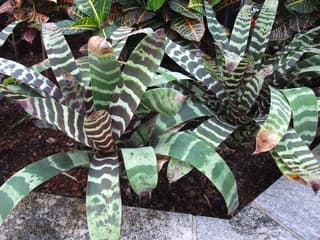
Flaming Sword
Lutheria splendens
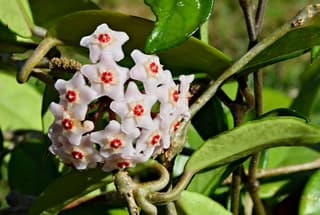
Wax Plant
Hoya
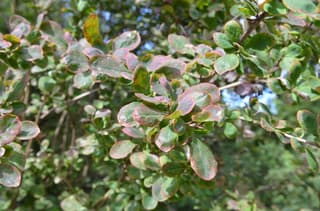
Ottawa Barberry
Berberis × ottawensis
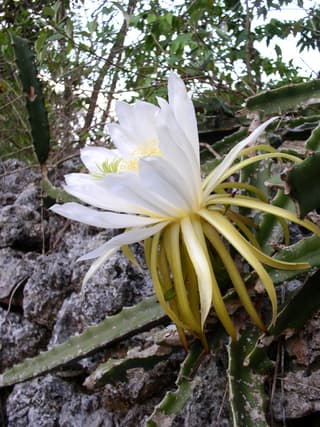
Strawberry Pear
Selenicereus triangularis
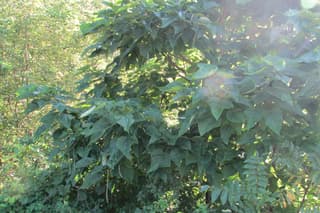
Northern Catalpa
Catalpa speciosa
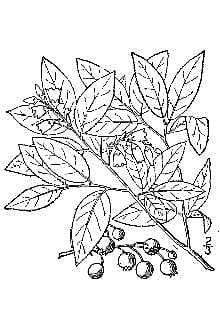
Hillside Blueberry
Vaccinium pallidum

Areca palm
Chrysalidocarpus lutescens
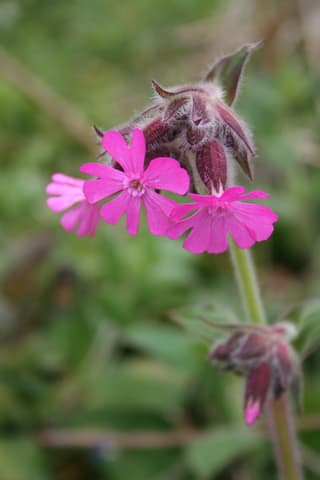
Campion
Silene
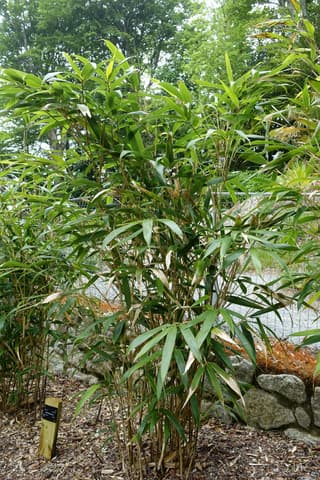
Arrow Bamboo
Pseudosasa japonica
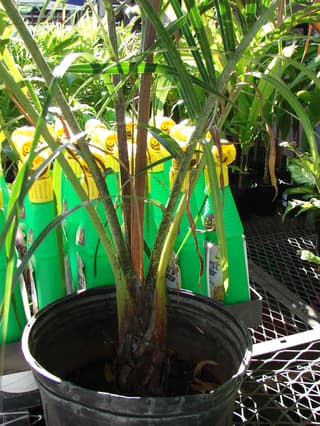
Triangle Palm
Dypsis decaryi
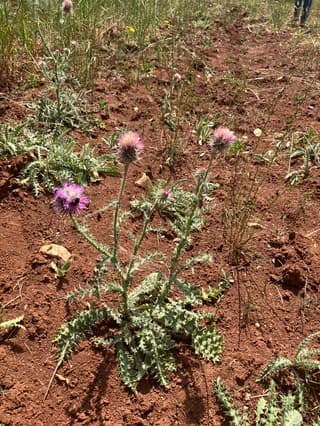
Musk Thistle
Carduus nutans
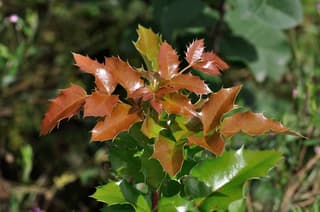
Oregon Grape
Berberis aquifolium
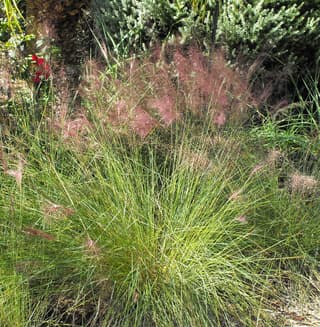
Pink Muhly Grass
Muhlenbergia capillaris
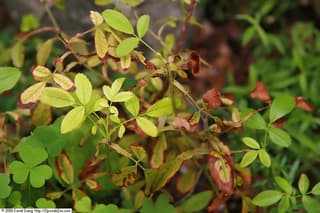
Carolina rose
Rosa carolina
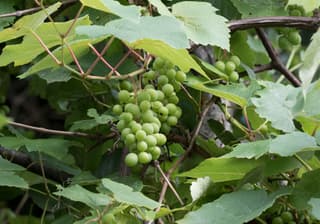
Fox Grape
Vitis labrusca
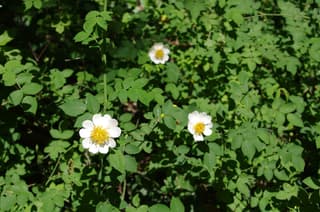
Field Rose
Rosa arvensis
Ideal Pet Safe for Woodland's Climate
Woodland has an average temperature of 17.4°C and humidity of 71.3%, conditions that directly influence which pet safe best adapt to the local environment.
How to Grow Pet Safe in Woodland
To successfully grow pet safe in Woodland, consider that the average temperature of 17.4°C and humidity of 71.3% create a specific microclimate. High humidity favors tropical species, but requires attention to ventilation to prevent fungal issues.
Advantages of Choosing Adapted Pet Safe
Pet Safe adapted to Woodland's climate show greater resistance, healthy growth, and less need for interventions.