2249 Easy Plants | 2026 Guide - Page 63
Discover 2249 easy plants for your garden. Complete care guide.
2249 Easy Plants
Showing 2233-2249 of 2249
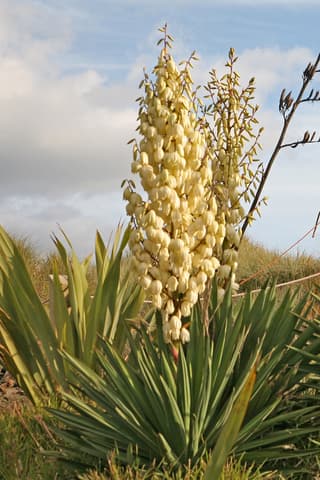
Spanish Dagger
Yucca gloriosa
Yucca gloriosa, commonly known as the Spanish Dagger, is an evergreen shrub native to the southeastern United States. Its stiff, sword-shaped leaves form imposing basal rosettes, and its flower stalk can reach up to 16 feet in height with bell-shaped white flowers. It is an extremely hardy plant, tolerating drought, heat, wind, and salt spray.
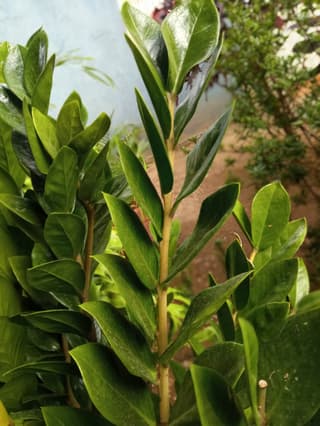
ZZ Plant
Zamioculcas
The ZZ Plant (Zamioculcas zamiifolia) is a tropical perennial native to Eastern Africa, prized for its exceptional drought tolerance and glossy, dark-green foliage. A member of the Araceae family, it stores water in thick rhizomes and fleshy roots, making it one of the most forgiving houseplants available. Its arching stems lined with oval, waxy leaflets add an elegant, sculptural quality to any interior space.

ZZ Plant
Zamioculcas zamiifolia
The ZZ Plant (Zamioculcas zamiifolia) is a tropical perennial native to eastern Africa, renowned for its glossy, dark green pinnate leaves and remarkable resilience. Its ability to thrive in low light conditions and tolerate drought makes it one of the most popular and beginner-friendly houseplants. The plant grows from underground rhizomes that store water, allowing it to survive extended periods without watering.
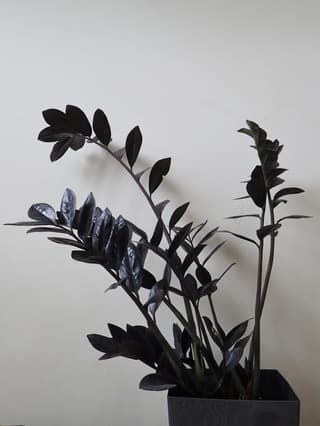
Raven ZZ Plant
Zamioculcas zamiifolia 'Raven'
The Raven ZZ Plant is a striking cultivar of the classic ZZ plant, prized for its glossy, deep purple-black foliage. New shoots emerge bright lime green and gradually darken to near-black over 4-8 weeks, creating a dramatic two-tone effect on mature plants. Like its green parent, it stores water in thick underground rhizomes, making it extremely drought-tolerant and nearly indestructible for beginners.
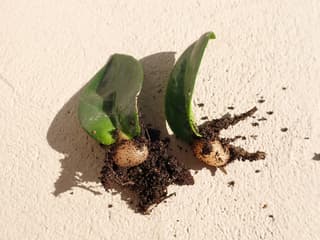
Dwarf ZZ Plant
Zamioculcas zamiifolia 'Zenzi'
The Dwarf ZZ Plant (Zamioculcas zamiifolia 'Zenzi') is a compact cultivar of the popular ZZ Plant, featuring smaller, more rounded leaflets on arching stems. Native to East Africa as a selected cultivar, it is perfect for small spaces. Highly resilient, it tolerates low light and extended dry periods thanks to its water-storing rhizomes. WARNING: contains calcium oxalate crystals — toxic to humans, dogs and cats.
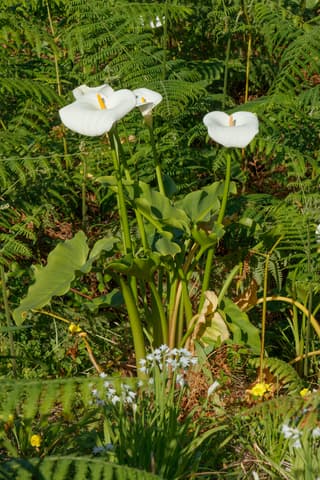
Calla Lily
Zantedeschia aethiopica
Zantedeschia aethiopica, commonly known as Calla Lily or Arum Lily, is a striking perennial from the family Araceae, native to southern Africa. It produces iconic trumpet-shaped white spathes surrounding a yellow spadix, with large, glossy, arrow-shaped leaves. Widely grown as an ornamental plant in gardens and as a cut flower, it thrives in moist, fertile soil.
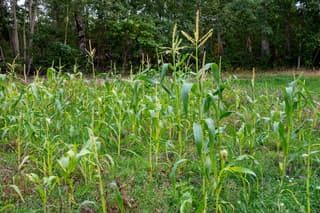
Corn
Zea mays
Zea mays, commonly known as corn or maize, is an annual grass native to Mesoamerica. It is one of the world's most important crops, characterized by its rapid growth, sturdy stalks, and the production of ears enclosed in husks. Beyond its economic importance, it is a plant of great cultural and nutritional value for many civilizations.
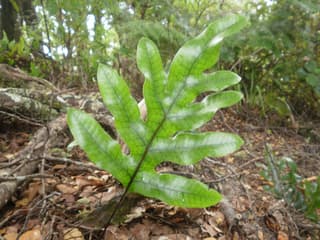
Kangaroo Fern
Zealandia pustulata
Zealandia pustulata, commonly known as the kangaroo fern or hound's tongue fern, is an epiphytic and lithophytic fern native to New Zealand, eastern Australia (Queensland, New South Wales, Victoria, Tasmania), Lord Howe Island and Norfolk Island. In the wild it climbs over rocks, tree trunks and forest floor debris via long, creeping grey-green rhizomes, producing leathery, glossy green fronds that range from simple to deeply lobed. Formerly classified under Microsorum and Phymatosorus, it was moved to its own genus, Zealandia, in 2019. Slow-growing but tough and adaptable, it is prized as a low-maintenance houseplant, hanging basket subject, or shaded ground cover, tolerating periods of drought once established and rarely troubled by pests or disease.
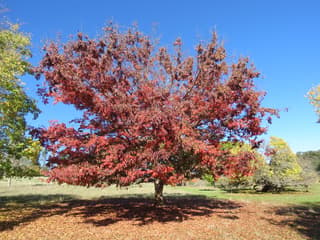
Japanese Zelkova
Zelkova serrata
Zelkova serrata, commonly known as Japanese Zelkova or Keaki, is a graceful deciduous tree native to Japan, China, and Korea. A member of the elm family (Ulmaceae), it is celebrated for its vase-shaped canopy, serrated leaves that turn brilliant shades of orange, red, and burgundy in autumn, and its distinctive honeycomb-patterned bark. Widely planted as an urban shade tree, it is also one of the most revered subjects in the art of bonsai.
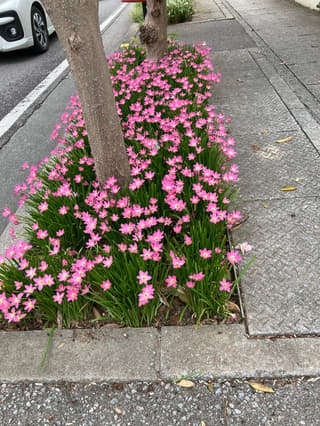
Pink Rain Lily
Zephyranthes rosea
Zephyranthes rosea, commonly known as the pink rain lily or Cuban zephyrlily, is a small bulbous perennial in the amaryllis family (Amaryllidaceae). Native to the Caribbean and parts of South America, it produces slender, grass-like dark green leaves and funnel-shaped, bright pink flowers with a green throat that emerge suddenly after heavy rains, typically in late summer. Growing only 15-20 cm tall, it forms dense clumps ideal for borders, rock gardens, and containers.

Zinnia
Zinnia
Zinnia is a genus of annual flowering herbs in the daisy family (Asteraceae), native to Mexico and the southern United States. Prized for their bold, long-lasting blooms in single, semi-double, or double forms, zinnias flower profusely from summer through the first frost in colors ranging from red and orange to pink, yellow, purple, and white.
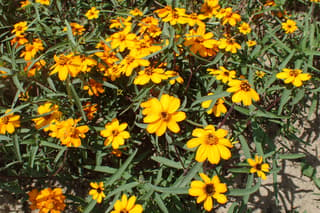
Narrow-leaf Zinnia
Zinnia angustifolia
Zinnia angustifolia, commonly known as Narrow-leaf Zinnia or Mexican Zinnia, is a compact, heat-tolerant annual native to Mexico and the southwestern United States. It produces an abundance of cheerful single daisy-like flowers in white, orange, and yellow throughout summer and fall. Unlike its cousin Z. elegans, this species is highly resistant to powdery mildew, alternaria blight, and bacterial leaf spot, making it an exceptionally low-maintenance choice for sunny gardens, borders, and containers.
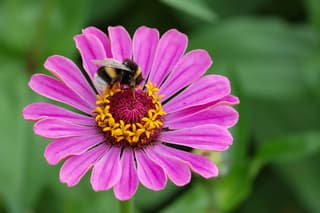
Common Zinnia
Zinnia elegans
Zinnia elegans is an exuberantly flowering annual plant native to Mexico that produces vibrant blooms in a wide range of colors. One of the most popular summer flowers in gardens worldwide, it is celebrated for its ease of growth and spectacular flowering that attracts butterflies, hummingbirds, and bees.
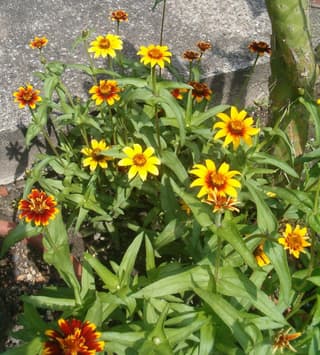
Mexican Zinnia
Zinnia haageana
Zinnia haageana, commonly known as Mexican Zinnia or Narrowleaf Zinnia, is a compact annual native to Mexico. It produces an abundance of small, cheerful bicolor flowers in shades of orange, red, yellow, and gold throughout summer and fall. Unlike its cousin Zinnia elegans, this species features narrower leaves, smaller blooms under 1 inch in diameter, and exceptional heat, drought, and pest resistance. It is a favorite for borders, containers, pollinator gardens, and mass plantings.
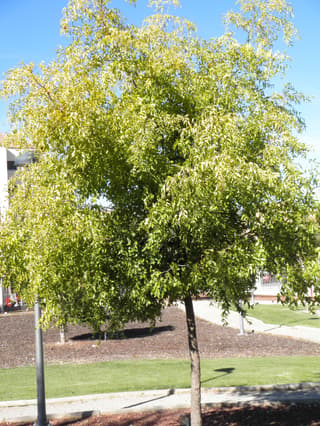
Jujube
Ziziphus jujuba
The Jujube (Ziziphus jujuba) is a deciduous fruit tree native to Asia, cultivated in China for over 10,000 years. It produces edible date-like fruits with a sweet flavor and recognized medicinal value. An exceptionally hardy plant, it tolerates drought, cold, and poor soils, thriving in hot, dry climates.
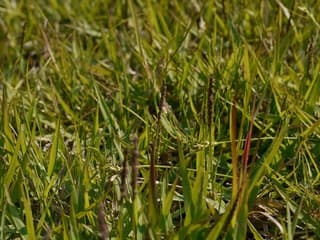
Zoysia Grass
Zoysia japonica
Zoysia grass (Zoysia japonica) is a warm-season perennial grass native to East Asia, widely used in residential lawns and sports fields. It forms a dense, uniform mat due to vigorous growth via rhizomes (underground stems) and stolons (above-ground stems), making it effective in weed control. It is slow-growing, which reduces mowing frequency, and exhibits excellent heat and drought tolerance. In colder climates, it loses its green color and turns golden/straw-colored during winter dormancy, regaining vigor in spring.

Manila Grass
Zoysia matrella
Zoysia matrella, commonly known as Manila grass, is a fine-textured warm-season turfgrass native to Southeast Asia. It forms a dense, soft, low-maintenance carpet highly valued in ornamental lawns, golf courses, and residential gardens in tropical and subtropical climates.
What are Easy Plants?
Easy Plants are ideal for beginners or people with little time for care. These species are tolerant of watering mistakes, light variations, and don't require constant attention. Perfect for those just starting out with plants.
Tips for Growing Easy Plants
To succeed with easy plants, remember: less is more. Avoid overwatering, choose a spot with adequate light, and let the soil dry between waterings. Most of these plants prefer to be 'forgotten' occasionally.