How Often to Water Dumb Cane: The Soil Test That Decides
Water your dumb cane when the top inch of soil feels dry, soaking it until water drains out the bottom. University extensions avoid giving a set number of days. Here is the exact test, how to spot overwatering versus thirst, and why misting does not work.
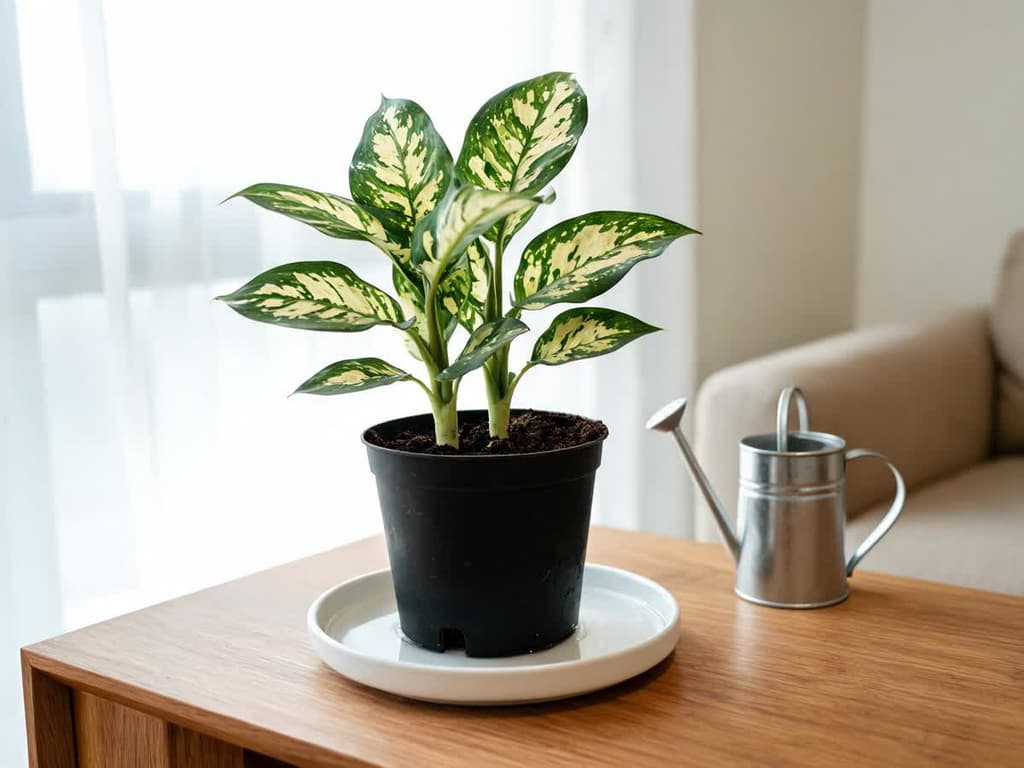
When deciding how often to water a dumb cane, trust the soil in the pot, not your calendar. Water whenever the top inch of soil feels dry to the touch. Pour until water drains freely from the bottom holes, then discard whatever collects in the saucer. To catch the right moment, check the soil every two to three days.
Dumb cane (Dieffenbachia) is the large plant with green leaves spotted with cream or white. None of the five university extensions reviewed for this guide publish a fixed schedule in days. They all give the same core instruction: water thoroughly, then wait for the soil surface to dry out.
Quick summary:
The soil test sets the day. Push your finger an inch into the soil. If it feels dry, water. If it feels damp, wait and check again in two or three days.
Each watering wets the entire soil. Water slowly until it drains through the hole, and empty the saucer 15 minutes later.
Drooping leaves may not mean thirst. In dumb canes, foliage also wilts from overwatering and from cold temperatures below 12.8 °C (55 °F).
Skip leaf misting. The humidity from a spray bottle disappears within minutes, and wet leaves invite bacterial leaf spot.
Soil dries slower in winter. The test stays the same, so the gap between waterings naturally widens on its own.
How often to water dumb cane
Water dumb cane whenever the top inch of soil feels dry to the touch, and only then. The interval in days is a result of that test. It changes with light, pot size, and the season, which is why no technical source publishes a fixed number.
Extension at the University of Connecticut tells you to water thoroughly and wait for the soil surface to dry. UF/IFAS, from the University of Florida, gives the same instruction. Extension services from Clemson, North Carolina State University, and Illinois also give only this criterion. That makes five sources and not a single number of days.
The "once a week" advice circulating around comes from another type of source. The Old Farmer's Almanac writes "about once a week or when the top 1 to 2 inches dry out." The stores Plant Addicts and Greenery Unlimited give the same number, also without saying in which house it was measured. Treat "once a week" as the day to check the soil, not as the day to water.
You discover your watering interval with a single watering. Water until it drains, record the date, and check the soil every 2 or 3 days. The number of days it takes for the top inch to dry out is the interval for that plant, in that spot, in that season.
The test that decides: 1 inch of dry soil
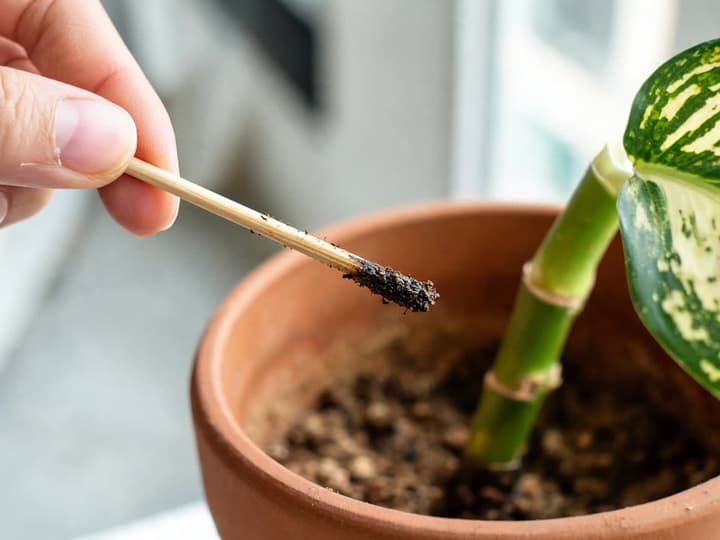
Insert your index finger into the soil near the rim of the pot down to the first knuckle, which measures roughly an inch. If your fingertip comes back dry with no loose dirt clinging to your skin, it is time to water. If it comes back damp with soil sticking to it, hold off.
A wooden skewer runs the same test without getting your hands dirty. Insert the skewer about an inch into the soil near the rim and pull it out. Dark, damp soil sticking to the tip means it is not time to water yet.
The extensions agree on the depth, with slight variation. The University of Connecticut and UF/IFAS mention the surface feeling dry to the touch. Clemson and NC State call for 2.5 cm (1 inch) of dry soil. The fertilizer brand Miracle-Gro calls for 5 cm, twice what the extensions recommend. This guide follows the extensions: 2 cm.
Two shops say the opposite and tell you to keep the soil constantly moist: Plant Addicts and House Plant Shop. The five extension services tell you to wait for the surface to dry. The UF/IFAS commercial dumb cane production guide, EP137, settles the difference in one short sentence: moist, but not wet soil. A dry surface with the bottom still cool is exactly that state.
The dumb cane sits in the middle between two familiar plants. The peace lily needs water when the soil is dry down to 3 cm. The snake plant, a succulent, waits until the soil dries out almost completely. Different plants on the same windowsill can need water on different days, and neither is wrong.
Lifting the pot gives an easy double-check. Right after a deep watering, the container feels quite heavy. As the soil loses moisture, it becomes noticeably lighter. After two or three cycles, your hands learn the difference.
How to water dumb cane
Pour water slowly around the base of the stem until it flows out through the bottom drainage holes. University of Connecticut, Clemson, and NC State all use the term "thoroughly" for this process. Shallow sips only moisten the surface layer, leaving the lower root system parched.
Aim the water at the soil and keep the foliage dry. Miracle-Gro directs you to apply water to the base of the plant. UF/IFAS, in its greenhouse dumb cane disease guide (PP286), recommends avoiding water splashing on the leaves. On wet foliage, the Xanthomonas bacteria, which cause leaf spot, spread.
Wait 15 minutes, then dump out any water sitting in the saucer. Dumb cane cannot tolerate waterlogged roots for long periods, as noted by the University of Connecticut. Stagnant runoff in the saucer keeps the bottom of the root ball soaked for days.
Pots without drainage holes are a bad fit for this plant. Many nursery specimens arrive in plastic grow pots tucked inside decorative planters. Remove the inner pot to water, and only drop it back in after all dripping stops. If you prefer to keep it in a cachepot, check the bottom after watering to make sure pooled liquid does not cause root rot.
Dumb cane sap irritates the skin and the mouth. You do not need gloves for watering, but you do when cutting leaves or stems.
Misting leaves does not replace watering (and fails to raise humidity)
Do not mist your dumb cane. Spraying foliage does not hydrate the plant, because moisture must enter through the root system to do any good. Misting also fails to fix dry indoor air.
Penn State Extension explains why. The humidity that misting creates lasts only until the water evaporates, which takes minutes. For that reason, not even daily misting increases humidity around the plant. Even so, the store Plant Addicts directs you to mist every day.
Wet leaves come with a clear downside for this plant. The UF/IFAS disease management guide (PP286) recommends keeping the foliage dry to prevent two common issues: bacterial leaf spot and Myrothecium leaf spot, a fungal infection that targets damaged tissue. While written for commercial growers, those same pathogens attack houseplants indoors.
For dry air, the solution is to increase the humidity in the room. UF/IFAS, in EP137, links yellow lower leaves to excessive moisture loss and directs you to raise air humidity. A humidifier near the plant helps, according to Penn State. Grouping several plants in the same spot also helps, and the effect depends on how many plants there are and the size of the room. The University of Connecticut still recommends a pebble tray with water. Penn State explains that the water evaporating from the tray disperses into the room and barely changes the humidity. This guide follows Penn State, which shows the mechanism.
Overwatering vs. underwatering: how to tell them apart
Check the soil with your finger before guessing based on the leaves. A drooping plant sitting in bone-dry soil is thirsty. A drooping plant in damp soil is suffering from overwatering or cold shock, and adding more water makes both problems worse.
Drooping leaves can be deceiving. UF/IFAS lists three causes for wilted dumb cane leaves: underwatering, chilling injury, and natural aging of lower leaves. When leaves wilt and drop without yellowing first, UF/IFAS attributes the problem to cold exposure. If that happens, move the pot somewhere that stays above 55 °F (12.8 °C).
What you see | Soil at 1 inch depth | Probable cause | What to do |
|---|---|---|---|
Drooping, dull leaves; lightweight pot | Dry | Underwatering | Water thoroughly until runoff drains |
Lower leaves yellowing and falling | Damp | Overwatering | Hold off on watering until the top inch dries |
Stem base soft, blackened, foul-smelling | Soggy | Root and stem rot | Propagate the firm top of the stem (see below) |
Wilted, collapsed leaves without yellowing after a cold night | Any condition | Chilling below 55 °F (12.8 °C) | Move away from the window and cold drafts; do not water just because the leaves are wilted |
Brown leaf tips | Swings from soaked to parched | Inconsistent watering | Follow the 1-inch soil test consistently |
The University of Connecticut summarizes overwatering symptoms in two points: lower leaves turning yellow and dropping, and the plant rotting at the base. The University of Illinois Extension adds that dumb cane is often overwatered, which quickly rots the roots and the base of the stem.
Two other symptoms often look like overwatering but stem from different issues. The first is clear morning water droplets beaded on the leaf margins. The University of Connecticut notes this is guttation, a natural process where plants exude excess water. If fertilizer salts have built up in the potting mix, evaporating droplets leave deposits behind that burn the leaf tips. Flush the soil thoroughly with fresh water and reduce fertilizer applications.
The second issue is new leaves appearing water-soaked or translucent, usually in winter. EP137 explains that this happens when ambient indoor air is warm while the soil remains cold. The condition is usually temporary and resolves once the soil warms up or the air cools down. Withholding water does not fix this specific problem.
Brown tips from erratic watering have more than one possible cause in dumb cane, and fertilizer salts are one of them. UF/IFAS recommends keeping watering more regular and never letting the plant sit in water.
What to do if you have already overwatered
Stop watering immediately and let the top inch of soil dry out, no matter how long it takes. Empty the drainage saucer and remove the pot from any decorative cachepot. Set the plant in bright, indirect light so the soil can dry faster.
Gently pinch the stem right above the soil line. If the stem feels firm, the root system is likely still functioning, and consistent watering habits will help it recover. Leaves that have already turned yellow will not turn green again; look for fresh growth emerging from the central top as the true sign of recovery.
If the base of the stem feels squishy, dark, or smells foul, rot has set in. The University of Illinois Extension advises cutting off the healthy top portion of the stem and rooting it in fresh water or clean sand. Dumb canes can easily regenerate a whole new plant from a healthy cane section even when the original roots are gone.
The step-by-step rescue process is in the guide on dumb cane yellow leaves, in the section on soft stems at the base. It explains where to cut, how to root the top, and what to do with the old soil and pot.
What to do if your dumb cane looks dead after vacation
Give the main stem a gentle squeeze before assuming the worst. Two weeks without moisture will leave soil dusty, foliage droopy, and lower leaves yellowing. If the stem feels firm and the soil is bone dry down an inch, the plant is dehydrated and can be saved.
Pour water slowly until it runs out of the drainage holes. Extremely dry soil can shrink away from the pot sides, letting water escape down the edges without reaching the root core. If liquid drains straight through instantly, soak the pot again after 30 minutes once the soil begins to swell.
Thirsty leaves usually perk up within a few hours of a deep soak, as noted by House Plant Shop. Yellowed leaves will remain yellow, so prune them off once they dry completely. Your dumb cane has recovered once fresh leaves unfurl at the top, at which point you can resume your standard soil test routine.
If the soil feels wet when you get back, someone overwatered while you were gone or the saucer held onto standing water. Follow the overwatering recovery steps above.
Winter care: same soil test, longer wait
In winter (in Brazil, from June to August), dumb cane receives less light and less heat, and the soil in the pot takes longer to dry out. The test remains the same: water when the top inch dries. The interval between waterings stretches out on its own, without you needing to calculate anything.
The amount of water per watering does not change. In winter, the soil is still soaked until water drains freely. What changes is the number of days until the next watering. Keeping a summer watering schedule through winter leaves the soil wet for longer and rots the roots.
Cold temperatures add to the watering risk. UF/IFAS records cold damage on dumb cane below 12.8 °C. Wet soil on a cold night combines both problems. In places where winter gets cold, move the plant away from open windows at night. Water in the morning: in PP286, UF/IFAS directs you to water early so the foliage dries during the day.
Dry air from winter and air conditioning brings another problem that watering cannot solve. UF/IFAS lists the two-spotted spider mite among dumb cane pests: pale leaves and fine webbing on the underside. The spider mite guide shows how to confirm and treat it.
Frequently asked questions
Can dumb cane grow in water?
Yes. The University of Connecticut notes that dumb cane can be rooted and grown permanently in water. Choose a stable container, keep the lower stem submerged, and keep all leaves above the water line. Change the water whenever it looks cloudy, and top it off as it evaporates.
Can I use tap water on dumb cane?
Yes. None of the extension services consulted for this guide advise against tap water for dumb cane. The concern that matters is temperature: use room-temperature water, never cold water. Cold soil paired with warm air is the combination that EP137 links to water-soaked new winter leaves.
Does bottom watering work for dumb cane?
It works to rescue soil that is too dry and does not absorb water from the top. Let the pot sit in a basin of water until the surface becomes moist, then let it drain. For your regular routine, water from the top. Bottom watering accumulates fertilizer salts in the soil, according to the Colorado State University Extension. That is why it recommends watering from the top from time to time.
Does the 1-inch test apply to every houseplant?
No. The 1-inch rule is specific to dumb cane, which thrives in evenly moist, well-aerated soil that is never soggy. Peace lilies like water after the top inch or so dries, while snake plants need their soil to dry out almost completely. Always check the specific care guidelines for your plant species before applying the test.
Next steps for your dumb cane today
Push your finger an inch into the soil. If it is dry, water until it drains; if it is damp, wait.
Empty the drainage tray 15 minutes after watering.
Gently squeeze the base of the stem. A firm stem is healthy; a soft stem needs salvage via top-cutting.
Put the spray bottle away. If the air in your home is dry, use a humidifier.
Note today's watering date and check the topsoil again in two to three days.
The free tier of Bloom includes a watering schedule. For dumb cane, use the schedule as a reminder to do the 1-inch test, and let the soil decide if it is time to water.
Bloom is currently available exclusively for iPhone.
Sources
University of Connecticut, Home & Garden Education Center, Dieffenbachia: water thoroughly and wait for the surface to dry, does not tolerate constant excess, lower leaves yellowing and rot at the base from overwatering, guttation and burned tips from salt, growing in water, pebble tray.
UF/IFAS Extension, Gardening Solutions, Dieffenbachia: water when the surface dries, wilting from lack of water, wilting and leaf drop without yellowing from cold (below 55 °F, 12.8 °C), brown tips from irregular watering, spider mites.
UF/IFAS Extension, Cultural Guidelines for Commercial Production of Interiorscape Dieffenbachia (EP137; Chen, McConnell, Henny, and Everitt): moist, but not wet soil; new leaves water-soaked in winter from warm air and cold soil; lower leaves yellowing from moisture loss; chilling injury.
UF/IFAS Extension, Dieffenbachia Diseases: Identification and Control in Commercial Greenhouse Operations (PP286; Norman, 2017): avoid splashing water on foliage against Xanthomonas, keep foliage dry against Myrothecium.
Clemson Cooperative Extension, Home & Garden Information Center, Dieffenbachia: water thoroughly and let 2.5 cm (1 inch) dry.
NC State Extension, Gardener Plant Toolbox, Dieffenbachia seguine: water thoroughly and allow the top 1 inch (2.5 cm) to dry.
University of Illinois Extension, Dieffenbachia: frequent overwatering, root and lower stem rot, rooting the top.
Penn State Extension, Humidity and Houseplants (updated on 12/13/2024): misting, pebble tray, grouping plants, and humidifier.
Colorado State University Extension, PlantTalk, Houseplants: Watering: bottom watering accumulates salt; water from the top occasionally.
The Old Farmer's Almanac, Dieffenbachia: "about once a week".
ScottsMiracle-Gro, How to Grow and Care for Dieffenbachia: 2 inches of dry soil, water applied directly to the base.
Related articles
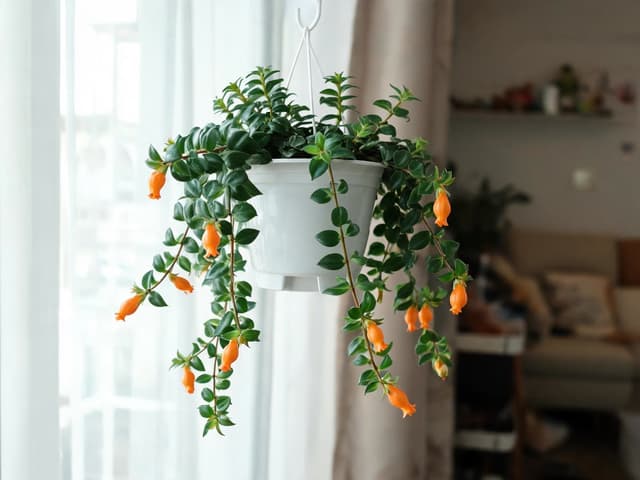
How to Care for a Goldfish Plant: Light, Watering, and Blooms
How to care for a goldfish plant: bright light without strong sun, water when the soil surface dries, and humid air. Learn how to tell a Nematanthus from a Columnea, why it drops leaves, and how to get it to bloom again.
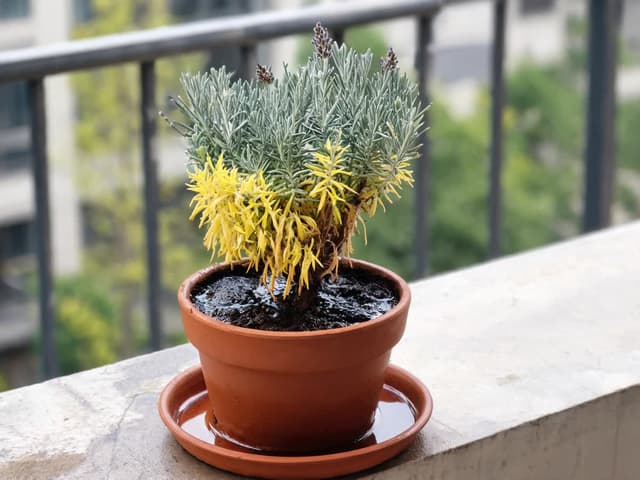
Lavender Leaves Turning Yellow: Where the Yellowing Starts Shows the Cause
Lower leaves turning yellow with moist soil means overwatered roots, the most common cause. Old leaves drying one by one on woody stems is normal. Take the stem and root test, see if your plant can still be saved, and find out what to do today.
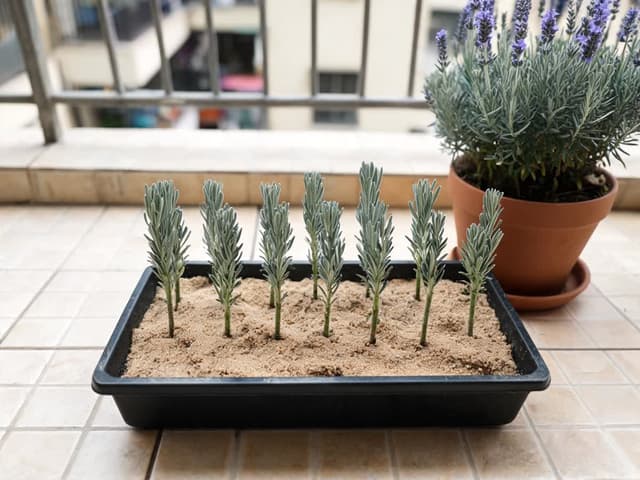
How to Propagate Lavender: Where to Cut and Why Cuttings Rot
A lavender cutting comes from a non-flowering branch tip, about 4 inches long, planted in sandy soil that never stays soggy. Learn where to cut, rooting times, seasonality in Brazil, and what to do if the base turns black.