Blog
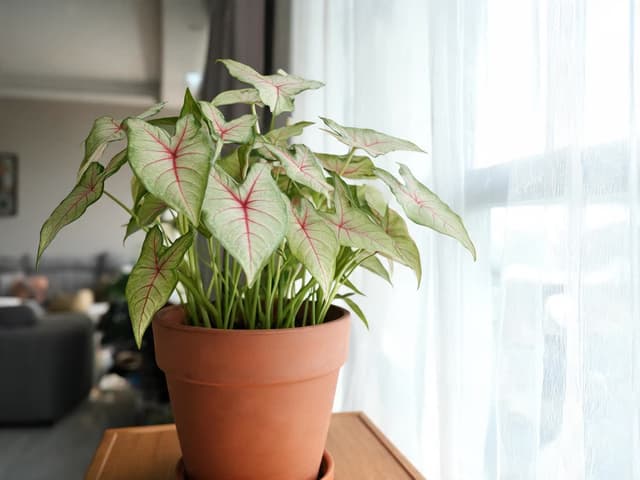
How to Care for Syngonium: Light, Watering, Cuttings, and Pests
How to care for syngonium indoors: bright indirect light, watering when the soil surface dries, 64 to 81°F (18 to 27°C), and 40 to 60% humidity. Also cover water cuttings, thrips, yellow leaves, and pet toxicity.
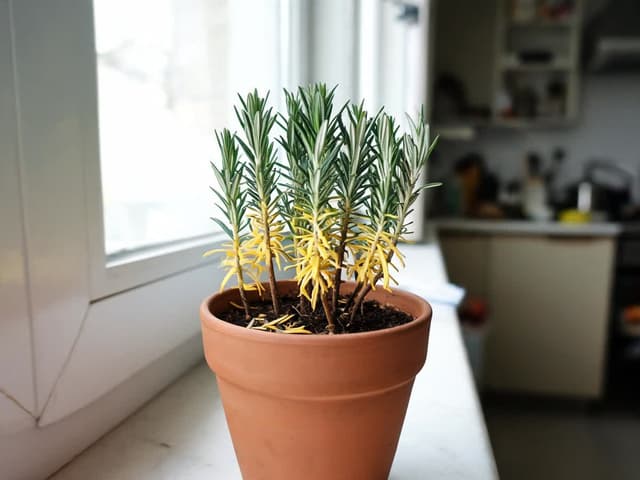
Rosemary Leaves Turning Yellow: Causes and Solutions
Rosemary with yellow leaves usually has overly wet roots. Check where the yellowing appears to see if it stems from wet roots, low light, spider mites, powdery mildew, or normal leaf shed, and learn how to save the plant.
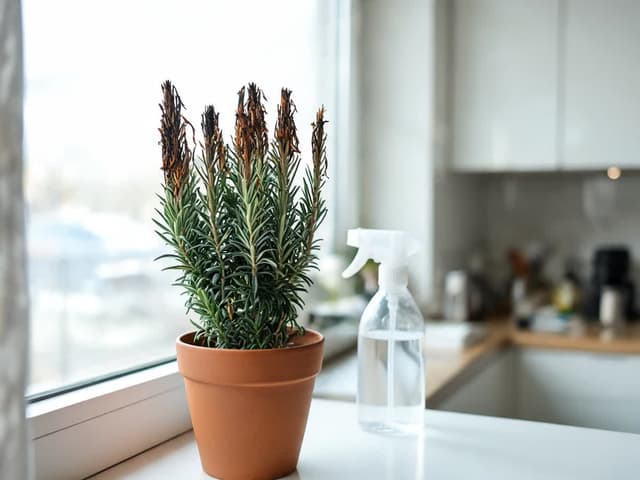
Is Your Rosemary Dying? How to Save Soap-Burned Rosemary
Rosemary with soap-burned leaves can usually be saved: the damage stays on the affected needles. Rinse the leaves, wait a week, scrape the stems, and prune only what is brown inside.
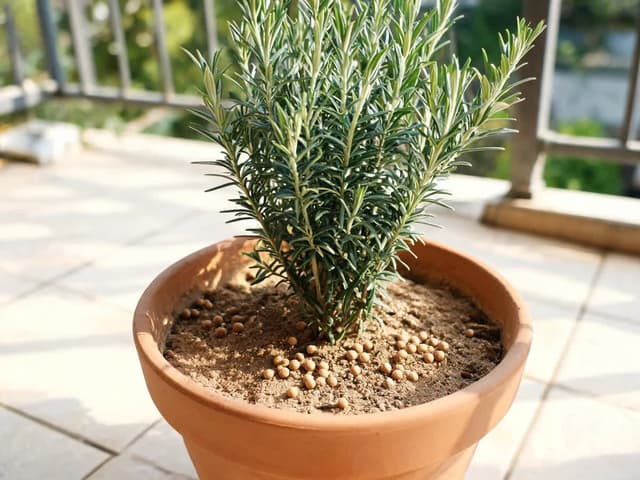
How to Fertilize Rosemary: When, How Much, and Which Fertilizer
How to fertilize rosemary in pots and in the ground: rosemary needs very little fertilizer. Learn the right timing in Brazil, doses, coffee grounds, lime, and signs of overfertilizing.
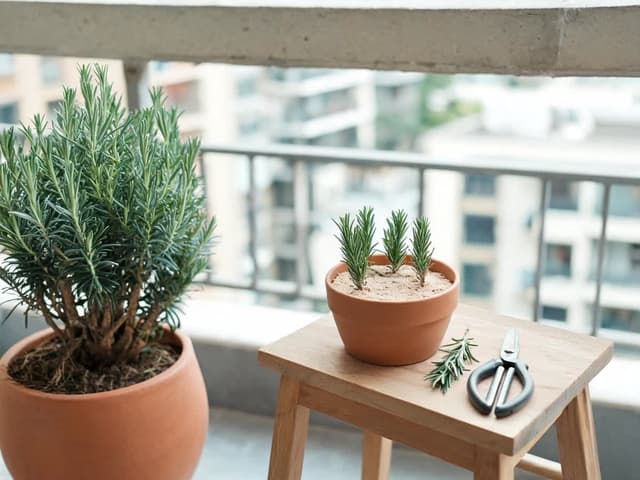
How to Propagate Rosemary: Choosing the Right Stem, Soil vs. Water, and How Long It Takes
Rosemary cuttings come from a new, non-flowering stem tip about 4 inches long. Plant it in soil mixed with sand, in a bright spot out of direct sun. Learn where to cut without harming the mother plant, whether water rooting is worth it, if rooting hormone is needed, and how long roots take.
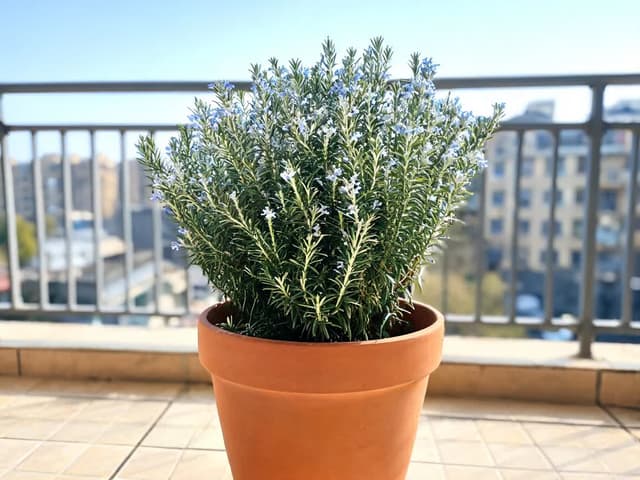
How to Make Rosemary Bloom: When It Flowers and Why Yours Doesn't
In Brazil, rosemary blooms mainly from August to December, and no source shows it needs cold. Discover 5 reasons for bloomless rosemary, when to prune, and more.
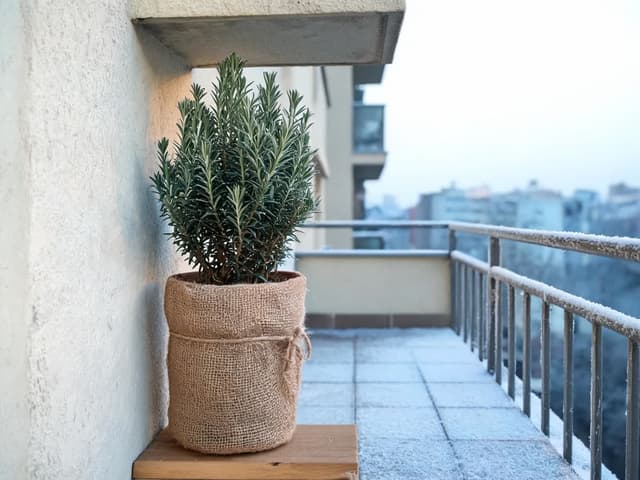
Rosemary in Winter: Cold Hardiness and Frost Protection
In-ground rosemary tolerates around 18 °F (−8 °C), and cultivars like 'Arp' withstand even colder temperatures. In containers, roots freeze sooner, and cold, waterlogged soil causes the most winter deaths. Learn how much cold each variety tolerates, how to protect potted plants, and how to revive frost-damaged rosemary.
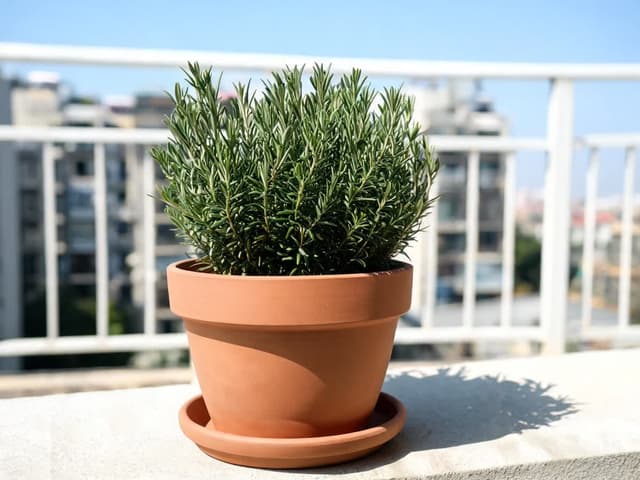
How to care for rosemary: sun, watering, and potted rosemary drying out
How to care for rosemary at home: direct sun for 6 hours, fast-draining soil, and watering only when the soil dries out. Plus how to save supermarket rosemary that turns black and dries out.
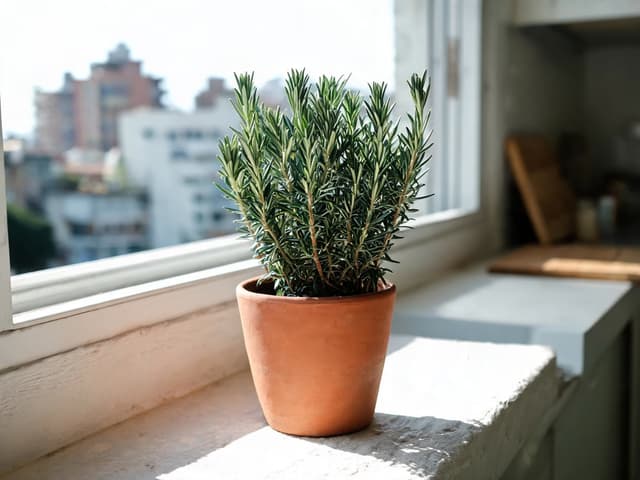
Does Rosemary Like Sun or Shade? How Much Sun It Needs, in Pots and Indoors
Rosemary thrives in full sun: 6 hours or more of direct sun a day. Here is the effect of partial shade, which indoor window works, the right grow light, and how to tell low light from root issues.
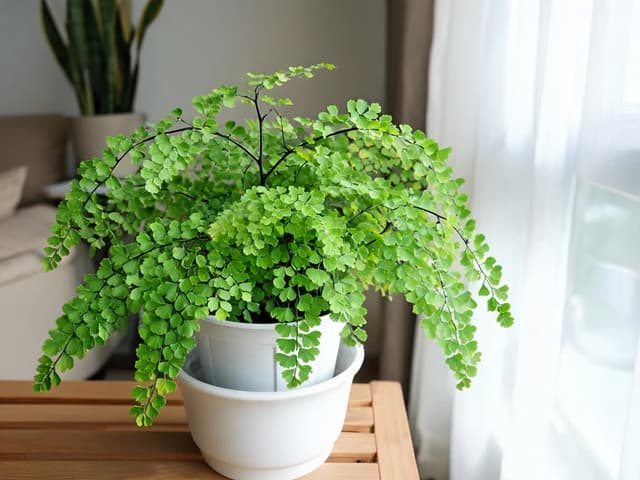
How to Care for a Maidenhair Fern: Light, Water, and Revival Tips
Learn how to care for a maidenhair fern indoors: bright indirect light, consistently moist soil, high humidity, and how to revive it if it dries out completely.
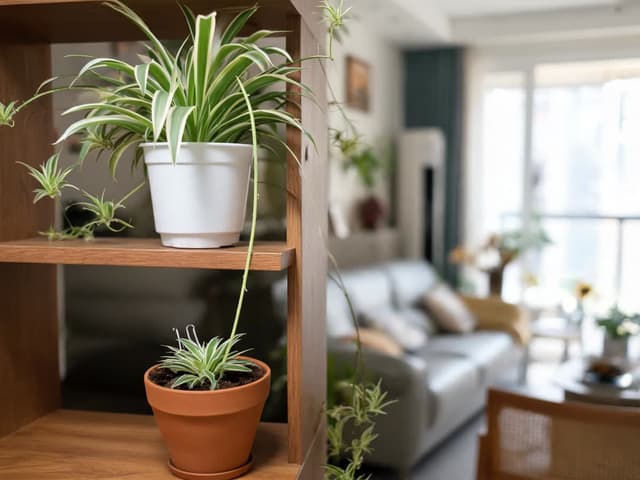
How to Propagate Spider Plants: Root the Pup Before Cutting
The safest spider plant cutting comes from a pup still attached to the mother plant: rest the plantlet on soil in a small pot, wait for roots to establish, and only then cut the stolon. Learn when the pup is ready, whether rooting in water is worth it, how to divide the clump, and why plants fail to produce babies.
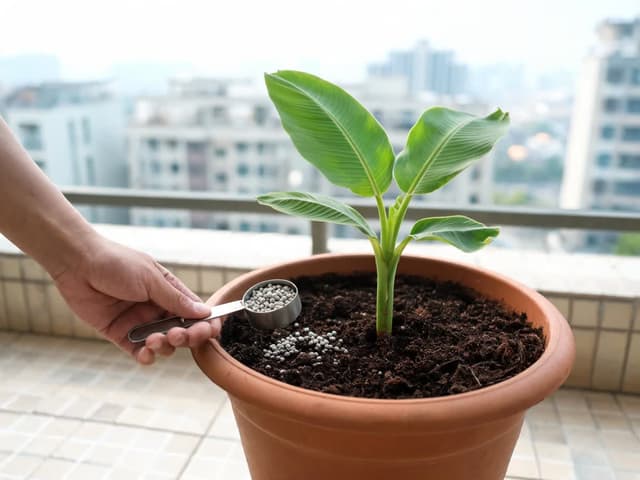
Banana plant fertilizer: fertilizing potted and backyard plants
Banana plant fertilizer needs more potassium than nitrogen, in a 3-1-6 ratio. For a potted plant on a balcony, use the label dose in spring and summer. In the backyard, fertilize every 2 months, adjusting the amount by mat age. Learn the formula, timing in Brazil, and signs of deficiency or excess.