500 Best Plants for Anchorage | 2026 Guide - Page 3
Discover the 500 ideal plants for Anchorage's climate. Average temp: 2.6°C, Humidity: 79.5%.
Top 500 Plants for Anchorage
Showing 73-108 of 500
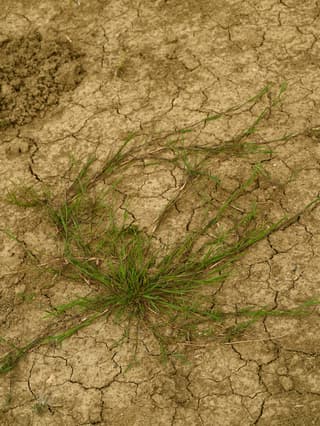
Creeping bentgrass
Agrostis stolonifera
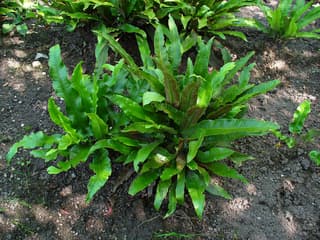
Hart's-tongue Fern
Asplenium scolopendrium
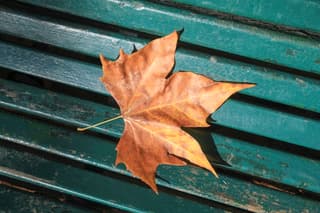
London plane
Platanus × hispanica
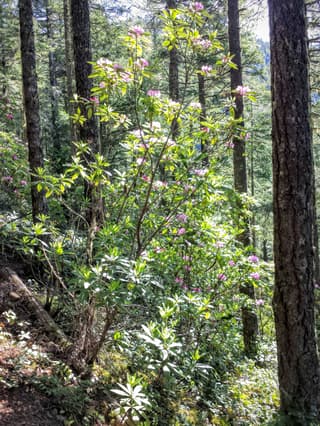
Pacific Rhododendron
Rhododendron macrophyllum
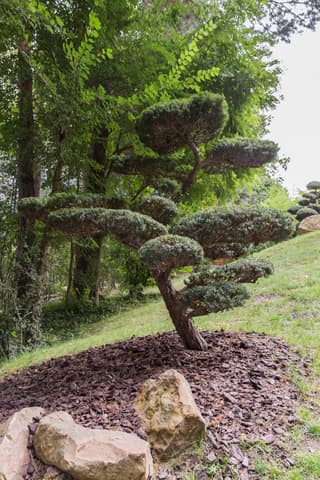
English Yew
Taxus baccata
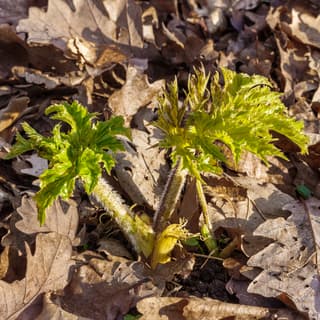
Common Hogweed
Heracleum
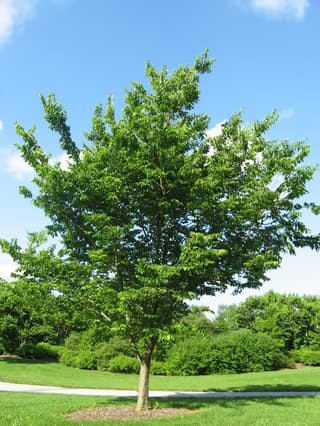
Common hackberry
Celtis occidentalis
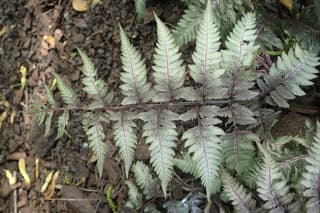
Japanese Painted Fern
Athyrium niponicum
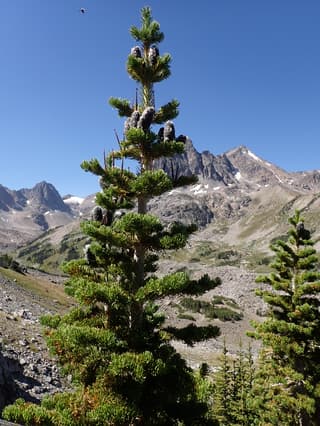
Subalpine Fir
Abies lasiocarpa
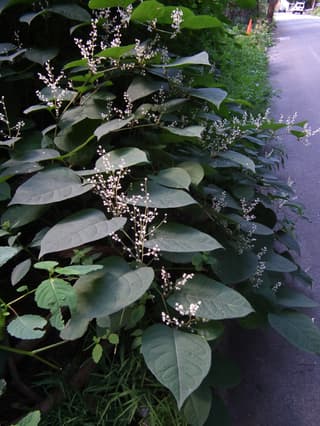
Bohemian knotweed
Reynoutria × bohemica
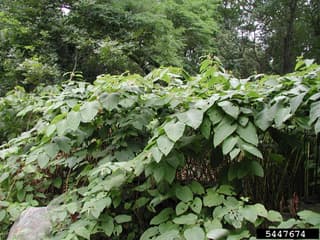
Giant Knotweed
Reynoutria sachalinensis
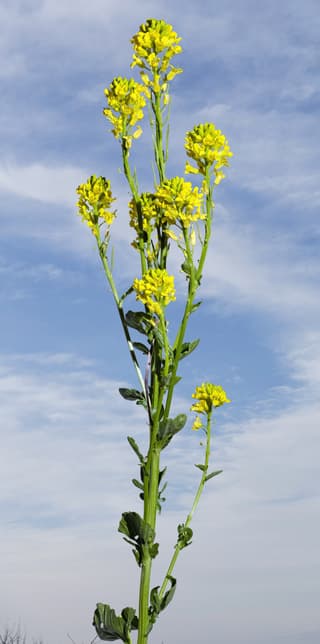
Wintercress
Barbarea vulgaris
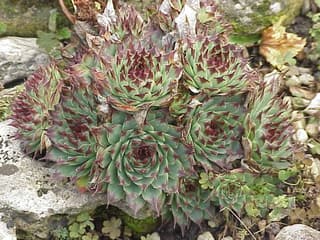
Limestone Houseleek
Sempervivum calcareum
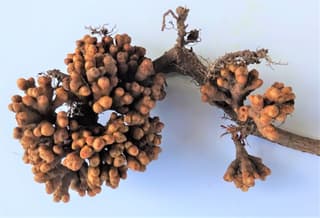
Alder
Alnus
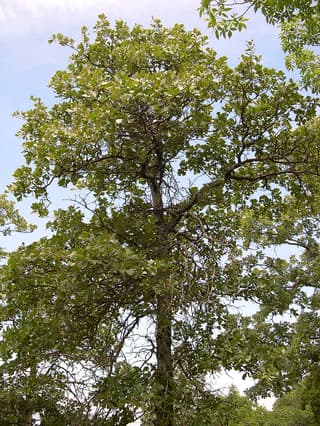
Blackjack Oak
Quercus marilandica
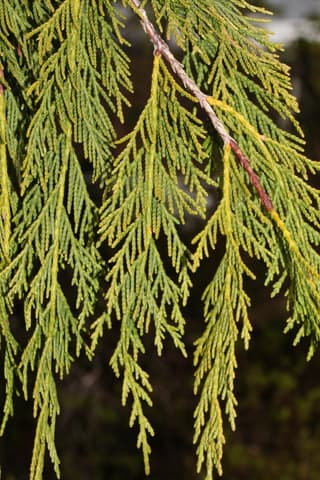
Nootka Cypress
Callitropsis nootkatensis
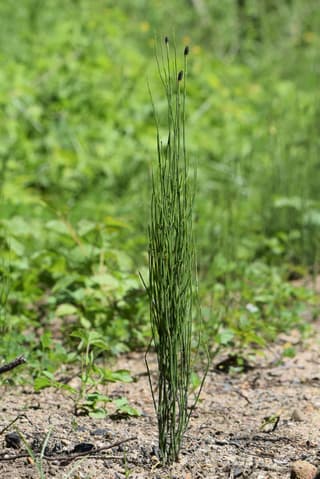
Marsh Horsetail
Equisetum palustre
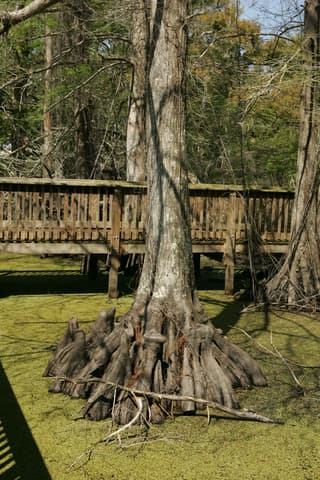
Bald Cypress
Taxodium distichum
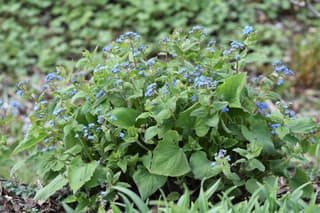
Siberian Bugloss
Brunnera macrophylla
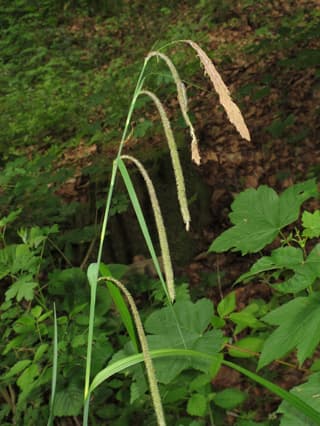
Pendulous Sedge
Carex pendula
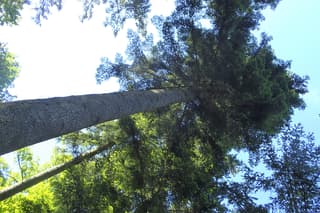
Nordmann fir
Abies nordmanniana
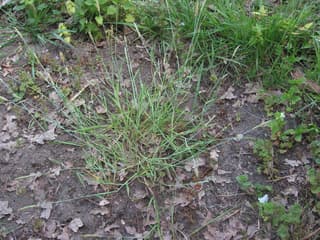
Water Foxtail
Alopecurus geniculatus
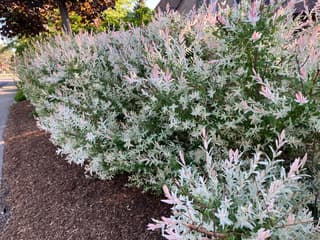
Dappled Willow 'Hakuro Nishiki'
Salix integra 'Hakuro Nishiki'
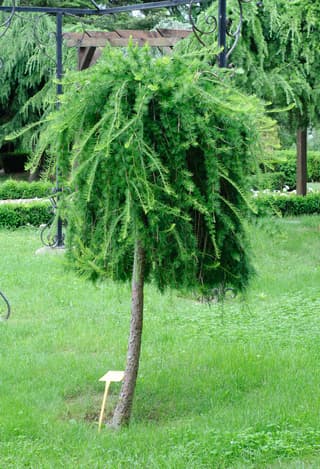
European Larch
Larix decidua
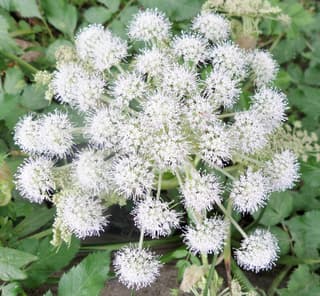
Wild Angelica
Angelica sylvestris
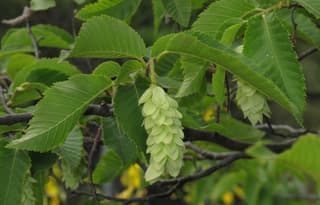
European hop-hornbeam
Ostrya carpinifolia
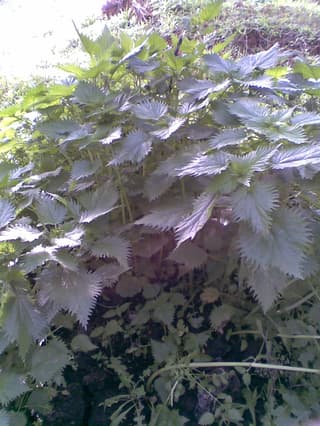
Stinging Nettle
Urtica dioica
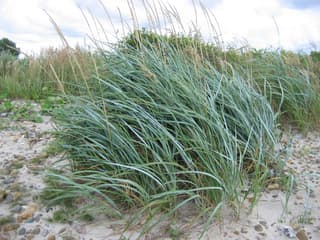
Sea Lyme Grass
Leymus arenarius
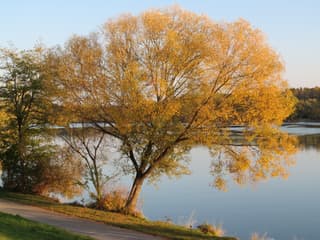
Basket Willow
Salix viminalis
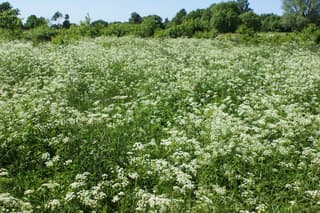
Cow Parsley
Anthriscus sylvestris
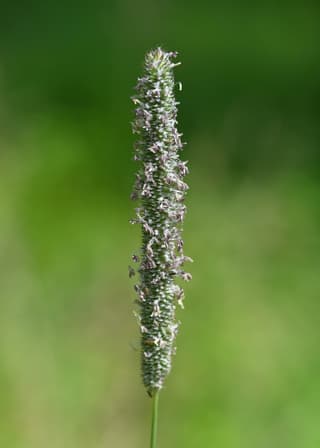
Timothy-grass
Phleum pratense
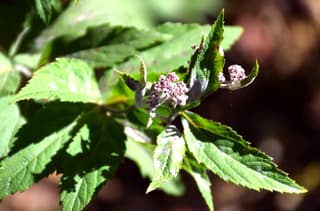
Willowleaf Spiraea
Spiraea salicifolia
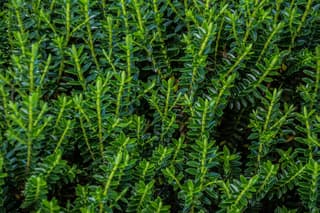
Fragrant Hebe
Hebe odora
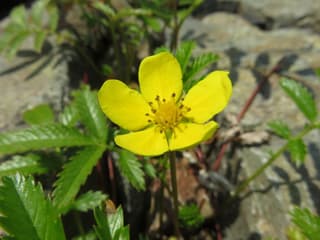
Silverweed
Argentina anserina
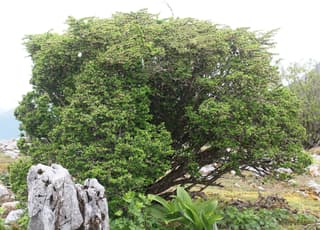
Japanese Barberry
Berberis thunbergii
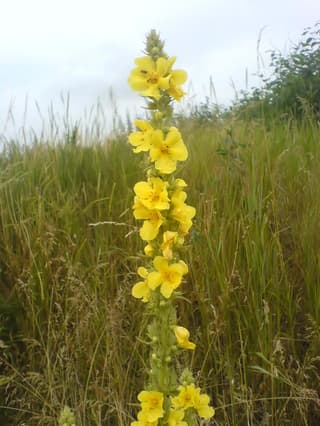
Denseflower Mullein
Verbascum densiflorum
Anchorage Climate for Plant Growing
Anchorage has a climate with an average annual temperature of 2.6°C and average relative humidity of 79.5%. These climate conditions are ideal for various species of ornamental and fruit plants.
Tips for Growing Plants in Anchorage
To succeed in growing plants in Anchorage, consider the average temperature of 2.6°C when choosing your species. Protect cold-sensitive plants during winter. High humidity favors tropical plants, but watch for fungal issues.
Why Choose Plants Adapted to the Local Climate?
Plants adapted to Anchorage's climate require less care, consume less water, and are more likely to thrive. Our selection considers the compatibility between each species' needs and local climate conditions, including temperature (2.6°C) and humidity (79.5%).