500 Best Plants for Barra da Estiva | 2026 Guide - Page 12
Discover the 500 ideal plants for Barra da Estiva's climate. Average temp: 19.4°C, Humidity: 79.9%.
Top 500 Plants for Barra da Estiva
Showing 397-432 of 500
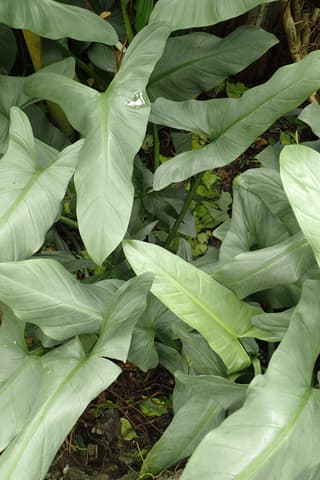
Spadeleaf Philodendron
Philodendron domesticum
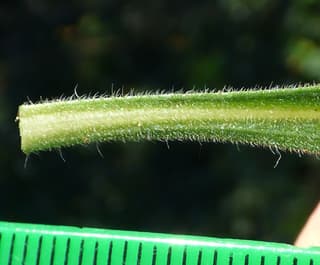
Guernsey Fleabane
Erigeron sumatrensis

Areca palm
Chrysalidocarpus lutescens
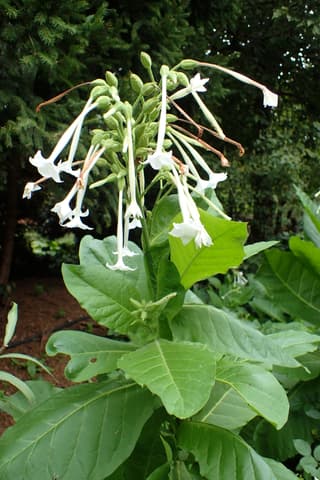
Woodland Tobacco
Nicotiana sylvestris
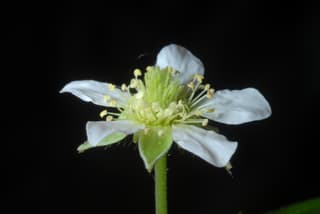
White Avens
Geum canadense
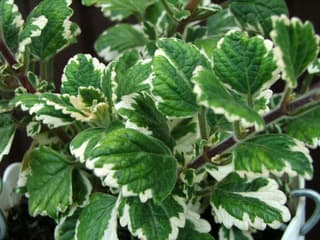
Candle Plant
Coleus paniculatus
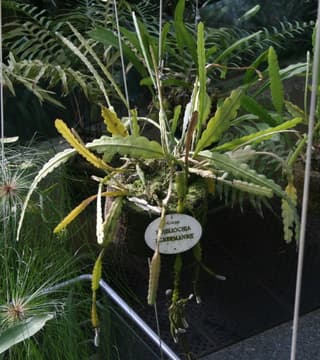
Orchid Cactus
Disocactus
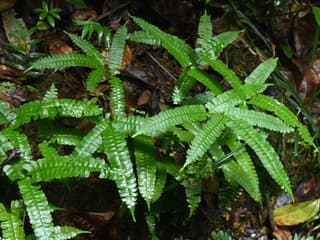
Necklace Fern
Lindsaea
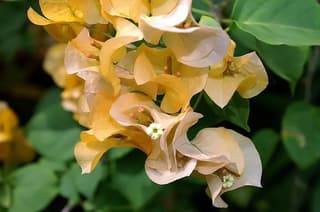
Bougainvillea
Bougainvillea x buttiana
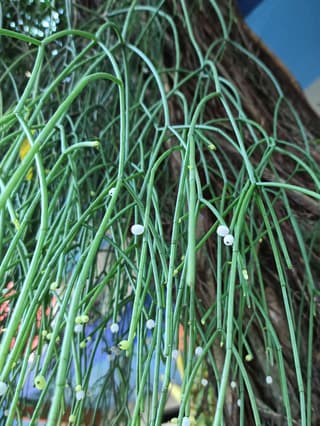
Mistletoe Cactus
Rhipsalis
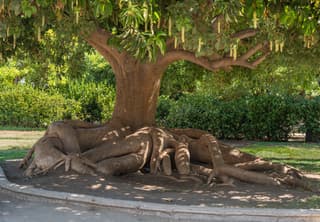
Ombú
Phytolacca dioica

Rougeplant
Rivina humilis
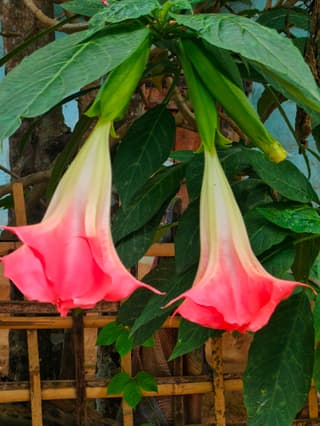
Angel's Trumpet
Brugmansia
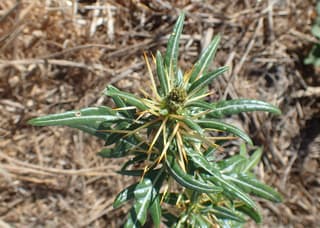
Spiny Cocklebur
Xanthium spinosum
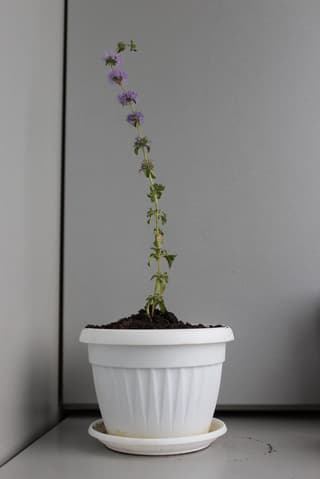
Pennyroyal
Mentha pulegium
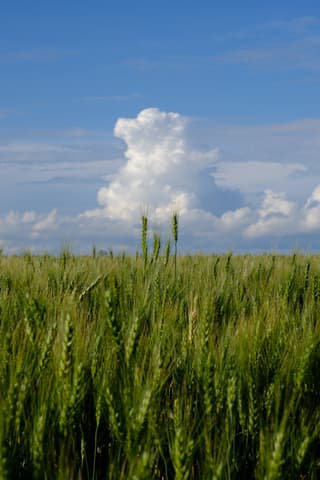
Common wheat
Triticum aestivum
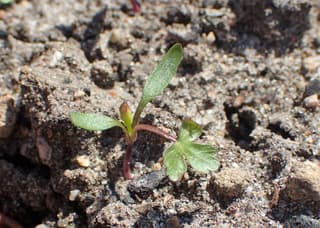
Fool's Parsley
Aethusa cynapium
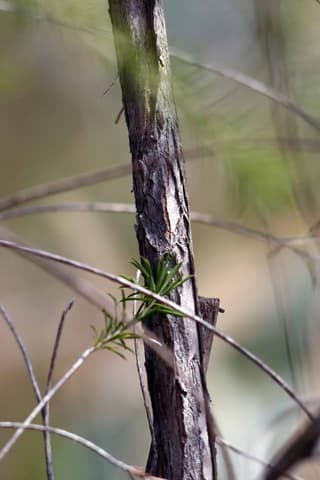
Bracelet Honey Myrtle
Melaleuca armillaris
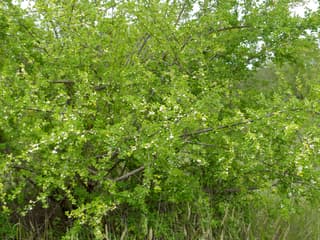
White-Berry Bush
Flueggea virosa
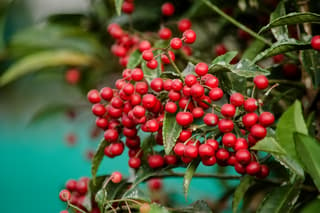
Coral Berry
Ardisia crenata
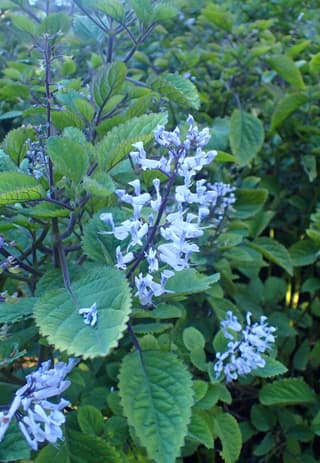
Speckled Spur-Flower
Plectranthus ciliatus
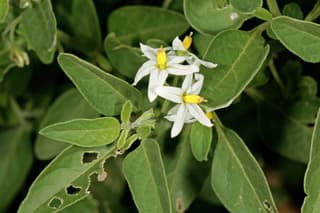
Tall nightshade
Solanum chenopodioides
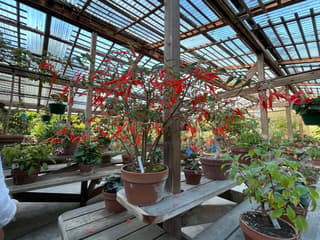
Bolivian begonia
Begonia boliviensis
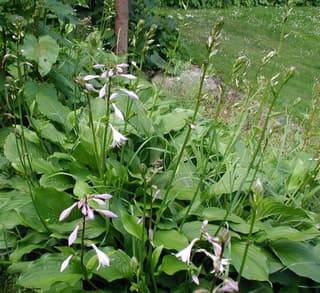
Fortune's Hosta
Hosta fortunei
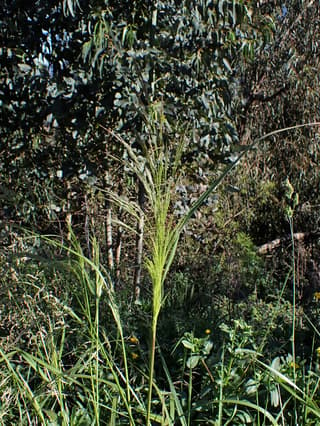
Johnson grass
Sorghum halepense
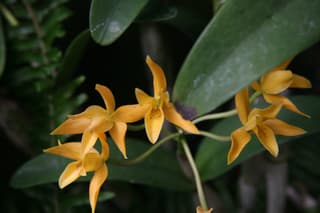
Orange Cattleya
Guarianthe aurantiaca
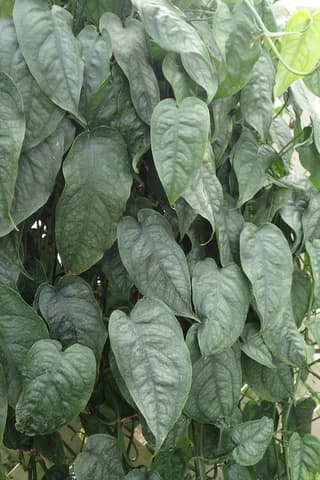
Silver Monstera
Monstera siltepecana
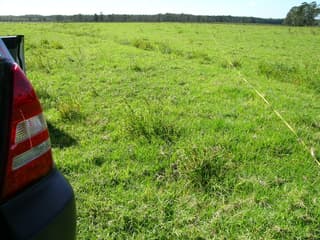
Kikuyu Grass
Cenchrus clandestinus
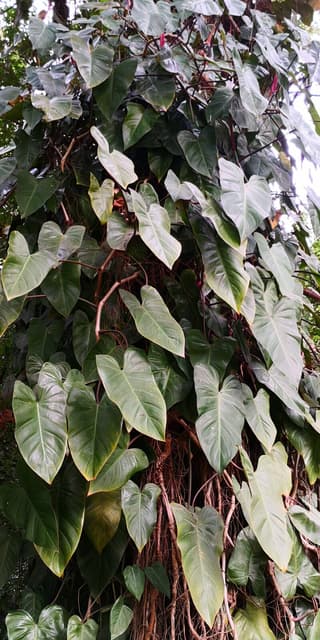
Imperial Green Philodendron
Philodendron 'Imperial Green'
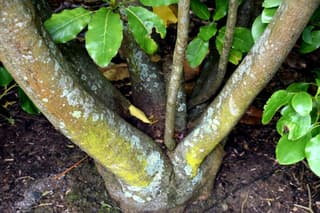
Puka
Meryta
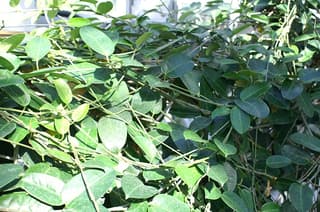
Madagascar Jasmine
Stephanotis floribunda
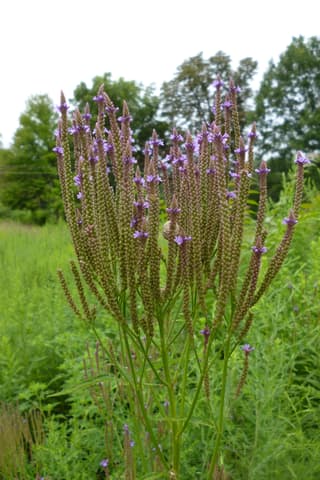
Blue Vervain
Verbena hastata
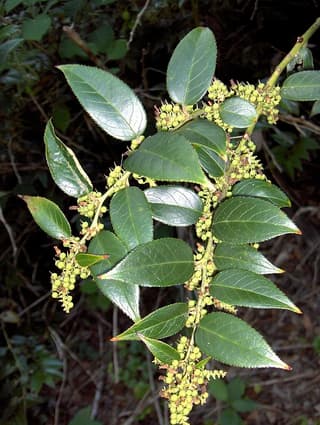
Fetterbush
Leucothoe fontanesiana
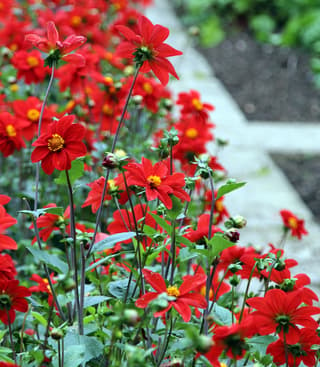
Dahlia
Dahlia

Cape Primrose
Streptocarpus
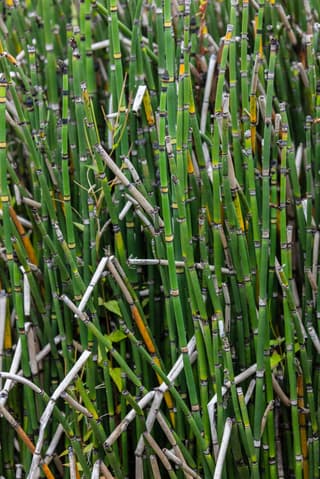
Rough Horsetail
Equisetum hyemale
Barra da Estiva Climate for Plant Growing
Barra da Estiva has a climate with an average annual temperature of 19.4°C and average relative humidity of 79.9%. These climate conditions are ideal for various species of ornamental and fruit plants.
Tips for Growing Plants in Barra da Estiva
To succeed in growing plants in Barra da Estiva, consider the average temperature of 19.4°C when choosing your species. The temperate climate allows you to grow a wide variety of species. High humidity favors tropical plants, but watch for fungal issues.
Why Choose Plants Adapted to the Local Climate?
Plants adapted to Barra da Estiva's climate require less care, consume less water, and are more likely to thrive. Our selection considers the compatibility between each species' needs and local climate conditions, including temperature (19.4°C) and humidity (79.9%).