294 Best Succulents for Boituva | 2026 Guide - Page 3
The 294 best succulents to grow in Boituva. Ideal climate: 21.5°C, 74.3% humidity.
294 Succulents for Boituva
Showing 73-108 of 294
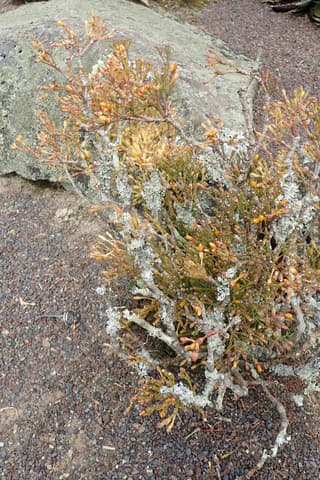
Dancing bones cactus
Hatiora salicornioides
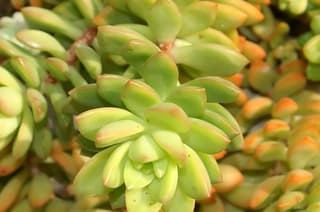
Golden Sedum
Sedum adolphi
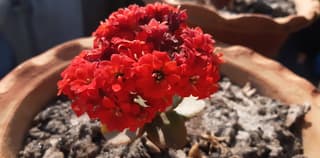
Flaming Katy
Kalanchoe blossfeldiana
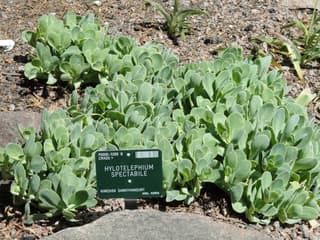
Showy Stonecrop
Sedum spectabile
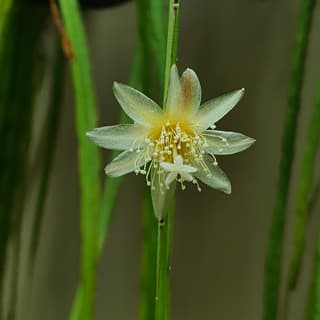
Bolivian Forest Cactus
Pfeiffera boliviana
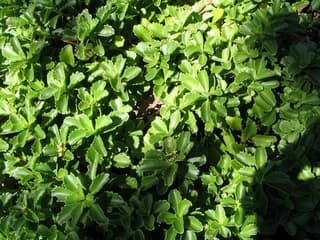
Kamchatka Stonecrop
Phedimus kamtschaticus
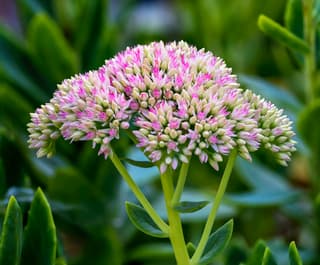
Autumn Joy Sedum
Hylotelephium
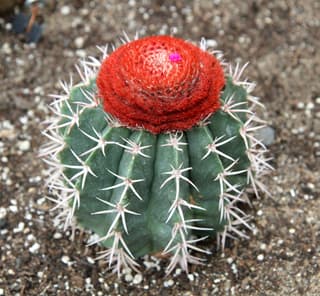
Turk's Cap Cactus
Melocactus zehntneri
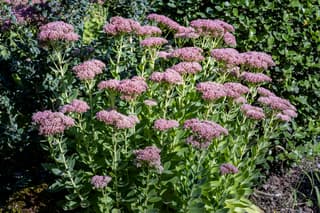
Orpine
Hylotelephium telephium
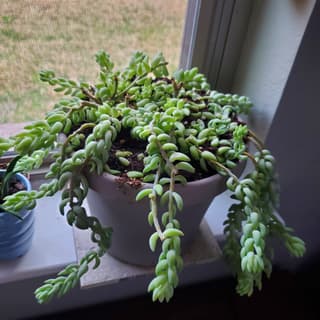
Stonecrop (genus)
Sedum
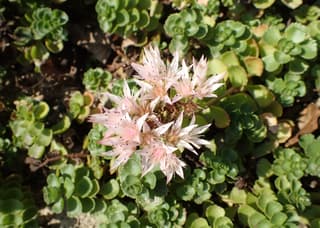
Two-row Stonecrop
Phedimus spurius
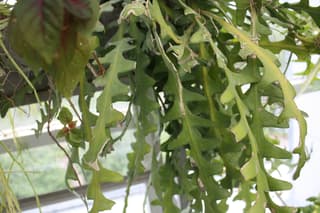
Ric Rac Cactus
Selenicereus anthonyanus
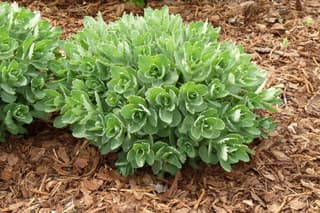
Showy Stonecrop
Hylotelephium spectabile
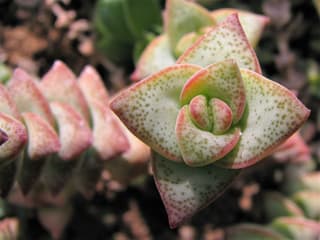
String of Buttons
Crassula perforata
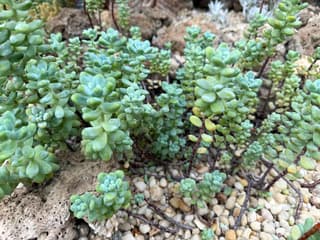
Jelly Bean Plant
Sedum pachyphyllum
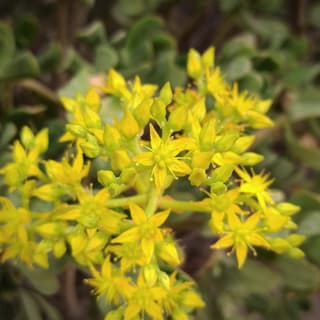
Tree Stonecrop
Sedum dendroideum
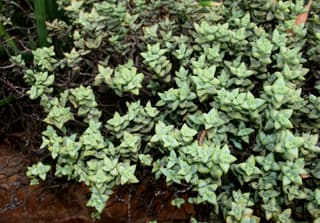
Concertina Plant
Crassula rupestris
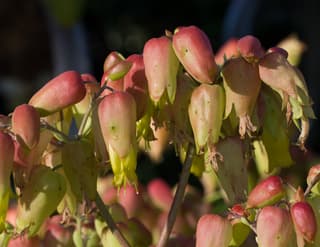
Milky Widow's Thrill
Kalanchoe laxiflora
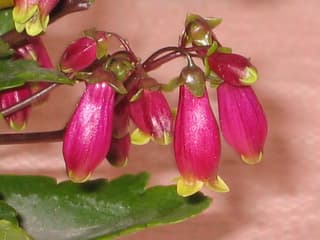
Pearl Bells
Kalanchoe porphyrocalyx
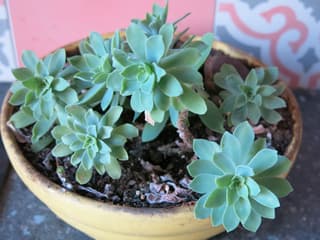
Aeonium
Aeonium
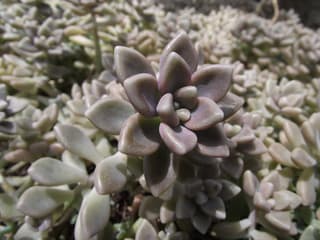
Marbled Succulent
Sedum mendozae

Chalk Dudleya
Dudleya pulverulenta
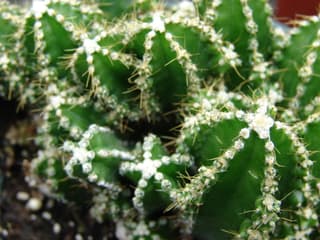
Giant Peruvian Cereus
Cereus peruvianus
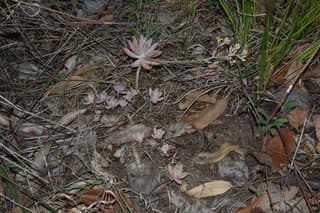
Graptosedum Ghosty
Graptosedum 'Ghosty'
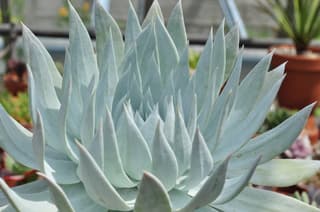
Liveforever
Dudleya
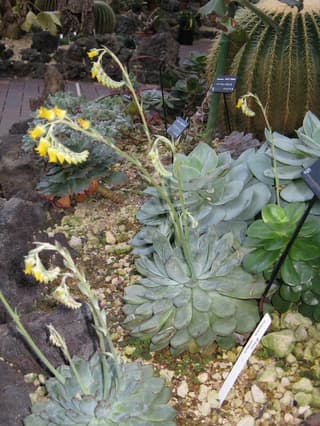
Pulido's Echeveria
Echeveria pulidonis
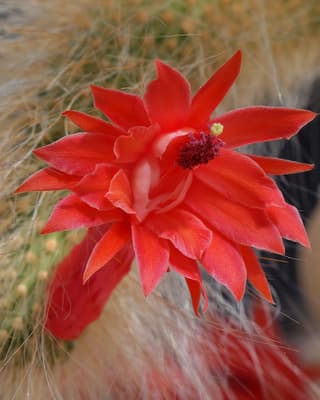
Monkey's Tail Cactus
Hildewintera colademononis
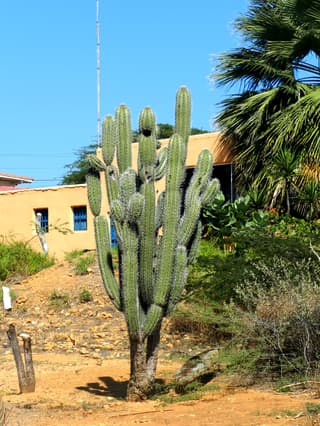
Peruvian Apple Cactus
Cereus repandus
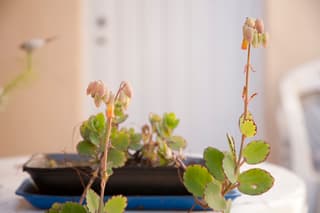
Lavender Scallops
Kalanchoe fedtschenkoi
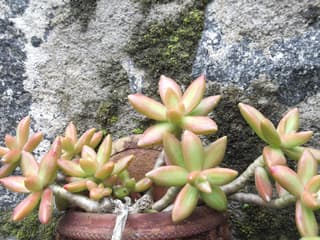
Golden Sedum
Sedum adolphii
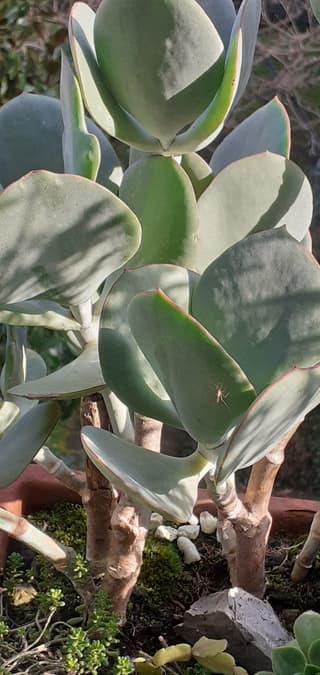
Pig's Ear
Cotyledon orbiculata
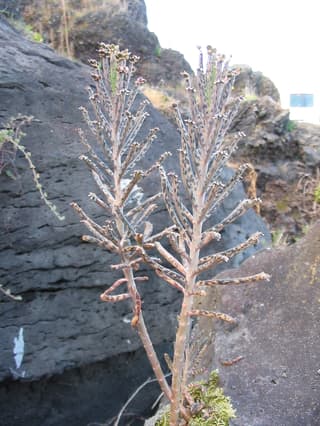
Mother of Millions
Kalanchoe delagoensis
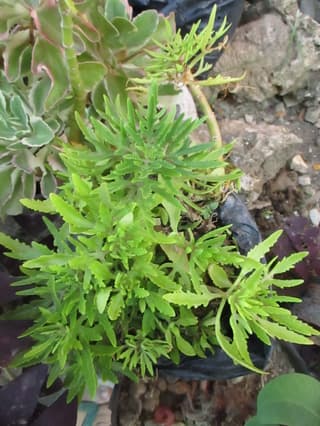
Horned-leaf Kalanchoe
Kalanchoe ceratophylla
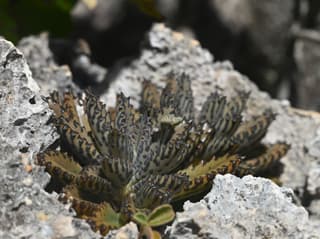
Mother of Millions Hybrid
Kalanchoe × houghtonii
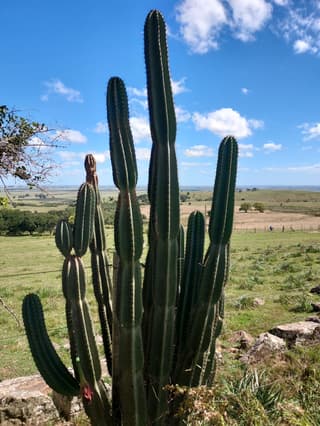
Cereus / Hedge Cactus (genus)
Cereus
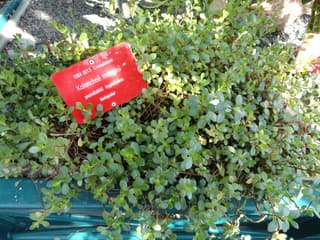
Chandelier Plant
Kalanchoe manginii
Ideal Succulents for Boituva's Climate
Boituva has an average temperature of 21.5°C and humidity of 74.3%, conditions that directly influence which succulents best adapt to the local environment.
How to Grow Succulents in Boituva
To successfully grow succulents in Boituva, consider that the average temperature of 21.5°C and humidity of 74.3% create a specific microclimate. High humidity favors tropical species, but requires attention to ventilation to prevent fungal issues.
Advantages of Choosing Adapted Succulents
Succulents adapted to Boituva's climate show greater resistance, healthy growth, and less need for interventions.