500 Best Plants for Buckeye | 2026 Guide - Page 6
Discover the 500 ideal plants for Buckeye's climate. Average temp: 23.5°C, Humidity: 30.9%.
Top 500 Plants for Buckeye
Showing 181-216 of 500
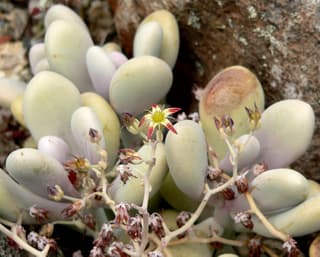
Lavender Pebbles
Graptopetalum amethystinum
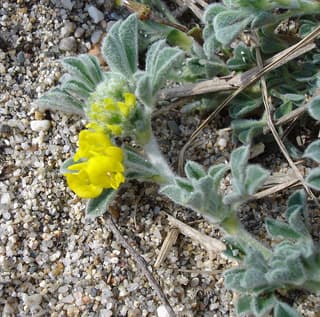
Medick
Medicago
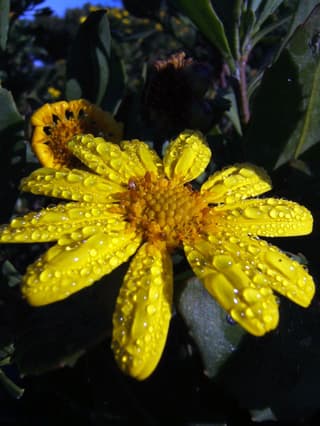
Bietou
Osteospermum moniliferum
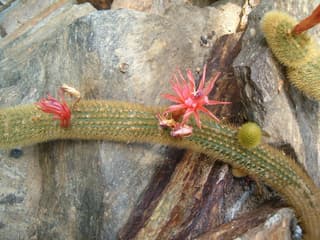
Golden Rat-tail Cactus
Cleistocactus winteri
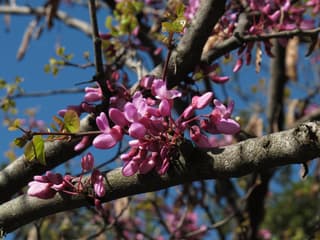
Judas tree
Cercis siliquastrum
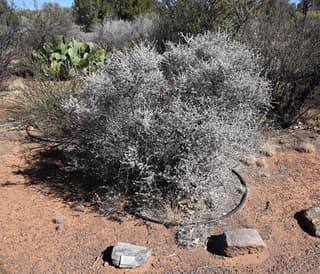
Thunder Cloud Sage
Leucophyllum candidum
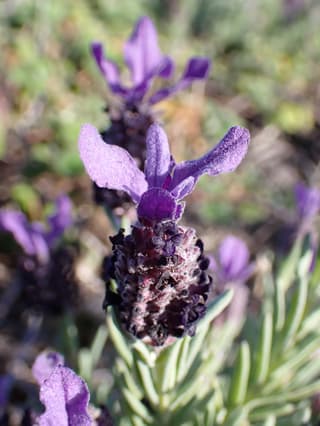
Spanish Lavender
Lavandula stoechas
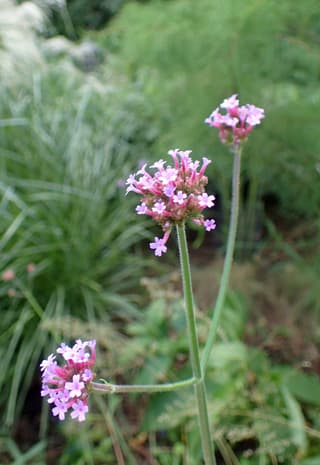
Purpletop Vervain
Verbena bonariensis
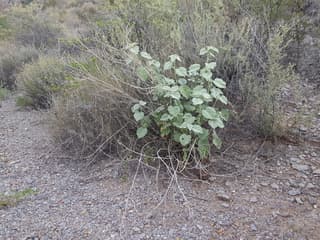
Abutilon Hybrid
Abutilon
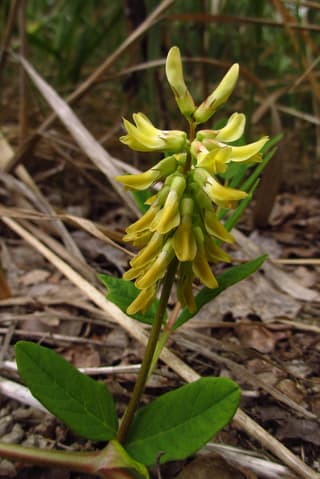
Astragalus
Astragalus
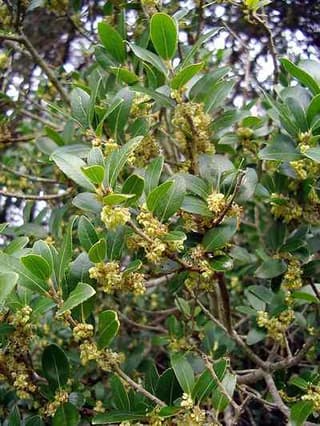
Green Olive Tree
Phillyrea latifolia
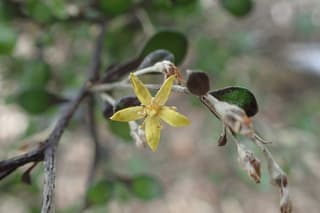
Wire-netting Bush
Corokia cotoneaster
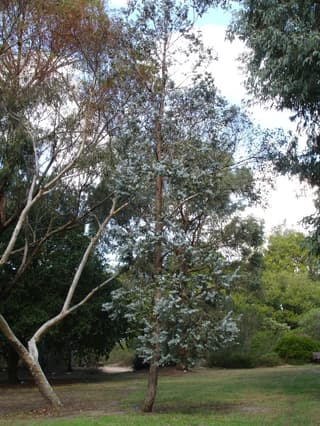
Argyle Apple
Eucalyptus cinerea
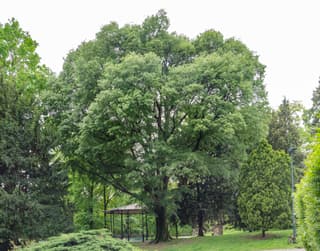
European Nettle Tree
Celtis australis
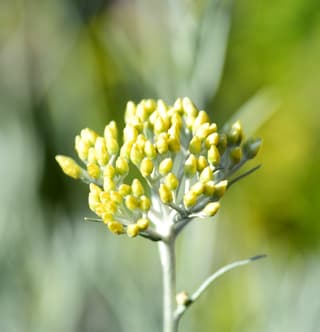
Curry Plant
Helichrysum italicum
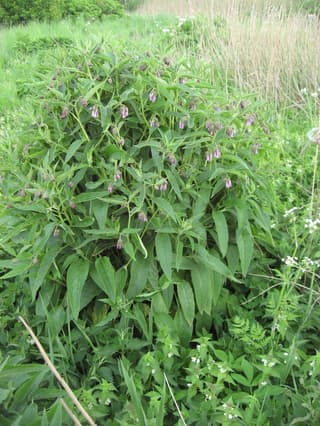
Russian Comfrey
Symphytum × uplandicum
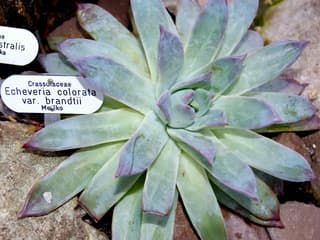
Mexican Hens and Chicks
Echeveria colorata
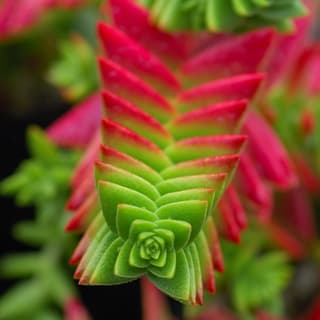
Campfire Crassula
Crassula capitella
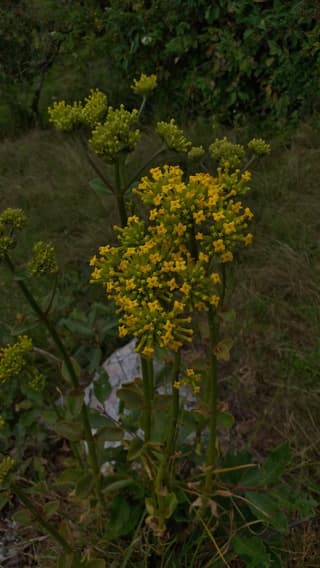
Dense-flowered Kalanchoe
Kalanchoe densiflora
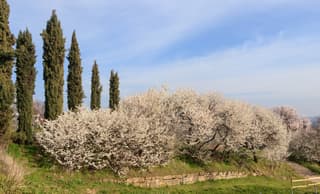
Almond
Prunus dulcis
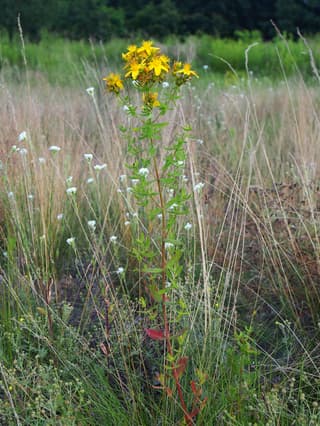
St. John's Wort
Hypericum
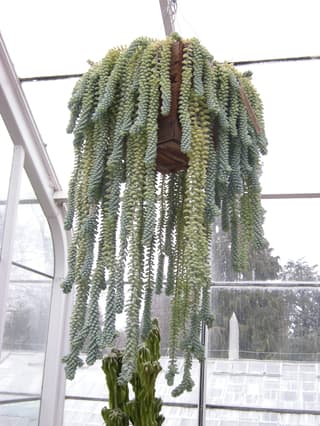
Baby Donkey Tail
Sedum burrito
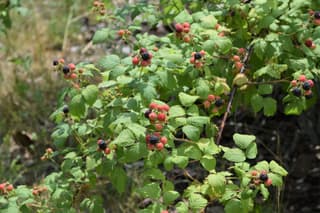
Black Raspberry
Rubus occidentalis
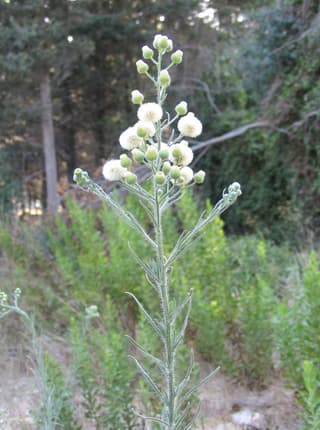
Argentine fleabane
Conyza bonariensis
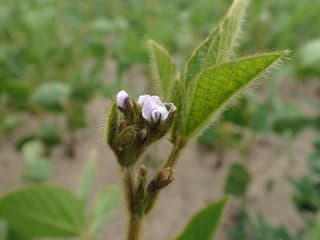
Soybean
Glycine max

Cushion Bush
Leucophyta brownii
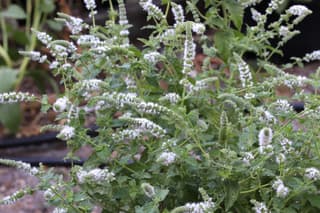
Peppermint
Mentha x piperita
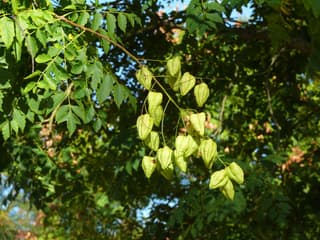
Golden Rain Tree
Koelreuteria paniculata
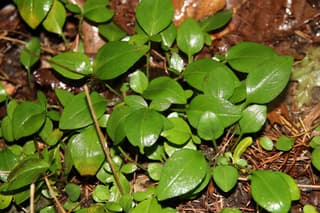
Shrubby St. John's Wort
Hypericum prolificum
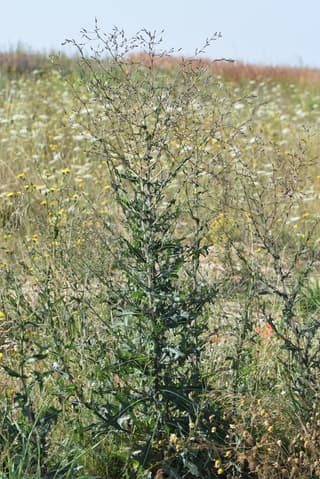
Prickly Lettuce
Lactuca serriola
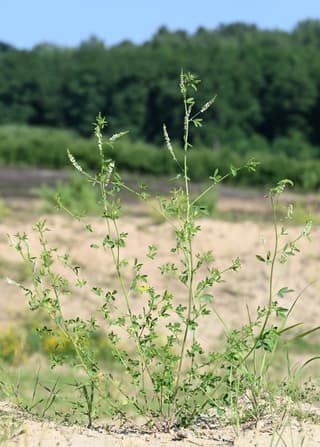
White sweet clover
Melilotus albus
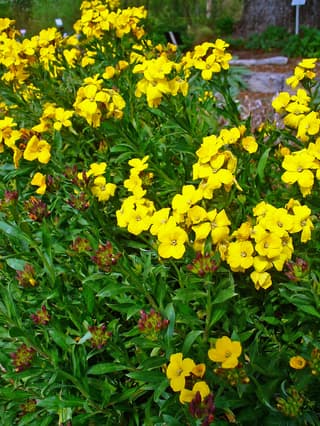
Wallflower
Erysimum
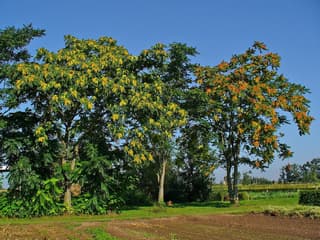
Tree of Heaven
Ailanthus
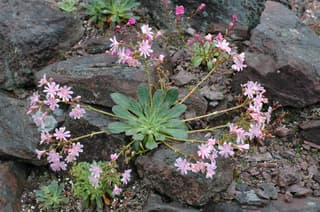
Siskiyou Lewisia
Lewisia cotyledon
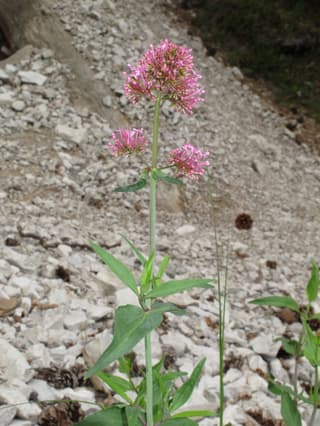
Red Valerian
Centranthus ruber
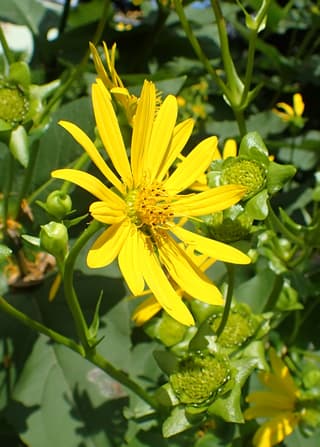
Silphium
Silphium
Buckeye Climate for Plant Growing
Buckeye has a climate with an average annual temperature of 23.5°C and average relative humidity of 30.9%. These climate conditions are ideal for various species of ornamental and fruit plants.
Tips for Growing Plants in Buckeye
To succeed in growing plants in Buckeye, consider the average temperature of 23.5°C when choosing your species. The temperate climate allows you to grow a wide variety of species. Water more frequently due to low humidity.
Why Choose Plants Adapted to the Local Climate?
Plants adapted to Buckeye's climate require less care, consume less water, and are more likely to thrive. Our selection considers the compatibility between each species' needs and local climate conditions, including temperature (23.5°C) and humidity (30.9%).