500 Best Plants for Cheyenne | 2026 Guide - Page 9
Discover the 500 ideal plants for Cheyenne's climate. Average temp: 8°C, Humidity: 53%.
Top 500 Plants for Cheyenne
Showing 289-324 of 500
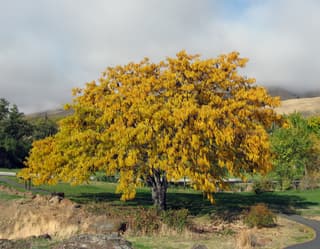
Honey Locust
Gleditsia triacanthos
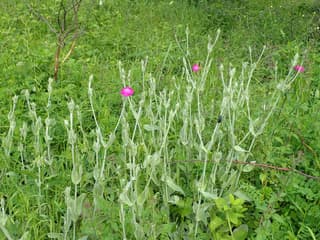
Rose Campion
Silene coronaria
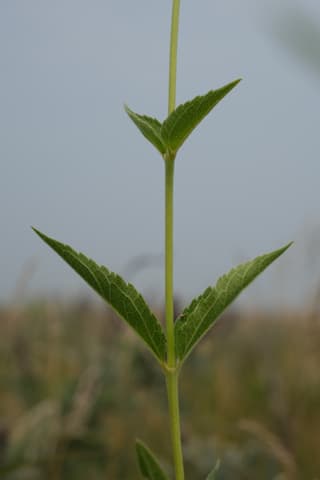
False Sunflower
Heliopsis helianthoides
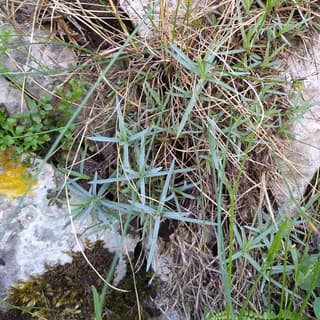
Cheddar Pink
Dianthus gratianopolitanus
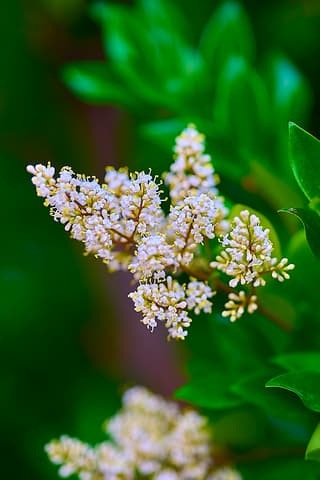
Privet
Ligustrum
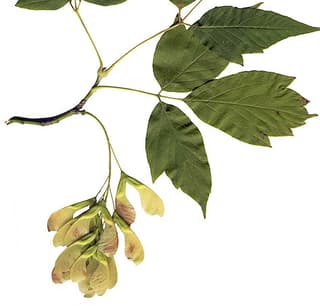
Boxelder
Acer negundo
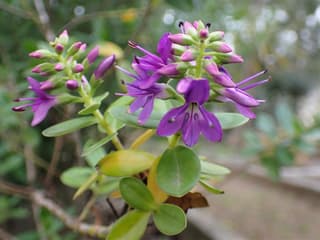
Franciscan Hebe
Veronica × franciscana
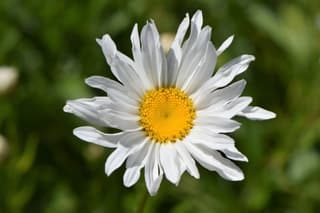
Max Chrysanthemum
Leucanthemum maximum
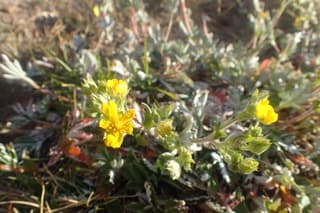
Beautiful Cinquefoil
Potentilla pulcherrima
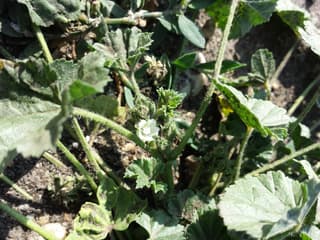
Low Mallow
Malva pusilla
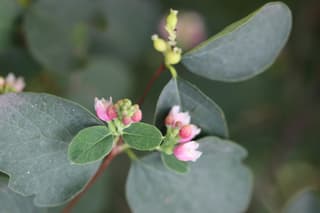
Common Snowberry
Symphoricarpos albus
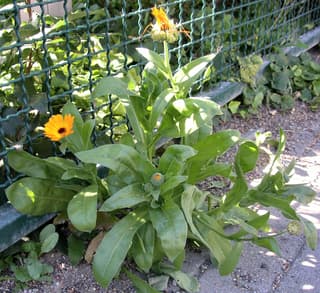
Pot Marigold
Calendula officinalis
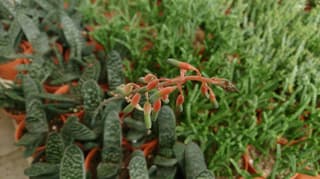
Namaqua Ox Tongue
Gasteria pillansii
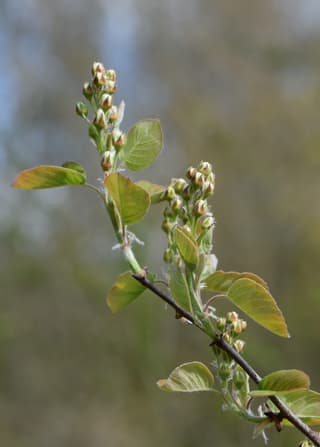
Saskatoon Serviceberry
Amelanchier alnifolia
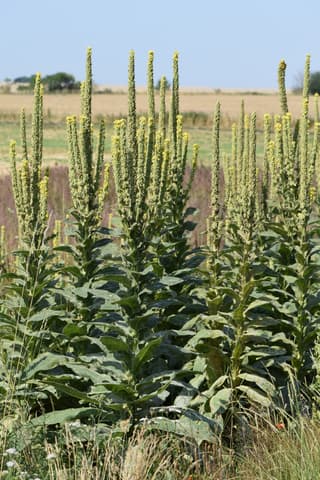
Common Mullein
Verbascum thapsus
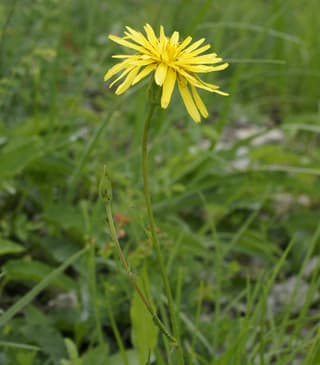
Black Salsify
Scorzonera
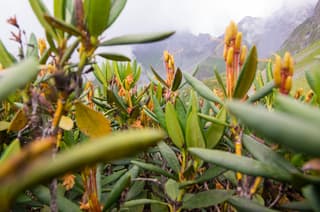
Caucasian Snow Rose
Rhododendron caucasicum
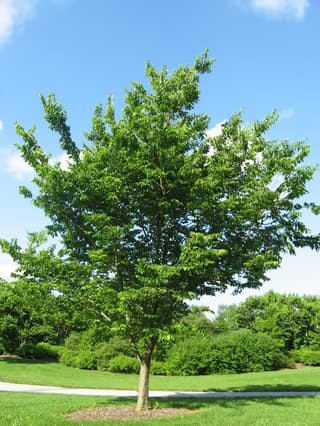
Common hackberry
Celtis occidentalis
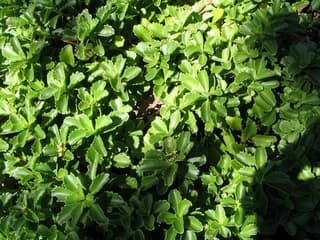
Kamchatka Stonecrop
Phedimus kamtschaticus
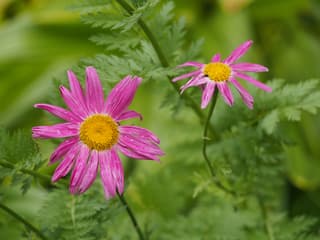
Painted Daisy
Tanacetum coccineum
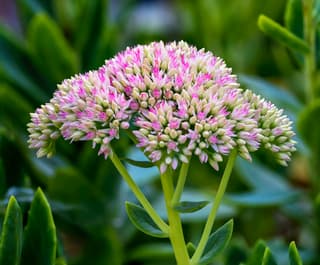
Autumn Joy Sedum
Hylotelephium
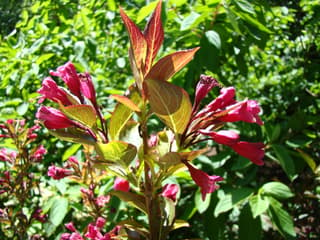
Old Fashioned Weigela
Weigela florida
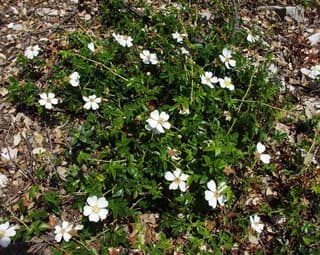
Evergreen Rose
Rosa sempervirens
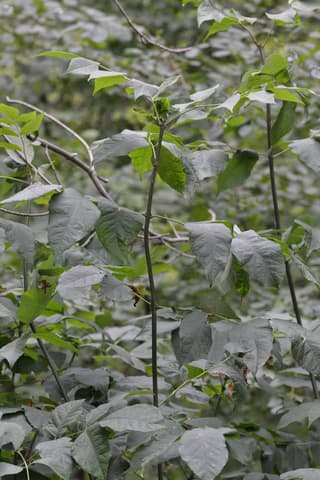
Green Ash
Fraxinus pennsylvanica
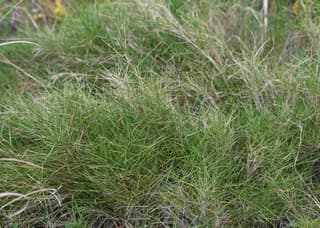
Mediterranean False Brome
Brachypodium retusum
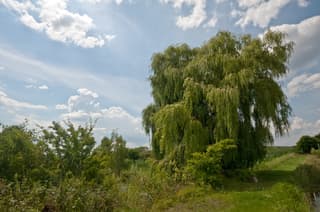
White Willow
Salix alba
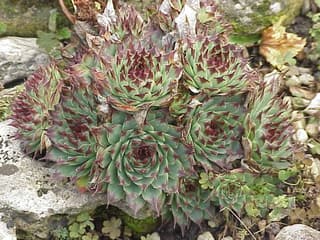
Limestone Houseleek
Sempervivum calcareum
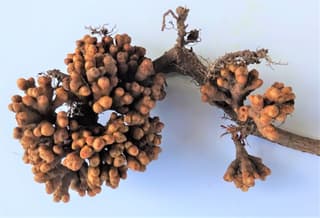
Alder
Alnus
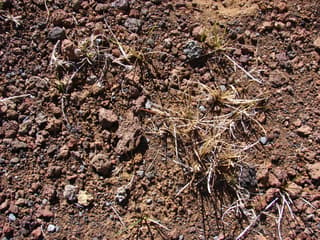
Kentucky bluegrass
Poa pratensis
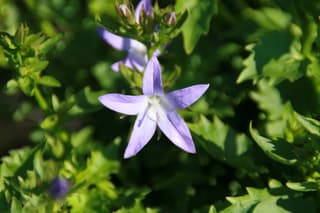
Serbian Bellflower
Campanula poscharskyana
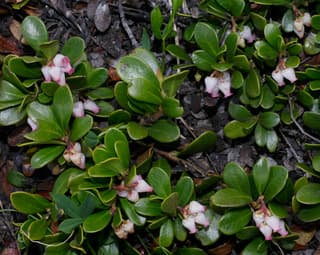
Bearberry
Arctostaphylos uva-ursi
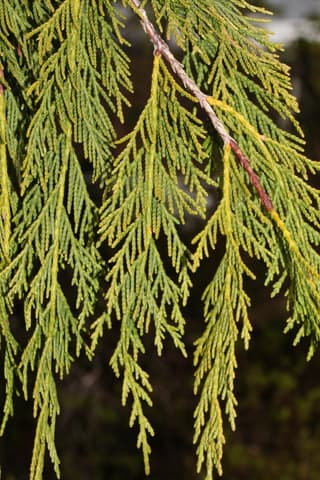
Nootka Cypress
Callitropsis nootkatensis
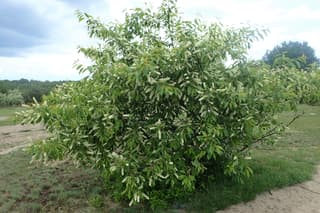
Black Cherry
Prunus serotina
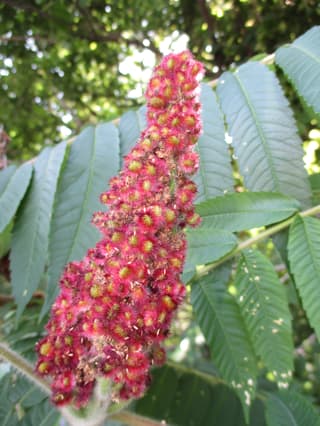
Staghorn Sumac
Rhus typhina
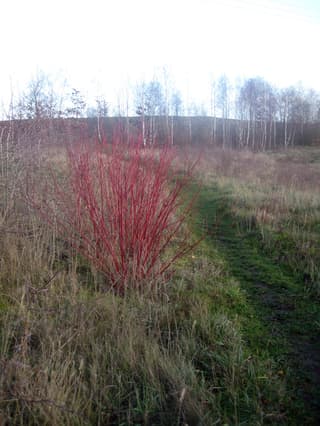
Red-Barked Dogwood
Cornus alba
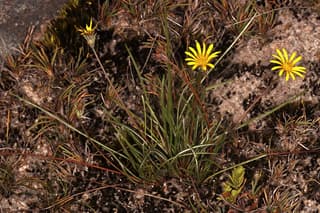
Treasure Flower
Gazania linearis
Cheyenne Climate for Plant Growing
Cheyenne has a climate with an average annual temperature of 8°C and average relative humidity of 53%. These climate conditions are ideal for various species of ornamental and fruit plants.
Tips for Growing Plants in Cheyenne
To succeed in growing plants in Cheyenne, consider the average temperature of 8°C when choosing your species. Protect cold-sensitive plants during winter. Moderate humidity is ideal for most plants.
Why Choose Plants Adapted to the Local Climate?
Plants adapted to Cheyenne's climate require less care, consume less water, and are more likely to thrive. Our selection considers the compatibility between each species' needs and local climate conditions, including temperature (8°C) and humidity (53%).