500 Best Plants for Clark County | 2026 Guide - Page 10
Discover the 500 ideal plants for Clark County's climate. Average temp: 20.2°C, Humidity: 29.7%.
Top 500 Plants for Clark County
Showing 325-360 of 500
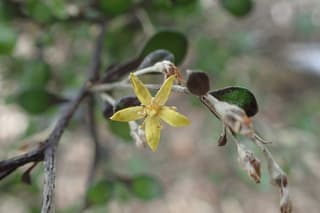
Wire-netting Bush
Corokia cotoneaster
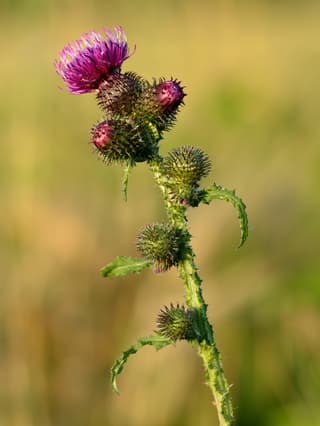
Thistle
Carduus
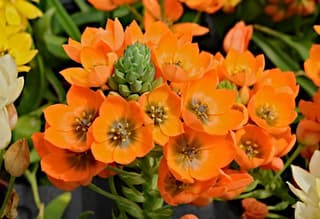
Sun Star
Ornithogalum dubium

Silver-leaved Mountain Gum
Eucalyptus pulverulenta
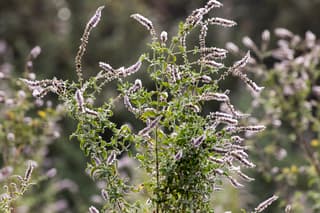
Horse Mint
Mentha longifolia
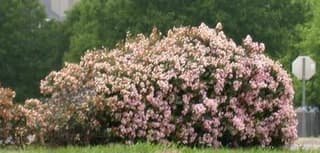
Indian Hawthorn
Rhaphiolepis indica
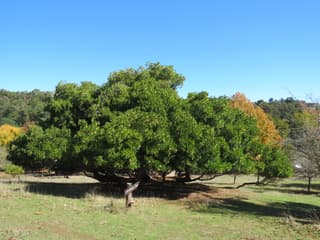
Strawberry Tree
Arbutus unedo
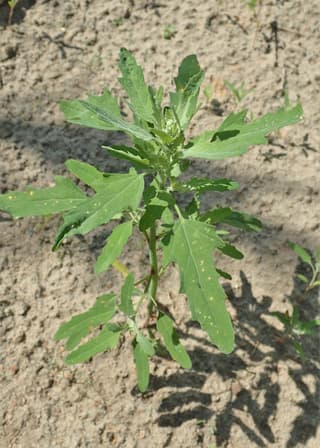
Fig-leaved Goosefoot
Chenopodium ficifolium
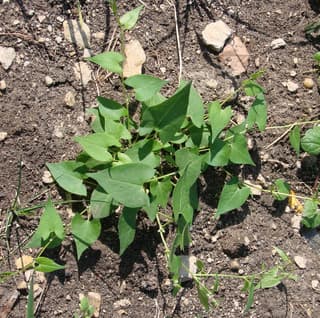
Black bindweed
Fallopia convolvulus
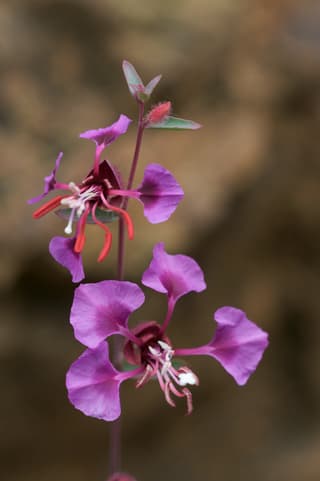
elegant clarkia
Clarkia unguiculata
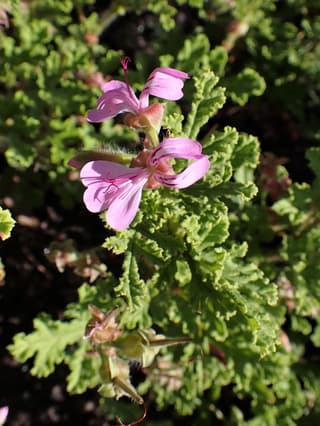
Oak-leaved Geranium
Pelargonium quercifolium
Hairy Wild Tomato
Solanum habrochaites
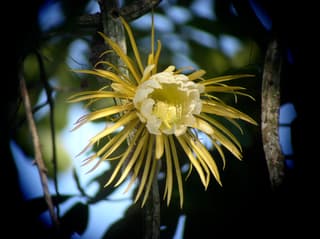
Night-Blooming Cereus
Selenicereus grandiflorus
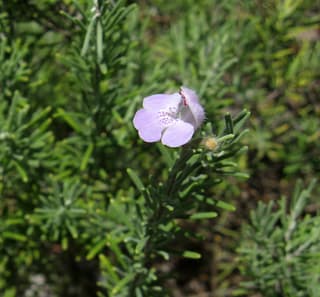
False Rosemary
Conradina
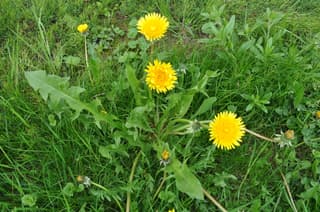
Dandelion
Taraxacum
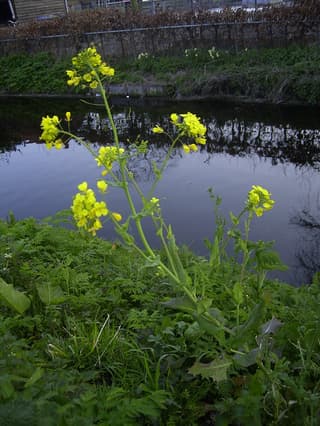
Turnip
Brassica rapa
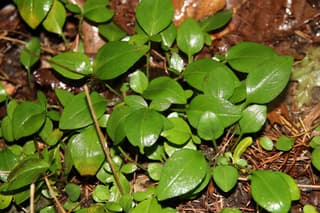
Shrubby St. John's Wort
Hypericum prolificum
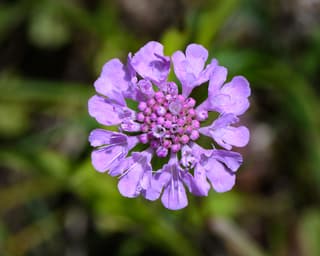
Pigeon Scabious
Scabiosa columbaria
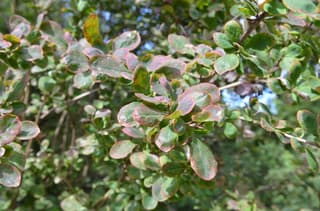
Ottawa Barberry
Berberis × ottawensis
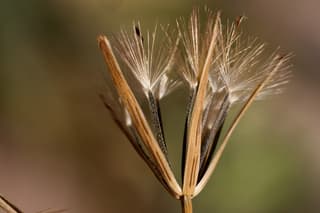
Papalo
Porophyllum ruderale
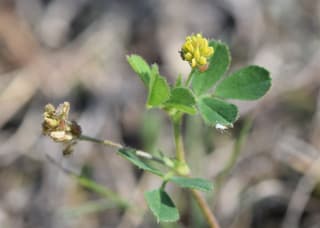
Black Medick
Medicago lupulina
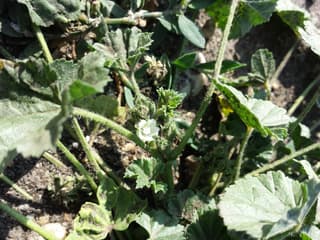
Low Mallow
Malva pusilla
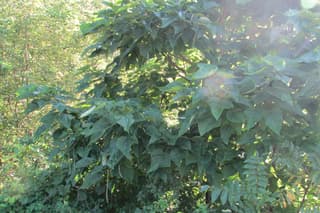
Northern Catalpa
Catalpa speciosa
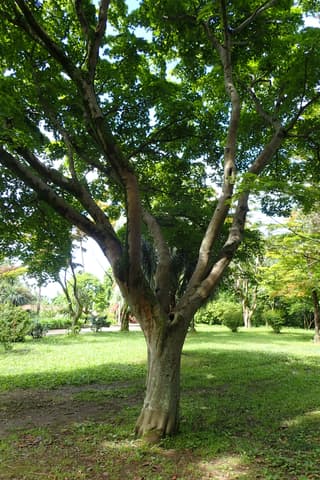
Maple
Acer
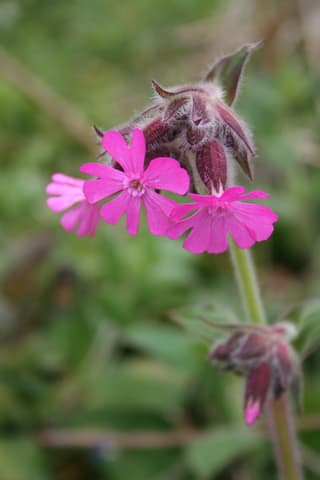
Campion
Silene
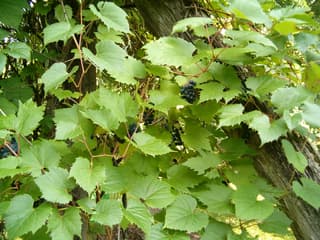
Riverbank Grape
Vitis riparia
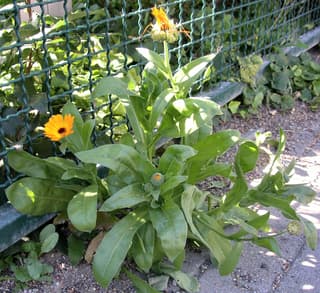
Pot Marigold
Calendula officinalis
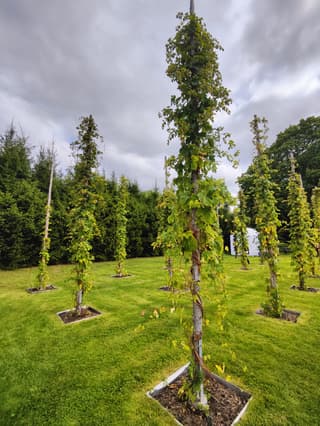
Hops
Humulus lupulus
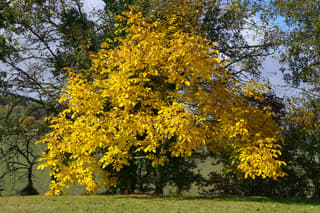
English walnut
Juglans regia
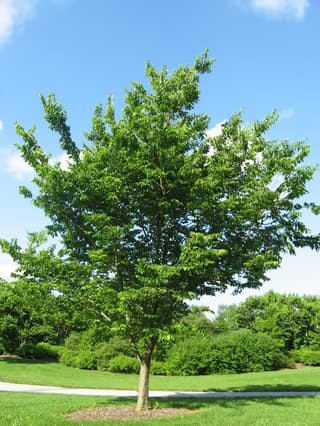
Common hackberry
Celtis occidentalis
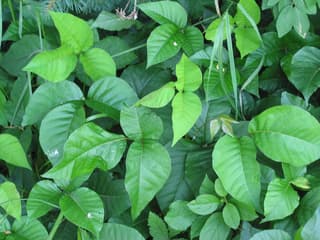
Poison Ivy
Toxicodendron
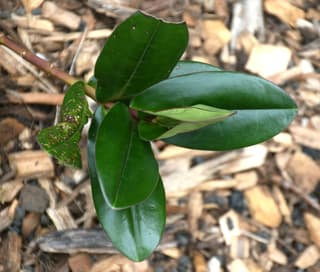
New Zealand Hebe
Veronica speciosa
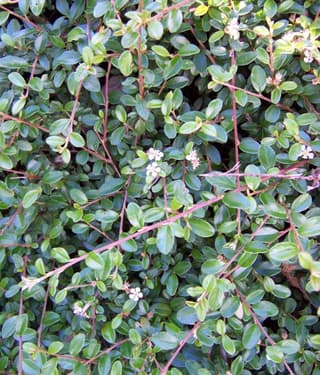
Cotoneaster
Cotoneaster
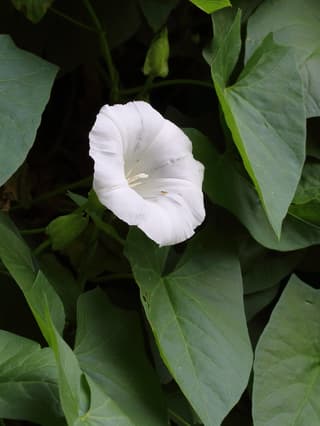
Hedge Bindweed
Calystegia sepium
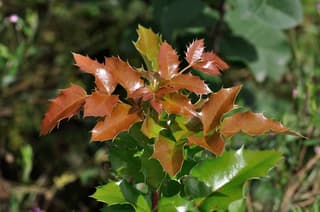
Oregon Grape
Berberis aquifolium
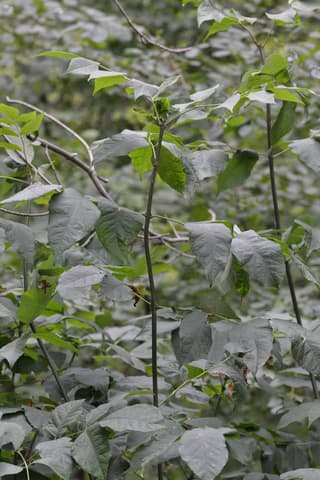
Green Ash
Fraxinus pennsylvanica
Clark County Climate for Plant Growing
Clark County has a climate with an average annual temperature of 20.2°C and average relative humidity of 29.7%. These climate conditions are ideal for various species of ornamental and fruit plants.
Tips for Growing Plants in Clark County
To succeed in growing plants in Clark County, consider the average temperature of 20.2°C when choosing your species. The temperate climate allows you to grow a wide variety of species. Water more frequently due to low humidity.
Why Choose Plants Adapted to the Local Climate?
Plants adapted to Clark County's climate require less care, consume less water, and are more likely to thrive. Our selection considers the compatibility between each species' needs and local climate conditions, including temperature (20.2°C) and humidity (29.7%).