500 Best Plants for Csepreg | 2026 Guide - Page 13
Discover the 500 ideal plants for Csepreg's climate. Average temp: 12.1°C, Humidity: 73.3%.
Top 500 Plants for Csepreg
Showing 433-468 of 500
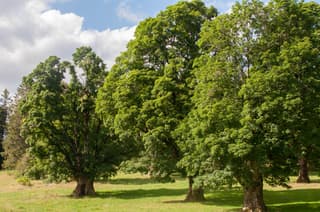
Sycamore Maple
Acer pseudoplatanus
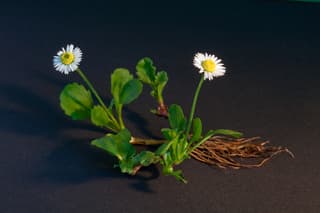
English Daisy
Bellis perennis
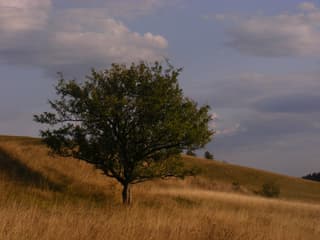
European Crab Apple
Malus sylvestris
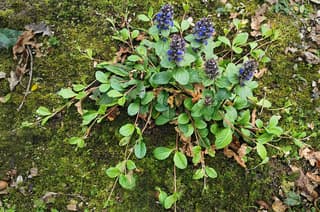
Bugleweed
Ajuga
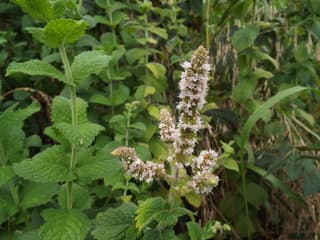
Apple Mint
Mentha × rotundifolia
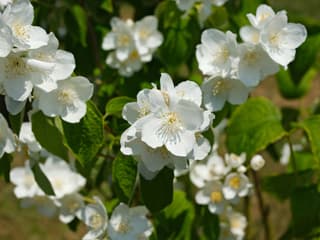
Scentless Mock Orange
Philadelphus inodorus
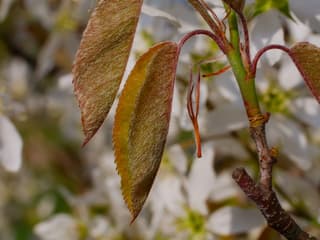
Juneberry
Amelanchier × lamarckii
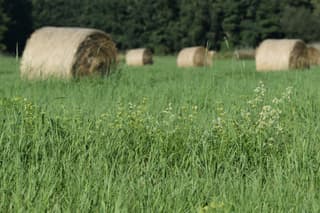
White Bedstraw
Galium album
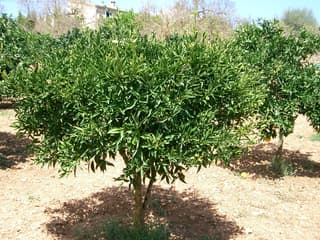
Willowleaf Mandarin
Citrus × aurantium f. deliciosa
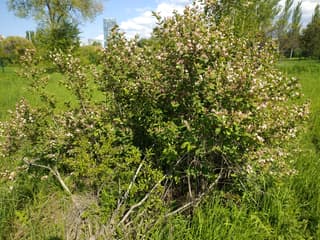
Tatarian Honeysuckle
Lonicera tatarica
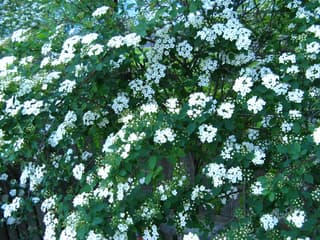
Vanhoutte Spirea
Spiraea × vanhouttei
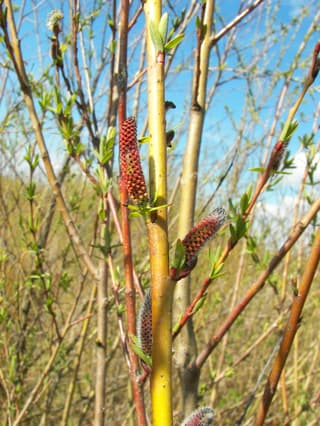
Purple Willow
Salix purpurea
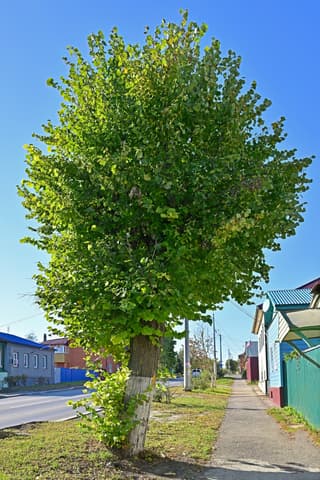
Little-leaf Linden
Tilia cordata

Hawthorn
Crataegus
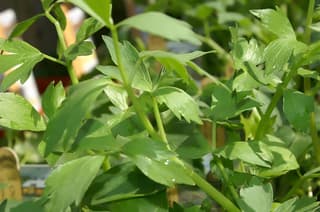
Lovage
Levisticum officinale
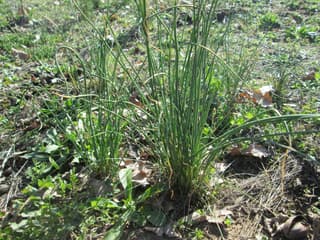
Wild Garlic
Allium vineale
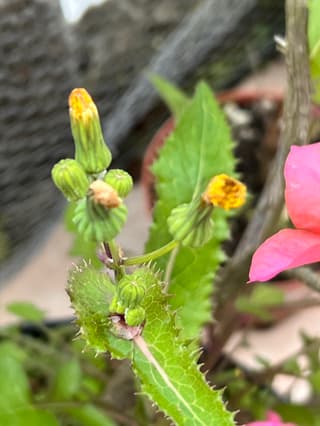
Sow Thistle
Sonchus
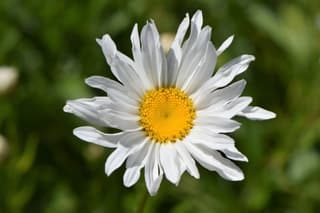
Max Chrysanthemum
Leucanthemum maximum
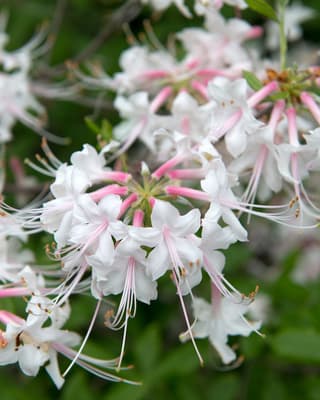
Alabama azalea
Rhododendron alabamense
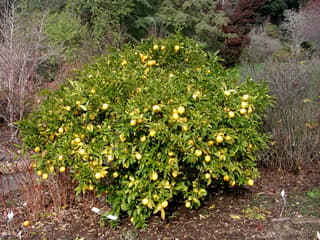
Lemon
Citrus limon
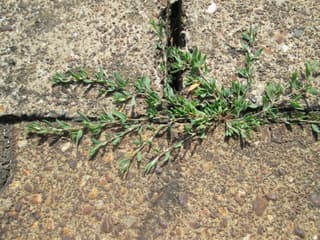
Oval-leaf Knotweed
Polygonum arenastrum
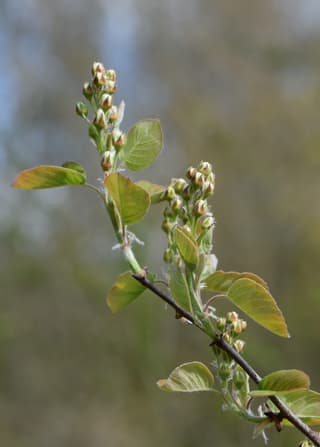
Saskatoon Serviceberry
Amelanchier alnifolia
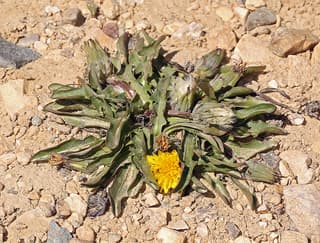
Horned Dandelion
Taraxacum ceratophorum
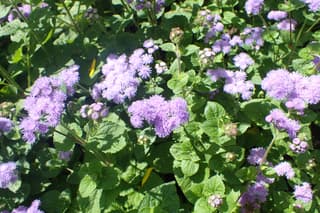
Floss Flower
Ageratum houstonianum
Bonnet mushroom
Mycena galericulata
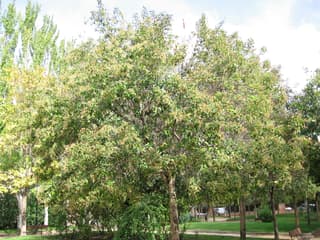
Japanese Privet
Ligustrum japonicum
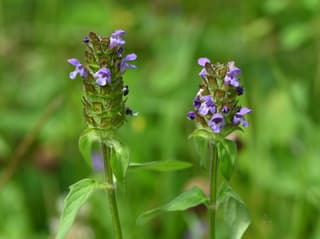
Self-Heal
Prunella vulgaris
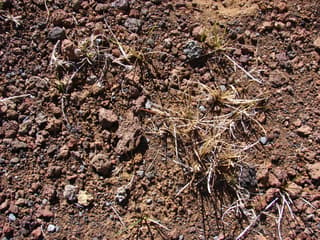
Kentucky bluegrass
Poa pratensis
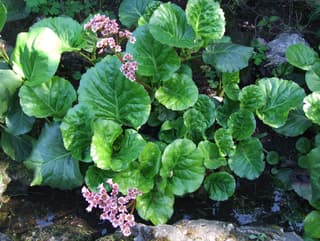
Heart-leaved Bergenia
Bergenia crassifolia
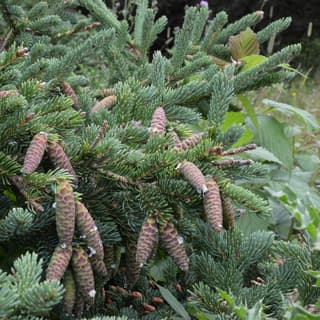
White Spruce
Picea laxa
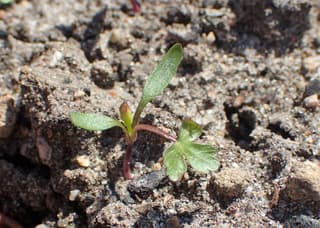
Fool's Parsley
Aethusa cynapium
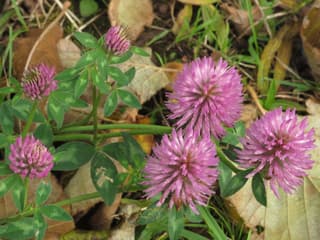
Red Clover
Trifolium pratense
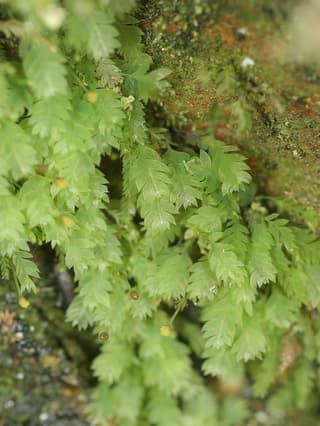
Luminous moss
Schistostega pennata
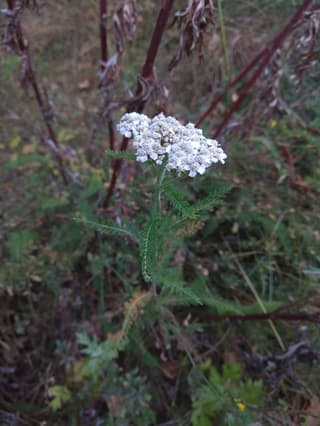
Asian Yarrow
Achillea asiatica
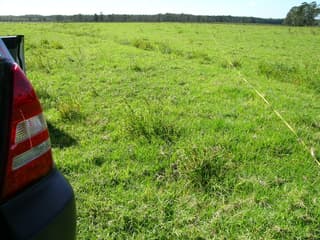
Kikuyu Grass
Cenchrus clandestinus
Chestnut Dapperling
Lepiota castanea
Csepreg Climate for Plant Growing
Csepreg has a climate with an average annual temperature of 12.1°C and average relative humidity of 73.3%. These climate conditions are ideal for various species of ornamental and fruit plants.
Tips for Growing Plants in Csepreg
To succeed in growing plants in Csepreg, consider the average temperature of 12.1°C when choosing your species. Protect cold-sensitive plants during winter. High humidity favors tropical plants, but watch for fungal issues.
Why Choose Plants Adapted to the Local Climate?
Plants adapted to Csepreg's climate require less care, consume less water, and are more likely to thrive. Our selection considers the compatibility between each species' needs and local climate conditions, including temperature (12.1°C) and humidity (73.3%).