500 Best Pet Safe for East Riding of Yorkshire | 2026 Guide - Page 12
The 500 best pet safe to grow in East Riding of Yorkshire. Ideal climate: 10.8°C, 81.6% humidity.
500 Pet Safe for East Riding of Yorkshire
Showing 397-432 of 500
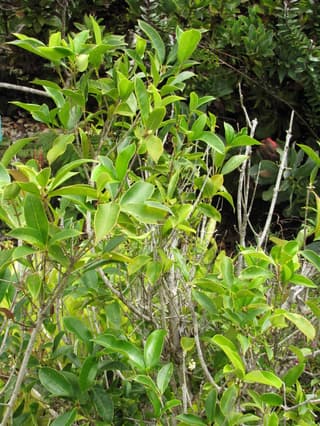
Sweet Olive
Osmanthus fragrans
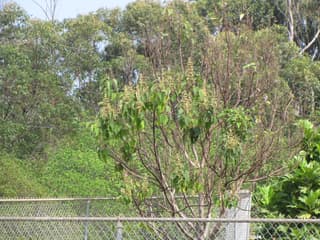
Empress Tree
Paulownia tomentosa
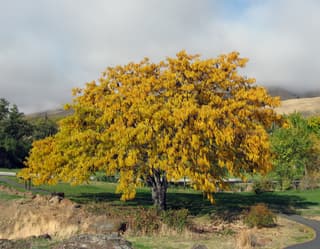
Honey Locust
Gleditsia triacanthos
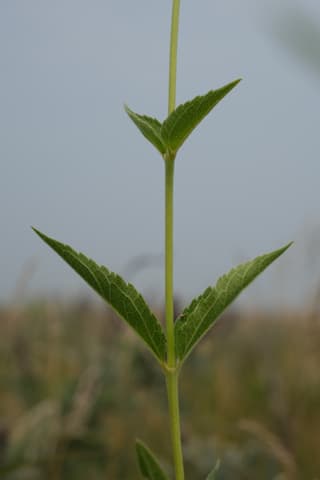
False Sunflower
Heliopsis helianthoides
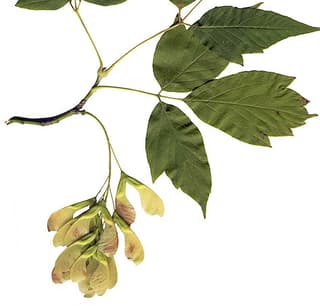
Boxelder
Acer negundo
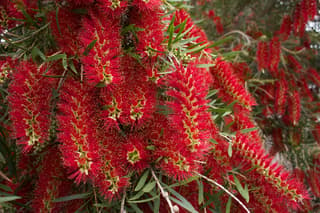
Weeping Bottlebrush
Melaleuca viminalis
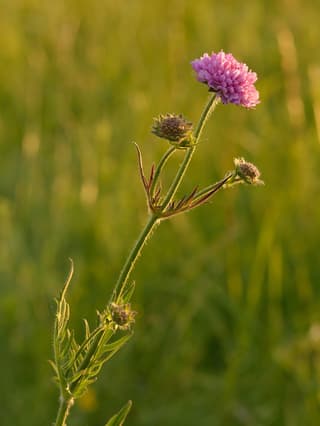
Field Scabious
Knautia arvensis
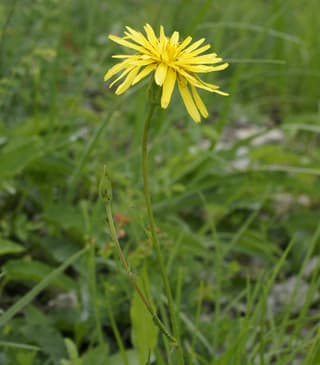
Black Salsify
Scorzonera
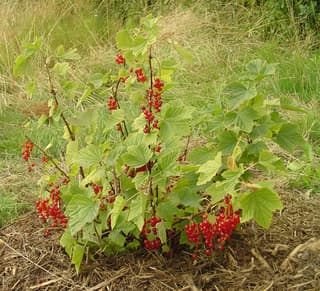
Redcurrant
Ribes rubrum
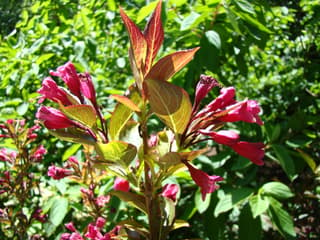
Old Fashioned Weigela
Weigela florida
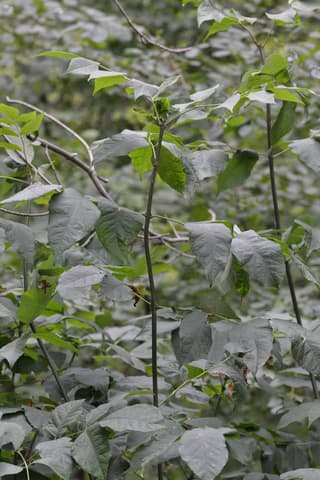
Green Ash
Fraxinus pennsylvanica
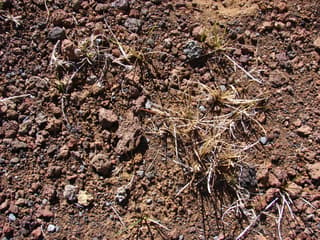
Kentucky bluegrass
Poa pratensis
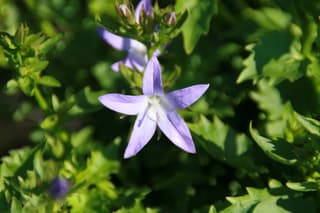
Serbian Bellflower
Campanula poscharskyana
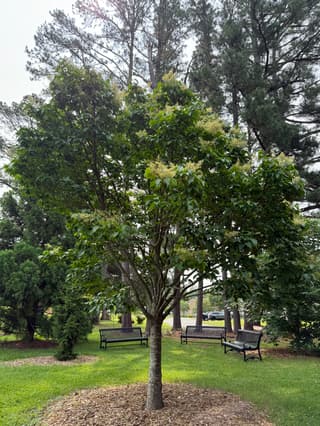
Japanese Tree Lilac
Syringa reticulata
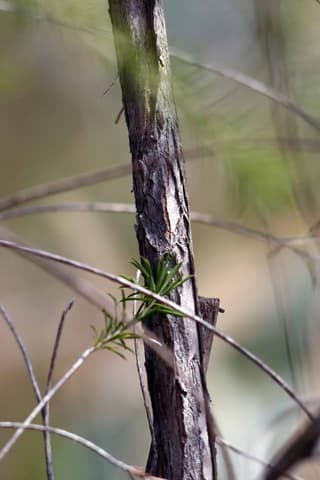
Bracelet Honey Myrtle
Melaleuca armillaris
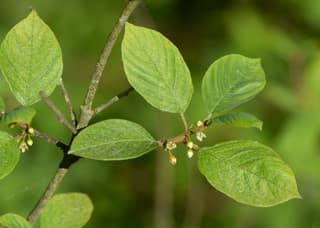
Buckthorn
Frangula
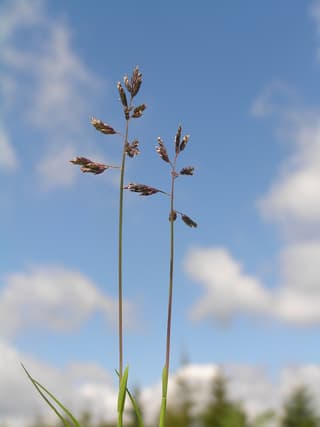
Supine bluegrass
Poa supina
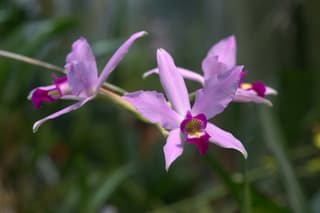
Two-edged Laelia
Laelia anceps
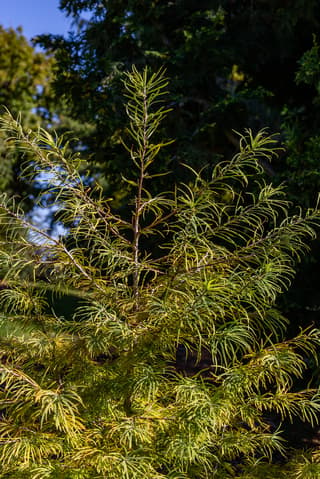
Golden Larch
Pseudolarix amabilis
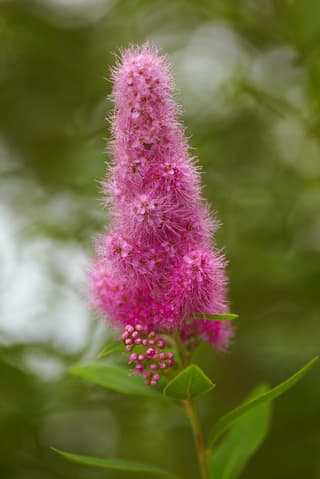
Billard Spiraea
Spiraea billardii
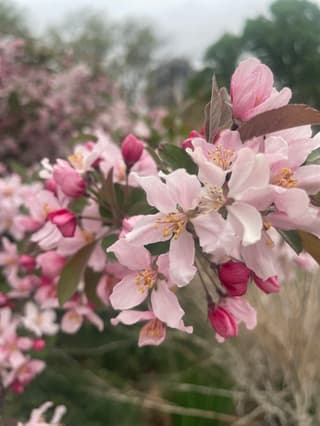
Japanese Flowering Crabapple
Malus × floribunda
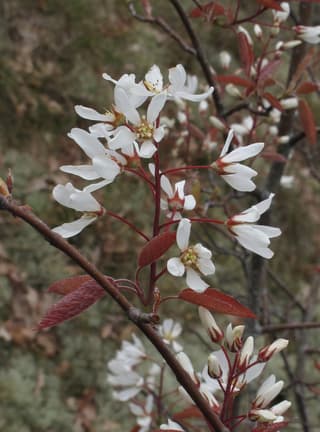
Serviceberry
Amelanchier
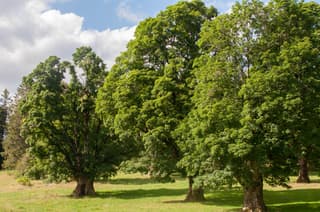
Sycamore Maple
Acer pseudoplatanus
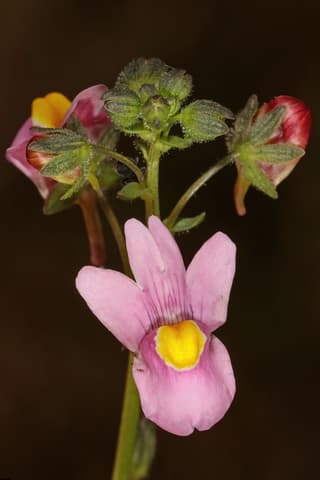
Mauve Nemesia
Nemesia fruticans
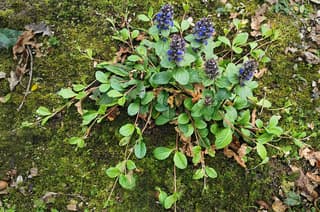
Bugleweed
Ajuga
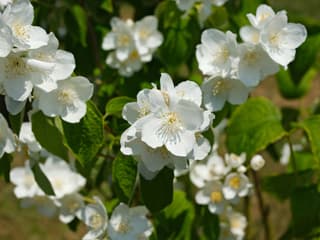
Scentless Mock Orange
Philadelphus inodorus
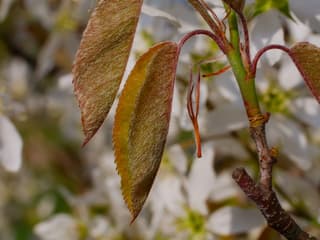
Juneberry
Amelanchier × lamarckii
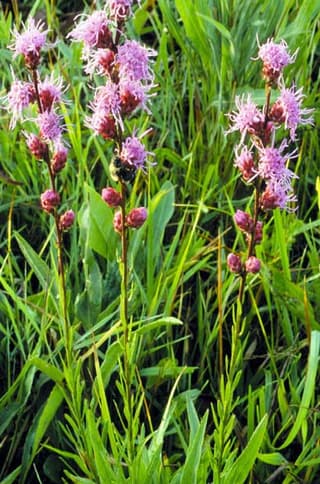
Rough Blazing Star
Liatris aspera
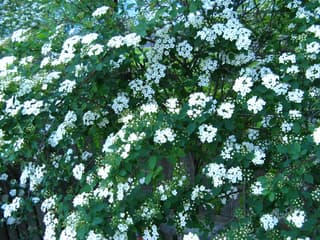
Vanhoutte Spirea
Spiraea × vanhouttei
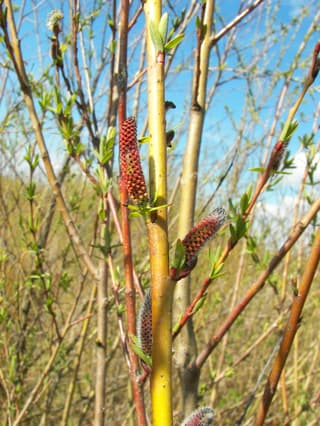
Purple Willow
Salix purpurea
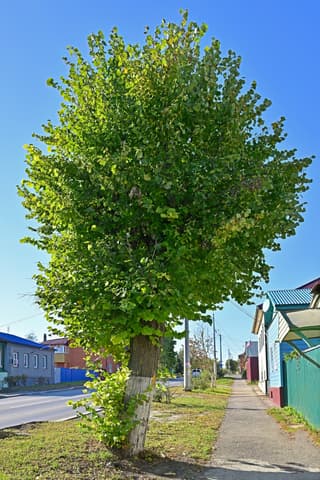
Little-leaf Linden
Tilia cordata
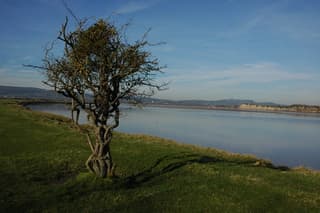
Hawthorn
Crataegus
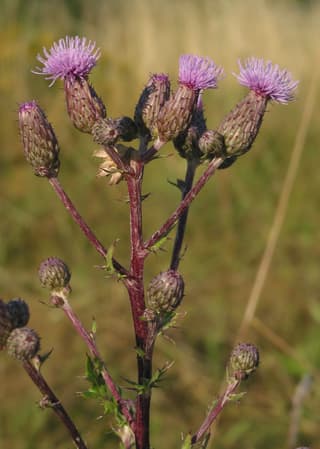
Creeping Thistle
Cirsium arvense
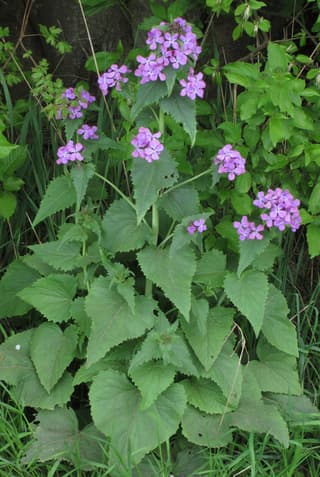
Honesty
Lunaria annua
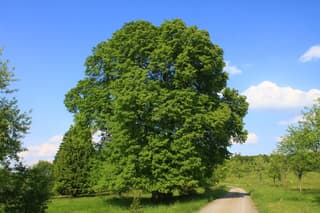
Large-leaved Lime
Tilia platyphyllos
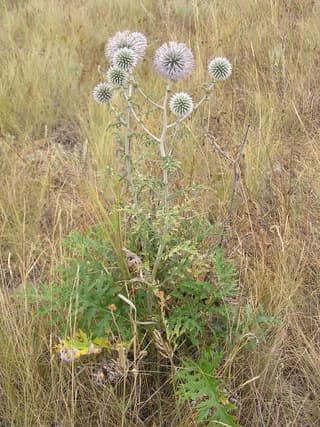
Globe thistle
Echinops sphaerocephalus
Ideal Pet Safe for East Riding of Yorkshire's Climate
East Riding of Yorkshire has an average temperature of 10.8°C and humidity of 81.6%, conditions that directly influence which pet safe best adapt to the local environment.
How to Grow Pet Safe in East Riding of Yorkshire
To successfully grow pet safe in East Riding of Yorkshire, consider that the average temperature of 10.8°C and humidity of 81.6% create a specific microclimate. High humidity favors tropical species, but requires attention to ventilation to prevent fungal issues.
Advantages of Choosing Adapted Pet Safe
Pet Safe adapted to East Riding of Yorkshire's climate show greater resistance, healthy growth, and less need for interventions.