346 Best Succulents for Formosa | 2026 Guide - Page 7
The 346 best succulents to grow in Formosa. Ideal climate: 23.2°C, 62.7% humidity.
346 Succulents for Formosa
Showing 217-252 of 346
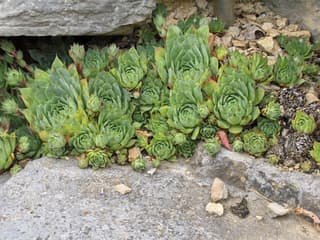
Common Houseleek
Sempervivum tectorum
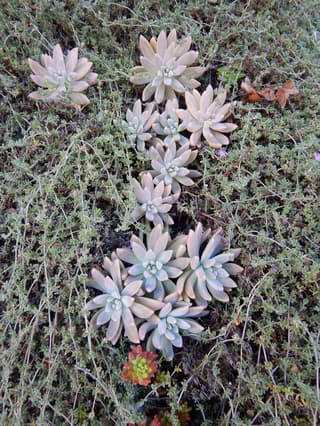
Graptosedum
Graptosedum
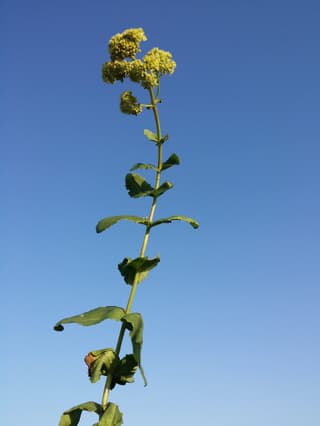
Great Stonecrop
Hylotelephium maximum
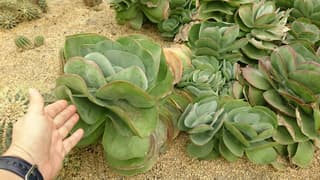
Flapjack Plant
Kalanchoe luciae
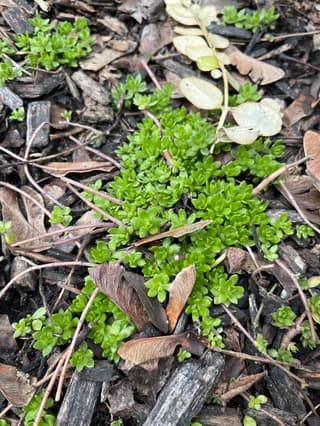
Stringy Stonecrop
Sedum sarmentosum
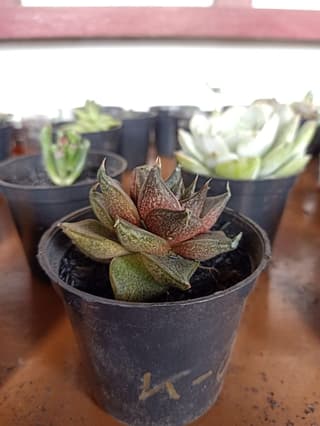
Purpus's Echeveria
Echeveria purpusorum
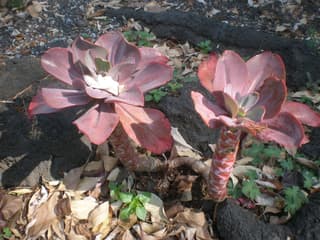
Carnival Echeveria
Echeveria gibbiflora
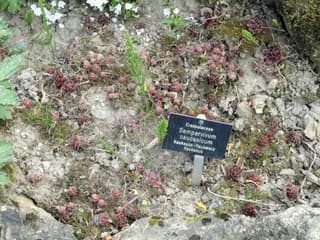
Caucasian Houseleek
Sempervivum caucasicum
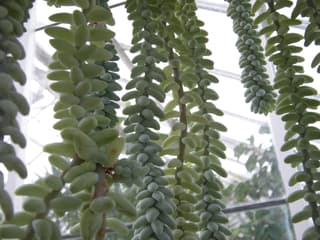
Baby Burro's Tail
Sedum burritum
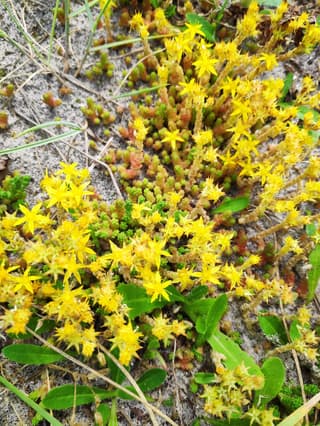
Goldmoss stonecrop
Sedum acre
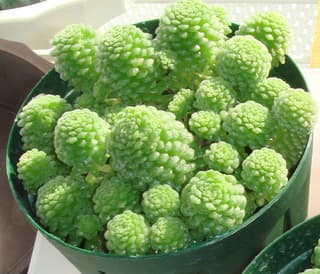
Monanthes polyphylla
Monanthes polyphylla
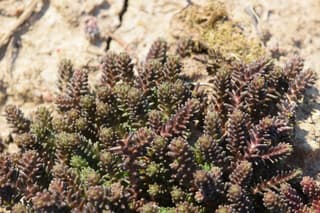
tasteless stonecrop
Sedum sexangulare
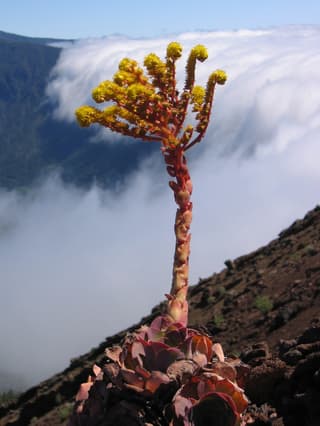
Canary Island Rose
Aeonium aureum
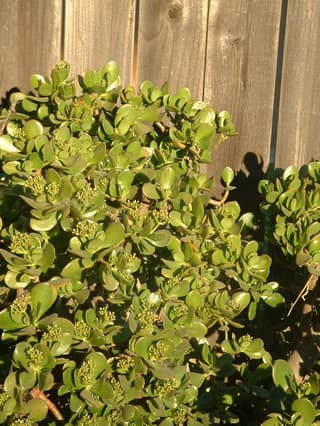
Jade Plant
Crassula ovata

Sim's Aeonium
Aeonium simsii
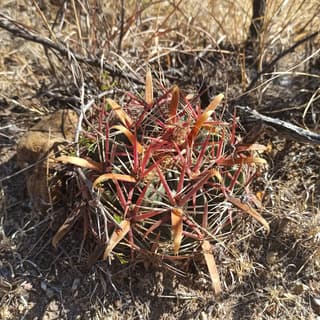
Devils Tongue Cactus
Ferocactus latispinus
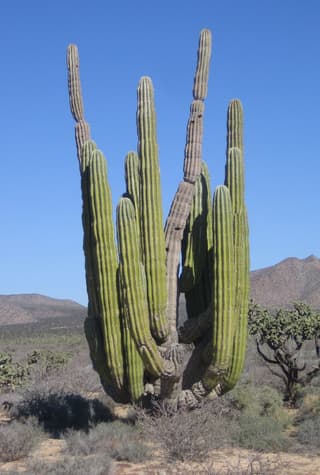
Mexican giant cardón
Pachycereus pringlei
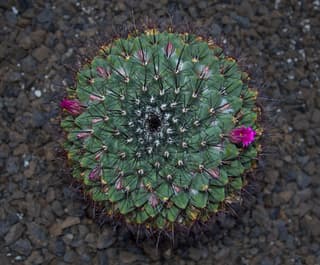
Saltillo Pincushion Cactus
Mammillaria winterae
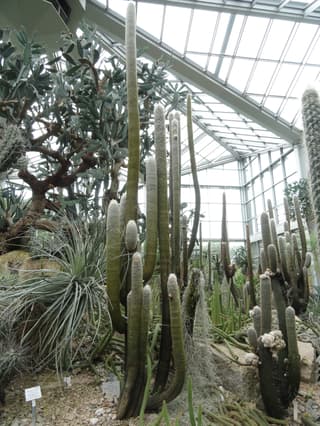
Old Man Cactus
Espostoa lanata
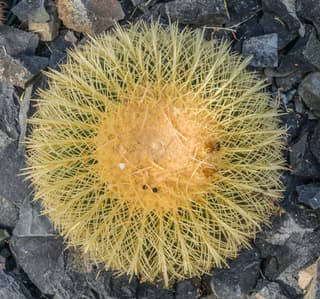
Golden Barrel Cactus
Kroenleinia grusonii
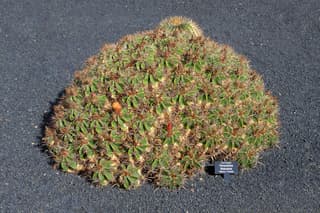
Barrel Cactus
Ferocactus
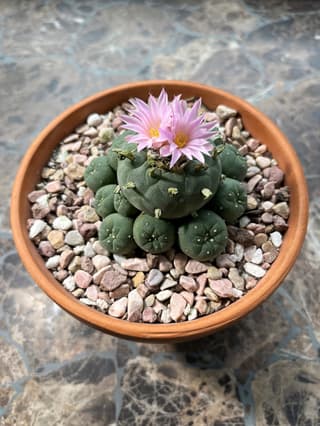
Peyote
Lophophora williamsii
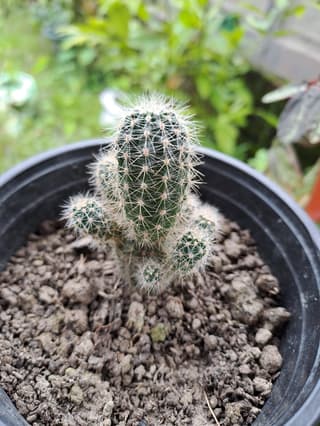
Sea Urchin Cactus
Echinopsis tubiflora
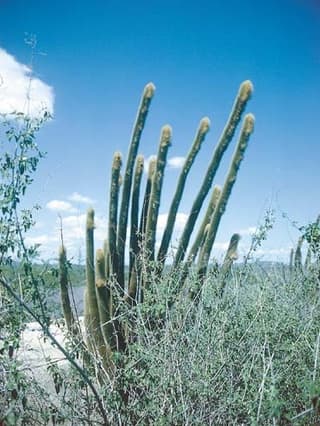
Brazilian Cactus
Pilosocereus chrysostele
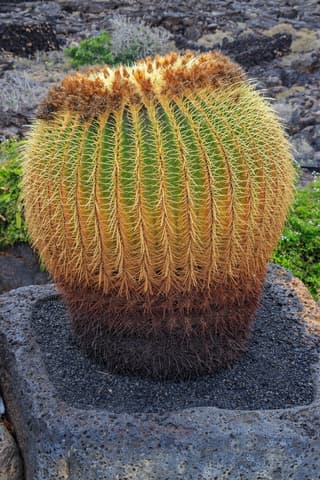
Golden Barrel Cactus
Echinocactus grusonii
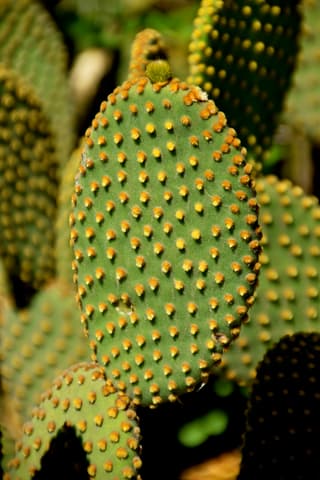
Bunny Ears Cactus
Opuntia microdasys
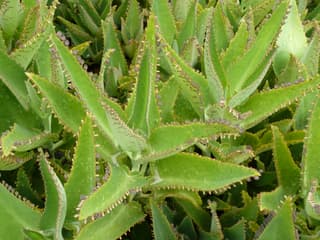
Mother of Thousands
Kalanchoe daigremontiana
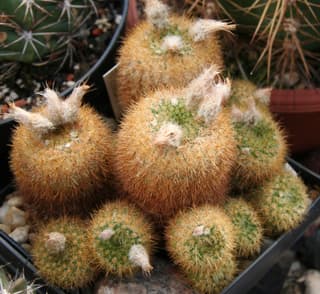
Dwarf Frailea
Frailea pumila
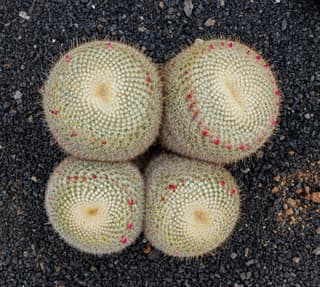
Pincushion Cactus / Nipple Cactus (genus)
Mammillaria
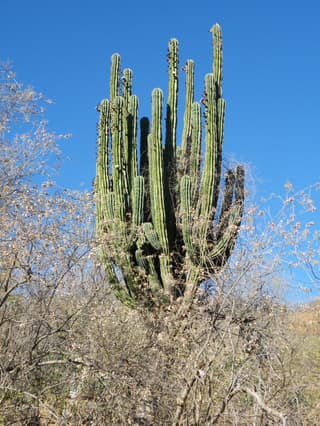
Indian Comb Cactus
Pachycereus pecten-aboriginum
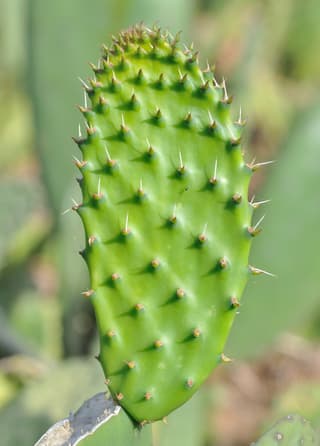
Prickly Pear
Opuntia ficus-indica
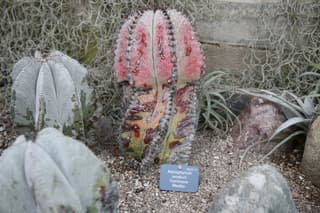
Monk's Hood Cactus
Astrophytum ornatum
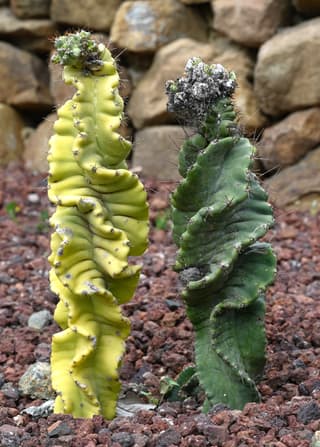
Spiral Cactus
Cereus forbesii 'Spiralis'
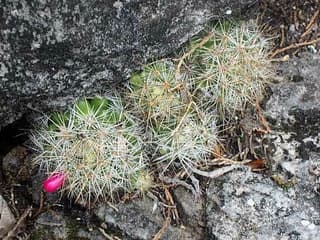
Golden Stars Cactus
Mammillaria vetula
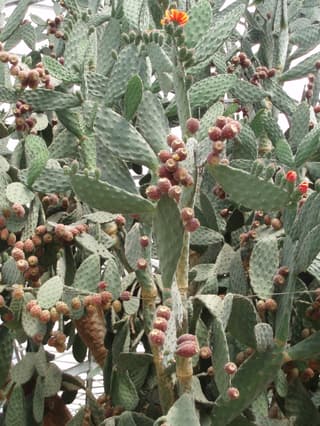
Woollyjoint Prickly Pear
Opuntia tomentosa
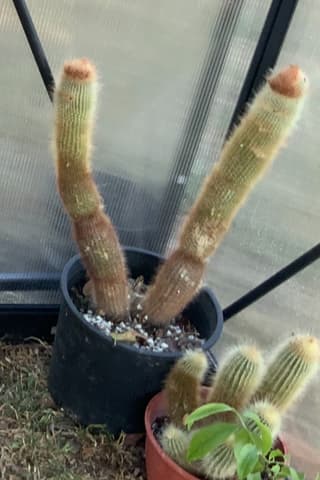
Micranthocereus
Micranthocereus
Ideal Succulents for Formosa's Climate
Formosa has an average temperature of 23.2°C and humidity of 62.7%, conditions that directly influence which succulents best adapt to the local environment.
How to Grow Succulents in Formosa
To successfully grow succulents in Formosa, consider that the average temperature of 23.2°C and humidity of 62.7% create a specific microclimate. Moderate humidity is favorable for most species in this category.
Advantages of Choosing Adapted Succulents
Succulents adapted to Formosa's climate show greater resistance, healthy growth, and less need for interventions.