Bloom
🌿

500 Best Pet Safe for Headland | 2026 Guide - Page 11

The 500 best pet safe to grow in Headland. Ideal climate: 20.2°C, 69.3% humidity.

🌡️ 20.2°C
💧 69.3%

500 Pet Safe for Headland

Showing 361-396 of 500
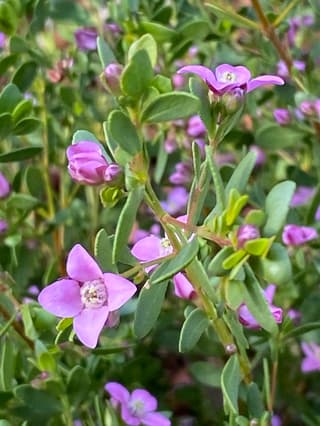
Aniseed Boronia
361
★ 97%

Aniseed Boronia

Boronia crenulata

Medium 💧 3 days 🌡️ -5°C - 32°C
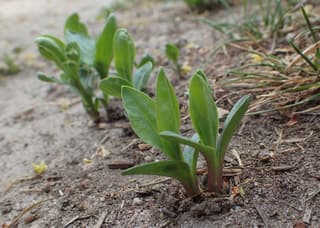
Soapwort
362
★ 97%

Soapwort

Saponaria officinalis

Easy 💧 7 days 🌡️ -20°C - 35°C
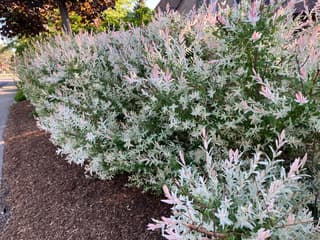
Dappled Willow 'Hakuro Nishiki'
363
★ 97%

Dappled Willow 'Hakuro Nishiki'

Salix integra 'Hakuro Nishiki'
Medium 💧 3 days 🌡️ -20°C - 35°C
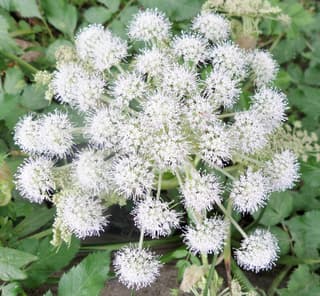
Wild Angelica
364
★ 97%

Wild Angelica

Angelica sylvestris

Medium 💧 7 days 🌡️ -20°C - 35°C
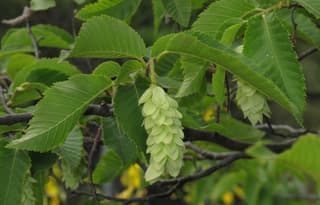
European hop-hornbeam
365
★ 97%

European hop-hornbeam

Ostrya carpinifolia
Easy 💧 14 days 🌡️ -20°C - 35°C
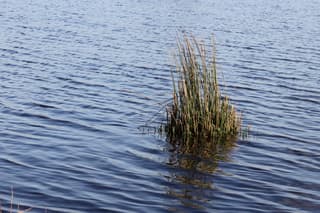
Soft Rush
366
★ 97%

Soft Rush

Juncus effusus

Easy 💧 2 days 🌡️ -10°C - 32°C
Ox tongue
367
★ 97%

Ox tongue

Gasteria bicolor

Easy 💧 21 days 🌡️ 18°C - 25°C
Sweet Plum
368
★ 97%

Sweet Plum

Sageretia theezans

Medium 💧 3 days 🌡️ 10°C - 25°C
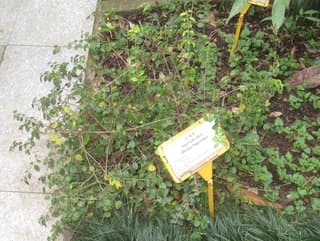
Chinese Fringe Flower
369
★ 97%

Chinese Fringe Flower

Loropetalum chinense
Easy 💧 7 days 🌡️ -15°C - 35°C
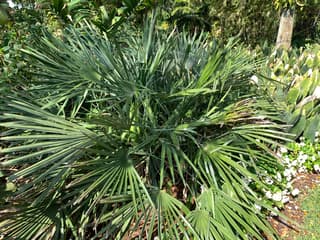
Needle Palm
370
★ 97%

Needle Palm

Rhapidophyllum hystrix

Medium 💧 10 days 🌡️ -20°C - 38°C
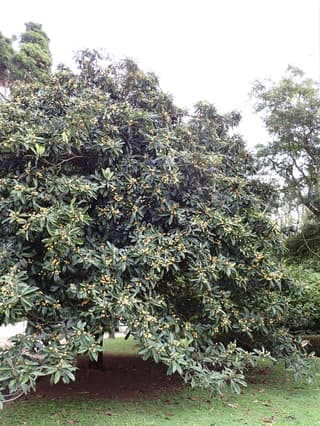
Loquat
371
★ 97%

Loquat

Rhaphiolepis bibas

Easy 💧 10 days 🌡️ -12°C - 35°C
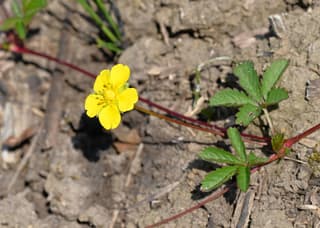
Creeping Cinquefoil
372
★ 97%

Creeping Cinquefoil

Potentilla reptans
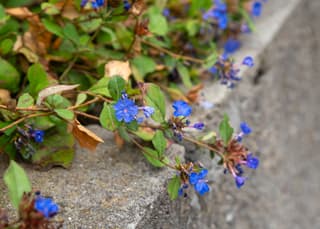
Easy 💧 7 days 🌡️ -15°C - 35°C
Hardy Plumbago
373
★ 97%

Hardy Plumbago

Ceratostigma plumbaginoides
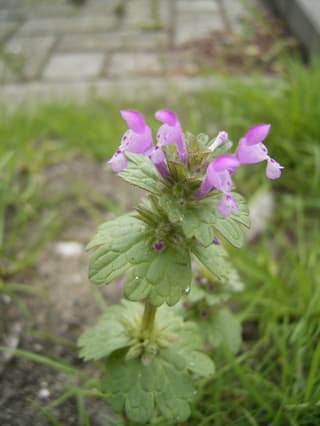
Easy 💧 10 days 🌡️ -15°C - 35°C
Henbit Dead-nettle
374
★ 97%

Henbit Dead-nettle

Lamium amplexicaule
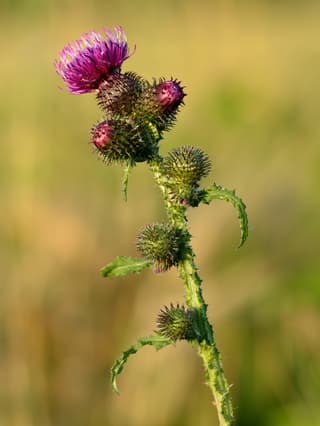
Easy 💧 7 days 🌡️ -10°C - 32°C
Thistle
375
★ 97%

Thistle

Carduus

Easy 💧 10 days 🌡️ -10°C - 35°C
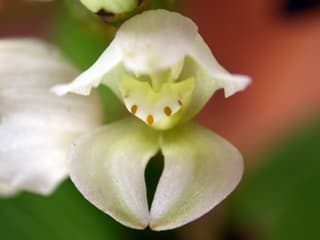
Govenia
376
★ 97%

Govenia

Govenia

Hard 💧 6 days 🌡️ 10°C - 24°C
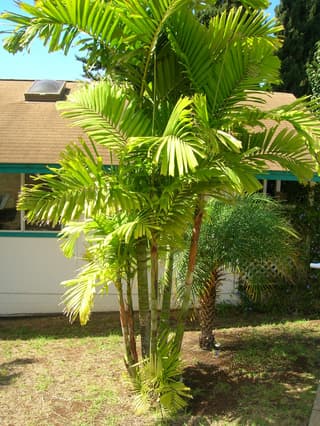
Macarthur Palm
377
★ 97%

Macarthur Palm

Ptychosperma macarthurii
Easy 💧 7 days 🌡️ 15°C - 32°C
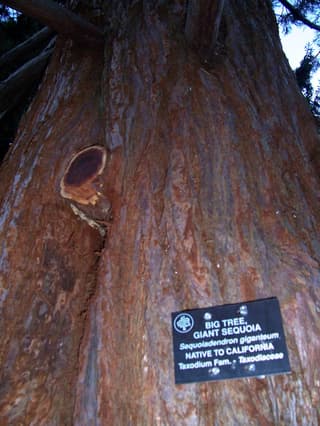
Giant Sequoia
378
★ 97%

Giant Sequoia

Sequoiadendron giganteum
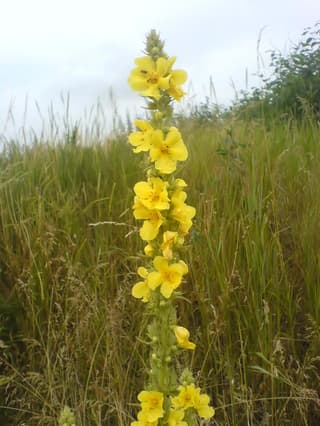
Medium 💧 30 days 🌡️ -20°C - 35°C
Denseflower Mullein
379
★ 97%

Denseflower Mullein

Verbascum densiflorum
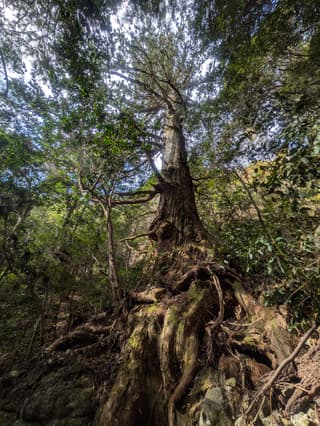
Easy 💧 14 days 🌡️ -20°C - 35°C
Japanese Cedar
380
★ 97%

Japanese Cedar

Cryptomeria japonica

Medium 💧 7 days 🌡️ -20°C - 35°C
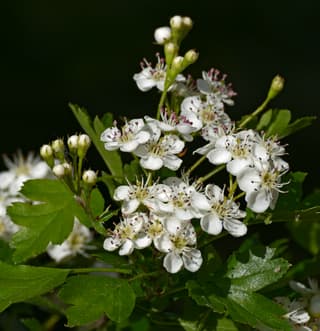
Common Hawthorn
381
★ 97%

Common Hawthorn

Crataegus monogyna

Easy 💧 7 days 🌡️ -15°C - 35°C
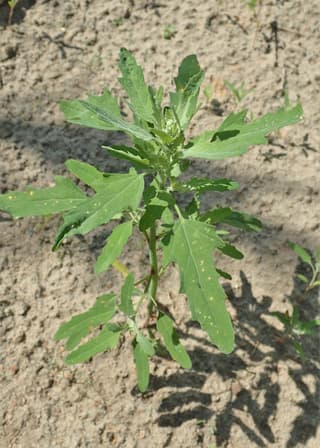
Fig-leaved Goosefoot
382
★ 97%

Fig-leaved Goosefoot

Chenopodium ficifolium
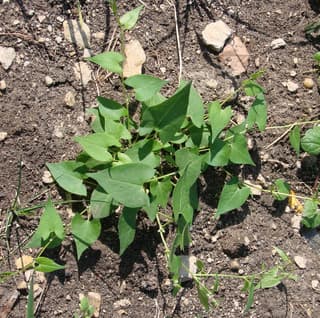
Easy 💧 4 days 🌡️ -10°C - 35°C
Black bindweed
383
★ 97%

Black bindweed

Fallopia convolvulus

Easy 💧 10 days 🌡️ -10°C - 35°C
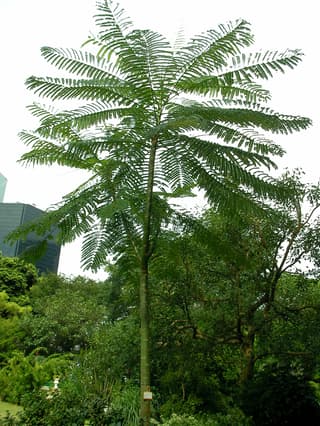
Brazilian Firetree
384
★ 97%

Brazilian Firetree

Schizolobium parahyba

Easy 💧 10 days 🌡️ 15°C - 32°C
Dove's-foot Crane's-bill
385
★ 97%

Dove's-foot Crane's-bill

Geranium molle
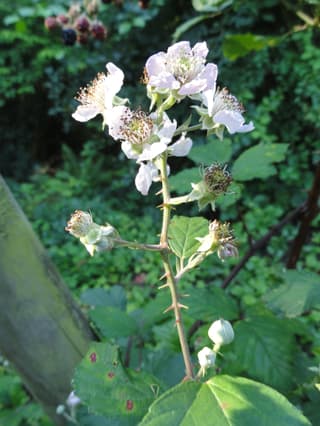
Easy 💧 10 days 🌡️ -15°C - 35°C
Himalayan Blackberry
386
★ 97%

Himalayan Blackberry

Rubus bifrons

Easy 💧 7 days 🌡️ -15°C - 35°C
🌿
387
★ 97%

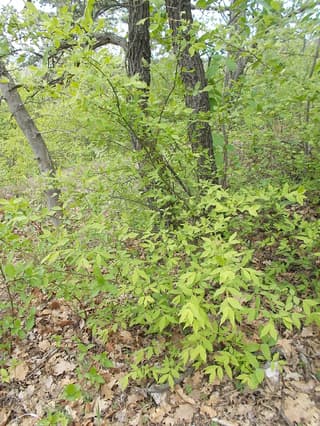
Cast Iron Plant

Aspidistra lurida

Easy 💧 14 days 🌡️ -5°C - 30°C
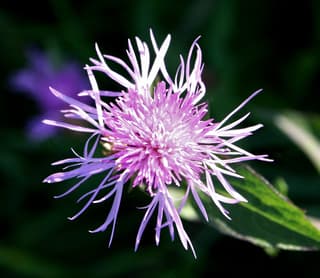
Tyrol Knapweed
388
★ 97%

Tyrol Knapweed

Centaurea nigrescens

Easy 💧 10 days 🌡️ -10°C - 35°C
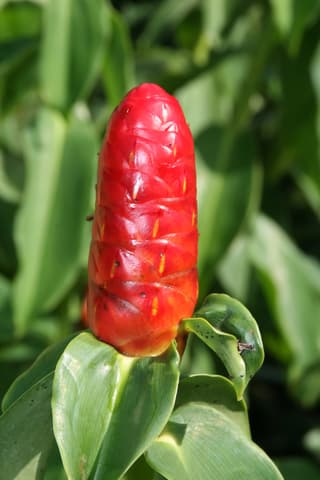
Red Button Ginger
389
★ 97%

Red Button Ginger

Costus woodsonii

Easy 💧 7 days 🌡️ 15°C - 32°C
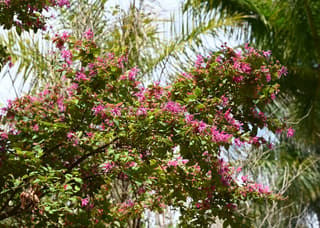
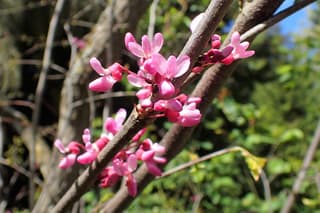
Chinese Redbud
390
★ 97%

Chinese Redbud

Cercis chinensis

Medium 💧 7 days 🌡️ -20°C - 35°C
Common Dogwood
391
★ 97%

Common Dogwood

Cornus sanguinea

Easy 💧 7 days 🌡️ -20°C - 35°C
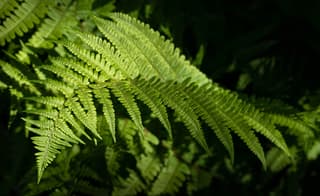
Lady Fern
392
★ 97%

Lady Fern

Athyrium

Easy 💧 7 days 🌡️ 10°C - 24°C
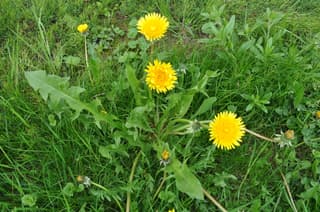
Dandelion
393
★ 97%

Dandelion

Taraxacum

Easy 💧 5 days 🌡️ -5°C - 32°C
🌿
394
★ 97%

Maritime sunburst lichen

Xanthoria parietina
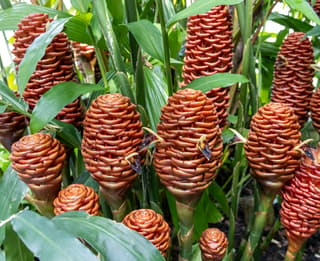
Easy 💧 14 days 🌡️ -25°C - 40°C
Ginger
395
★ 97%

Ginger

Zingiber

Medium 💧 3 days 🌡️ 13°C - 35°C
Siberian Elm
396
★ 97%

Siberian Elm

Ulmus pumila

Easy 💧 10 days 🌡️ -34°C - 40°C

Ideal Pet Safe for Headland's Climate

Headland has an average temperature of 20.2°C and humidity of 69.3%, conditions that directly influence which pet safe best adapt to the local environment.

How to Grow Pet Safe in Headland

To successfully grow pet safe in Headland, consider that the average temperature of 20.2°C and humidity of 69.3% create a specific microclimate. Moderate humidity is favorable for most species in this category.

Advantages of Choosing Adapted Pet Safe

Pet Safe adapted to Headland's climate show greater resistance, healthy growth, and less need for interventions.