500 Best Plants for Ipiranga do Sul | 2026 Guide - Page 13
Discover the 500 ideal plants for Ipiranga do Sul's climate. Average temp: 18.8°C, Humidity: 76%.
Top 500 Plants for Ipiranga do Sul
Showing 433-468 of 500
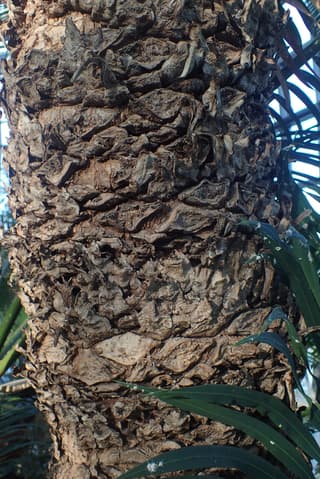
Queen Sago
Cycas rumphii
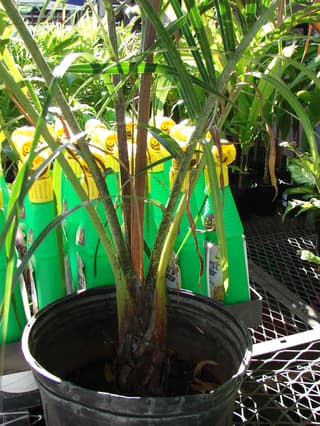
Triangle Palm
Dypsis decaryi
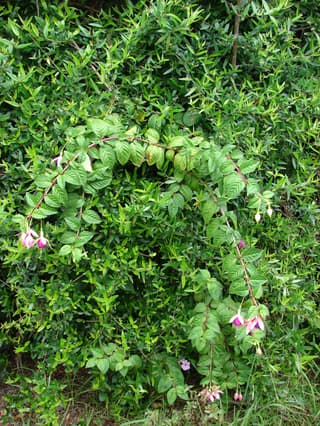
Garden Fuchsia
Fuchsia hybrida
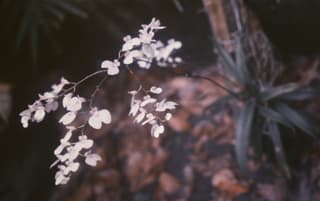
Delicate violet orchid
Ionopsis utricularioides
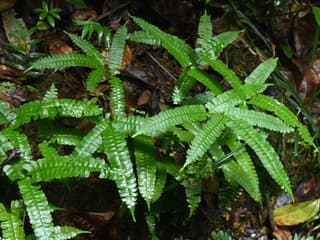
Necklace Fern
Lindsaea
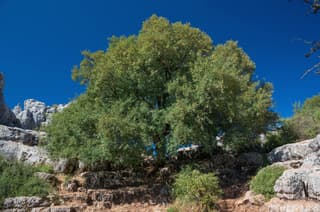
Montpellier maple
Acer monspessulanum
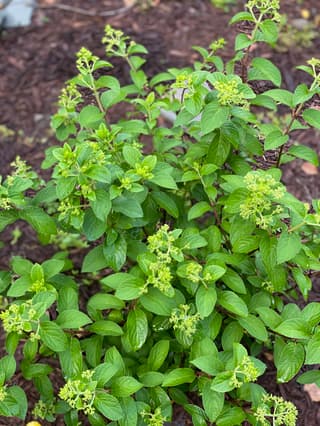
Mountain Hydrangea
Hydrangea serrata
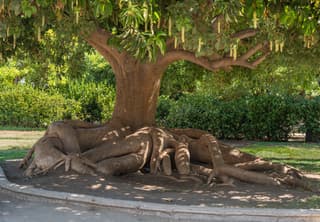
Ombú
Phytolacca dioica
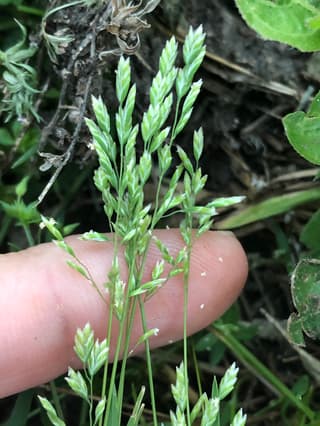
Annual Meadow Grass
Poa annua
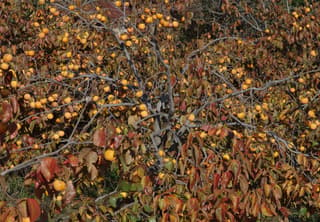
Japanese Persimmon
Diospyros kaki
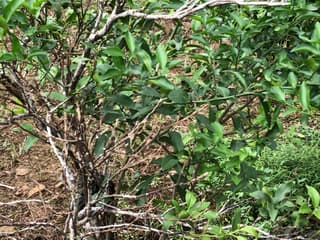
Kumquat
Citrus japonica
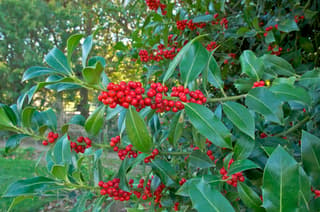
Holly
Ilex
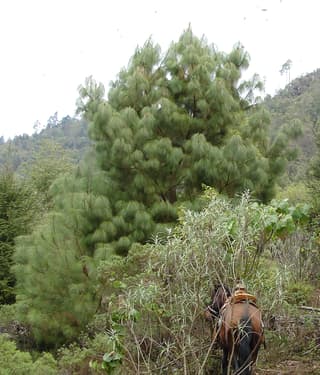
Smooth-bark Mexican Pine
Pinus pseudostrobus
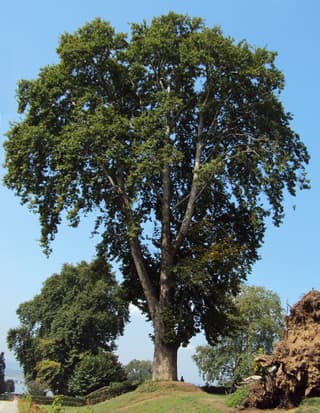
Plane Tree
Platanus
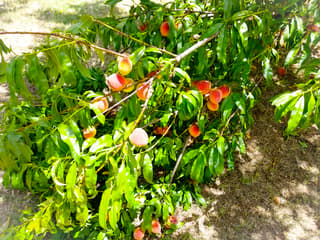
Peach Tree
Prunus persica
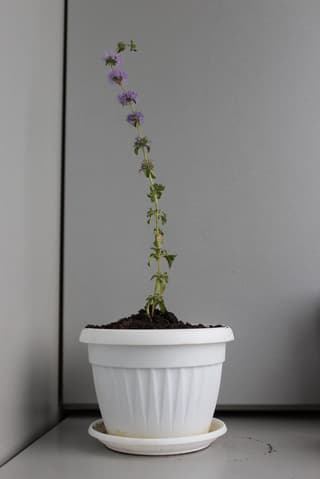
Pennyroyal
Mentha pulegium
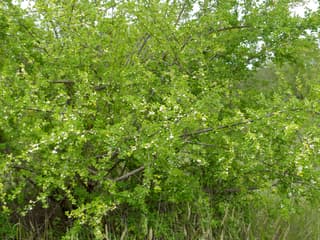
White-Berry Bush
Flueggea virosa
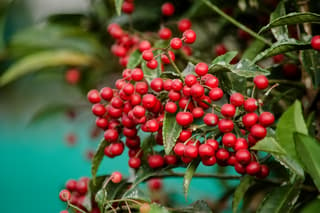
Coral Berry
Ardisia crenata
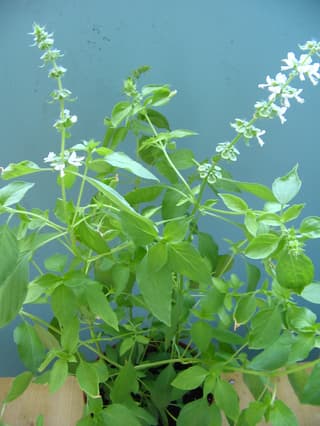
Lemon Basil
Ocimum × citriodorum
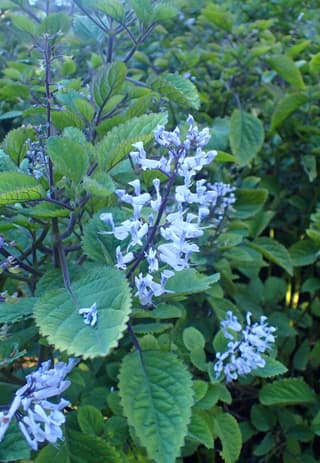
Speckled Spur-Flower
Plectranthus ciliatus
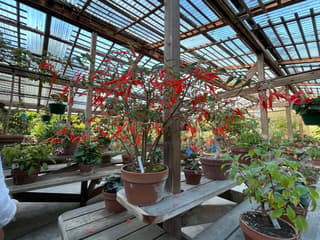
Bolivian begonia
Begonia boliviensis
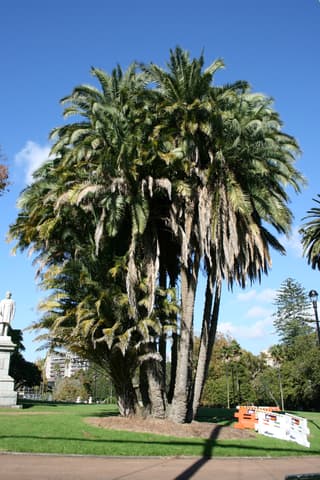
Senegal Date Palm
Phoenix reclinata
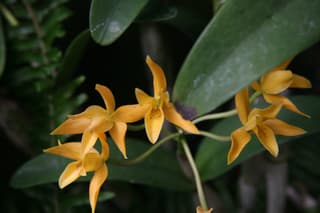
Orange Cattleya
Guarianthe aurantiaca
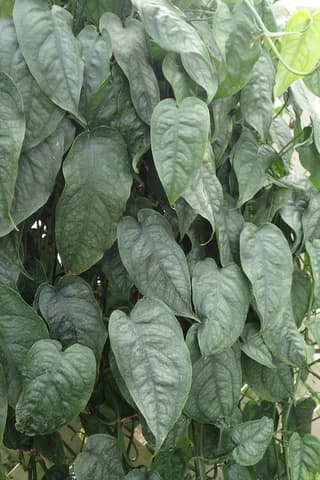
Silver Monstera
Monstera siltepecana
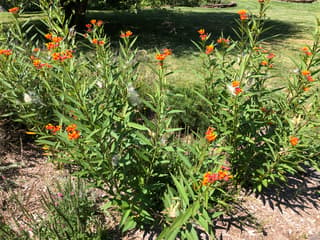
Tropical Milkweed
Asclepias curassavica
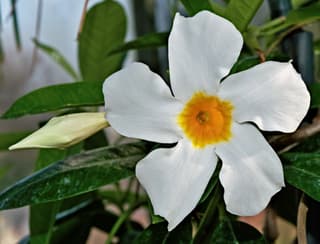
White Rock Trumpet
Mandevilla boliviensis
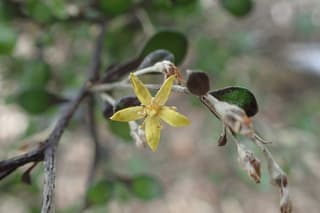
Wire-netting Bush
Corokia cotoneaster
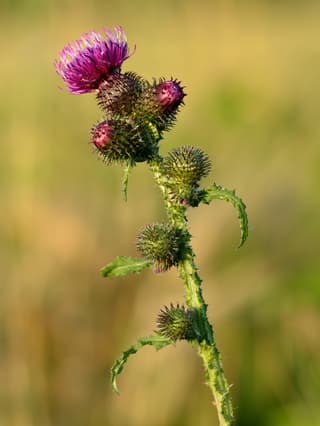
Thistle
Carduus
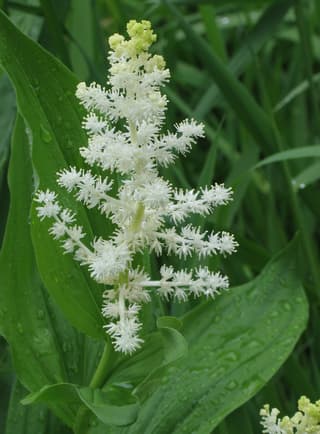
False Lily of the Valley
Maianthemum
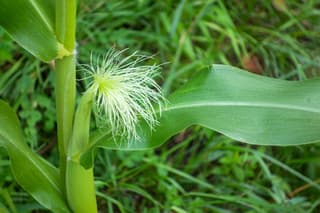
Corn / Maize
Zea
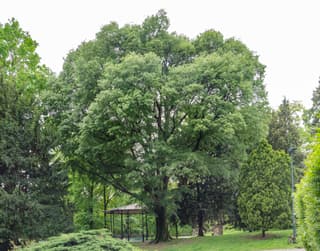
European Nettle Tree
Celtis australis
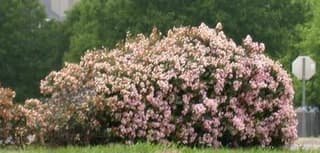
Indian Hawthorn
Rhaphiolepis indica
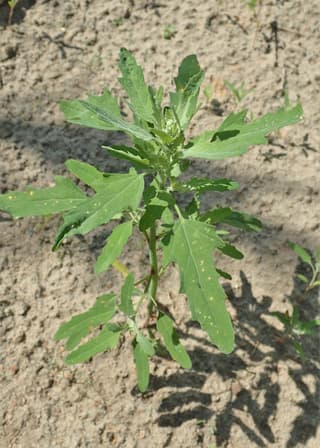
Fig-leaved Goosefoot
Chenopodium ficifolium
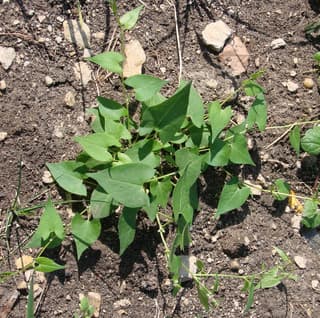
Black bindweed
Fallopia convolvulus
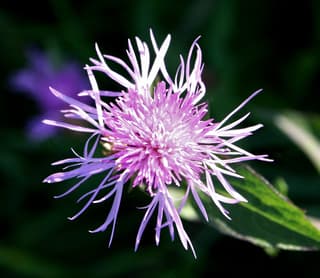
Tyrol Knapweed
Centaurea nigrescens
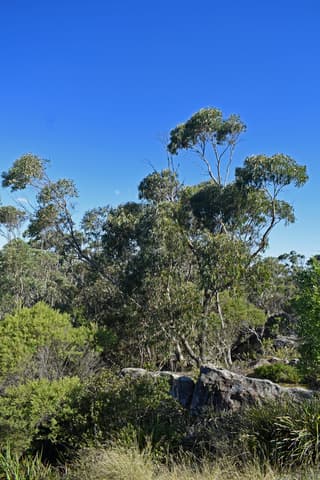
Tasmanian Blue Gum
Eucalyptus globulus
Ipiranga do Sul Climate for Plant Growing
Ipiranga do Sul has a climate with an average annual temperature of 18.8°C and average relative humidity of 76%. These climate conditions are ideal for various species of ornamental and fruit plants.
Tips for Growing Plants in Ipiranga do Sul
To succeed in growing plants in Ipiranga do Sul, consider the average temperature of 18.8°C when choosing your species. The temperate climate allows you to grow a wide variety of species. High humidity favors tropical plants, but watch for fungal issues.
Why Choose Plants Adapted to the Local Climate?
Plants adapted to Ipiranga do Sul's climate require less care, consume less water, and are more likely to thrive. Our selection considers the compatibility between each species' needs and local climate conditions, including temperature (18.8°C) and humidity (76%).