500 Best Plants for Jaraguá do Sul | 2026 Guide - Page 12
Discover the 500 ideal plants for Jaraguá do Sul's climate. Average temp: 21.1°C, Humidity: 83.2%.
Top 500 Plants for Jaraguá do Sul
Showing 397-432 of 500
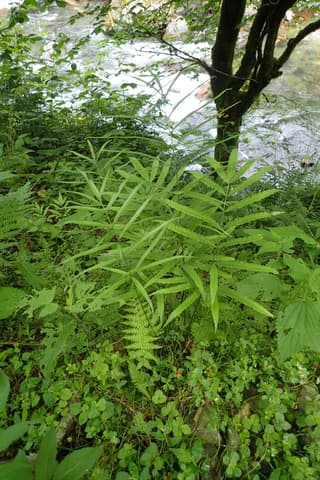
Brake Fern
Pteris
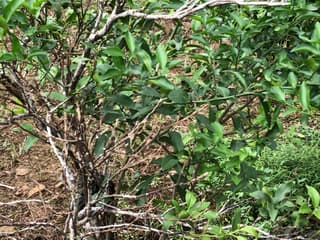
Kumquat
Citrus japonica
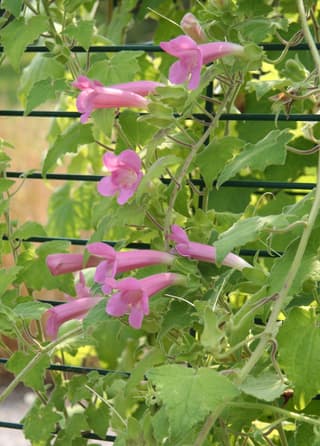
Climbing Snapdragon
Lophospermum erubescens
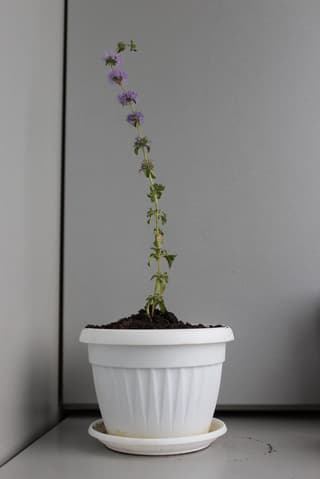
Pennyroyal
Mentha pulegium
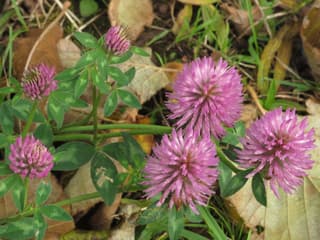
Red Clover
Trifolium pratense
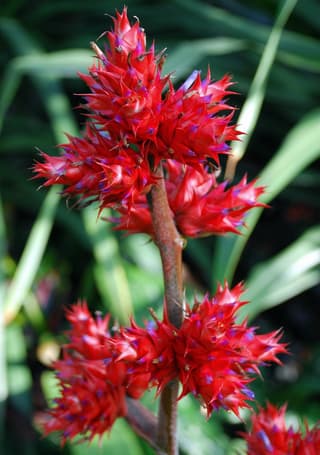
Hohenbergia
Hohenbergia
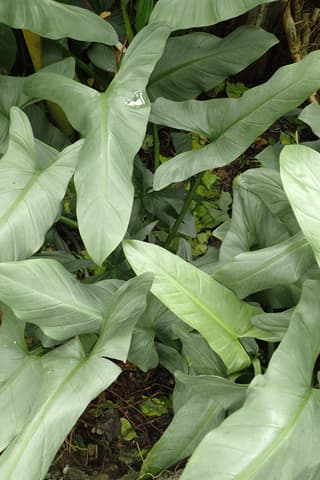
Silver Sword Philodendron
Philodendron hastatum
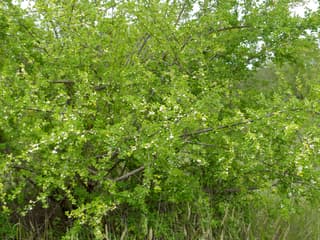
White-Berry Bush
Flueggea virosa
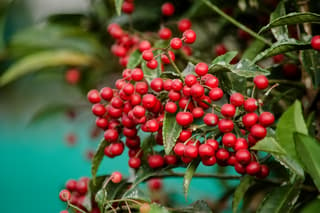
Coral Berry
Ardisia crenata
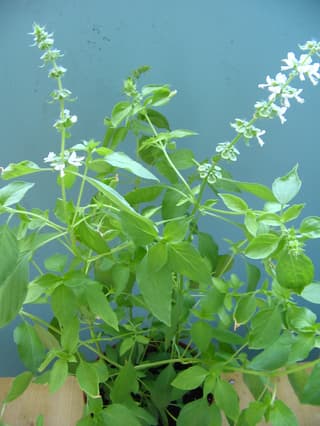
Lemon Basil
Ocimum × citriodorum
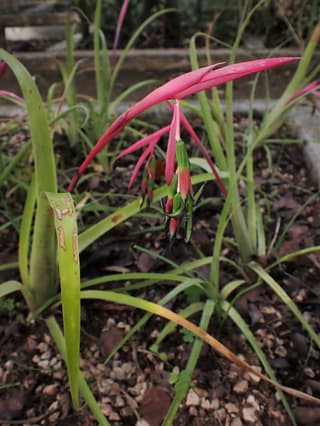
Queen's Tears
Billbergia nutans
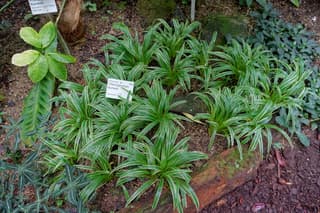
Zebra Grass Spider Plant
Chlorophytum laxum
Pearls and Jade Pothos
Epipremnum aureum 'Pearls and Jade'
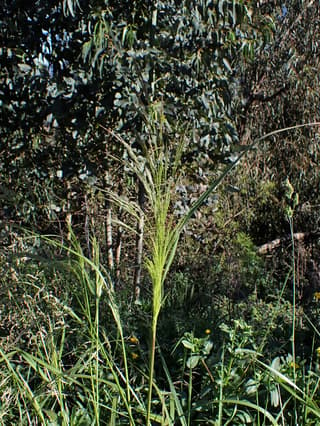
Johnson grass
Sorghum halepense
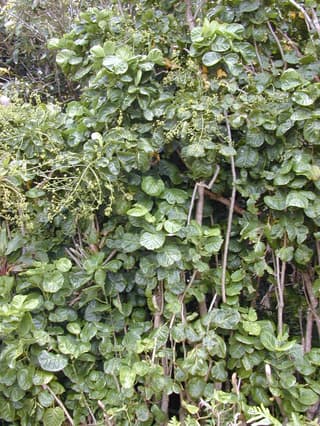
Shield Aralia
Polyscias scutellaria
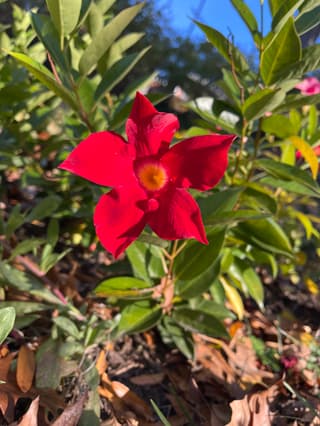
Mandevilla
Mandevilla
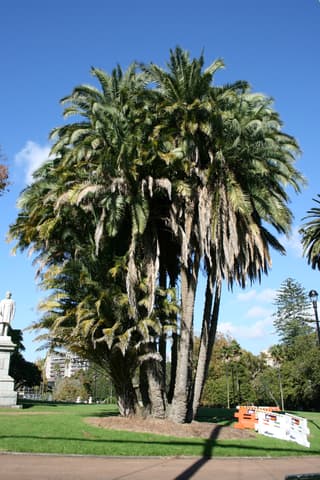
Senegal Date Palm
Phoenix reclinata
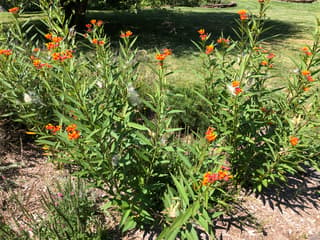
Tropical Milkweed
Asclepias curassavica
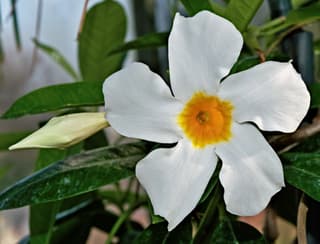
White Rock Trumpet
Mandevilla boliviensis
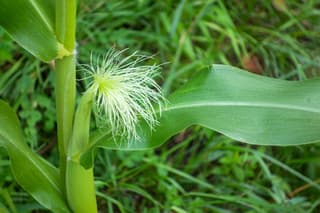
Corn / Maize
Zea
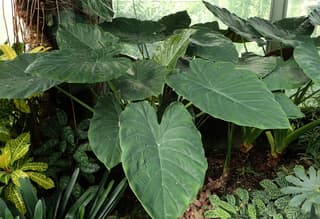
New Guinea Shield
Alocasia wentii
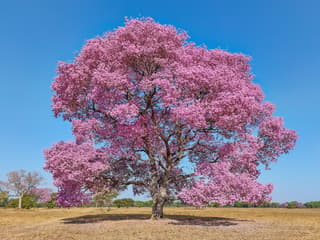
Trumpet Tree
Handroanthus
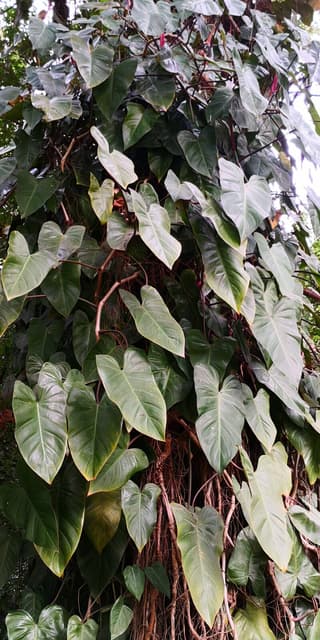
Imperial Green Philodendron
Philodendron 'Imperial Green'
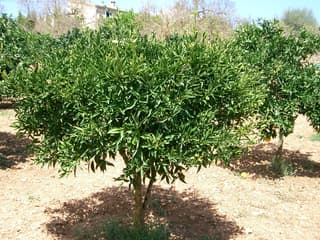
Willowleaf Mandarin
Citrus × aurantium f. deliciosa
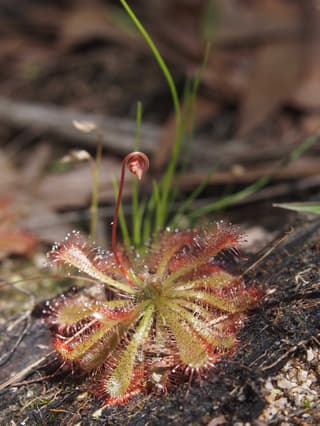
Spoon-leaved sundew
Drosera spatulata
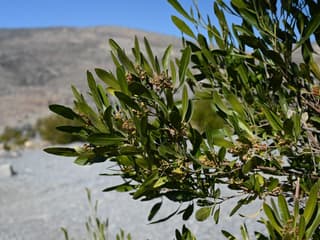
Hop bush
Dodonaea viscosa
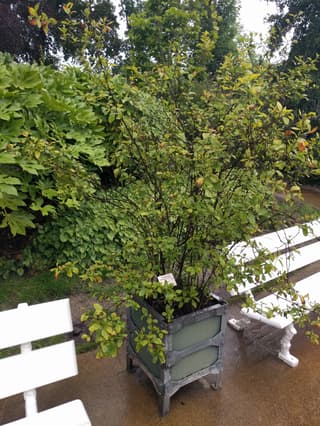
Cape Leadwort
Plumbago auriculata
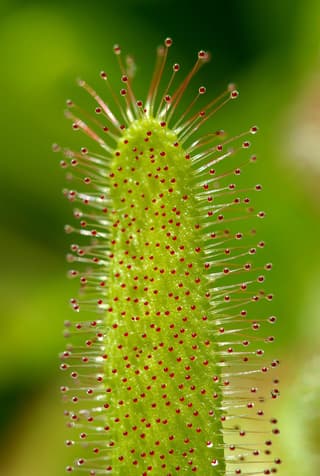
Cape Sundew
Drosera capensis
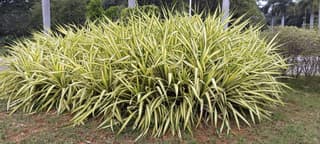
Screw Pine
Pandanus
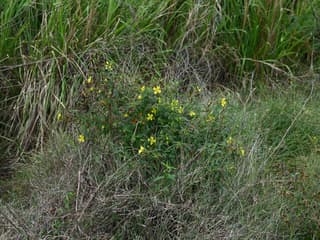
Mexican Primrose-Willow
Ludwigia octovalvis
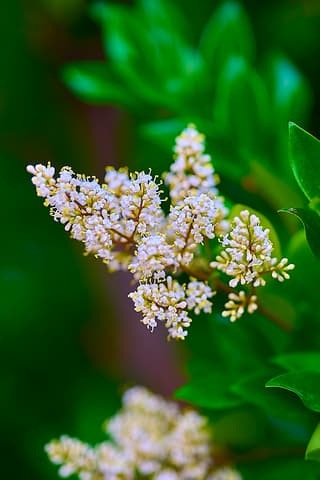
Privet
Ligustrum
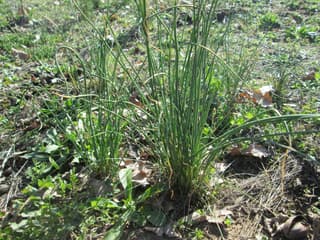
Wild Garlic
Allium vineale
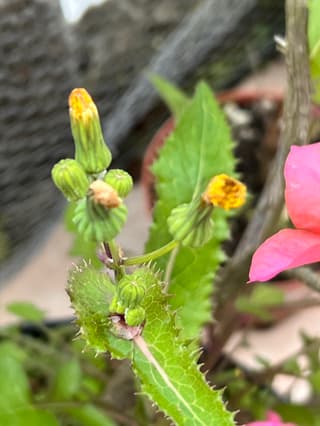
Sow Thistle
Sonchus
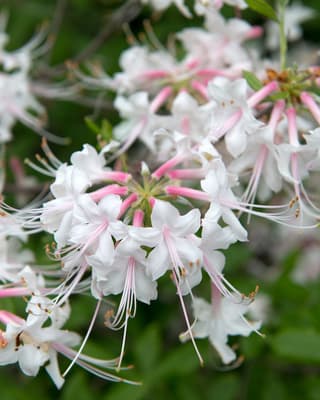
Alabama azalea
Rhododendron alabamense
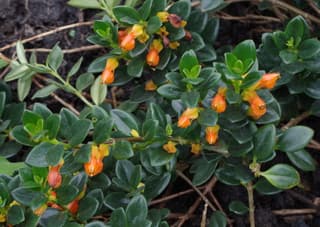
Goldfish Plant
Nematanthus gregarius
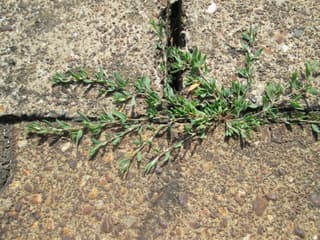
Oval-leaf Knotweed
Polygonum arenastrum
Jaraguá do Sul Climate for Plant Growing
Jaraguá do Sul has a climate with an average annual temperature of 21.1°C and average relative humidity of 83.2%. These climate conditions are ideal for various species of ornamental and fruit plants.
Tips for Growing Plants in Jaraguá do Sul
To succeed in growing plants in Jaraguá do Sul, consider the average temperature of 21.1°C when choosing your species. The temperate climate allows you to grow a wide variety of species. High humidity favors tropical plants, but watch for fungal issues.
Why Choose Plants Adapted to the Local Climate?
Plants adapted to Jaraguá do Sul's climate require less care, consume less water, and are more likely to thrive. Our selection considers the compatibility between each species' needs and local climate conditions, including temperature (21.1°C) and humidity (83.2%).