Bloom
🌿

500 Best Pet Safe for Kervignac | 2026 Guide - Page 12

The 500 best pet safe to grow in Kervignac. Ideal climate: 13.2°C, 80.6% humidity.

🌡️ 13.2°C
💧 80.6%

500 Pet Safe for Kervignac

Showing 397-432 of 500
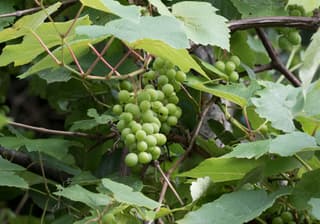
Fox Grape
397
★ 78%

Fox Grape

Vitis labrusca

Medium 💧 7 days 🌡️ -20°C - 35°C
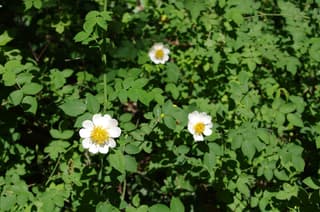
Field Rose
398
★ 78%

Field Rose

Rosa arvensis

Medium 💧 9 days 🌡️ -23°C - 35°C
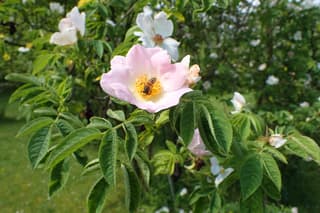
Corymb rose
399
★ 78%

Corymb rose

Rosa corymbifera

Easy 💧 8 days 🌡️ -20°C - 35°C
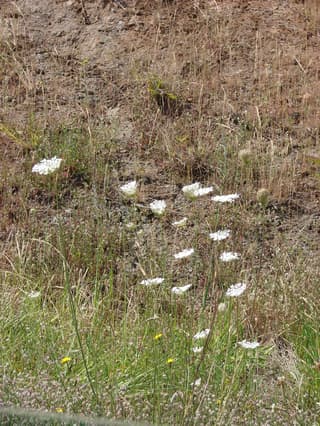
Wild Carrot
400
★ 78%

Wild Carrot

Daucus

Easy 💧 7 days 🌡️ -15°C - 35°C
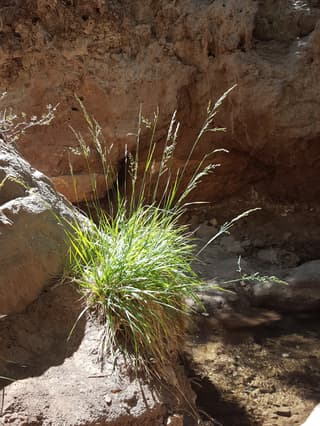
Tall Fescue
401
★ 78%

Tall Fescue

Lolium arundinaceum

Easy 💧 7 days 🌡️ -20°C - 35°C
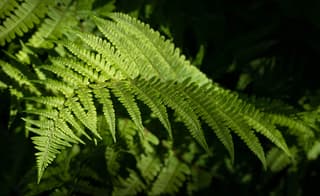
Lady Fern
402
★ 78%

Lady Fern

Athyrium filix-femina

Easy 💧 4 days 🌡️ 5°C - 24°C
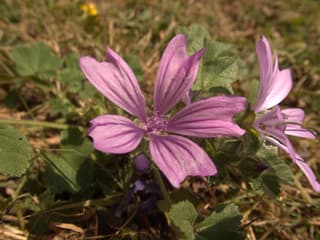
Mallow
403
★ 78%

Mallow

Malva

Easy 💧 7 days 🌡️ -15°C - 35°C
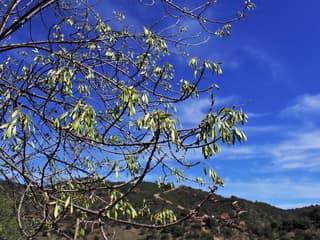
Narrow-leaved Ash
404
★ 78%

Narrow-leaved Ash

Fraxinus angustifolia
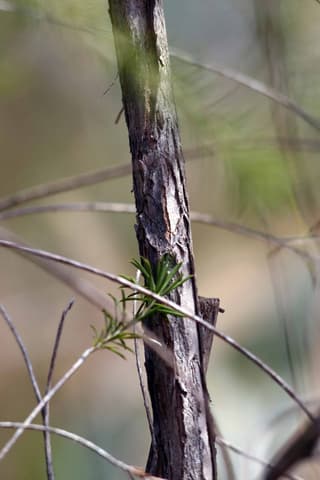
Medium 💧 10 days 🌡️ -20°C - 35°C
Bracelet Honey Myrtle
405
★ 78%

Bracelet Honey Myrtle

Melaleuca armillaris
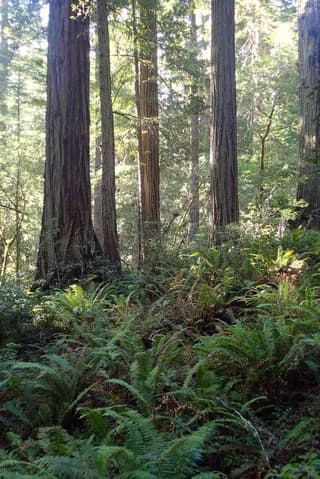
Easy 💧 14 days 🌡️ -6°C - 40°C
Holly Fern
406
★ 78%

Holly Fern

Polystichum

Medium 💧 5 days 🌡️ 5°C - 24°C
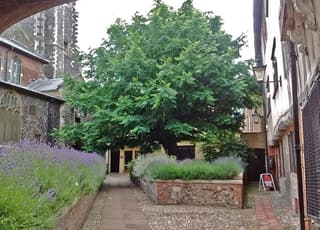
Caucasian Wingnut
407
★ 78%

Caucasian Wingnut

Pterocarya fraxinifolia
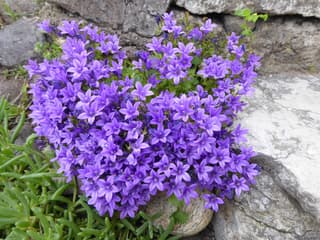
Medium 💧 7 days 🌡️ -20°C - 35°C
Dalmatian Bellflower
408
★ 78%

Dalmatian Bellflower

Campanula portenschlagiana

Easy 💧 3 days 🌡️ -15°C - 30°C
🌿
409
★ 78%

Speedwell

Veronica

Easy 💧 7 days 🌡️ -20°C - 35°C
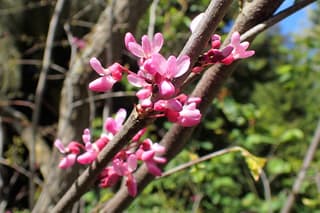
Eastern Redbud
410
★ 78%

Eastern Redbud

Cercis canadensis

Easy 💧 10 days 🌡️ -23°C - 35°C
Soapwort
411
★ 78%

Soapwort

Saponaria officinalis

Easy 💧 7 days 🌡️ -20°C - 35°C
Chinese Fringe Flower
412
★ 78%

Chinese Fringe Flower

Loropetalum chinense
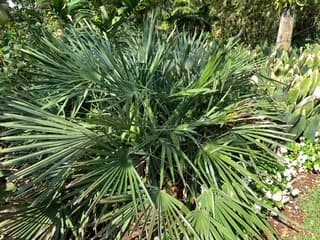
Easy 💧 7 days 🌡️ -15°C - 35°C
Needle Palm
413
★ 78%

Needle Palm

Rhapidophyllum hystrix

Medium 💧 10 days 🌡️ -20°C - 38°C
Hardy Plumbago
414
★ 78%

Hardy Plumbago

Ceratostigma plumbaginoides
Easy 💧 10 days 🌡️ -15°C - 35°C
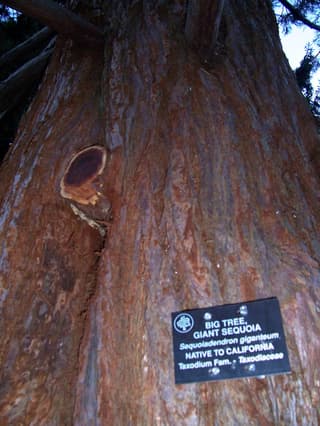
Giant Sequoia
415
★ 78%

Giant Sequoia

Sequoiadendron giganteum
Medium 💧 30 days 🌡️ -20°C - 35°C
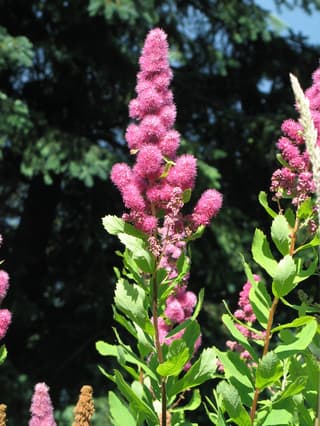
Douglas Spirea
416
★ 78%

Douglas Spirea

Spiraea douglasii

Easy 💧 3 days 🌡️ -10°C - 29°C
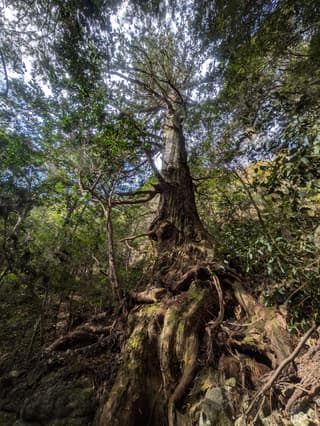
Japanese Cedar
417
★ 78%

Japanese Cedar

Cryptomeria japonica

Medium 💧 7 days 🌡️ -20°C - 35°C
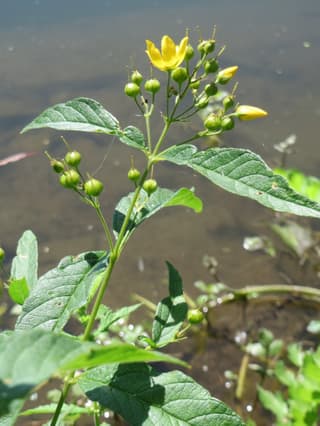
Loosestrife
418
★ 78%

Loosestrife

Lysimachia

Easy 💧 4 days 🌡️ -10°C - 30°C
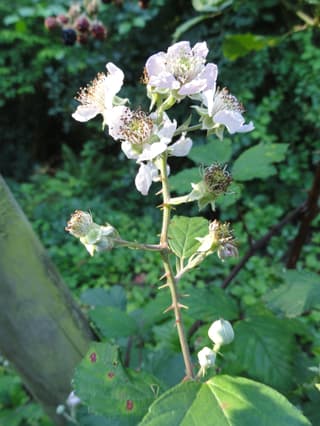
Himalayan Blackberry
419
★ 78%

Himalayan Blackberry

Rubus bifrons

Easy 💧 7 days 🌡️ -15°C - 35°C
Chinese Redbud
420
★ 78%

Chinese Redbud

Cercis chinensis

Medium 💧 7 days 🌡️ -20°C - 35°C
Southern Catalpa
421
★ 78%

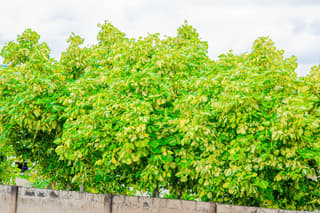
Southern Catalpa

Catalpa bignonioides
Easy 💧 7 days 🌡️ -20°C - 38°C
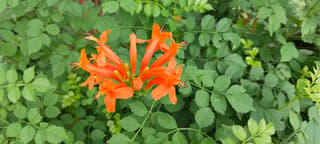
Cape Honeysuckle
422
★ 78%

Cape Honeysuckle

Tecoma capensis

Easy 💧 7 days 🌡️ -4°C - 40°C
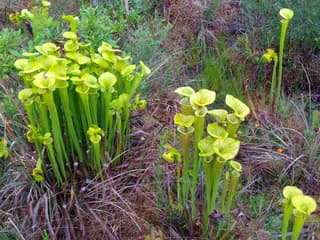
Yellow Pitcher Plant
423
★ 78%

Yellow Pitcher Plant

Sarracenia flava
Hard 💧 2 days 🌡️ 15°C - 32°C
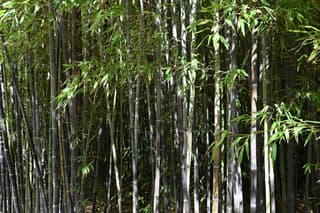
Black bamboo
424
★ 78%

Black bamboo

Phyllostachys nigra

Medium 💧 7 days 🌡️ -15°C - 35°C
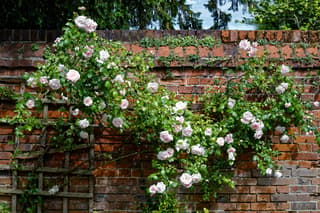
Nice Day Rose
425
★ 78%

Nice Day Rose

Rosa 'CHEWNICEBELL'

Medium 💧 3 days 🌡️ -15°C - 35°C
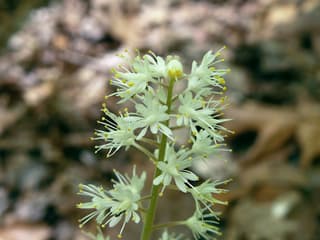
Foamflower
426
★ 78%

Foamflower

Tiarella cordifolia

Easy 💧 7 days 🌡️ 5°C - 24°C
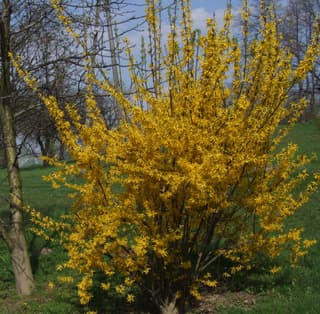
Border Forsythia
427
★ 78%

Border Forsythia

Forsythia x intermedia
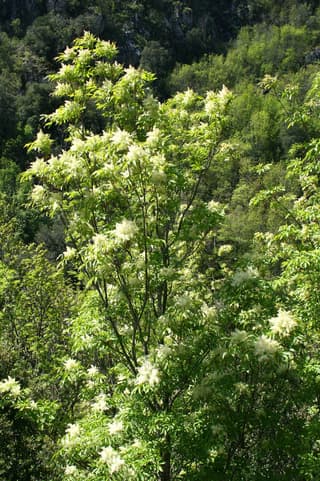
Easy 💧 10 days 🌡️ -23°C - 35°C
Manna Ash
428
★ 78%

Manna Ash

Fraxinus ornus

Medium 💧 14 days 🌡️ -20°C - 35°C
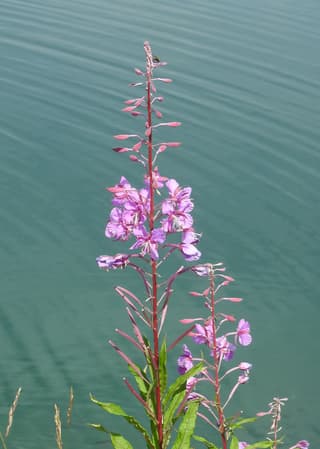
Willowherb / Fireweed (genus)
429
★ 78%

Willowherb / Fireweed (genus)

Epilobium
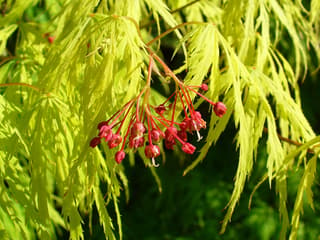
Easy 💧 6 days 🌡️ -20°C - 35°C
Japanese Maple
430
★ 78%

Japanese Maple

Acer palmatum

Medium 💧 7 days 🌡️ -20°C - 35°C
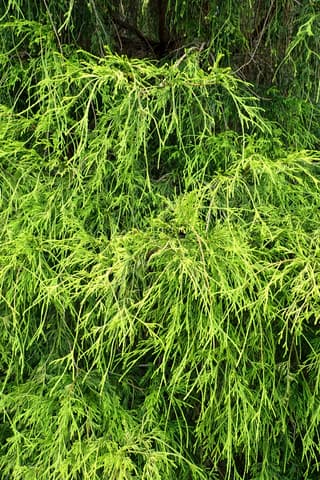
Golden Thread Cypress
431
★ 78%

Golden Thread Cypress

Chamaecyparis pisifera filifera aurea
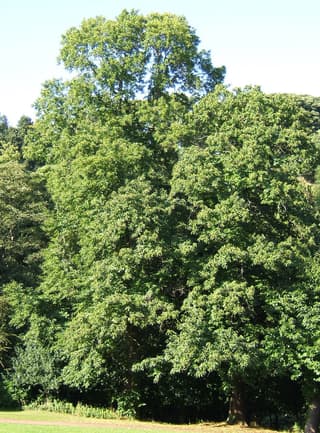
Easy 💧 7 days 🌡️ -20°C - 35°C
Sweet Chestnut
432
★ 78%

Sweet Chestnut

Castanea sativa

Medium 💧 14 days 🌡️ -15°C - 30°C

Ideal Pet Safe for Kervignac's Climate

Kervignac has an average temperature of 13.2°C and humidity of 80.6%, conditions that directly influence which pet safe best adapt to the local environment.

How to Grow Pet Safe in Kervignac

To successfully grow pet safe in Kervignac, consider that the average temperature of 13.2°C and humidity of 80.6% create a specific microclimate. High humidity favors tropical species, but requires attention to ventilation to prevent fungal issues.

Advantages of Choosing Adapted Pet Safe

Pet Safe adapted to Kervignac's climate show greater resistance, healthy growth, and less need for interventions.