500 Best Plants for Montenegro | 2026 Guide - Page 11
Discover the 500 ideal plants for Montenegro's climate. Average temp: 20°C, Humidity: 79.6%.
Top 500 Plants for Montenegro
Showing 361-396 of 500

Bougainvillea
Bougainvillea peruviana
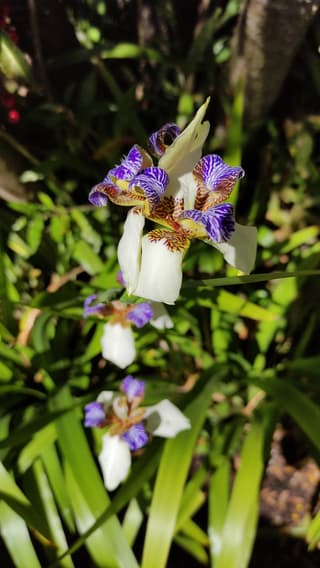
Yellow Walking Iris
Trimezia gracilis
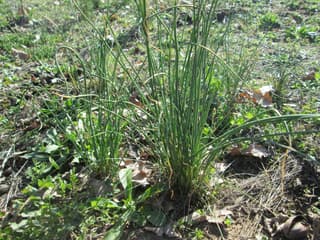
Wild Garlic
Allium vineale
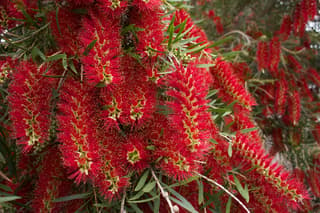
Weeping Bottlebrush
Melaleuca viminalis
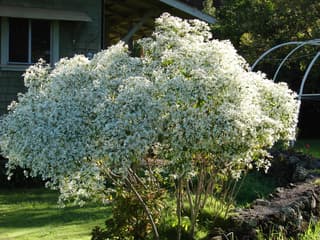
Snow bush
Euphorbia leucocephala
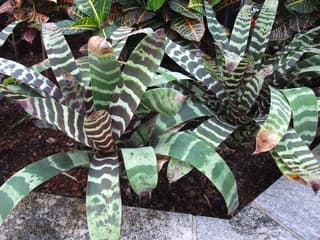
Flaming Sword
Lutheria splendens
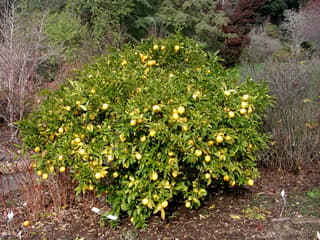
Lemon
Citrus limon
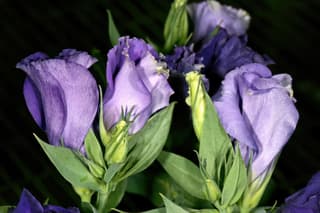
Lisianthus
Eustoma russellianum
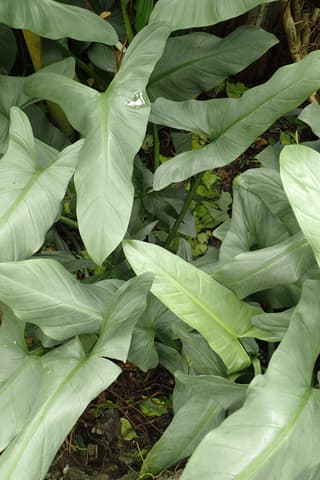
Spadeleaf Philodendron
Philodendron domesticum

Oval-leaf Knotweed
Polygonum arenastrum
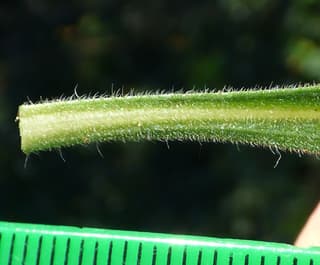
Guernsey Fleabane
Erigeron sumatrensis

Areca palm
Chrysalidocarpus lutescens
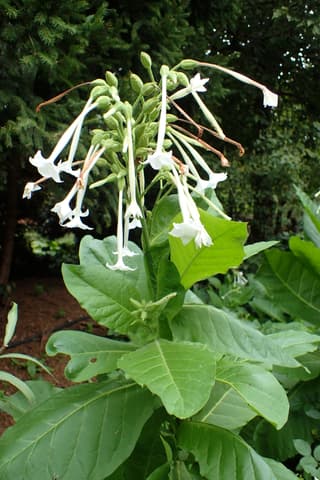
Woodland Tobacco
Nicotiana sylvestris
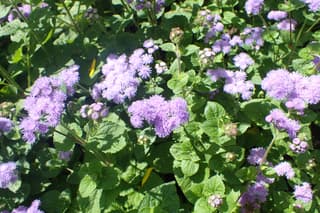
Floss Flower
Ageratum houstonianum
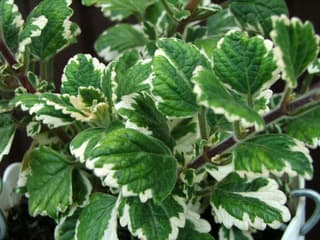
Candle Plant
Coleus paniculatus
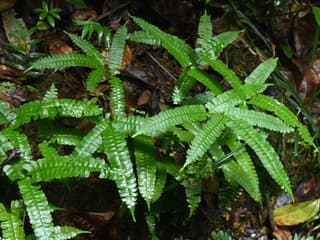
Necklace Fern
Lindsaea
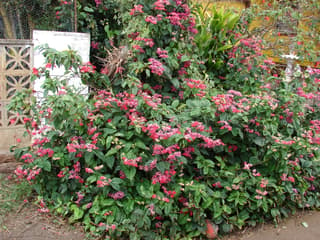
Red Bleeding Heart Vine
Clerodendrum × speciosum
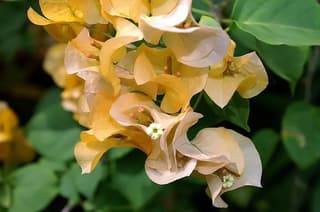
Bougainvillea
Bougainvillea x buttiana
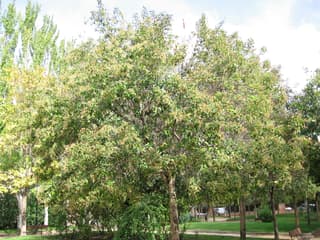
Japanese Privet
Ligustrum japonicum
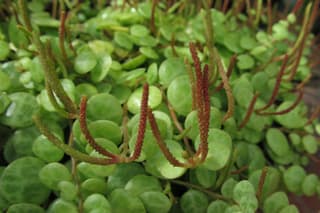
String of Turtles
Peperomia prostrata
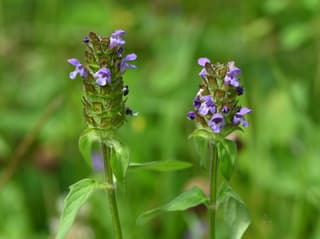
Self-Heal
Prunella vulgaris
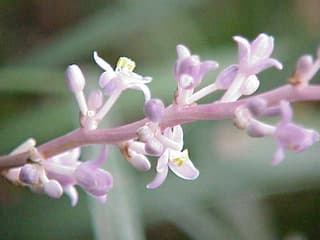
White Lilyturf
Ophiopogon jaburan

Rougeplant
Rivina humilis
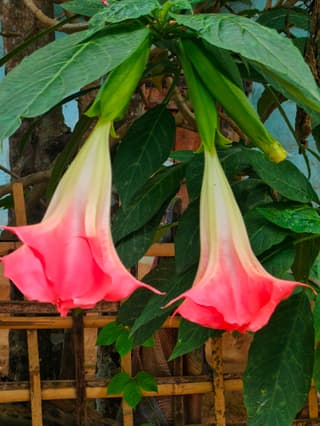
Angel's Trumpet
Brugmansia
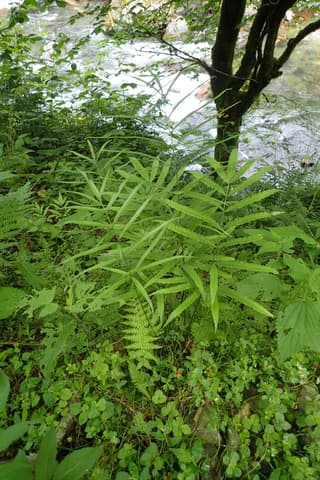
Brake Fern
Pteris
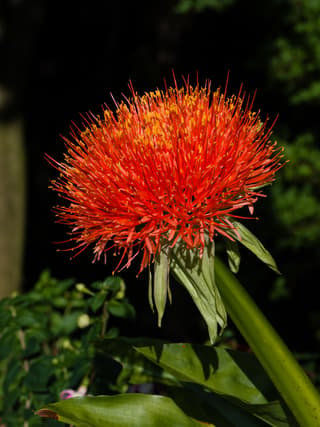
Blood Lily
Scadoxus multiflorus
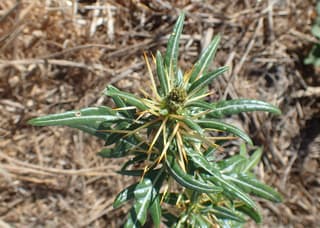
Spiny Cocklebur
Xanthium spinosum
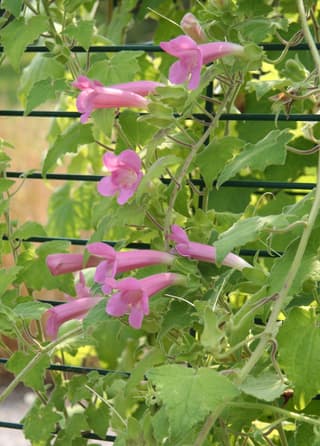
Climbing Snapdragon
Lophospermum erubescens
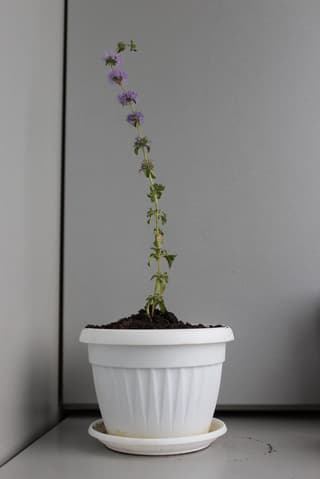
Pennyroyal
Mentha pulegium
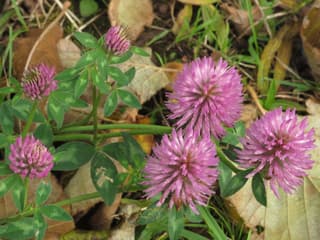
Red Clover
Trifolium pratense
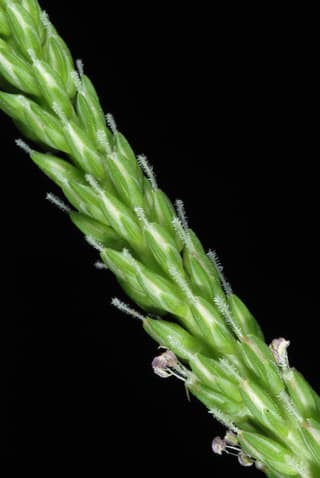
Blackseed Plantain
Plantago rugelii
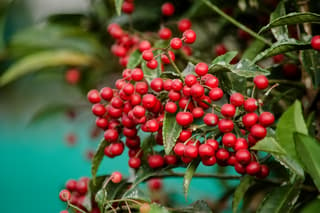
Coral Berry
Ardisia crenata
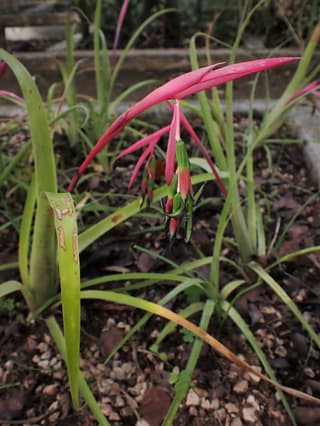
Queen's Tears
Billbergia nutans
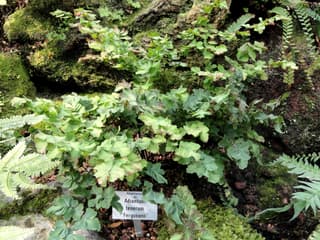
Fan Maidenhair Fern
Adiantum tenerum
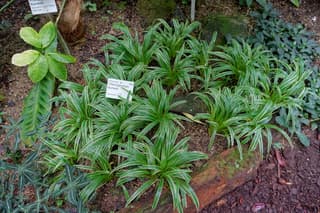
Zebra Grass Spider Plant
Chlorophytum laxum
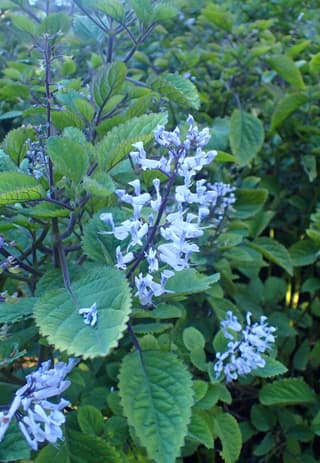
Speckled Spur-Flower
Plectranthus ciliatus
Montenegro Climate for Plant Growing
Montenegro has a climate with an average annual temperature of 20°C and average relative humidity of 79.6%. These climate conditions are ideal for various species of ornamental and fruit plants.
Tips for Growing Plants in Montenegro
To succeed in growing plants in Montenegro, consider the average temperature of 20°C when choosing your species. The temperate climate allows you to grow a wide variety of species. High humidity favors tropical plants, but watch for fungal issues.
Why Choose Plants Adapted to the Local Climate?
Plants adapted to Montenegro's climate require less care, consume less water, and are more likely to thrive. Our selection considers the compatibility between each species' needs and local climate conditions, including temperature (20°C) and humidity (79.6%).