500 Best Pet Safe for Montgomery | 2026 Guide - Page 5
The 500 best pet safe to grow in Montgomery. Ideal climate: 19.6°C, 69.7% humidity.
500 Pet Safe for Montgomery
Showing 145-180 of 500
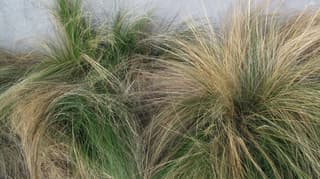
Mexican feather grass
Nassella tenuissima
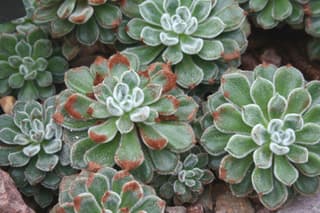
Mexican Firecracker
Echeveria setosa
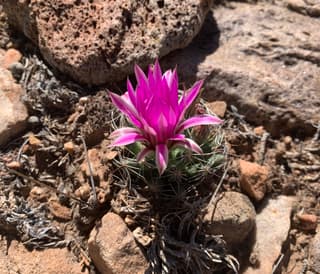
Wright's Fishhook Cactus
Cochemiea wrightii
Mexican Cypress
Cupressus lusitanica
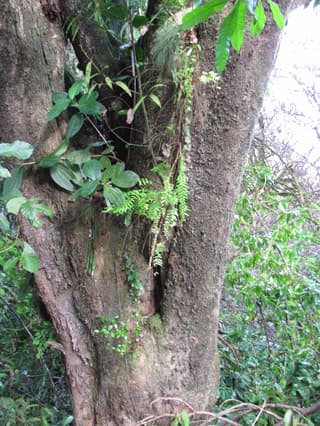
Fishtail Fern
Nephrolepis falcata
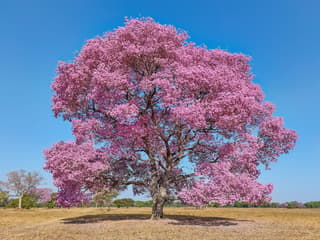
Pink trumpet tree
Handroanthus impetiginosus
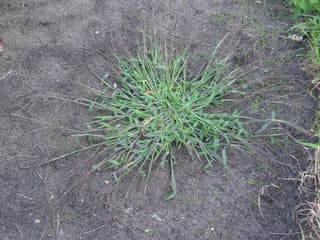
hairy crabgrass
Digitaria sanguinalis
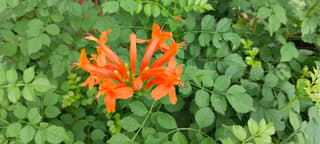
Cape Honeysuckle
Tecoma capensis
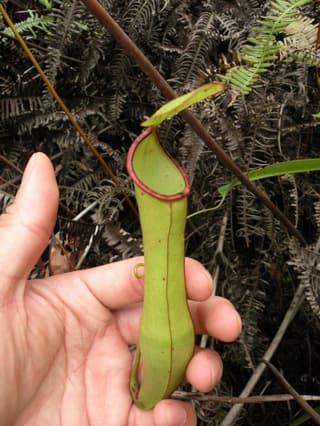
Neglecta Pitcher Plant
Nepenthes × neglecta
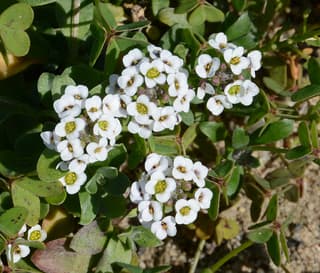
Sweet Alyssum
Lobularia maritima
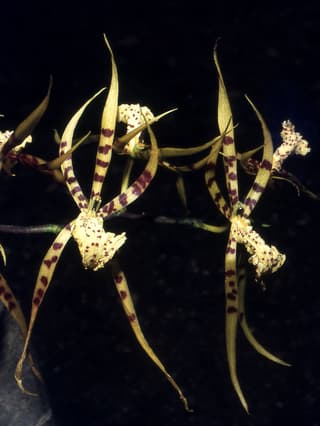
Spider Orchid
Brassia arachnoidea
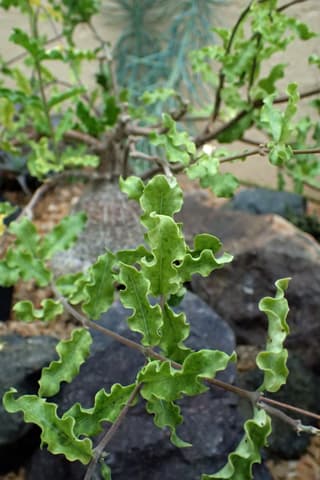
Hottentot Bread
Fockea edulis
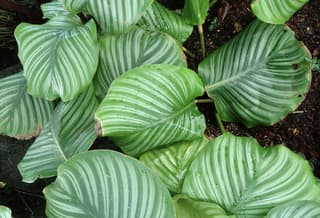
Round-leaf Calathea
Calathea orbifolia
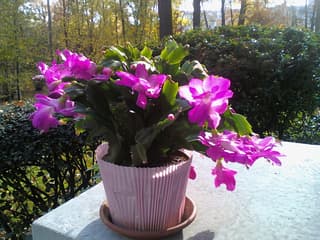
Thanksgiving Cactus
Schlumbergera truncata
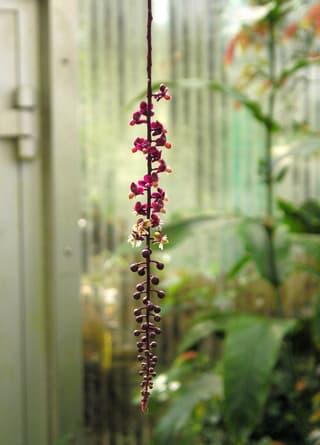
Peacock Plant
Calathea makoyana
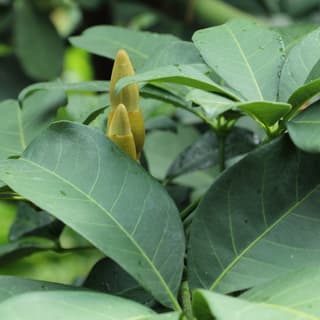
Money Tree
Pachira aquatica
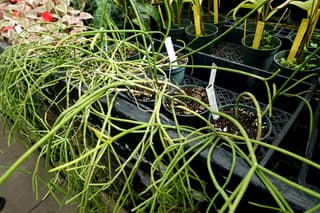
Mistletoe cactus
Rhipsalis baccifera
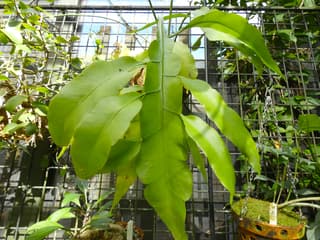
Queen of the Night
Epiphyllum oxypetalum
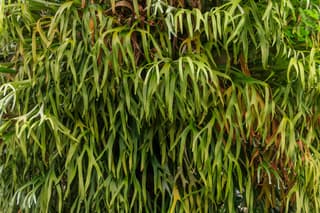
Staghorn Fern
Platycerium bifurcatum

Noble Dendrobium
Dendrobium nobile
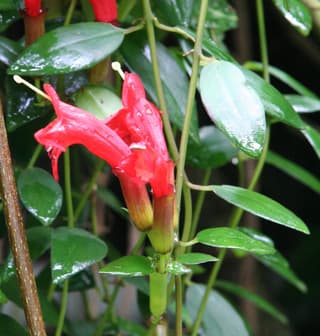
Lipstick Plant
Aeschynanthus radicans
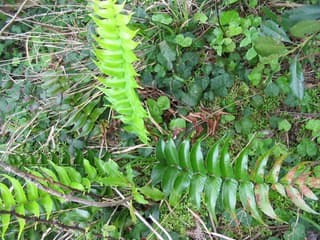
Japanese Holly Fern
Cyrtomium falcatum
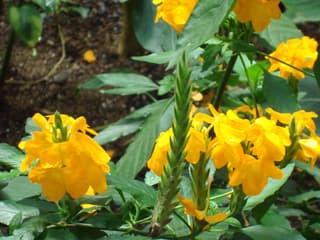
Firecracker Flower
Crossandra infundibuliformis
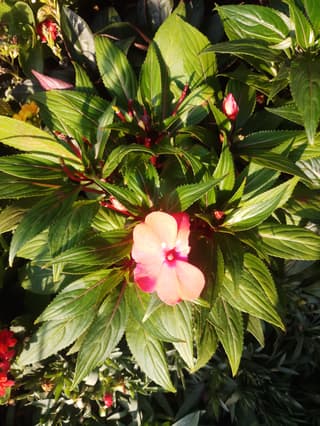
Busy Lizzie
Impatiens walleriana
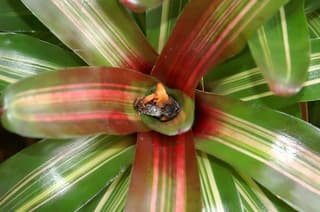
Blushing Bromeliad
Neoregelia carolinae
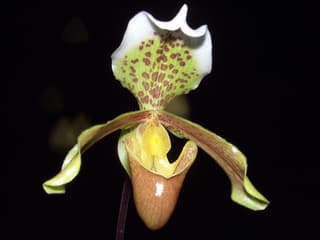
Lady Slipper Orchid
Paphiopedilum insigne
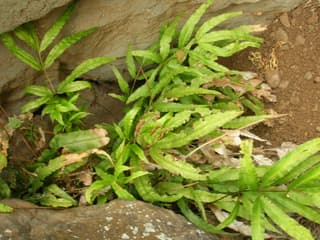
Cretan Brake Fern
Pteris cretica
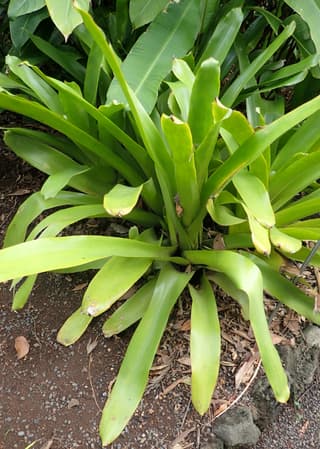
Orange Bromeliad
Aechmea blanchetiana
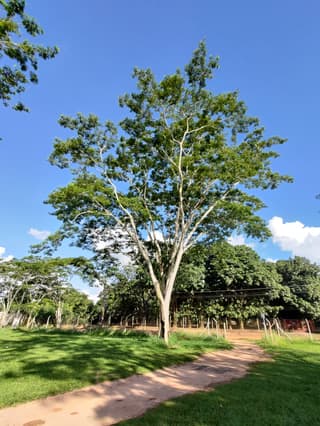
White Silk Tree
Albizia niopoides
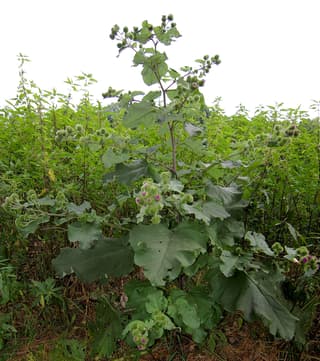
Burdock
Arctium lappa
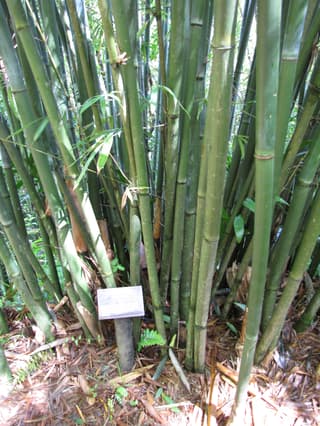
Slender Weavers Bamboo
Bambusa textilis gracili
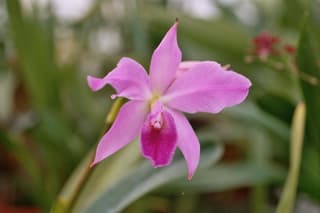
Cattleya Orchid
Cattleya spp
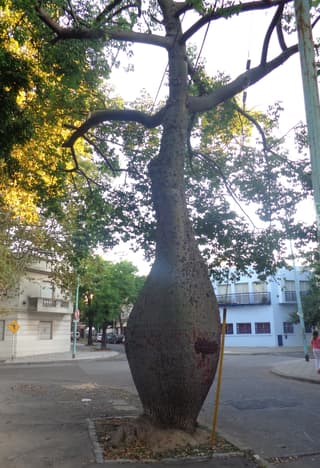
Silk Floss Tree
Ceiba speciosa
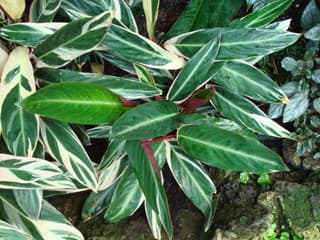
Never Never Plant
Ctenanthe oppenheimiana
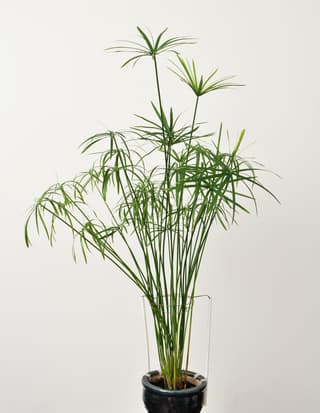
Umbrella Papyrus
Cyperus alternifolius
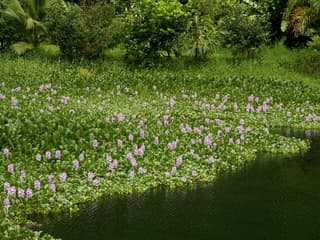
Water Hyacinth
Eichhornia crassipes
Ideal Pet Safe for Montgomery's Climate
Montgomery has an average temperature of 19.6°C and humidity of 69.7%, conditions that directly influence which pet safe best adapt to the local environment.
How to Grow Pet Safe in Montgomery
To successfully grow pet safe in Montgomery, consider that the average temperature of 19.6°C and humidity of 69.7% create a specific microclimate. Moderate humidity is favorable for most species in this category.
Advantages of Choosing Adapted Pet Safe
Pet Safe adapted to Montgomery's climate show greater resistance, healthy growth, and less need for interventions.