500 Best Pet Safe for Mundo Novo | 2026 Guide - Page 4
The 500 best pet safe to grow in Mundo Novo. Ideal climate: 23.4°C, 76% humidity.
500 Pet Safe for Mundo Novo
Showing 109-144 of 500
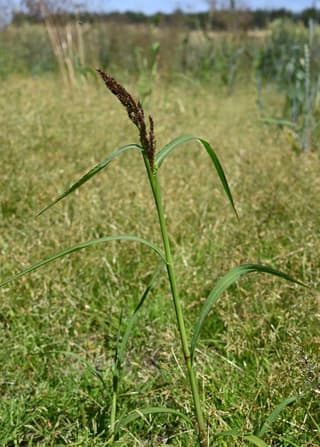
Barnyardgrass
Echinochloa crus-galli
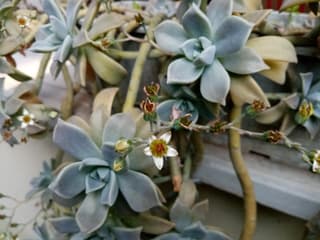
Ghost Plant
Graptopetalum
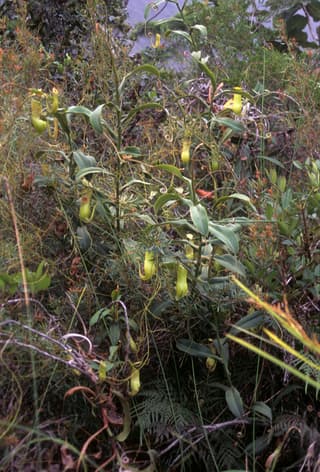
New Caledonia Pitcher Plant
Nepenthes vieillardii
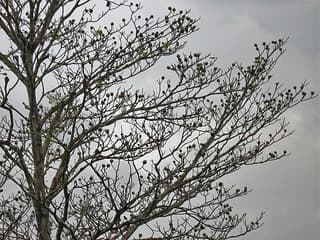
Genipap
Genipa americana

Indian Blanket
Gaillardia pulchella
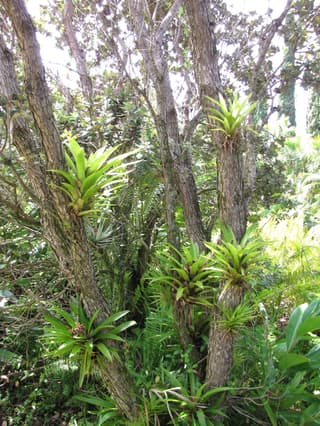
West Indian Tufted Airplant
Guzmania monostachia
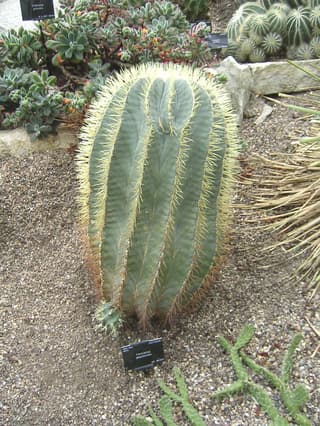
Blue Barrel Cactus
Ferocactus glaucescens
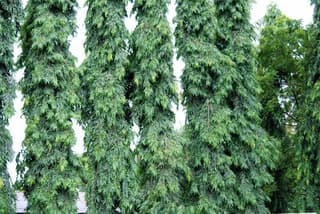
Mast Tree
Polyalthia longifolia
Mangrove
Rhizophora
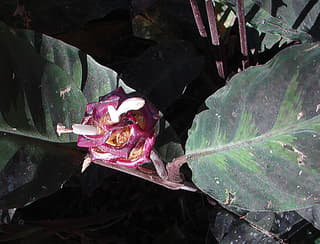
Jungle Velvet Calathea
Goeppertia warszewiczii
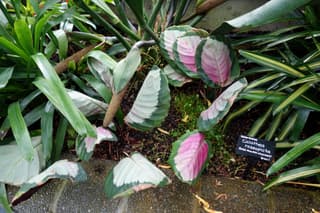
Rose Painted Calathea
Calathea roseopicta
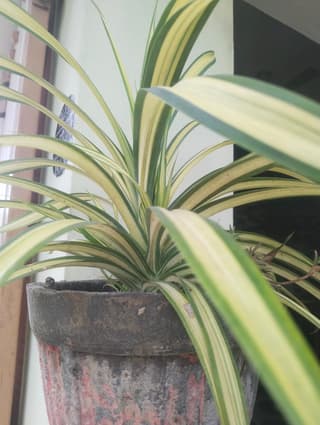
Spider Plant (genus)
Chlorophytum
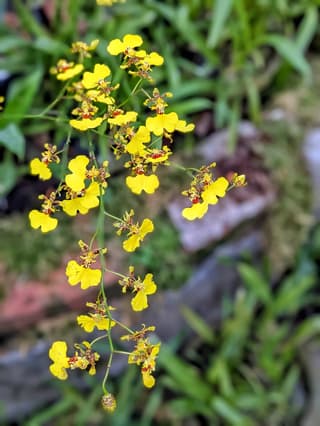
Golden Shower Orchid
Oncidium varicosum
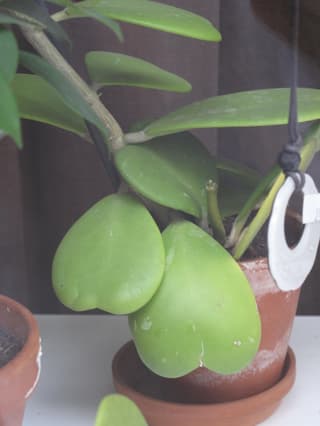
Sweetheart Hoya
Hoya kerrii
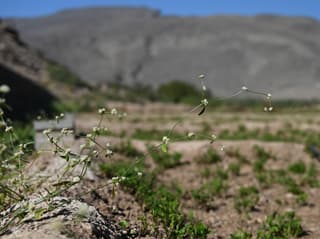
Calico Plant
Alternanthera bettzickiana
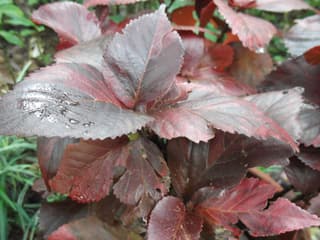
Jacob's Coat
Acalypha wilkesiana
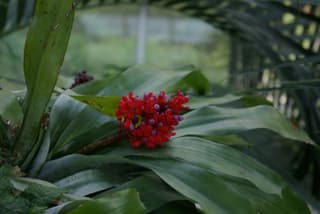
Coral Berry Bromeliad
Aechmea fulgens
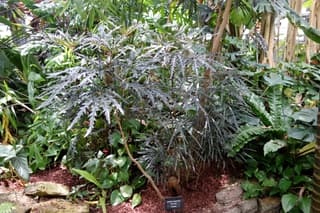
False Aralia
Plerandra elegantissima
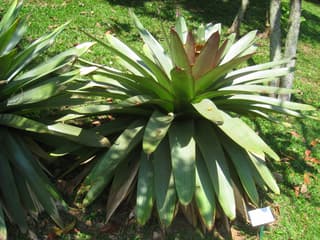
Imperial Bromeliad
Alcantarea imperialis
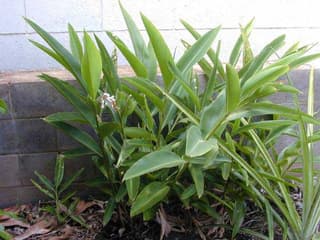
Shell Ginger
Alpinia zerumbet
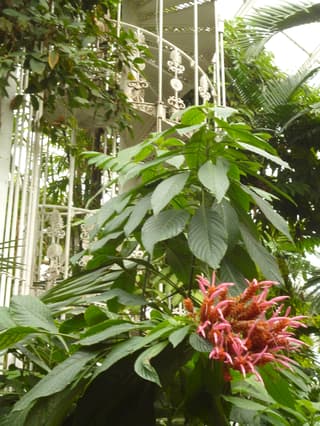
Coral Aphelandra
Aphelandra sinclairiana
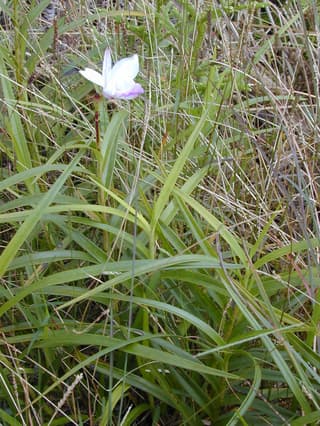
Bamboo Orchid
Arundina graminifolia
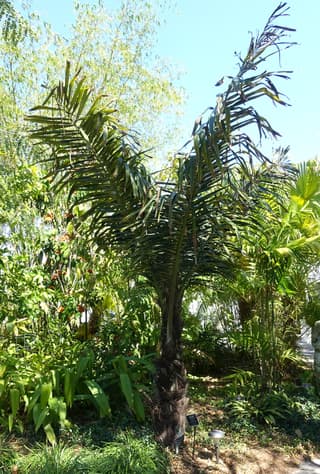
Sugar Palm
Arenga pinnata
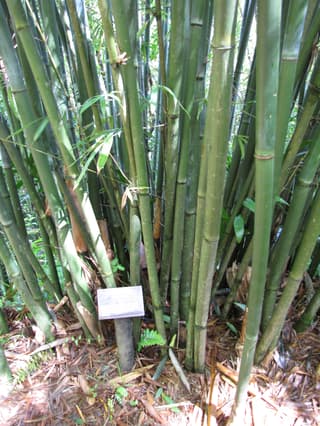
Slender Weavers Bamboo
Bambusa textilis gracili
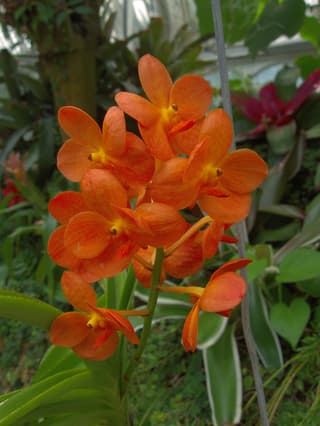
Ascocenda Orchid
Ascocenda
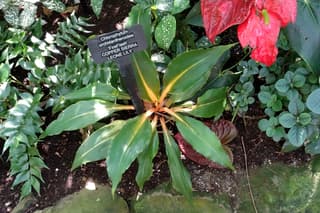
Mandarin Plant
Chlorophytum orchidastrum
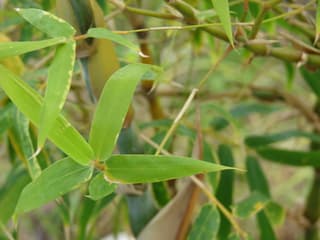
Buddha Belly Bamboo
Bambusa ventricosa

Capirona
Calycophyllum spruceanum
Canna Lily
Canna x generalis
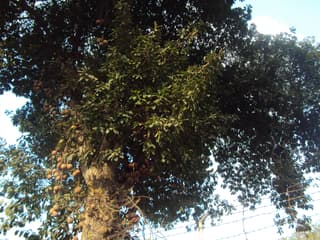
Cannonball Tree
Couroupita guianensis
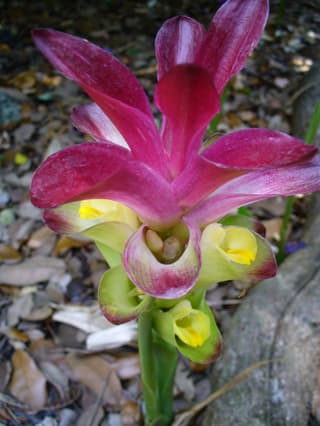
Zedoary
Curcuma zedoaria
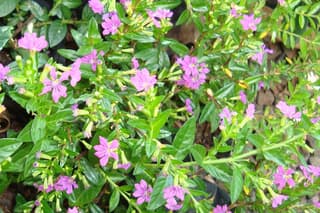
Slender Cuphea
Cuphea gracilis
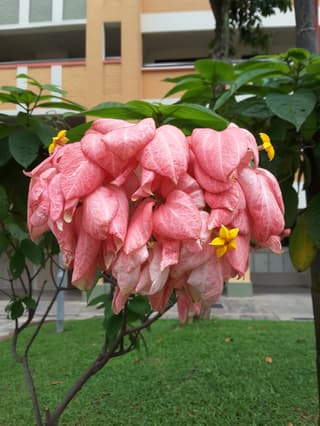
Dona Alicia Mussaenda
Mussaenda alicia
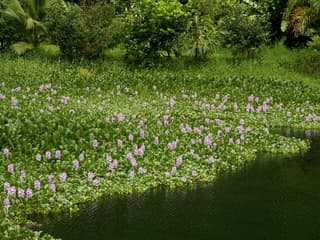
Water Hyacinth
Eichhornia crassipes
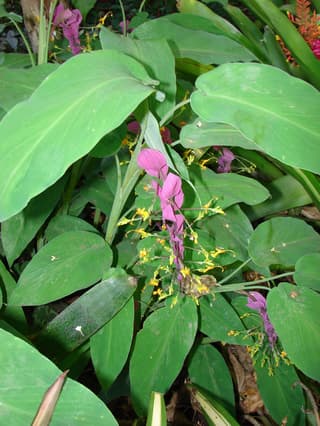
Dancing Lady Ginger
Globba winitii
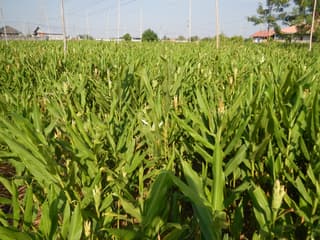
White Ginger Lily
Hedychium coronarium
Ideal Pet Safe for Mundo Novo's Climate
Mundo Novo has an average temperature of 23.4°C and humidity of 76%, conditions that directly influence which pet safe best adapt to the local environment.
How to Grow Pet Safe in Mundo Novo
To successfully grow pet safe in Mundo Novo, consider that the average temperature of 23.4°C and humidity of 76% create a specific microclimate. High humidity favors tropical species, but requires attention to ventilation to prevent fungal issues.
Advantages of Choosing Adapted Pet Safe
Pet Safe adapted to Mundo Novo's climate show greater resistance, healthy growth, and less need for interventions.