500 Best Pet Safe for Nazaré | 2026 Guide - Page 9
The 500 best pet safe to grow in Nazaré. Ideal climate: 24.3°C, 84.5% humidity.
500 Pet Safe for Nazaré
Showing 289-324 of 500
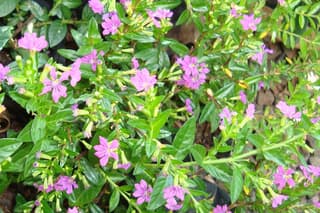
Slender Cuphea
Cuphea gracilis
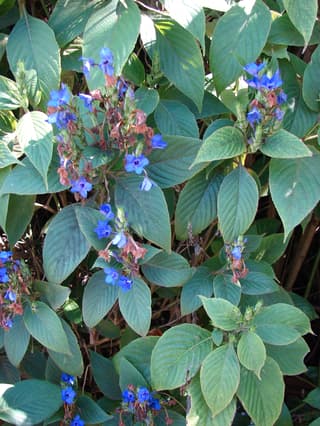
Blue Sage
Eranthemum pulchellum
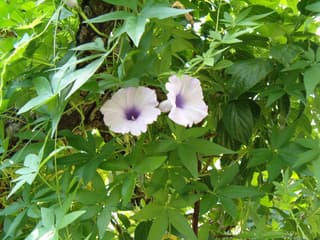
Mile-a-minute vine
Ipomoea cairica
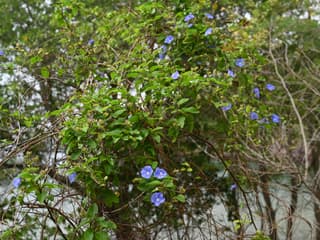
Skyblue Clustervine
Jacquemontia pentanthos
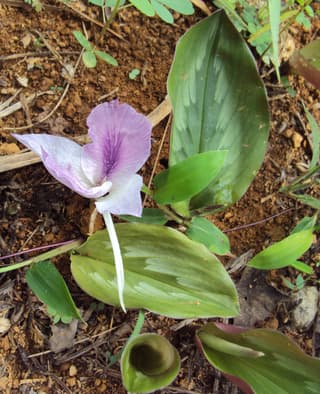
Resurrection Lily
Kaempferia rotunda
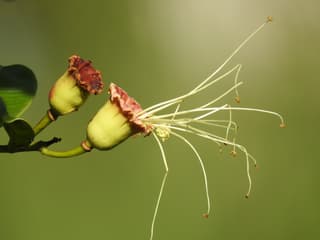
Thimble Tree
Lafoensia pacari
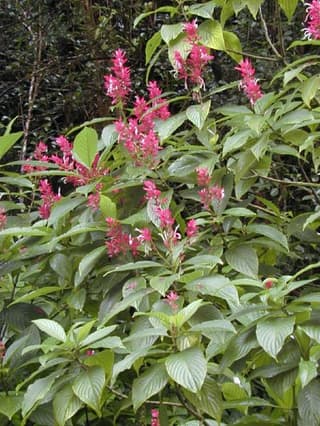
Brazilian Red Cloak
Megaskepasma erythrochlamys
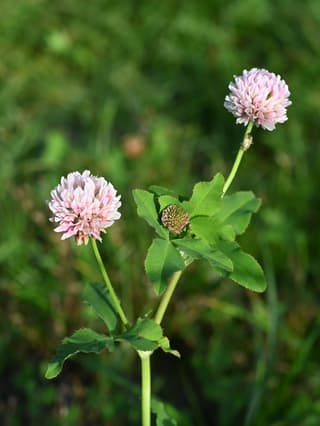
Alsike Clover
Trifolium hybridum
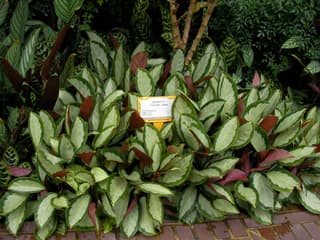
Calathea Picturata
Goeppertia picturata
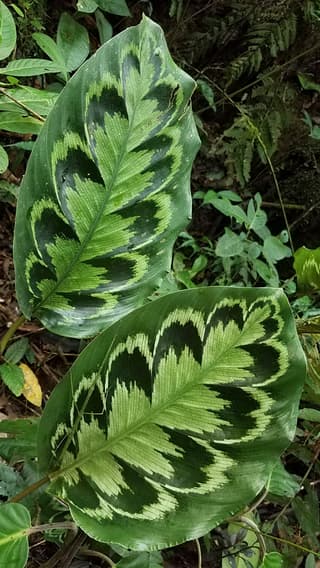
Medallion Calathea
Goeppertia veitchiana
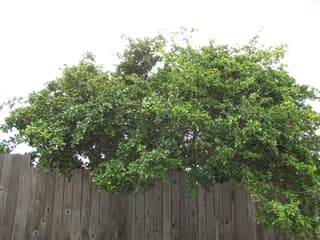
Barbados cherry
Malpighia emarginata
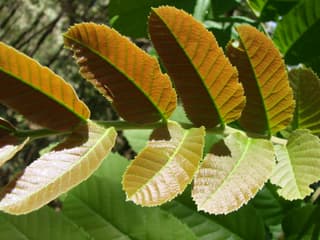
Camboata Tree
Cupania
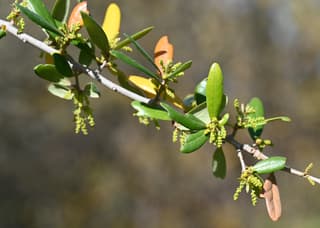
Southern Live Oak
Quercus virginiana
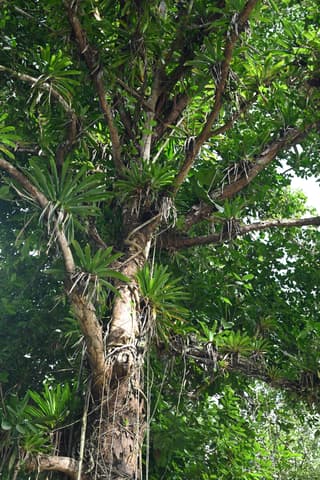
Guzmania
Guzmania
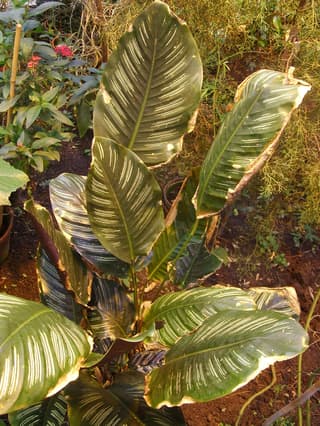
White Star Calathea
Goeppertia majestica
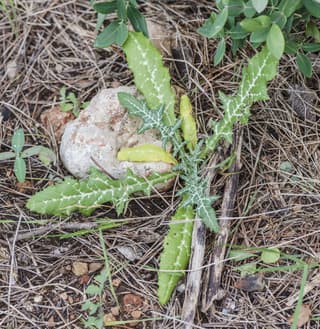
Common Sowthistle
Sonchus oleraceus

Montgomery Palm
Veitchia arecina
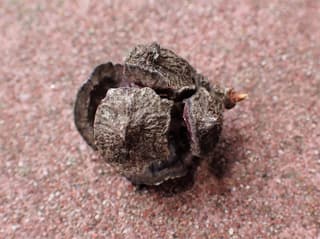
Mexican Cypress
Cupressus lusitanica
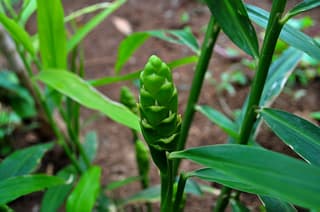
Ginger
Zingiber officinale
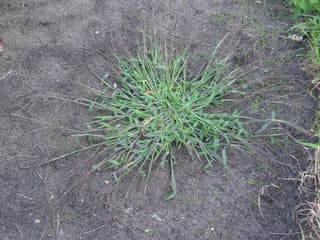
hairy crabgrass
Digitaria sanguinalis
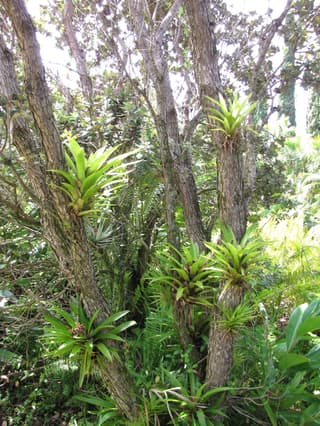
West Indian Tufted Airplant
Guzmania monostachia
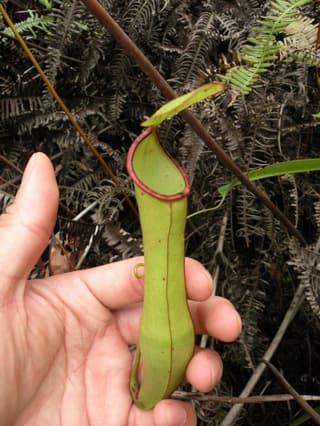
Neglecta Pitcher Plant
Nepenthes × neglecta
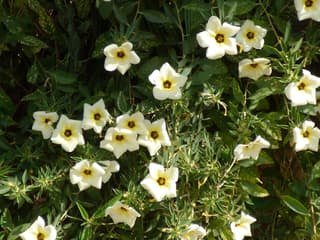
White Buttercup
Turnera subulata
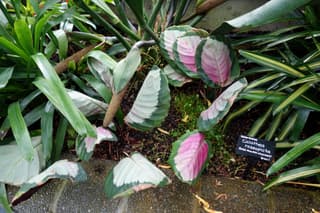
Rose Painted Calathea
Calathea roseopicta
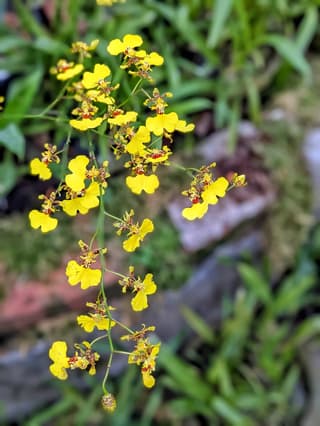
Golden Shower Orchid
Oncidium varicosum
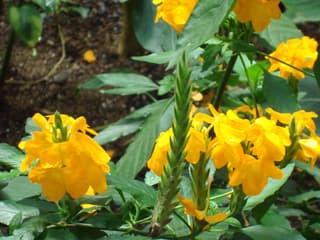
Firecracker Flower
Crossandra infundibuliformis
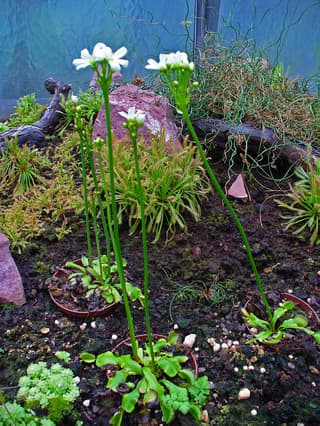
Venus Flytrap
Dionaea muscipula
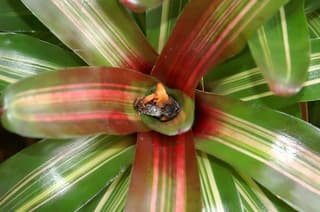
Blushing Bromeliad
Neoregelia carolinae
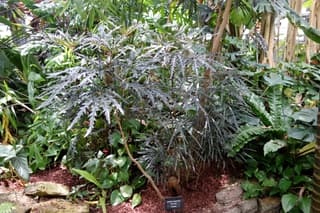
False Aralia
Plerandra elegantissima

Bangalow Palm
Archontophoenix cunninghamiana
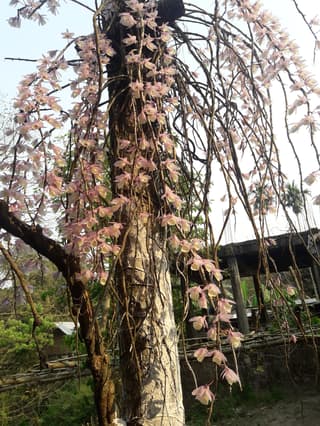
Hooded Orchid
Dendrobium aphyllum
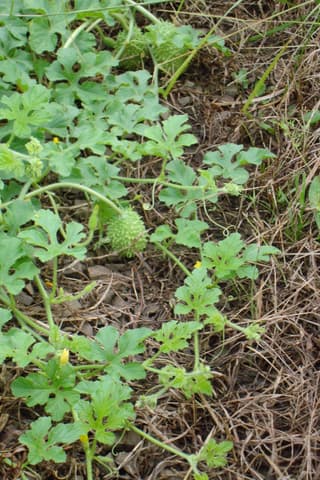
West Indian Gherkin
Cucumis anguria
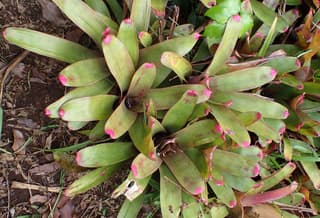
Blushing Bromeliad
Neoregelia sp
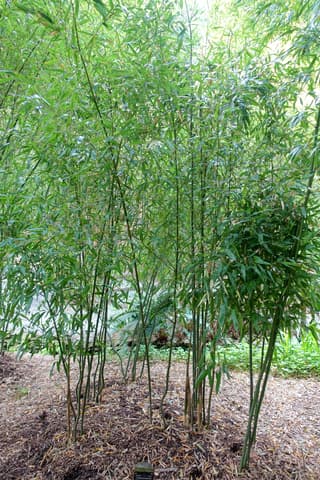
Yellow Groove Bamboo
Phyllostachys aureosulcata
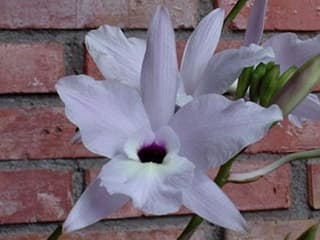
Rosy Tinted Laelia
Laelia rubescens
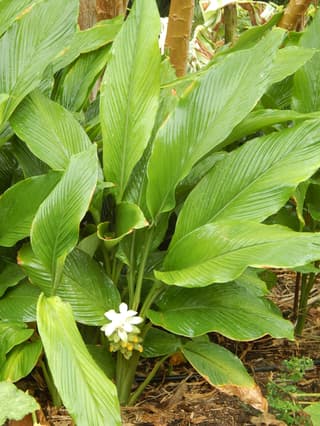
Turmeric
Curcuma longa
Ideal Pet Safe for Nazaré's Climate
Nazaré has an average temperature of 24.3°C and humidity of 84.5%, conditions that directly influence which pet safe best adapt to the local environment.
How to Grow Pet Safe in Nazaré
To successfully grow pet safe in Nazaré, consider that the average temperature of 24.3°C and humidity of 84.5% create a specific microclimate. High humidity favors tropical species, but requires attention to ventilation to prevent fungal issues.
Advantages of Choosing Adapted Pet Safe
Pet Safe adapted to Nazaré's climate show greater resistance, healthy growth, and less need for interventions.